DbcultAccessing Vault...
Cult Review
Senior Film Conservator
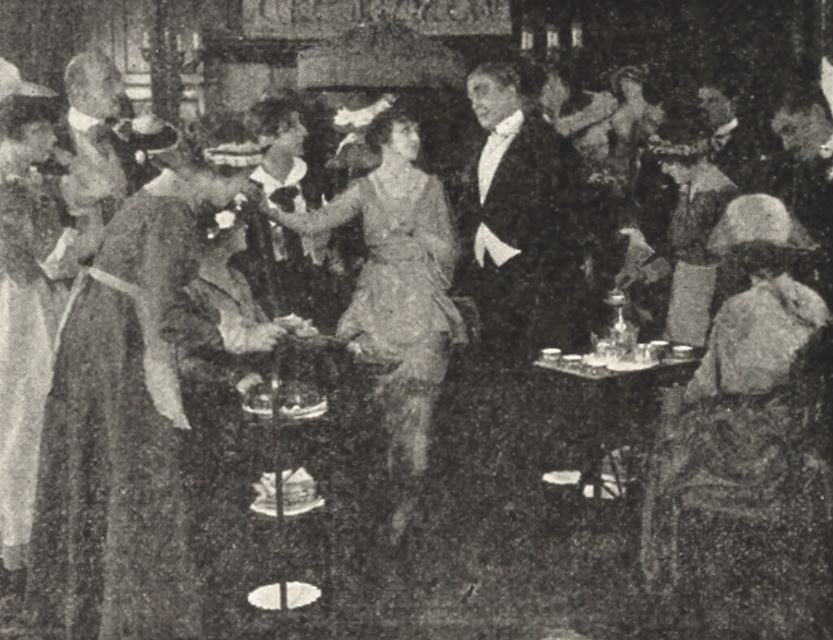
The 1915 cinematic landscape was a burgeoning frontier of narrative experimentation, yet few films managed to capture the jagged intersection of class anxiety and romantic whimsy as pointedly as The Cave Man. Directed during a period of transition from short-form novelty to feature-length complexity, this work serves as a biting critique of the American aristocracy's susceptibility to branding over substance. At its core, the film is a subversion of the Pygmalion myth, stripping away the romanticism of the transformation to reveal the gullibility of the observers.
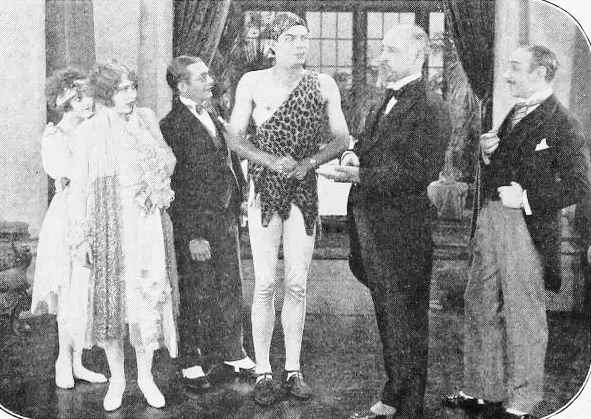
Madeline Mischief, portrayed with a delightful blend of aristocratic boredom and mischievous agency by Lillian Burns, acts as the narrative’s primary catalyst. Her boredom is not merely a character trait; it is a symptom of a society that has run out of genuine challenges. When she bets her friends that she can manufacture a leader of men from the literal streets, she isn't just playing a prank—she is conducting a sociological vivisection. The choice of Hanlick Smagg, played by Robert Edeson, is inspired. Edeson brings a hulking, soot-caked presence to the screen that feels legitimately disruptive to the manicured aesthetic of the Clarion Hotel. Unlike the stylized decadence seen in A Fool There Was, where the social decline is framed through the lens of a 'vamp,' Smagg’s trajectory is an upward climb fueled by the very superficiality Madeline seeks to expose.
The film’s most potent satirical weapon is the concept of the "submerged tenth." This term, popularized by William Booth, referred to the chronically poor, but in the hands of screenwriters Gelett Burgess and Marguerite Bertsch, it becomes a fashionable shield for Smagg’s lack of etiquette. When Smagg behaves like a "bull in a china shop," the elite do not see a coal-heaver; they see a genius so immersed in the plight of the downtrodden that he has forgotten the trivialities of the dinner fork. This reversal is brilliant. It suggests that the upper class is so desperate for authenticity that they will accept any form of eccentricity as a sign of depth, provided it is packaged correctly by one of their own.
"Smagg’s presence in the drawing-room is a physical manifestation of the class struggle, yet the observers are too blinded by their own vanity to recognize the threat."
The sequence where Smagg critiques a painting is a masterclass in silent comedy and social commentary. Without a word of dialogue, Edeson conveys the absurdity of an uneducated man dictating aesthetic value to a breathless audience. This scene echoes the thematic concerns found in The Lion and the Mouse, which also grappled with the power dynamics between the entrenched wealthy and those who would challenge their hegemony. However, The Cave Man feels more cynical, suggesting that the elite's interest in the 'submerged tenth' is purely voyeuristic.
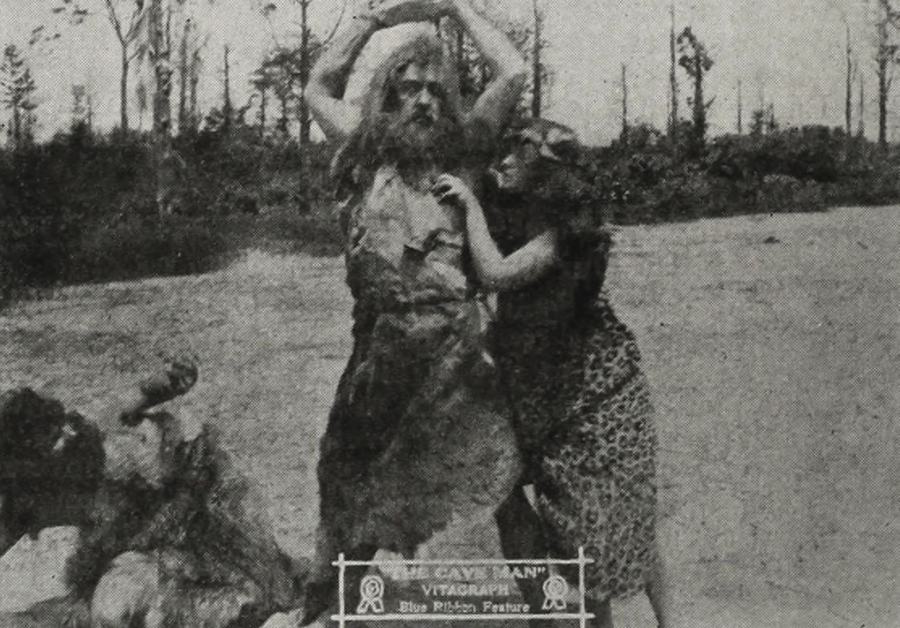
As the narrative progresses, Smagg’s internal conflict becomes the focal point. He is not content to remain a pet project. The film takes an unexpected turn when Smagg, realizing he is being used as a pawn in a game of social chess, rejects the very world that has 'elevated' him. His return to the steel works is not a defeat; it is a reclamation of identity. In an era where many films, such as Strike, would later explore the collective power of the worker, The Cave Man focuses on the individual's meritocratic rise. Smagg’s invention at the steel works serves as the ultimate vindication—he becomes a 'man of the world' through his own ingenuity, not Madeline’s tailoring.
The romantic complications with Dolly Van Dream (Fay Wallace) add a layer of melodrama that was characteristic of the time, yet even here, the film avoids the standard tropes. The jealousy and pining are framed against the backdrop of Smagg’s shifting class status. It’s fascinating to compare this to the more straightforward romantic tensions in A Suspicious Wife. In The Cave Man, the stakes feel higher because they are tied to Smagg’s fundamental sense of self.
Visually, the film utilizes its locations to emphasize the divide between Smagg's two worlds. The opulent interiors of the Clarion Hotel are filmed with a static, almost suffocating formality, while the industrial settings of the coal yards and steel mills possess a raw, kinetic energy. This visual storytelling is a precursor to the grander industrial spectacles seen in films like Panama and the Canal from an Aeroplane, though here it is used for character development rather than mere documentation.
The acting styles in The Cave Man also deserve scrutiny. Robert Edeson avoids the hyper-theatricality that plagued many early silent performances. His transition from a lumbering laborer to a polished gentleman is subtle, relying on posture and gaze rather than wild gesticulation. This groundedness makes the 'caveman' ending—where he elopes with Madeline in a display of primal romanticism—feel earned rather than jarring. It is a synthesis of the two halves of his life: the raw power of his origins and the strategic mind of his success.
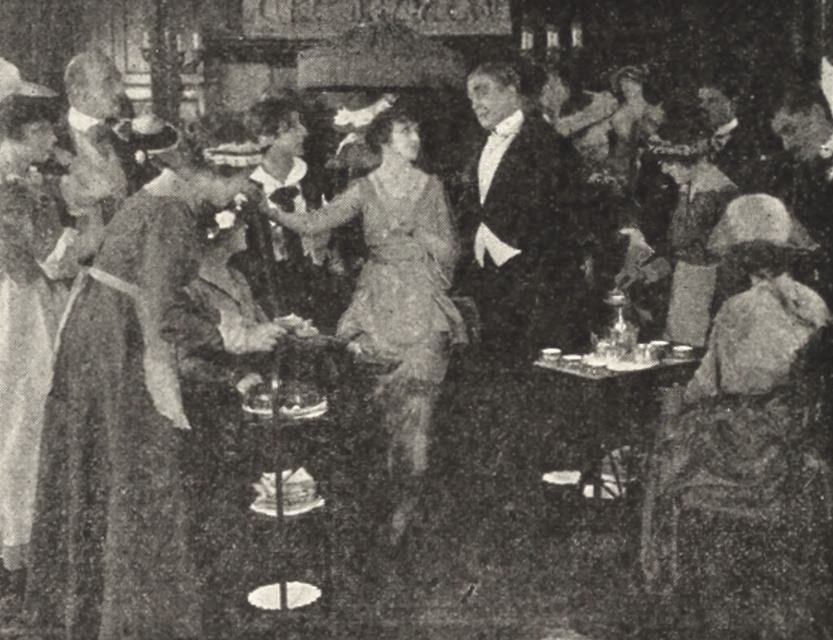
Released in the same year as many heavy-handed moral plays, such as The Tempting of Justice or the dark explorations of Alone with the Devil, The Cave Man stands out for its wit. Gelett Burgess, known for his whimsical literary contributions, brings a level of sophistication to the intertitles and plot structure that was rare for the period. The film doesn't just ask if a man can change; it asks if society will let him be anything other than a caricature.
Even when compared to the grand historical epics of the time like 1812 or the religious fervor of Quo Vadis?, this intimate story of a coal-heaver’s social ascension feels remarkably modern. It touches on themes of identity and performance that would later be explored in more famous works like *My Fair Lady*, but with a distinctly American emphasis on industrial progress and self-determination. The film’s awareness of gender roles—Madeline as the architect of the experiment—also aligns it slightly with the burgeoning suffrage movement seen in Your Girl and Mine: A Woman Suffrage Play, though it ultimately settles for a more traditional romantic resolution.
In the final analysis, The Cave Man is a vital piece of silent cinema history. It manages to be both a lighthearted comedy of manners and a cynical indictment of the American class system. By the time Smagg and Madeline elope, the audience has witnessed a profound transformation—not of the man, but of the world around him. Smagg didn't need society to make him a leader; he only needed them to get out of his way. It is a film that rewards repeated viewings, offering new insights into the enduring American obsession with reinvention and the thin line between being a 'lion' and being a man.
IMDb 5.3
1926
Community
Log in to comment.