Summary
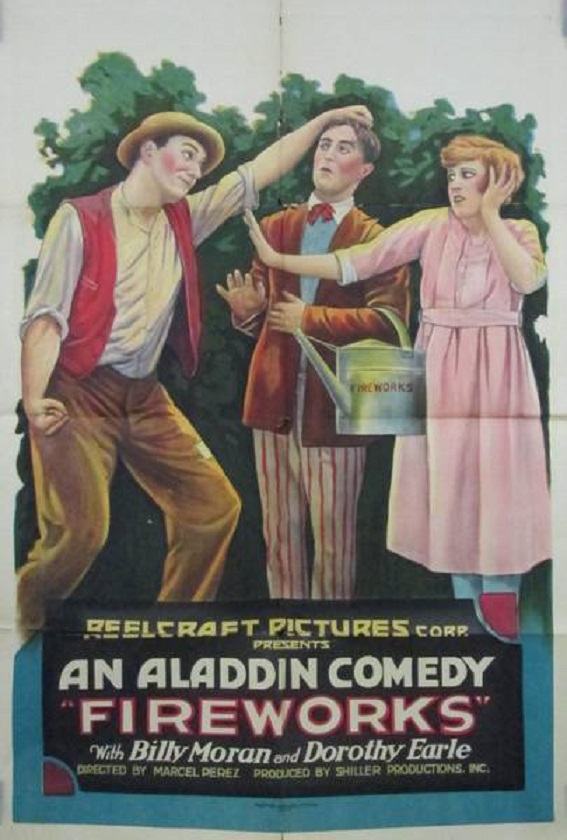
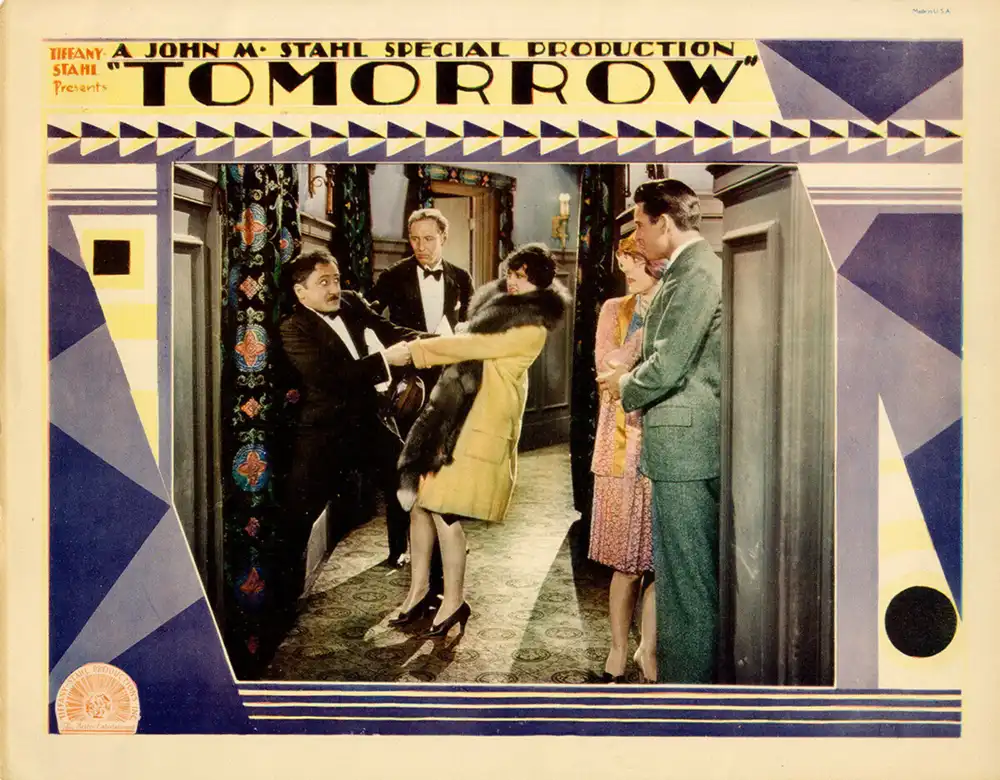
In a nameless coastal town where the salt-sting of winter collides with gunpowder dusk, a taciturn pyrotechnist—known only as The Illuminator—returns from exile clutching rusted formulae for star-shells that once spelled his beloved’s name across the firmament. Years earlier, he and the luminous Elara, a foundling with match-flare freckles, had sketched impossible constellations on the backs of circus posters, dreaming of a love that would detonate social propriety like a rocket above the pier. Their clandestine betrothal is shattered when the town’s petit-bourgeois council, brandishing morality like a blunderbuss, convicts him of sedition for turning civic festivals into subversive spectacles. Elara is betrothed to the councilor’s whey-faced son in recompense; the Illuminator is marched to the dunes and told never to strike another spark. Now, gaunt and feral, he barters gunpowder for information, mapping the boardwalk’s warped planks the way generals chart killing fields. Each fuse he coils is a stanza of vengeance, each chrysanthemum burst a ransom note to memory. On the eve of the winter masquerade—a gaudy pageant of silk domino masks and goose-feathered gowns—he infiltrates the decaying casino, its chandeliers already weeping wax like guilty saints. Amid a haze of saltpeter and tallow, he corners Elara beneath a rotting fresco of Icarus; her once-molten gaze now glacial, ringed by the bruise-yellow residue of marital resignation. Their whispered parley is a duel of ghosts: he promises a sky-written escape, she demands proof that embers still outrank diamonds. Outside, the first squib pops—a child’s toy—yet the Illuminator reads it as the overture to apocalypse. He leads her through servant corridors rank with mildew and crepe-paper memories, past the furnace where forgotten costumes molder like failed skins. In the flagstone courtyard he reveals his contraband: a single mortar stitched with silver flecks of magnesium, its payload a heart-shaped shell no bigger than a pocket watch. They climb the condemned lighthouse whose beacon expired the night their future was mortgaged. There, buffeted by gales that taste of rusted anchors, he strikes flint against the rail. The fuse hisses—a serpent of white phosphorus—while below, townsfolk cheer a tinny brass band, oblivious. The shell ascends, trailing a bridal train of sparks, and blooms into a white-hot arabesque that spells, for three impossible seconds, their outlawed initials. In the stunned hush that follows, the lighthouse lantern, superheated, shatters; shards of glass rain like ice daggers, slicing parasols, toppling harlequins into the surf. Elara’s laughter detonates—wild, exultant—then gutters when she sees the sheriff’s posse already scrabbling up the spiral stairs, rifles glinting like blackened teeth. She kisses the Illuminator once, tasting cordite and the iron of exile, then thrusts him toward the ladder that leads to the lantern gallery. He hesitates, torn between the vertigo of freedom and the gravity of rescue. She slams the trapdoor, sliding the bolt from the inside, condemning herself to the slow fuse of Victorian justice while gifting him the night sky. From the gallery he watches her silhouette framed by the broken lantern—an inverse Madonna haloed by smoke—before abseiling down a rope of festival bunting into the frothing dark. The final image: a lone rocket, lit by an unseen hand, climbs the black swell and bursts into a chrysanthemum of blood-red fire that mirrors the courthouse clock exploding behind it—time itself drafted into the conspiracy of lovers.
Review Excerpt
"
A lighthouse fuse hisses somewhere between heartbreak and high treason; the resulting blast is silent-cinema nitroglycerin.
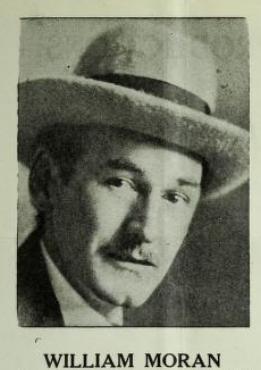
Watch Fireworks once and you assume you’ve witnessed a quaint morality play about star-crossed lovers who thumb noses at provincial pieties. Watch it twice—preferably on a 4K scan that lets you count every grain of magnesium glitter—and you realize the film is a manifesto smuggled inside a love letter, a seditious pamphlet wrapped in guncotton. Director William F. Moran (..."