DbcultAccessing Vault...
Cult Review
Senior Film Conservator
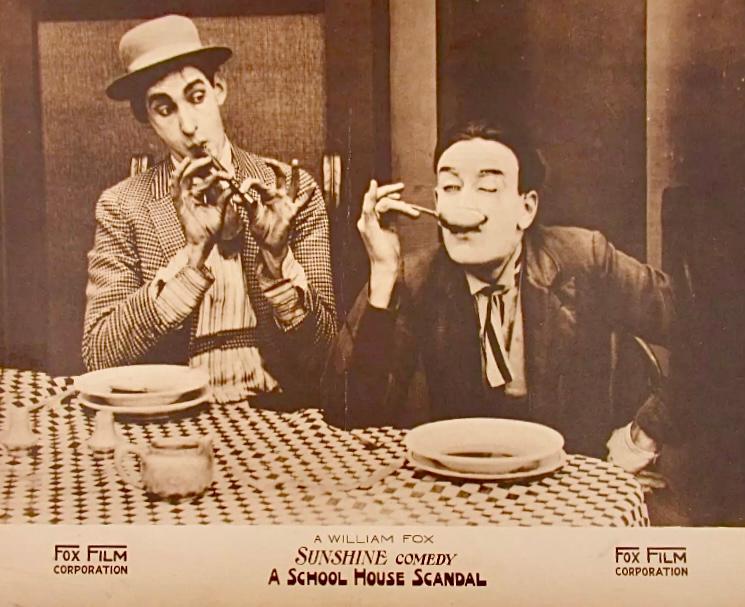
The cinematic landscape is replete with tales of small towns harboring immense secrets, where the veneer of tranquility often conceals a maelstrom of human failing and moral compromise. Yet, few films dissect this particular societal pathology with the surgical precision and emotional resonance found in A Schoolhouse Scandal. This isn't merely a narrative; it's an excavation, peeling back layers of community pretense to expose the raw, pulsating heart of corruption and the quiet courage required to confront it. From its opening frames, the film establishes a tone of simmering tension, a subtle discord beneath the apparent harmony of Oakhaven, a town that initially appears as picturesque as any postcard but soon reveals itself to be a crucible of hidden truths.
At its core, the picture hinges on the arrival of Ethel Teare’s character, a vibrant, idealistic young teacher whose fresh perspective on education and community quickly brings her into an uncomfortable orbit with the established powers that be. Teare imbues her role with a compelling blend of naiveté and burgeoning resolve, her performance a masterclass in understated defiance. Her initial optimism, a beacon against the town’s encroaching shadows, gradually transmutes into a steely determination as she begins to sense the subtle tremors of deceit beneath Oakhaven’s placid surface. It’s a nuanced portrayal, reminiscent of the quiet strength found in characters navigating moral labyrinths, much like the protagonist in The Eternal Mother, who fights against societal pressures for what she believes is right.
The film's antagonist, James Donnelly, played with chilling gravitas, is a figure of formidable presence. Donnelly is not a caricatured villain but a man whose power has calcified into an unyielding control, his public beneficence a carefully constructed shield for his illicit enterprises. His performance is a study in controlled menace, a testament to the insidious nature of corruption when it wears the mask of respectability. The subtle shifts in his demeanor, from avuncular community leader to ruthless manipulator, are meticulously rendered, creating a character who is both utterly reprehensible and disturbingly believable. One might draw parallels to the complex antagonists of films like The Price She Paid, where moral ambiguity often defines the most compelling figures.
The narrative’s genius lies in its slow, deliberate unraveling of the central mystery. It’s not a frenetic exposé but a gradual accretion of clues, each seemingly innocuous detail building towards an inevitable, cataclysmic revelation. The discrepancies in the school’s ledgers, first dismissed as administrative oversights, begin to coalesce into a pattern of systematic embezzlement. Teare, with her keen intellect and unwavering moral compass, becomes the unwitting detective, her inquiries disturbing the carefully maintained equilibrium of Oakhaven. The script, while meticulously structured, never feels overtly programmatic; instead, it flows with an organic rhythm, drawing the viewer deeper into its intricate web of deceit.
Slim Summerville, as the seemingly bumbling janitor, provides much-needed moments of levity, yet his character is far from mere comic relief. Summerville’s portrayal is imbued with a quiet dignity, his innocent observations and accidental disclosures serving as crucial narrative fulcrums. He is the unwitting keeper of secrets, his peripheral vision catching glimpses of truths that the town’s more prominent citizens deliberately ignore. His performance reminds us that truth often emerges from the most unexpected corners, often through the eyes of those overlooked by society. This subtle but profound role is a highlight, adding layers to the film's social commentary.
The supporting cast further enriches the film’s tapestry. Polly Moran, in her role as the town’s indefatigable gossip, is a delightful force of nature. Her character, while initially appearing to be a source of mere amusement, proves instrumental in disseminating the whispers and half-truths that eventually coalesce into undeniable evidence. Moran captures the essence of small-town rumor mills, demonstrating how seemingly harmless chatter can, in fact, be a potent weapon against injustice. Harry Booker's portrayal of the timid principal is equally compelling. His character embodies the silent complicity that often allows corruption to flourish, his fear of Donnelly’s power a palpable presence. Yet, his eventual moral awakening, however reluctant, provides a crucial turning point, highlighting the internal struggle between self-preservation and ethical responsibility. This internal conflict is explored with a depth that rivals the introspective journeys seen in films like The Island of Regeneration, where characters grapple with profound personal choices.
The film’s exploration of childhood innocence juxtaposed against adult duplicity is particularly poignant. Francis Carpenter, as the young, observant student, delivers a performance that is both heartbreaking and pivotal. His innocent gaze inadvertently captures moments of illicit activity, making him a silent witness to the adult world’s ugliness. Carpenter’s character serves as a stark reminder of the collateral damage inflicted by corruption, the way it taints even the most pristine aspects of a community. The film cleverly uses his perspective to amplify the stakes, ensuring that the audience feels the weight of the moral quandary through the eyes of its most vulnerable characters.
Tom Kennedy’s performance as the local constable is another standout. Initially skeptical of Teare’s claims, Kennedy’s character undergoes a compelling transformation. His journey from dismissive authority figure to a man compelled to seek justice is handled with commendable subtlety. He represents the slow, grinding machinery of justice, often reluctant to disturb the established order, but ultimately bound by a commitment to truth. The film avoids simplistic portrayals, instead offering a nuanced look at how institutions, even well-meaning ones, can be slow to react to systemic issues. One might even compare the character's journey to the gradual unveiling of truth in The Flashlight, where hidden elements slowly come to light.
The film’s visual language, though operating within the constraints of its era, is remarkably effective. The cinematography often utilizes stark contrasts, casting long shadows that mirror the moral ambiguities of Oakhaven. Close-ups on characters' faces betray their inner turmoil, while wider shots often emphasize the isolation of those who dare to challenge the status quo. The schoolhouse itself becomes a character, its seemingly benign facade gradually morphing into a symbol of the town’s deep-seated rot. The use of light and shadow is particularly masterful, creating an atmosphere that is both oppressive and evocative, enhancing the sense of foreboding that permeates the narrative.
What elevates A Schoolhouse Scandal beyond a mere exposé is its profound thematic depth. It delves into the nature of power, not just its corrupting influence, but also its ability to silence dissent and distort truth. It explores the responsibility of individuals within a community, asking uncomfortable questions about complicity and courage. The film suggests that true justice is not simply about punishing the guilty, but about the collective awakening of a community to its own failings. The unraveling of Donnelly's illicit dealings and his connection to a past student's disappearance isn't just a plot device; it's a commentary on how unresolved injustices fester, eventually demanding reckoning. This echoes the long-term impacts of secrets explored in films like The Yellow Passport.
The character of Jack Cooper, a troubled local youth, further complicates the moral landscape. His erratic behavior and eventual connection to the past scandal serve as a tragic reminder of the human cost of systemic corruption. Cooper is not just a victim; he is a product of Oakhaven's hidden darkness, his struggles a direct consequence of the very secrets Teare is attempting to unearth. His story arc is handled with a delicate touch, avoiding sensationalism in favor of a more empathetic exploration of his plight, highlighting the pervasive impact of unchecked power on the most vulnerable members of society.
The climax of the film is a masterstroke of tension and revelation. It avoids explosive theatrics, opting instead for a slow, agonizing unveiling of truth, where the weight of evidence and the sheer force of moral conviction finally break through the edifice of lies. The confrontation between Teare and Donnelly is less a physical battle and more a clash of ideologies, a testament to the power of truth against entrenched falsehoods. The resolution, while providing a sense of closure, leaves the audience with a lingering sense of the fragility of justice and the constant vigilance required to maintain it. It's a conclusion that resonates long after the credits roll, much like the enduring impact of stories from The Ragged Earl.
In an era when many films opted for straightforward morality plays, A Schoolhouse Scandal dared to explore the grayer areas of human behavior, presenting a nuanced view of good and evil that is refreshingly complex. It is a film that rewards careful observation, its intricate plotting and rich characterizations inviting multiple viewings. The performances across the board are uniformly strong, each actor contributing to the film’s cohesive and compelling vision. The direction is assured, guiding the narrative with a steady hand, allowing the story to unfold organically without resorting to cheap narrative tricks.
This picture stands as a powerful testament to the enduring human spirit’s capacity for truth-seeking and resilience. It’s a compelling drama that transcends its historical context, offering timeless insights into the dynamics of power, the complexities of community, and the profound importance of individual integrity. The film's message, that even in the darkest corners, a single voice can ignite a movement for change, remains as relevant today as it was upon its initial release. It is a cinematic experience that challenges, engages, and ultimately, deeply satisfies. One could argue its influence on subsequent dramas exploring societal corruption, providing a blueprint for how to weave intricate plotlines with profound social commentary, much like a foundational text. It’s a film that demands to be seen, discussed, and remembered, cementing its place as an essential piece of cinematic storytelling, a true masterclass in its genre.
IMDb —
1918
Community
Log in to comment.