DbcultAccessing Vault...
Cult Review
Senior Film Conservator
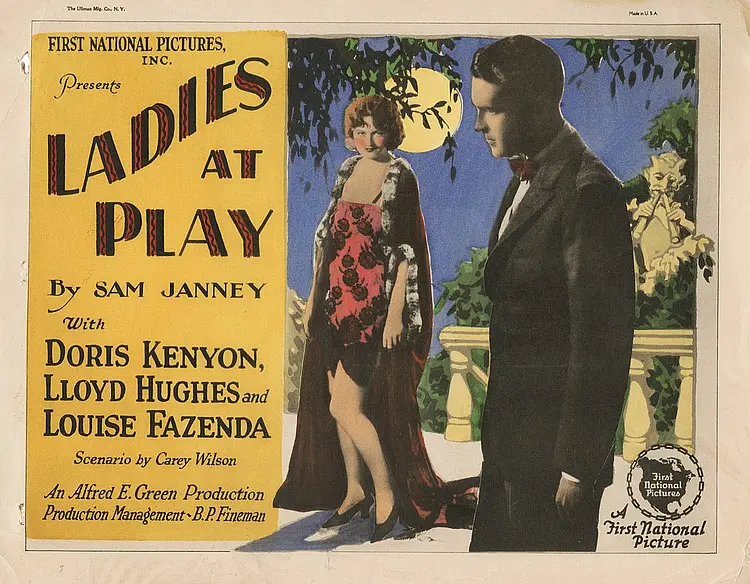
So, is Ladies at Play worth watching today? Short answer: yes, but with significant caveats that ground its historical charm in contemporary viewing expectations. This 1926 silent comedy offers a fascinating glimpse into the social mores and comedic sensibilities of the Jazz Age, delivering a narrative that, despite its age, still manages to entertain and occasionally surprise.
This film is for cinephiles with a keen interest in silent cinema, those who appreciate the physical comedy and expressive acting inherent to the era, and viewers who enjoy period pieces that challenge social conventions, even if gently. It is not for those seeking fast-paced modern storytelling, sophisticated dialogue, or a film that adheres strictly to contemporary moral sensibilities without critical distance.
The plot of Ladies at Play, on its surface, is a quintessential comedic setup: a young woman, Ann Martin, faces an absurd hurdle to secure her inheritance. The hurdle, in this case, is the approval of two rigidly conservative spinster aunts, whose stringent standards have systematically dismissed every potential suitor. This isn't just a quaint plot device; it's a pointed commentary on the societal pressures placed upon women of the era, where financial security was often inextricably linked to marriage and familial approval.
What elevates this film beyond simple farce is Ann’s audacious response to her predicament. Her initial plan to enlist a shy hotel clerk, played by Hallam Cooley, into a marriage of convenience is a remarkable display of pragmatic, albeit cynical, agency. It’s a bold move for a female protagonist in any era, let alone the 1920s, indicating a spirit unwilling to be constrained by patriarchal or familial dictates. The twist, of course, comes when the clerk, unexpectedly, falls genuinely in love with her, complicating her tidy scheme.
The arrival of a second suitor, another clerk, further ratchets up the comedic tension, pulling Ann into a genuine romantic dilemma, not just a financial one. This shift from calculated strategy to authentic emotional entanglement is where the film finds its heart, even as it prepares for its most scandalous, and perhaps most memorable, act: Ann's decision to hire gigolos to compromise her aunts. This particular narrative beat is a stunningly rebellious choice, pushing the boundaries of what was acceptable on screen, and hinting at a surprisingly dark comedic edge.
The writers, George Marion Jr., Carey Wilson, and Sam Janney, clearly understood the power of escalating absurdity. They crafted a story that begins with a familiar comedic premise and then steadily pushes the envelope, culminating in a climax that feels both inevitable and shockingly daring. It’s a testament to their craft that this silent film manages to convey such complex motivations and escalating stakes without a single spoken word, relying instead on visual cues, intertitles, and the expressive capabilities of its cast.
As a film from 1926, Ladies at Play operates within a different cinematic language than contemporary audiences are accustomed to. Yet, within its own framework, it achieves moments of genuine brilliance and suffers from the limitations of its time.
This film works because of its surprisingly subversive plot, the energetic performances, and its ability to blend romantic comedy with a sharp, almost cynical, social commentary on inheritance and female agency.
This film fails because its pacing can feel sluggish by modern standards, some of the comedic beats rely on broad stereotypes, and the resolution, while satisfying for its era, might feel a touch too neat or morally ambiguous to a contemporary viewer.
You should watch it if you're curious about silent film history, enjoy character-driven farces, or appreciate stories where protagonists take unconventional routes to achieve their goals, even if those routes skirt the edge of propriety.
The success of any silent film hinges almost entirely on the expressive power of its cast. Ladies at Play is fortunate to feature a ensemble that understands the assignment, delivering performances that are both broad enough for the back rows and nuanced enough to convey emotional depth.
Louise Fazenda, as Ann Martin, is the undeniable engine of the film. Her performance is a masterclass in silent comedy acting, combining a vivacious energy with moments of genuine vulnerability. She navigates Ann’s journey from calculating heiress to conflicted lover with remarkable agility. Her facial expressions, particularly in scenes where she’s trying to manipulate the bashful clerk or later, when her own feelings betray her, are wonderfully articulate. Fazenda manages to convey Ann’s daring spirit without making her entirely unlikable, a delicate balance.
Doris Kenyon, while perhaps not given as much screen time as Fazenda, brings a charming presence to her role, often serving as a more traditional romantic foil or supportive cousin. Her elegance contrasts effectively with Fazenda's more boisterous portrayal, providing a different facet of female experience in the narrative.
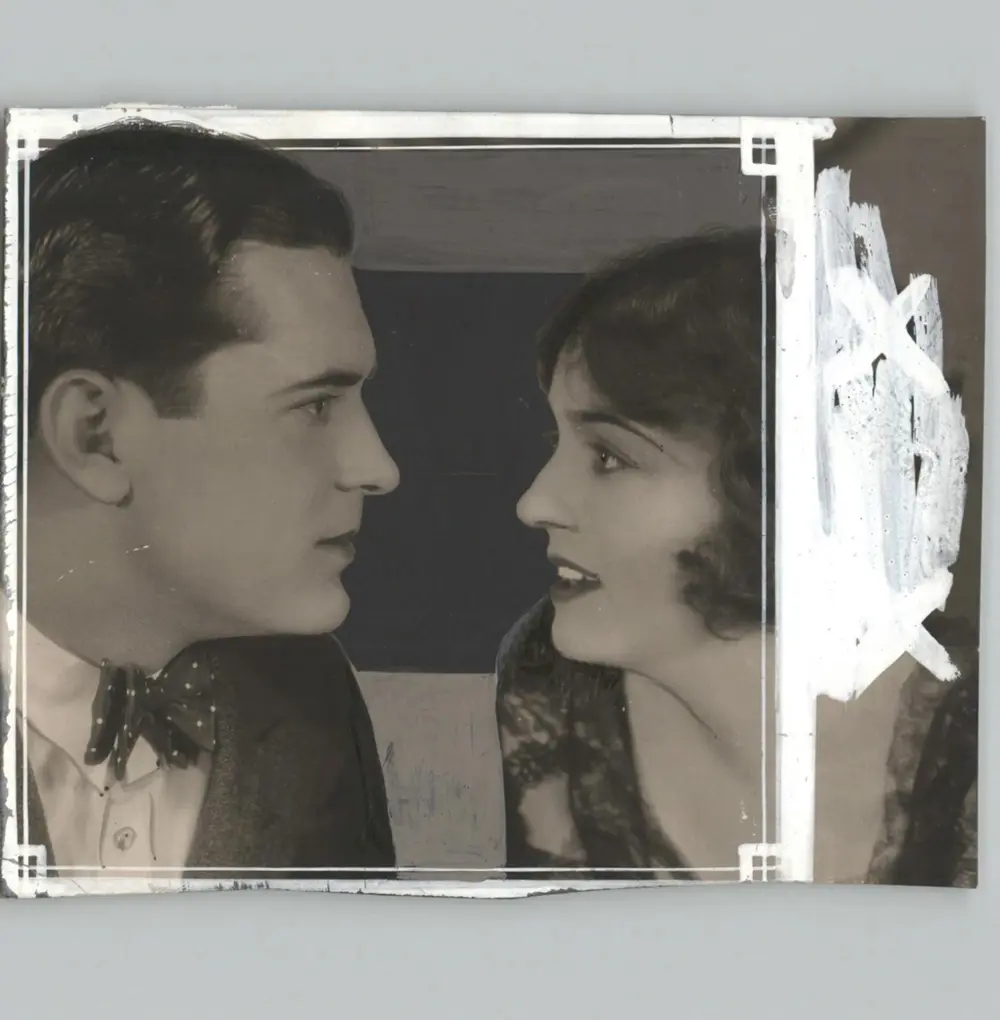
Hallam Cooley, as the initially bashful hotel clerk, is a revelation. He imbues his character with an earnestness that grounds the more farcical elements of the plot. His quiet dignity and genuine affection for Ann are palpable, creating a compelling emotional anchor. The scene where he gently but firmly refuses Ann's initial proposition of a marriage of convenience, his eyes conveying a mix of hurt and unwavering principle, is particularly effective. It's a moment that elevates his character beyond a mere plot device.
The supporting cast, particularly John Patrick and Lloyd Hughes as the two clerks, and Ethel Wales and Virginia Lee Corbin as the formidable aunts, contribute significantly to the film's comedic texture. The aunts, in particular, are played with an exaggerated rigidity that makes Ann’s extreme measures feel almost justified. Their reactions, often conveyed through stiff postures and disapproving glares, are consistently amusing, providing perfect comedic targets for Ann’s schemes. It’s not just the leads; every actor understands the need for clear, physical storytelling. This is evident in the dynamic between the two gigolos and the aunts, a sequence that relies entirely on visual gags and exaggerated reactions to land its comedic punches. The subtle shift in the aunts' demeanor, from prim disapproval to flustered embarrassment, is a testament to the actors' skill.
Silent cinema, by its very nature, demands a robust visual language, and Ladies at Play largely delivers. The filmmakers utilize expressive cinematography and well-designed sets to convey narrative and emotion. Close-ups are employed effectively to highlight character reactions, particularly Ann's scheming glances or the clerks' bashful expressions. The use of intertitles is judicious, providing necessary dialogue and exposition without overwhelming the visual flow. This balance is crucial for maintaining viewer engagement.
The pacing, however, is where modern audiences might find the film challenging. Silent comedies often built their gags and plot developments more slowly than their contemporary counterparts, allowing scenes to breathe and physical comedy to play out. While this deliberate pace allows for character development and the slow burn of Ann's predicament, there are moments, especially in the first act, where the narrative feels a bit too drawn out. The repeated rejections by the aunts, while essential to establishing their obstinacy, could have been condensed without losing their impact. Compared to the rapid-fire gags of a Buster Keaton or the frantic energy of a Harold Lloyd, Ladies at Play takes a more measured approach, aligning it more with character-driven comedies like Ruggles of Red Gap in its emphasis on situation over spectacle.
Despite these pacing quirks, the film excels in its visual execution of comedic moments. The slapstick elements are well-choreographed, and the visual gags, particularly during the climax involving the gigolos and the aunts, are genuinely funny. The use of props and blocking to create humorous situations is clever, demonstrating a strong understanding of visual storytelling inherent to the silent era. For instance, the way Ann attempts to orchestrate 'chance' encounters, only for them to comically backfire, relies entirely on precise visual timing. It works. But it’s flawed.
What truly distinguishes Ladies at Play is its tone, which veers from light romantic comedy into something far more audacious and, at times, surprisingly dark. The central premise, hinging on a woman's desperate measures for financial independence, is inherently progressive for its time. Ann isn't just a damsel in distress; she's an active, albeit morally flexible, agent of her own destiny.
The decision to introduce gigolos into the plot for the sole purpose of compromising the aunts is an unconventional observation that sets this film apart. It’s a move that pushes the film into truly subversive territory, questioning the very foundations of respectability and propriety that the aunts represent. This isn’t a gentle lampooning; it’s a full-frontal assault on their puritanical values, executed with a mischievous glee that is genuinely refreshing. This is where the film truly shines, daring to be a little bit scandalous.
While the film ultimately wraps up in a conventionally happy manner, typical of romantic comedies of the era, the journey to that resolution is anything but conventional. It offers a fascinating window into how filmmakers of the 1920s could inject social commentary and a surprising amount of grit into seemingly lighthearted fare. It suggests a certain boldness in silent cinema that sometimes gets overlooked in favor of its more overtly slapstick counterparts. This film, alongside others like A Virtuous Vamp, demonstrates a growing willingness to explore female agency and challenge societal norms, even if the cinematic language was still evolving.
The film’s biggest strength, arguably, lies in its refusal to fully condemn Ann’s morally dubious actions. Instead, it frames them within the context of her desperation and the aunts’ unreasonableness, implicitly inviting the audience to root for her, even as she employs questionable tactics. This nuanced portrayal of a protagonist, one who isn't entirely virtuous but is undeniably resourceful, is what gives Ladies at Play its enduring appeal. It's a film that asks you to consider how far you'd go for love and money, and then shows you someone who's willing to go pretty far indeed.
Yes, Ladies at Play is absolutely worth watching today, especially for those interested in the evolution of comedy and the history of silent cinema. It offers a unique blend of romantic comedy, social satire, and daring plot twists that hold up surprisingly well.
While its pacing might require a slight adjustment for modern viewers, the film's charm, its bold premise, and the engaging performances from its cast make it a rewarding experience. It's more than just a historical artifact; it's a testament to the ingenuity of early filmmakers.
The film provides valuable insight into the social anxieties and changing roles of women in the 1920s, wrapped in an entertaining package. It challenges expectations. It makes you think. It's a solid entry into the silent film canon that deserves renewed attention.
Ladies at Play is more than just a relic of the silent era; it's a vibrant, surprisingly daring comedy that offers genuine entertainment and keen social commentary. While its pacing and some dated conventions might not appeal to every modern viewer, its strengths — particularly Louise Fazenda's electrifying performance and its audacious plot — far outweigh its minor flaws.
For those willing to immerse themselves in the unique charm of 1920s cinema, this film is a rewarding discovery. It’s a testament to the enduring power of clever storytelling and expressive acting, proving that even nearly a century later, a good farce, especially one with a rebellious streak, can still resonate. It’s a solid recommendation for anyone seeking to explore the rich landscape of early Hollywood and uncover a forgotten gem. Don't expect a modern blockbuster, but prepare for a delightful, thought-provoking journey into a bygone era of cinematic innovation.
IMDb —
1926
Community
Log in to comment.