DbcultAccessing Vault...
6.8/10
Senior Film Conservator
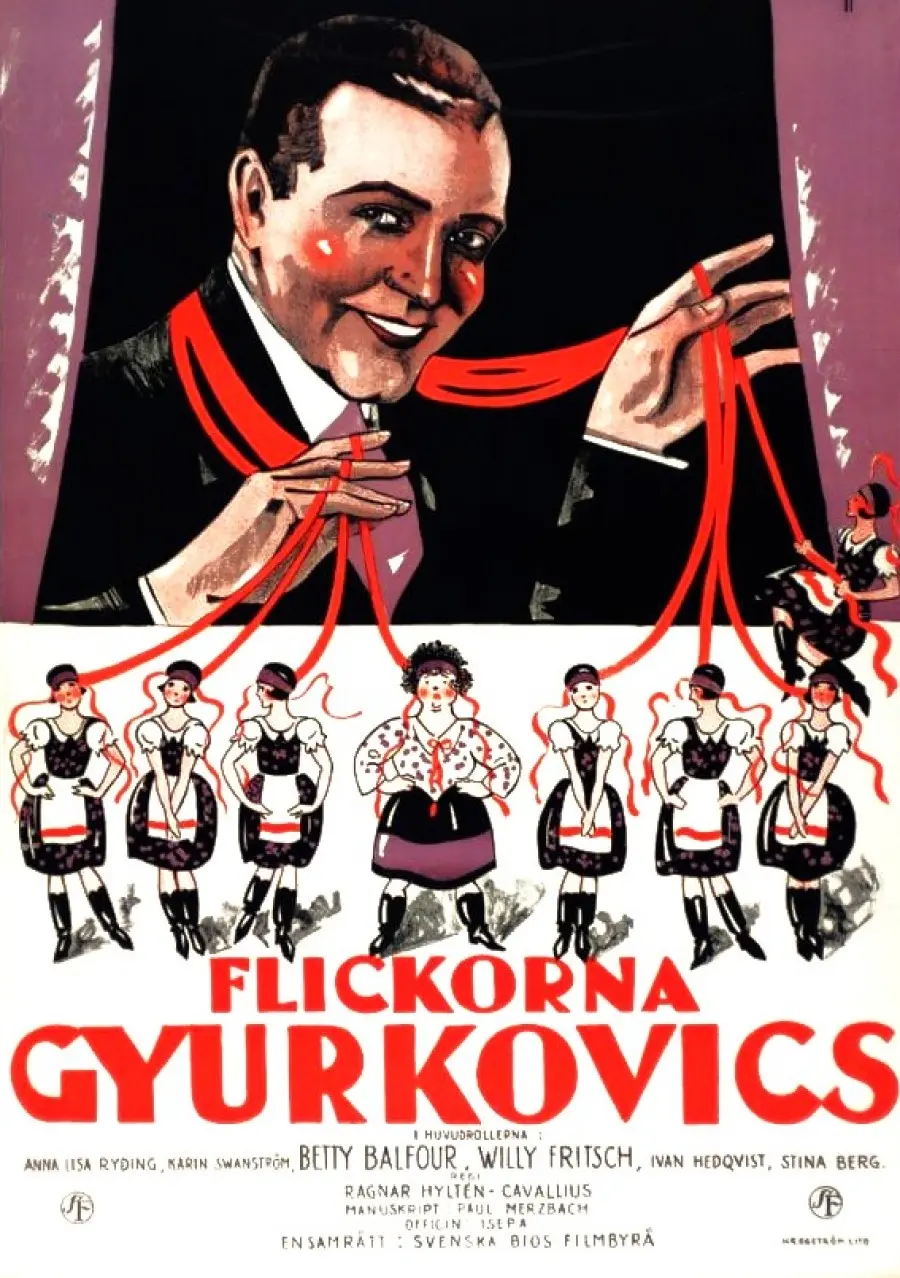
A definitive 6.8/10 rating for a film that redefined the boundaries of cult cinema. A Sister of Six remains a cornerstone of transgressive art.
Is A Sister of Six (1926) worth your time today? Short answer: yes, but with significant caveats that demand a particular kind of cinematic appreciation. This silent Hungarian-Swedish co-production offers a charming, albeit often simplistic, dive into early 20th-century romantic comedy, making it a film primarily for dedicated silent film enthusiasts, historians, and those with a high tolerance for period-specific pacing.
It is decidedly not for viewers accustomed to modern narrative speeds, complex character arcs, or high-definition visual fidelity. If you’re looking for a quick, impactful story, this isn’t it. If you’re prepared for a leisurely exploration of comedic tropes from nearly a century ago, however, you might find something genuinely delightful.
A Sister of Six, directed by Ragnar Hyltén-Cavallius, attempts to blend the boisterous energy of farce with the sentimental charm typical of silent-era romances. At its heart, the film is a classic comedy of errors, built around a deceptively simple premise that allows for a surprising amount of character interaction and visual gags. The rural setting, juxtaposed with the urban sensibilities of its protagonist, provides a fertile ground for humor, even if some of it feels remarkably quaint by today's standards.
The film’s historical significance, particularly as a co-production between Hungary and Sweden, also adds a layer of intrigue for those interested in the cross-cultural pollination of early European cinema. It’s a snapshot of a particular moment, reflecting not just storytelling conventions but also social mores and comedic sensibilities that have largely faded from popular memory.
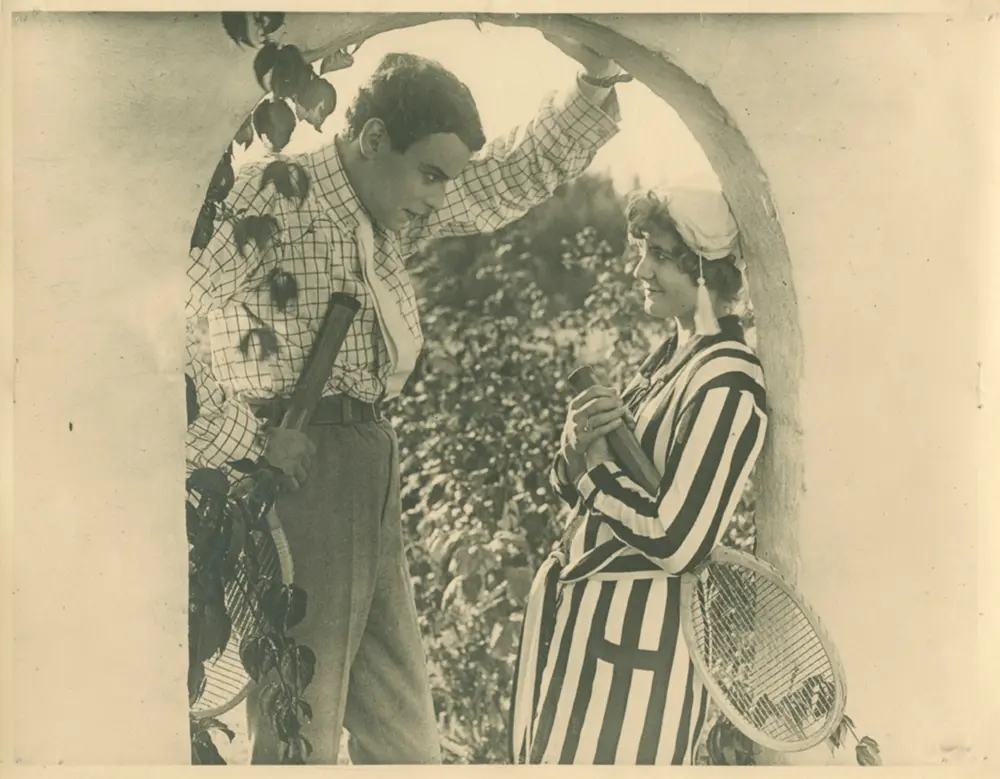
The narrative centers on Tony, a young man from Budapest, dispatched to the Hungarian countryside to fulfill an arranged marriage with his cousin, Katinka, the eldest of the seven Gyurkovics sisters. This premise alone suggests the potential for lighthearted chaos, a fish-out-of-water scenario where urban sophistication clashes with rural simplicity. However, the film introduces a crucial complication: Tony is already secretly married. This secret immediately elevates the stakes from a mere inconvenient engagement to a genuine moral and social quandary.
His arrival at the bustling Gyurkovics estate, populated by a formidable matriarch and six other unmarried sisters, sets the stage for a prolonged attempt to navigate his predicament without revealing his prior marital commitment. The humor, therefore, largely stems from Tony's increasingly desperate efforts to avoid the altar, often leading to misunderstandings and comical misdirections involving the many sisters. The film leans heavily on visual comedy and physical humor to convey his escalating panic, a hallmark of silent cinema storytelling.
Ragnar Hyltén-Cavallius, known for his work in Swedish cinema, brings a relatively straightforward directorial approach to A Sister of Six. The film rarely deviates from conventional silent film grammar, employing clear compositions and relatively static camera work, typical of the era. His strength lies in orchestrating the ensemble scenes, particularly those involving the large Gyurkovics family. There's a palpable sense of a busy, lived-in household, with each sister, even in their brief appearances, contributing to the overall comedic atmosphere.
One particularly effective sequence involves Tony attempting to 'scare off' Katinka, leading to a series of escalating, clumsy attempts at boorish behavior that only serve to endear him further to the family. Hyltén-Cavallius skillfully captures Tony's growing despair through close-ups and exaggerated reactions, a testament to silent acting. While not groundbreaking in its visual language, the direction is competent and serves the comedic intent well, ensuring that the audience always understands the character's motivations, even when they are absurd.
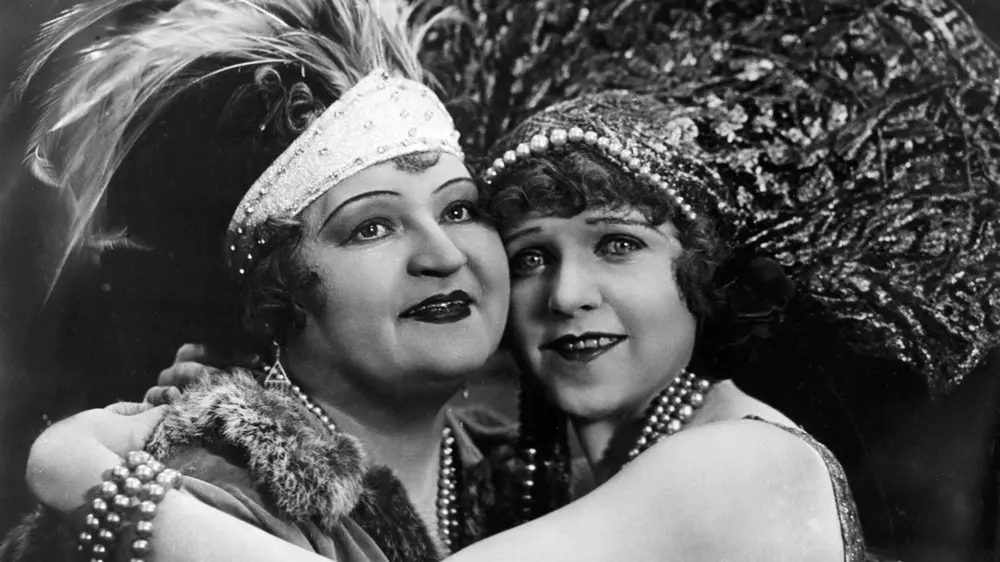
However, the film sometimes suffers from a lack of visual dynamism. Compared to contemporaries like Buster Keaton or Charlie Chaplin, whose films often feature innovative camera tricks and complex physical gags, A Sister of Six feels a bit more pedestrian. The humor relies more on situation and character reactions than on truly inventive staging. This isn't necessarily a flaw, but it does mean the film might not hold the attention of viewers accustomed to the more visually ambitious silent comedies.
The cast of A Sister of Six, a blend of Hungarian and Swedish talent, carries the film's comedic weight with commendable enthusiasm. Harry Halm, as the beleaguered Tony, is the undeniable anchor. His performance is a masterclass in silent film anxiety, conveying panic, frustration, and fleeting moments of hope with subtle shifts in expression and body language. He makes Tony's predicament genuinely sympathetic, even when his actions are driven by deceit. His wide, expressive eyes are particularly adept at communicating his inner turmoil.
Gretl Schubert, as the unsuspecting Katinka, brings a gentle earnestness to her role. She plays the character with a sweet innocence that makes Tony's deception feel all the more caddish, yet she never veers into caricature. Her reactions to Tony's increasingly bizarre behavior are often understated, providing a nice contrast to his histrionics.
The ensemble of sisters, while not all given extensive screen time, each contribute distinct personalities. Betty Balfour, a notable British star of the era, appears briefly, adding a touch of international flair, though her role is not central to the main plot. Willy Fritsch, another prominent German actor, also makes an appearance, further illustrating the international nature of the production. The collective energy of the Gyurkovics family, led by a stern but ultimately loving matriarch (likely played by Sophie Pagay or Olga Engl), creates a vibrant backdrop against which Tony’s personal drama unfolds. Their bustling, slightly overwhelming presence is a key source of the film's charm and comedic tension.
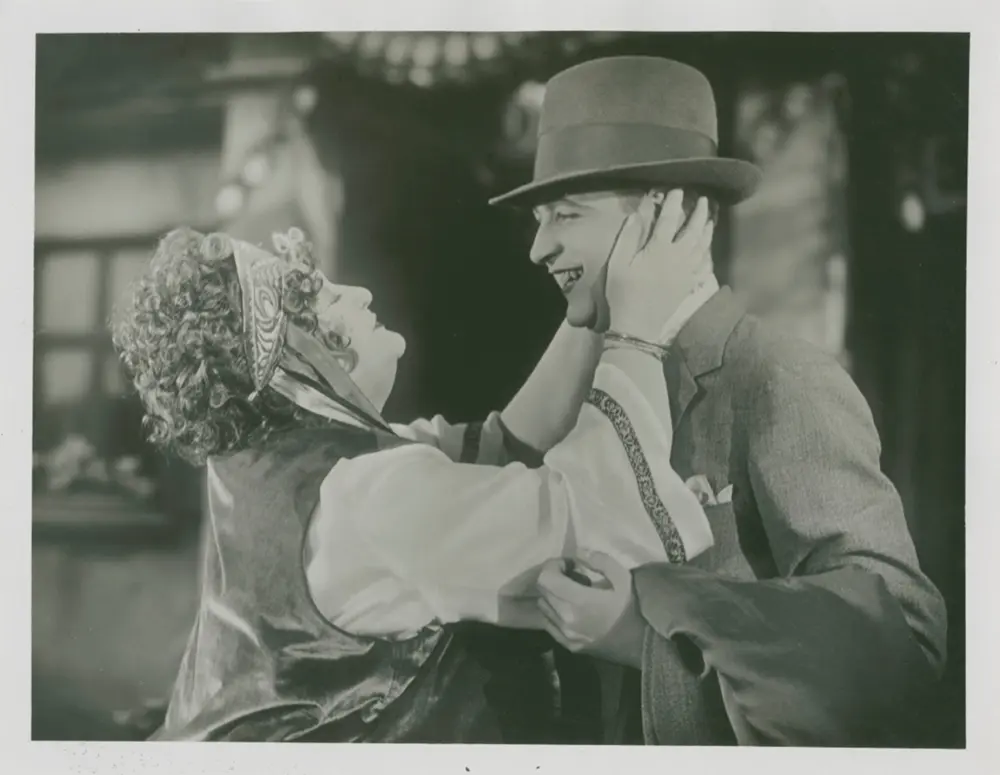
“The earnestness of the performances, particularly Harry Halm's portrayal of Tony, elevates what could have been a forgettable farce into a genuinely engaging character study of a man trapped by his own lies.”
The cinematography in A Sister of Six is functional and clear, prioritizing the visibility of the actors and the comedic action. The film makes good use of its rural Hungarian setting, with establishing shots often highlighting the picturesque countryside, which serves as a pleasant visual counterpoint to the domestic drama unfolding within the Gyurkovics home. Indoor scenes are typically well-lit, allowing for the nuanced facial expressions crucial to silent acting to be fully appreciated.
There are no grand, sweeping camera movements or experimental techniques here. The visual storytelling relies on conventional intertitles to convey dialogue and internal thoughts, alongside the exaggerated gestures and expressions typical of the period. One notable visual motif is the recurring shots of the many sisters, often framed together, emphasizing their collective presence and Tony's overwhelming situation. This simple yet effective framing device constantly reminds the audience of the sheer scale of his predicament.
While it doesn't push the boundaries of visual innovation, the film's aesthetic is clean and effective. It successfully transports the viewer to its specific time and place, allowing the story to unfold without unnecessary visual distractions. This commitment to clarity, while perhaps not exciting, is a strength in itself, ensuring the narrative remains comprehensible to a modern audience.
The pacing of A Sister of Six is deliberately unhurried. This is a film that takes its time, allowing scenes to play out with extended reactions and lingering glances. While this can feel sluggish to contemporary viewers, it's also part of its charm. It encourages the audience to immerse themselves in the film's world, to observe the subtle nuances of the performances and the gradual escalation of Tony's predicament.
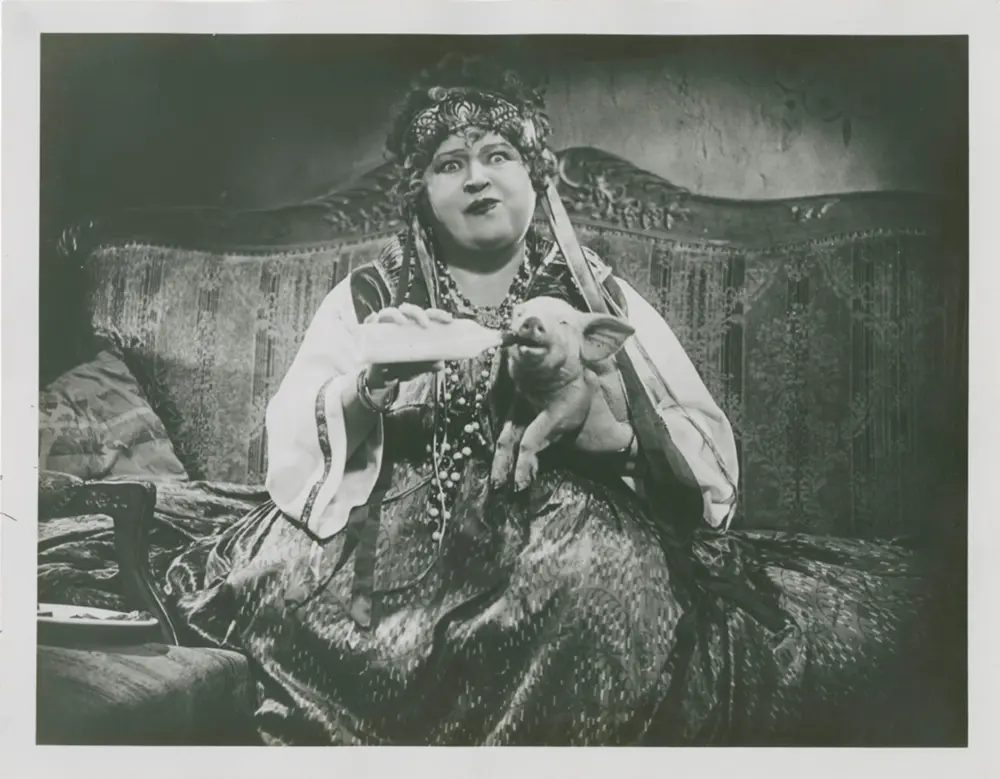
The tone is predominantly lighthearted comedy, with moments of genuine dramatic tension as Tony's secret threatens to unravel. The humor is largely situational and character-driven, relying on the absurdity of Tony's lies and the reactions of the unsuspecting family. There's a wholesome, almost innocent quality to the comedy, free from cynicism or overt malice. Even when Tony is at his most deceitful, the film maintains a genial spirit, ensuring the audience remains on his side, hoping for his eventual, albeit deserved, comeuppance.
One surprising observation is how well the film maintains its comedic energy despite the slow pace. The constant threat of exposure, combined with Tony’s increasingly desperate antics, provides enough narrative propulsion to keep the audience engaged, even if the journey is more leisurely than a modern viewer might expect. It works. But it’s flawed.
The screenplay, credited to Ferenc Herczeg, Ragnar Hyltén-Cavallius, Geza Herczeg, and Paul Merzbach, is based on a Hungarian play, which explains its theatrical structure and reliance on dialogue (via intertitles) and character-driven situations. The core premise is solid, a classic comedic setup with inherent conflict and opportunities for misunderstanding.
The writing excels in establishing the central dilemma and the characters' motivations. Tony's internal conflict is clear, as is the Gyurkovics family's desire for a good match for Katinka. Where the script occasionally falters is in its inventiveness. While there are amusing sequences, the resolution feels somewhat inevitable and perhaps a little too neat. The film doesn't delve deeply into the moral implications of Tony's deception, preferring to keep the tone light and focused on the comedic aspects.
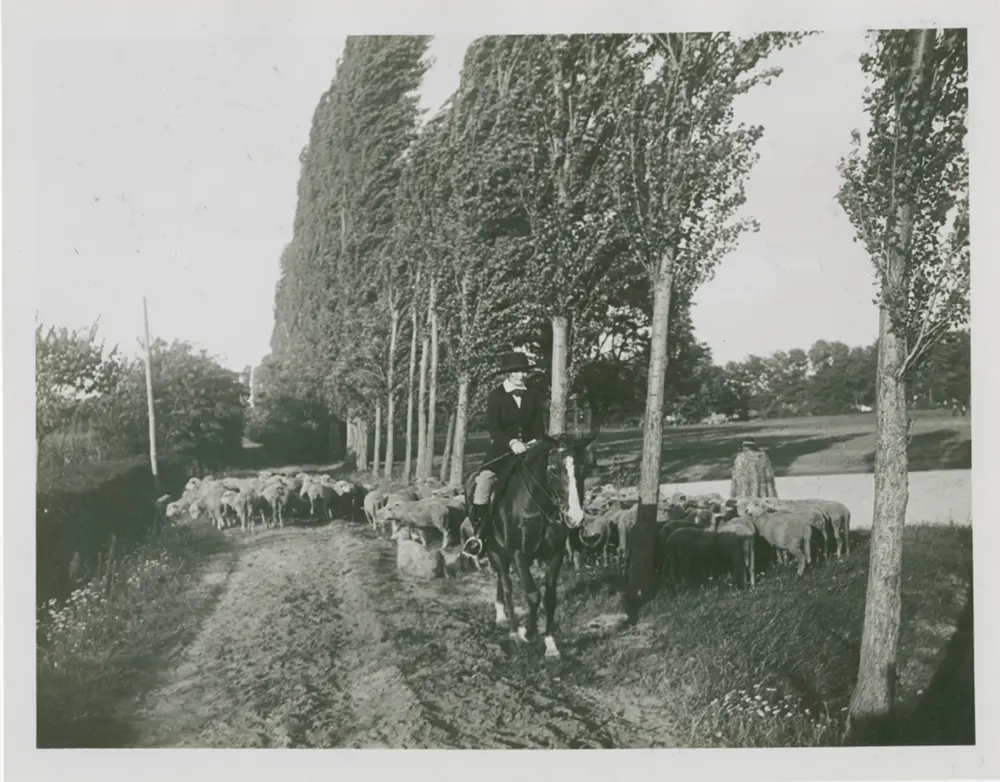
However, for a silent film, the narrative clarity is commendable. The intertitles are well-placed and concise, guiding the audience through the plot without bogging down the visual flow. The character interactions, though broad, are consistent, making the world of the Gyurkovics family feel believable within the film's comedic framework. It’s a sturdy, if not revolutionary, piece of writing for its time.
For the casual viewer, A Sister of Six (1926) will likely feel like a slow, somewhat dated experience. Its comedic sensibilities are firmly rooted in the 1920s, and its pacing requires patience. However, for those with an appreciation for silent cinema, or a specific interest in early European film history, it offers a charming glimpse into a bygone era.
It's a film that demands you meet it on its own terms. If you are willing to slow down, to observe the expressive performances, and to enjoy the gentle humor of a simpler time, then yes, it is absolutely worth watching. It’s a pleasant, if not essential, addition to the silent film canon.
Understanding the strengths and weaknesses of A Sister of Six is key to appreciating it.
A Sister of Six (1926) is a charming, if not groundbreaking, relic from the silent era. It offers a pleasant diversion for those willing to adjust their expectations to the rhythm of early 20th-century cinema. Its strength lies in its unpretentious humor, the earnest performances, and the clear, if leisurely, storytelling. While it won't redefine your understanding of film, it provides a valuable window into the comedic tastes and production practices of its time.
For a dedicated silent film enthusiast, this is a delightful find, a testament to the universal appeal of a good comedy of errors. For others, it might be a test of patience, but one that occasionally rewards with genuine smiles and a sense of historical connection. It's a film that asks for your time, and in return, offers a quaint, endearing experience that reminds us of the foundations upon which modern cinema was built.
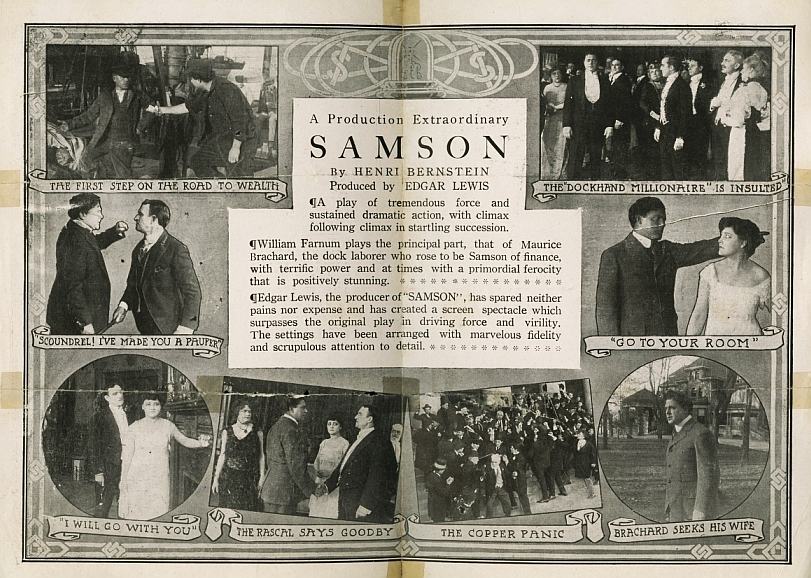
IMDb 4.6
1915
Community
Log in to comment.