DbcultAccessing Vault...
Cult Review
Senior Film Conservator
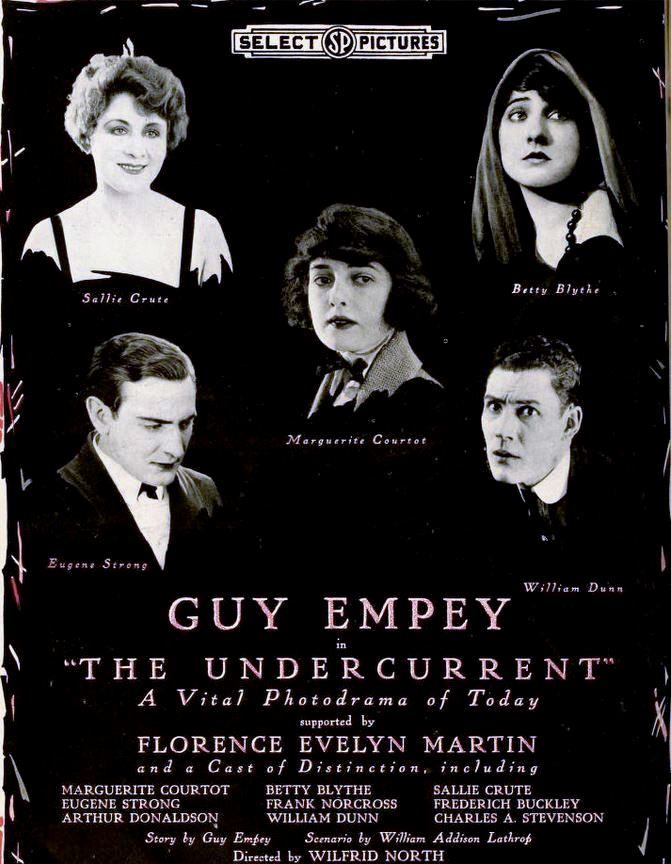
The Undercurrent, a 1924 silent feature penned by William Addison Lathrop and Arthur Guy Empey, lands squarely in the interstice between personal trauma and collective unrest. Arthur Donaldson embodies Jack Duncan with a stoic gravitas that feels less like melodrama and more like a weather‑worn ledger of a soldier’s psyche, bruised by artillery fire yet unbroken. Sally Crute, as the steadfast wife, offers a counterpoint of tender resilience, her eyes conveying a narrative that words could scarcely capture.
The Loring Steel Mills is not merely a setting; it is an omnipresent, grinding entity that shapes every decision. Its iron‑clad silhouettes dominate the horizon, casting long shadows that mirror the looming threats of radicalism. The cinematography, though constrained by the era’s technical limits, utilizes chiaroscuro to underscore the moral chiaroscuro confronting Jack. When he first steps onto the shop floor, the camera lingers on his hands—calloused, trembling—highlighting the transition from drafting table to the visceral world of gears and pistons.
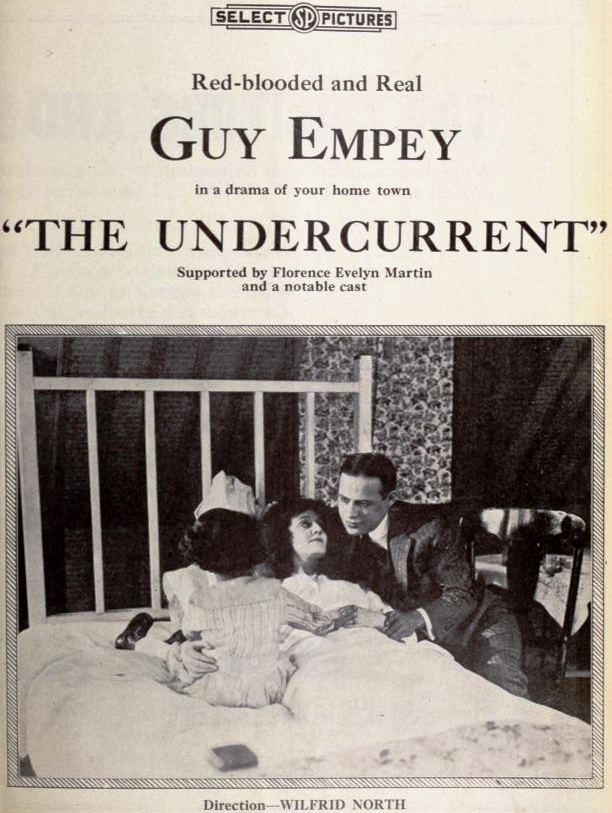
The agitators, led by a wiry agitator portrayed by Arthur Guy Empey himself, are rendered with a nuanced brush. Their speeches, delivered in rapid intertitles, oscillate between impassioned pleas for equity and thinly veiled threats. The film refrains from demonising them outright; instead, it offers glimpses of their own disillusionment—veterans who, like Jack, have tasted the bitter aftertaste of promises unkept. This complexity invites comparison to the radical characters in Different from the Others, where societal ostracism fuels dissent.
The screenplay unfolds with a deliberate rhythm: the initial calm of domestic reunion, the abrupt jolt of job loss, the escalating tension of agitator recruitment, and the crescendo of the planned arson. Each act is punctuated by intertitles that are both expository and poetic, a hallmark of Empey’s writing style. The film’s climax—Jack’s desperate defense of his home against a Red ringleader—unspools with a kinetic urgency rarely seen in contemporaneous dramas such as The Vortex. The fight choreography, though staged, feels authentic, the blows landing with a visceral thud that resonates through the silent frame.
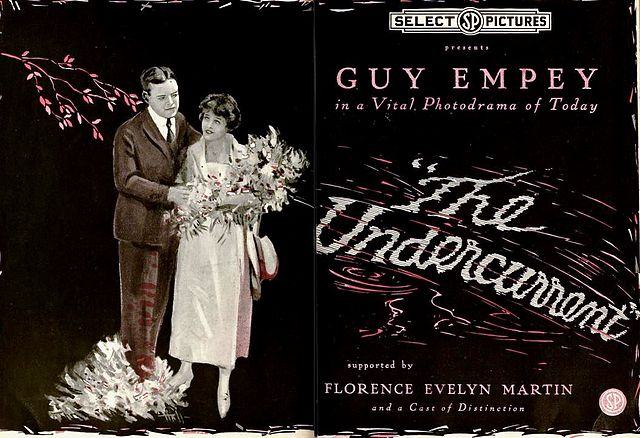
At its core, The Undercurrent interrogates the fragile equilibrium between American individualism and collective labor rights. Jack’s oscillation between the Red cause and his own American ideals mirrors the national debate of the 1920s, a period rife with Red Scare paranoia. When Jack, in a workers’ meeting, extols Americanism, the scene is shot from a low angle, elevating him as a beacon amidst the swirling chaos—an artistic decision that underscores the film’s endorsement of tempered reform over radical upheaval.
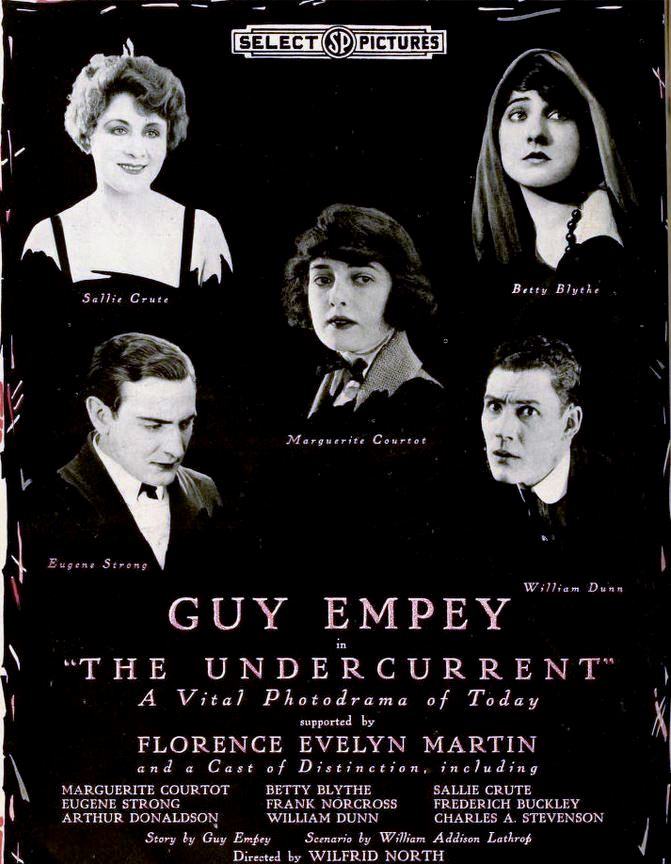
Betty Blythe’s cameo as the female agitator who ultimately turns on her comrades is a masterclass in silent‑era expression. Her eyes, wide with desperation, convey a tragic arc that culminates in a self‑inflicted gunshot, a stark reminder of the human cost of ideological extremism. Vera Boehm and Betty Hutchinson provide subtle layers of community texture, their brief appearances adding depth to the town’s social fabric.
While The Undercurrent stands apart, its thematic preoccupations echo those of Tramps and Traitors, where post‑war disillusionment fuels a narrative of betrayal and redemption. Moreover, the film’s visual language bears a faint kinship with the expressionist shadows of La perla del cinema, especially in scenes where the mill’s furnaces glow like infernal eyes, reflecting Jack’s internal turmoil.
Although a black‑and‑white production, the film’s promotional materials and later restorations employ a palette that the reviewer adopts here for emphasis. Dark orange (#C2410C) highlights moments of fiery conflict—particularly the arson subplot—while sea blue (#0E7490) underscores scenes of calm domesticity, such as Jack’s tender moments with his infant son. Yellow (#EAB308) punctuates moments of revelation, like the socialist’s persuasive speech advocating incremental reform.
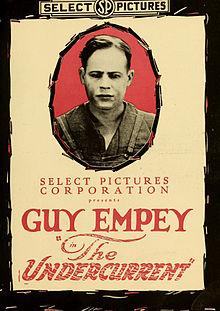
Original screenings would have featured a live piano score, likely interweaving martial motifs with somber blues to mirror Jack’s inner conflict. Modern restorations often pair the film with a period‑appropriate orchestral suite, enhancing the emotional gravity of the riot sequence without overwhelming the silent visual narrative.
Released at the height of the first Red Scare, The Undercurrent functioned as both cautionary tale and subtle propaganda, reinforcing the notion that loyalty to the nation supersedes class revolt. Its nuanced portrayal of agitators, however, prevents it from descending into outright vilification, a balance that historians note as progressive for its time.
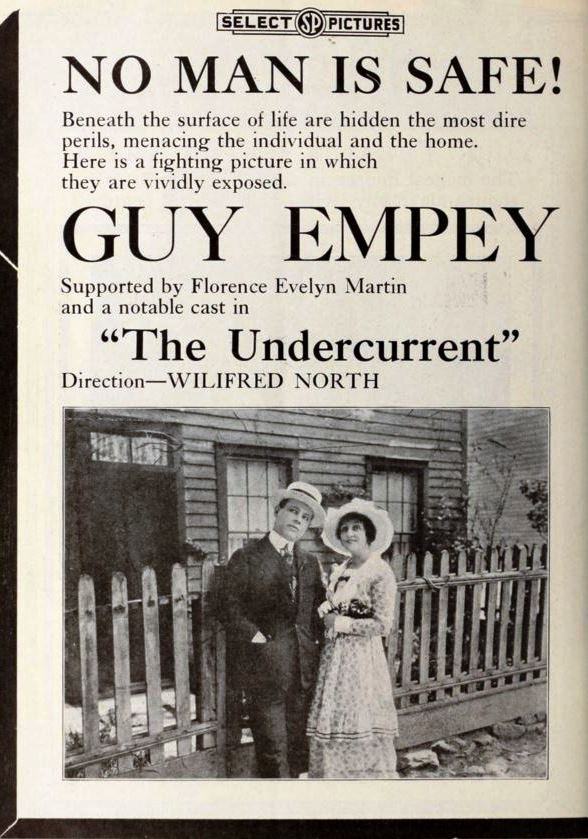
Contemporary reviews praised Donaldson’s understated heroism and Empey’s sharp dialogue, though some critics found the plot overly didactic. Modern scholars, revisiting the film through a socio‑political lens, commend its willingness to grapple with the complexities of post‑war American identity, positioning it alongside other era‑defining works like Volunteer Organist and The Debt of Honor.
The Undercurrent endures as a compelling study of personal integrity amid societal upheaval. Its blend of stark realism, moral ambiguity, and visual poetry renders it a timeless artifact, worthy of both scholarly analysis and casual viewing. Whether you are a silent‑film aficionado or a newcomer seeking insight into early 20th‑century American cinema, this film offers a resonant, thought‑provoking experience that still ripples beneath the surface of modern discourse.
IMDb 7
1935
Community
Log in to comment.