DbcultAccessing Vault...
Cult Review
Senior Film Conservator
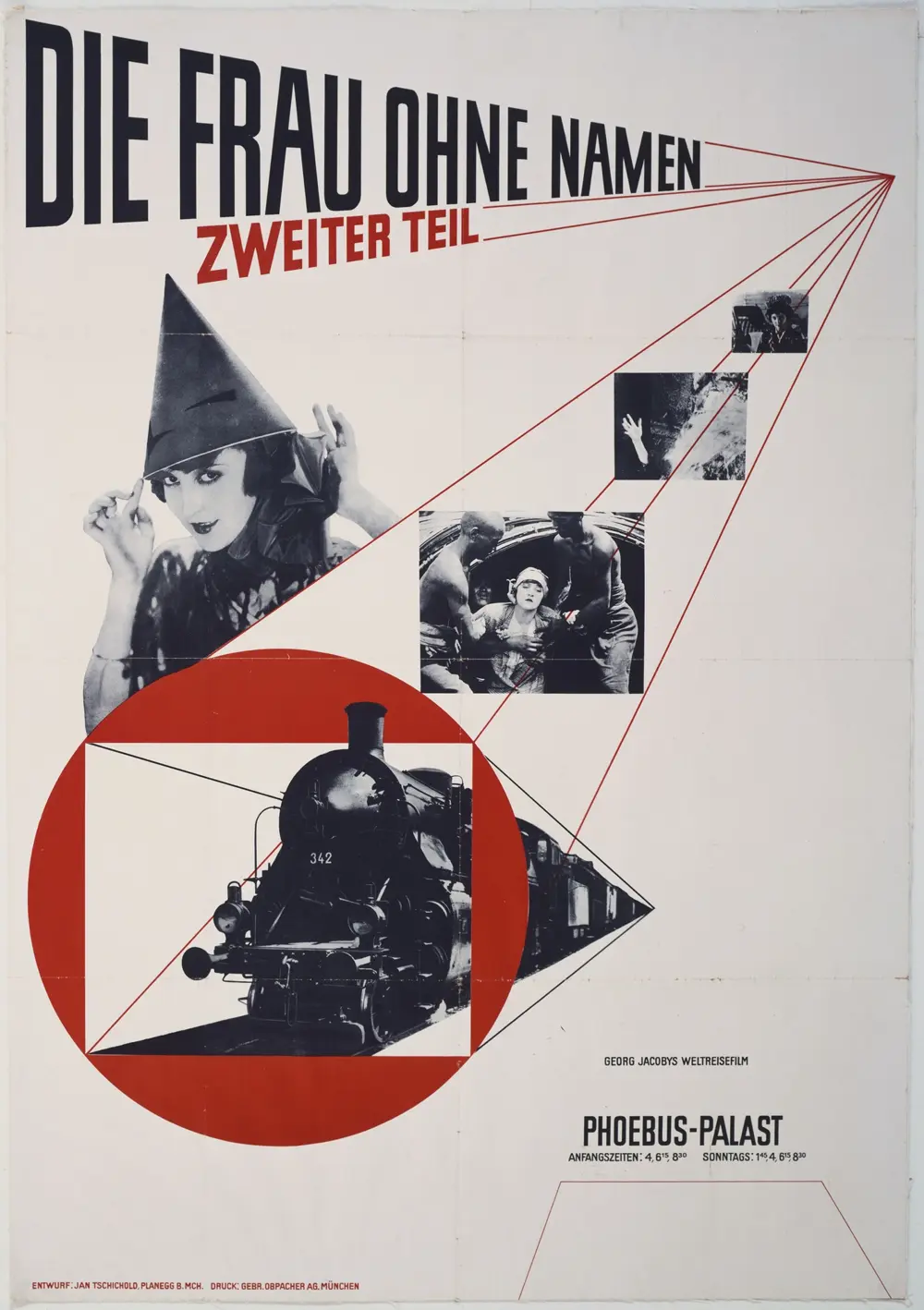
Is 'Die Frau ohne Namen - 2. Teil' a film worth unearthing from the annals of silent cinema today? Short answer: yes, but with significant caveats. This particular cinematic artifact offers a compelling, albeit often demanding, glimpse into the narrative ambitions and emotional landscapes of its era, making it a fascinating watch for dedicated film historians and silent film enthusiasts.
However, it is decidedly not for the casual viewer accustomed to modern pacing or readily accessible narrative structures. Its appeal is niche, rewarding those with patience and an appreciation for the historical context, while likely alienating those seeking instant gratification or polished contemporary storytelling.
Silent films, particularly those from the early 1920s like 'Die Frau ohne Namen - 2. Teil,' often present a unique challenge to modern audiences. The storytelling conventions, the acting styles, and the very rhythm of the narrative are fundamentally different from what we've become accustomed to. Yet, within this difference lies a profound opportunity for discovery, a chance to understand the foundational elements upon which all subsequent cinema has been built.
This film, as its title suggests, is the second part of a larger saga, focusing on a woman whose identity is shrouded in mystery. Such a premise was ripe for melodrama, intrigue, and emotional theatrics – staples of the era that captivated audiences. The narrative, even without specific plot details, can be inferred to lean heavily into themes of lost identity, societal judgment, and the desperate search for truth, all common threads in the fabric of early 20th-century storytelling.
The strength of a 'Part 2' often lies in its ability to deepen character motivations and escalate the stakes established in its predecessor. One can imagine the unnamed woman, perhaps played with striking intensity by Marietta Millner, navigating a world that refuses to grant her peace until her past is fully unveiled. This kind of character arc, while potentially clichéd by today's standards, was revolutionary in its time, giving agency (or the struggle for it) to female protagonists.
Acting in the silent era was a distinct art form, relying heavily on exaggerated facial expressions, grand gestures, and physical storytelling to convey emotion and plot points without dialogue. The ensemble cast, featuring names like Jack Trevor, Stewart Rome, and Paul Biensfeldt, would have been tasked with communicating complex internal states through purely visual means. This requires a different kind of appreciation from the audience.
For example, a moment of profound despair might be conveyed not just by tears, but by a full body slump, hands clasped dramatically, and a lingering shot on a contorted face. This isn't 'overacting' in the modern sense; it's a deliberate and necessary technique to bridge the gap of spoken language. When done well, it’s incredibly powerful. When done poorly, it can feel unintentionally comedic.
The performances, particularly from the lead, would have been central to the film's success. The audience had to connect with her plight, her confusion, and her determination through her eyes and her movements alone. A powerful scene might involve the unnamed woman, perhaps cornered by a menacing figure like Georg Baselt, conveying fear and defiance through a subtle shift in posture, a flicker of the eyes, before launching into a more expansive expression of resistance. It’s a delicate balance.
The director, working from a script by Hans Brennert, would have faced considerable technical limitations. Yet, it's within these constraints that true innovation often shines. Early cinema directors were pioneers, constantly experimenting with camera placement, editing, and lighting to enhance narrative and emotional impact. One might expect to see early uses of close-ups to emphasize emotional states, or perhaps dynamic cross-cutting during moments of suspense.
A notable example of early directorial prowess in films of this type often involves the use of deep focus or carefully staged scenes to convey social hierarchy or hidden threats. Imagine a scene where the unnamed woman stands small and vulnerable in a grand, opulent room, surrounded by figures like Georg Alexander and Jakob Tiedtke, whose imposing presence is amplified by strategic framing. This visual language speaks volumes without a single intertitle.
The pacing of 'Die Frau ohne Namen - 2. Teil' would likely feel deliberate, even slow, to a contemporary viewer. Silent films often allowed scenes to play out longer, giving the audience time to absorb the visual information and emotional beats. This slower rhythm is not a flaw, but a characteristic of the medium, demanding a different kind of engagement. It’s a meditative experience, allowing for contemplation rather than constant stimulation.
The cinematography of silent films, often overlooked in favor of performance, played a crucial role in establishing tone and atmosphere. German silent cinema, in particular, was known for its expressionistic tendencies, utilizing stark contrasts of light and shadow to create mood and psychological depth. While 'Die Frau ohne Namen - 2. Teil' might not be a full-blown Expressionist film like Aelita, the Queen of Mars, it likely employs similar techniques to underscore the protagonist’s emotional turmoil.
Consider how a director might use harsh, angular shadows to reflect the inner conflict or external dangers faced by the unnamed woman, or how soft, diffused lighting could signify moments of fleeting hope or vulnerability. A particular shot of a rain-swept street at night, illuminated by a single, flickering gas lamp, could powerfully convey her isolation and despair, a common visual motif of the era.
The overall tone would oscillate between high drama and poignant reflection, characteristic of the period's melodramatic bent. The film probably aims to evoke strong emotional responses – sympathy for the protagonist, anger at her oppressors, and suspense as her story unfolds. It’s a rollercoaster of sentiment, designed to keep audiences engaged through sheer emotional force.
This film works because it offers a vital window into the narrative techniques and emotional storytelling of early German cinema. It provides context for how stories were built and characters were developed before the advent of synchronized sound. The sheer ambition of its two-part structure speaks to a desire for epic storytelling, even with limited technical means.
This film fails because its pacing and acting conventions can be jarring for modern audiences, requiring a significant mental adjustment. Without a score (unless a new one has been composed), the silence can be deafening, and the visual storytelling occasionally less nuanced than what we're now accustomed to. The lack of dialogue also means that exposition often relies on intertitles, which can interrupt the flow of the visual narrative.
You should watch it if you are a film student, a historian, or a dedicated enthusiast of silent cinema eager to explore the foundations of narrative filmmaking. It's an academic exercise as much as an entertainment, offering rich material for analysis and appreciation of a bygone era.
One surprising observation about films like 'Die Frau ohne Namen - 2. Teil' is how effectively they could convey complex themes of identity and societal pressure without the crutch of dialogue. The visual metaphors, though sometimes broad, often carry a surprising depth, forcing the audience to actively interpret rather than passively receive. It's a more participatory form of viewing than we're used to.
I’d also argue that the sheer physical commitment of actors like Nien Soen Ling or Willi Schaeffers, even in supporting roles, often outshines the more subtle, 'realistic' performances praised today. They were athletes of emotion, and it’s a shame that style is often dismissed as primitive.
'Die Frau ohne Namen - 2. Teil' is not an easy watch, nor is it universally appealing. But it is an important one. It serves as a testament to the ingenuity and emotional depth of early cinema, demonstrating how compelling narratives could be crafted with a visual language alone. It works. But it’s flawed. Its value lies less in being a 'masterpiece' by today's standards and more in its role as a vital piece of cinematic archaeology, offering insights into the evolving art form. For those willing to adjust their viewing expectations and embrace its unique cadence, this film is a rewarding journey into a foundational chapter of film history. It demands respect for its historical context and offers a unique reward for those who grant it.
"To dismiss silent cinema as merely 'old' is to overlook the very blueprints of storytelling on screen. 'Die Frau ohne Namen - 2. Teil' reminds us of the power of unspoken emotion."
Its existence, even as a fragmented memory in film archives, speaks volumes about the enduring human desire for stories of identity, struggle, and the relentless pursuit of truth. It's a challenging watch, but one that enriches understanding of where cinema began, and how far it has come.
IMDb 5.5
1935
Community
Log in to comment.