DbcultAccessing Vault...
Cult Review
Senior Film Conservator
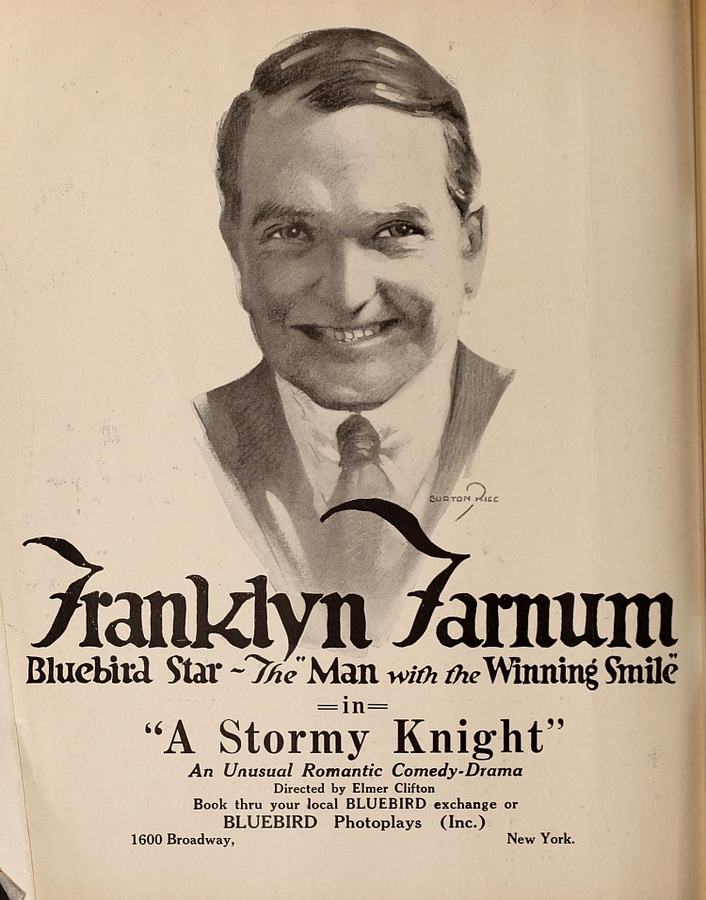
Step back in time, dear cinephiles, to an era where flickering shadows and grand gestures told tales of romance, intrigue, and sometimes, outright manipulation. Today, we're unearthing a fascinating artifact from 1918, a silent film titled A Stormy Knight. This isn't just another forgotten relic; it's a testament to the inventive, if sometimes convoluted, storytelling prevalent in early cinema. It’s a narrative that, even a century later, still manages to elicit a wry smile and a nod of appreciation for its sheer audacity.
At its core, A Stormy Knight presents itself as a classic mystery-romance, brimming with the tropes that captivated audiences of the time. We are introduced to John Winton, portrayed with a certain earnest charm by Hayward Mack. Winton is, by all accounts, a rising star in the business world, a man of ambition and considerable means. Crucially, he is also a staunch advocate of the single life, a bachelor content in his self-sufficient existence, seemingly immune to the matrimonial pressures that often plagued men of his standing in that era. This established resistance to marriage sets the stage beautifully for the elaborate machinations that are about to unfold, immediately signaling to the astute viewer that this particular wall of resolve is destined to be tested, if not utterly dismantled.
The film opens, as its title suggests, amidst a tumultuous storm. The lashing rain and howling winds provide a dramatic backdrop to Winton’s secluded cabin, a metaphor perhaps for the impending disruption to his tranquil, unattached life. It’s a classic cinematic device, setting an atmosphere of foreboding and excitement. Suddenly, his solitude is shattered by a desperate cry for help. At his door stands a soaking wet, undeniably pretty young woman – a vision of vulnerability and urgency. This is Agnes Vernon, embodying the archetypal 'damsel in distress' with a subtle undercurrent of something more. Her plea is simple yet potent: a man lies insensible in the nearby swamp, requiring immediate assistance. Winton, a man of integrity despite his marital reservations, cannot refuse such a call to aid. This initial encounter is a masterclass in silent film exposition, using visual cues and dramatic tension to propel the plot forward without a single spoken word.
The subsequent sequence, where Winton navigates the treacherous terrain to rescue the prone figure, and then carries him back to his bungalow, is imbued with a sense of heroic effort. The audience, much like Winton, is drawn into the immediate drama, accepting the premise at face value. However, the narrative takes a sharp, intriguing turn upon Winton's return from seeking a doctor. Both the mysterious woman and the rescued man have vanished without a trace. This abrupt disappearance elevates the story from a simple rescue mission to a full-blown enigma. It’s a narrative pivot that transforms Winton’s initial act of kindness into an obsessive quest, igniting his dormant curiosity. Left behind is the solitary clue: a single glove, lying innocently on his cabin floor. This seemingly innocuous object becomes the proverbial breadcrumb, leading Winton down a rabbit hole of perplexing encounters and deepening mystery.
What follows is a meticulously constructed series of events, each encounter further entangling Winton with the enigmatic girl. The film expertly plays on the audience's desire to understand, mirroring Winton's own escalating fascination. He finds himself drawn into a world where nothing is quite as it seems, where every interaction with the girl, every twist and turn, serves to deepen the romantic tension while simultaneously clouding the true nature of her involvement. It's a testament to the screenwriting prowess of Jack Cunningham and Waldemar Young that they manage to sustain this delicate balance of mystery and burgeoning affection, keeping the audience guessing without resorting to overt exposition.
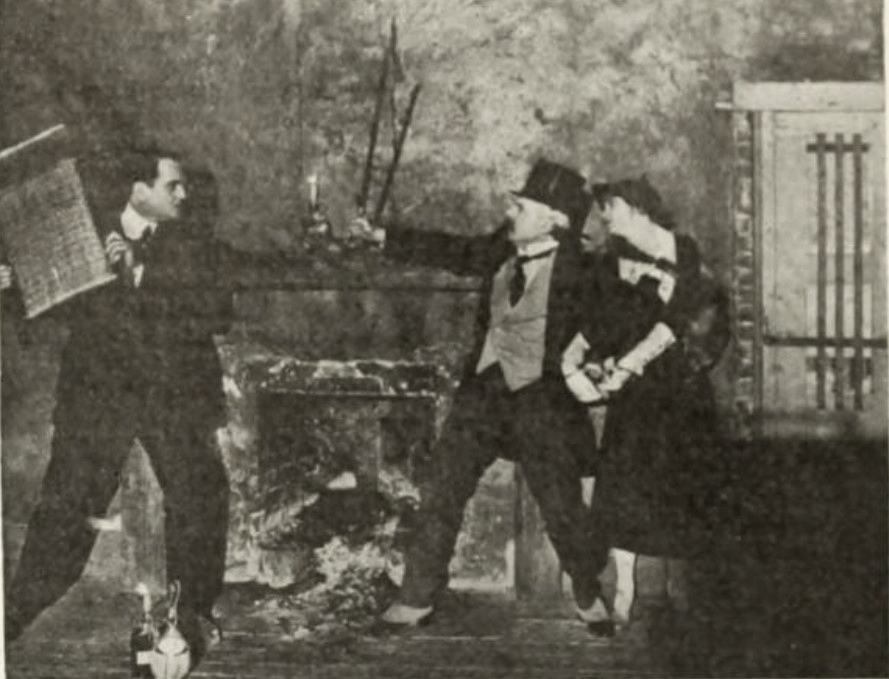
This manufactured intrigue culminates in Winton, utterly captivated by the woman's mysterious allure, marrying her. The sheer audacity of his decision, given his prior aversion to matrimony and his complete lack of knowledge about her true identity or background, underscores the potent power of the 'romance of mystery' that the film so expertly constructs. One might even draw parallels to the way manufactured scenarios sometimes play out in films like The Cowboy and the Lady, where characters are thrust into situations designed to spark an unlikely romance, though A Stormy Knight takes it to a more extreme, almost theatrical, level of deception.
The true genius, or perhaps the most shocking aspect, of A Stormy Knight lies in its ultimate revelation. The entire elaborate charade, from the stormy introduction to the perplexing disappearances and the eventual marriage, was a meticulously orchestrated scheme by Winton's own father. This paternal puppeteer, frustrated by his son's steadfast refusal to settle down, concocted this elaborate ruse, employing the 'romance of mystery' as a sophisticated, albeit manipulative, matchmaking tool. This twist transforms the film from a simple romantic mystery into a fascinating commentary on parental influence, societal expectations, and the lengths to which one might go to ensure a desired outcome for their offspring.
The father's character, though not heavily featured, becomes the unseen architect of the entire plot, a figure whose motivations, though perhaps misguided, stem from a place of concern for his son's future. This kind of elaborate, almost theatrical, deception for a 'greater good' can be seen in other films that explore complex schemes, though often for more nefarious purposes, like those found in The New Adventures of J. Rufus Wallingford, albeit with a comedic and less criminal intent here. It raises questions about consent, the ethics of manipulation, and whether a marriage born of such an elaborate fabrication can truly thrive. It’s a bold narrative choice that, for its time, must have been quite a talking point.
Hayward Mack, as John Winton, carries the emotional weight of the film with commendable skill. His transformation from a resolute bachelor to a man utterly ensnared by circumstance and affection is convincing. He portrays Winton's mounting confusion and burgeoning love primarily through facial expressions and body language, a hallmark of effective silent acting. Agnes Vernon, as the mysterious girl, is equally adept at conveying a sense of allure and hidden depths. Her performance requires a delicate balance – she must appear vulnerable and captivating, yet also capable of executing a complex, pre-arranged role. The success of the film hinges on her ability to maintain this ambiguity until the final reveal, and she delivers. While Franklyn Farnum and Frank MacQuarrie play supporting roles, it’s the dynamic between Mack and Vernon that truly drives the narrative.
The direction, likely by a lesser-known hand given the focus on writers, effectively utilizes the visual storytelling techniques of the era. The stormy night is well-realized, creating a tangible atmosphere. The pacing, while perhaps slower by modern standards, allows for the gradual build-up of suspense and romance. The film's strength lies in its ability to communicate complex emotions and plot points without dialogue, relying on intertitles and the expressive performances of its cast. This attention to visual detail and emotional conveyance is what makes silent films like A Stormy Knight more than just historical curiosities; they are masterclasses in a unique form of cinematic art.
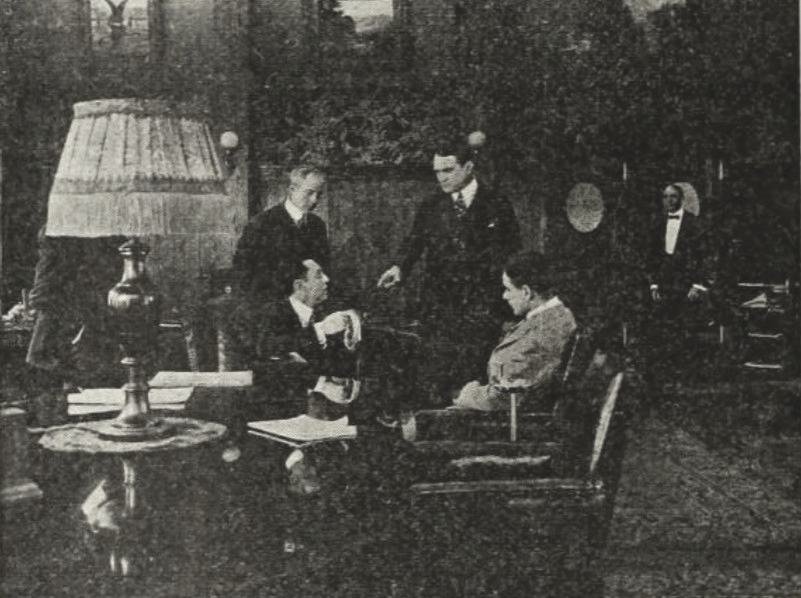
Beyond the surface-level mystery, A Stormy Knight delves into several intriguing themes. The most prominent is, of course, deception in the name of love or, more accurately, in the name of marriage. The father’s scheme, while perhaps well-intentioned from his perspective, raises ethical questions about manipulating another's free will. Is a relationship built on such an elaborate lie truly sustainable? The film, by concluding with the revelation, leaves this question hanging, inviting the audience to ponder the implications of such a beginning. This theme of marital expectation and societal pressure on bachelors to settle down was a common thread in early 20th-century narratives, often explored in a more straightforward manner than this film's convoluted approach.
The film also touches upon the power of curiosity and intrigue as catalysts for emotional engagement. Winton's initial resistance to marriage crumbles not under direct romantic pursuit, but under the irresistible pull of an unsolved mystery. The girl's enigmatic nature is her most potent weapon, demonstrating how the unknown can be more alluring than the familiar. This psychological aspect adds a layer of sophistication to what might otherwise be a straightforward romantic comedy or drama.
Consider how films like Price of Treachery; Or, The Lighthouse Keeper's Daughter might have presented a damsel in distress, often in a more straightforward, less manipulative context. A Stormy Knight subverts this by making the damsel's distress a calculated part of a larger, hidden agenda. Similarly, themes of familial influence and the pursuit of a 'suitable' match were explored in different ways in films like Between Men, often highlighting the tensions between duty and personal desire. Here, the father's 'duty' to his son's marital future takes an almost comically extreme turn.
In conclusion, A Stormy Knight is far more than a simple silent film. It's a charming, if slightly outlandish, exploration of love, deception, and the lengths to which a well-meaning (or perhaps meddling) parent might go. Its narrative inventiveness, even with its century-old production, still resonates, offering a unique perspective on human relationships and the art of persuasion. The film’s final twist ensures it remains memorable, prompting viewers to reconsider everything that came before. It’s a delightful reminder of the creative spirit of early cinema, where filmmakers were constantly experimenting with narrative structures and character motivations to captivate their audiences.
For those who appreciate the quirks and cleverness of the silent era, A Stormy Knight offers a fascinating glimpse into a particular brand of romantic intrigue. It’s a film that asks us to suspend our disbelief, embrace the theatricality of its premise, and ultimately, to ponder whether true love can indeed blossom from such an elaborately planted seed of mystery. It might not be a grand epic, but it’s a smart, engaging piece of cinematic history that deserves a modern re-evaluation, if only to appreciate its audacious narrative design. It reminds us that even in the earliest days of film, storytellers were not afraid to play with audience expectations, delivering twists that still pack a punch today.
IMDb —
1919
Community
Log in to comment.