DbcultAccessing Vault...
5.5/10
Senior Film Conservator
A definitive 5.5/10 rating for a film that redefined the boundaries of cult cinema. A Straight Crook remains a cornerstone of transgressive art.
Hal Roach’s A Straight Crook is a cinematic tightrope walk between farce and moral fable, a 1926 gem that gleams with the sharp edge of social critique. The film’s protagonist, a man whose dignity is sanded down by financial ruin, becomes a bellboy in a scenario ripe with existential irony. This descent into menial labor is not merely a narrative contrivance but a profound commentary on the American ethos of the era—a world where status is as fleeting as a flickering film reel.
The narrative’s opening act is a masterstroke of theatrical economy. The protagonist’s inability to pay his bill—a modern-day Oedipus complex of financial hubris—propels him into the underbelly of service work. Here, the bellboy’s role becomes a metaphor for societal erasure, a stripping of identity that sets the stage for the film’s central deception. Roach’s script, with its sardonic dialogue and abrupt tonal shifts, mirrors the chaos of a society where morality is bartered for survival. The fake jewel theft, initially a farcical ploy, evolves into a macabre game of Russian roulette with fate itself.
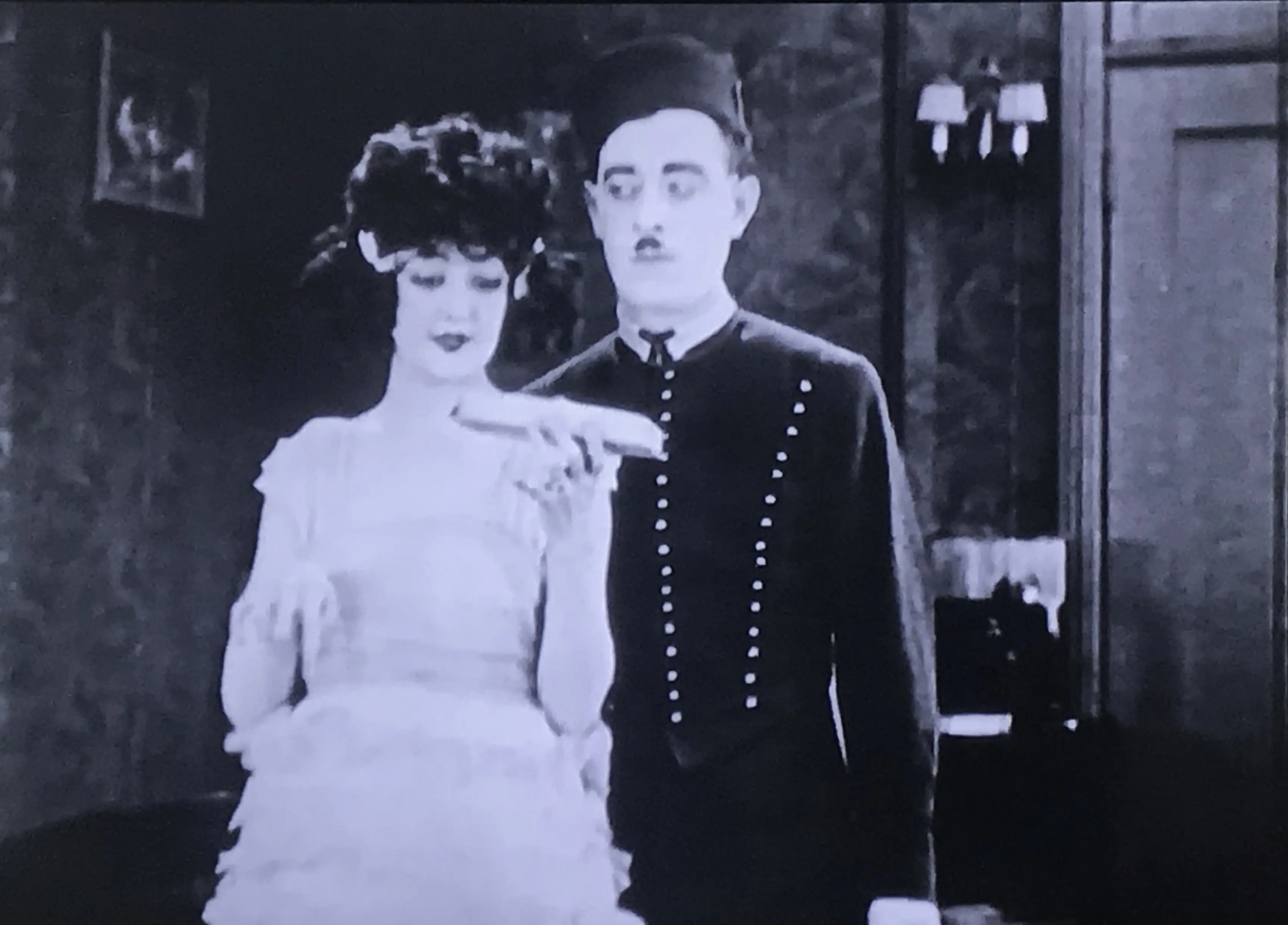
Chris Lynton’s performance as the bellboy is a tour de force of understated anguish. His physical comedy—slumped shoulders, averted glances—speaks volumes about a man trapped in a gilded cage of his own making. Fanny Perry’s character, meanwhile, embodies the film’s duality: a siren in a world of phantoms, her every gesture a blend of allure and menace. The supporting cast, including the enigmatic Betty Atwood and Gaylord Lloyd’s gruff authority, creates a constellation of archetypes that orbit the central tragedy like planets in a cosmic dance.
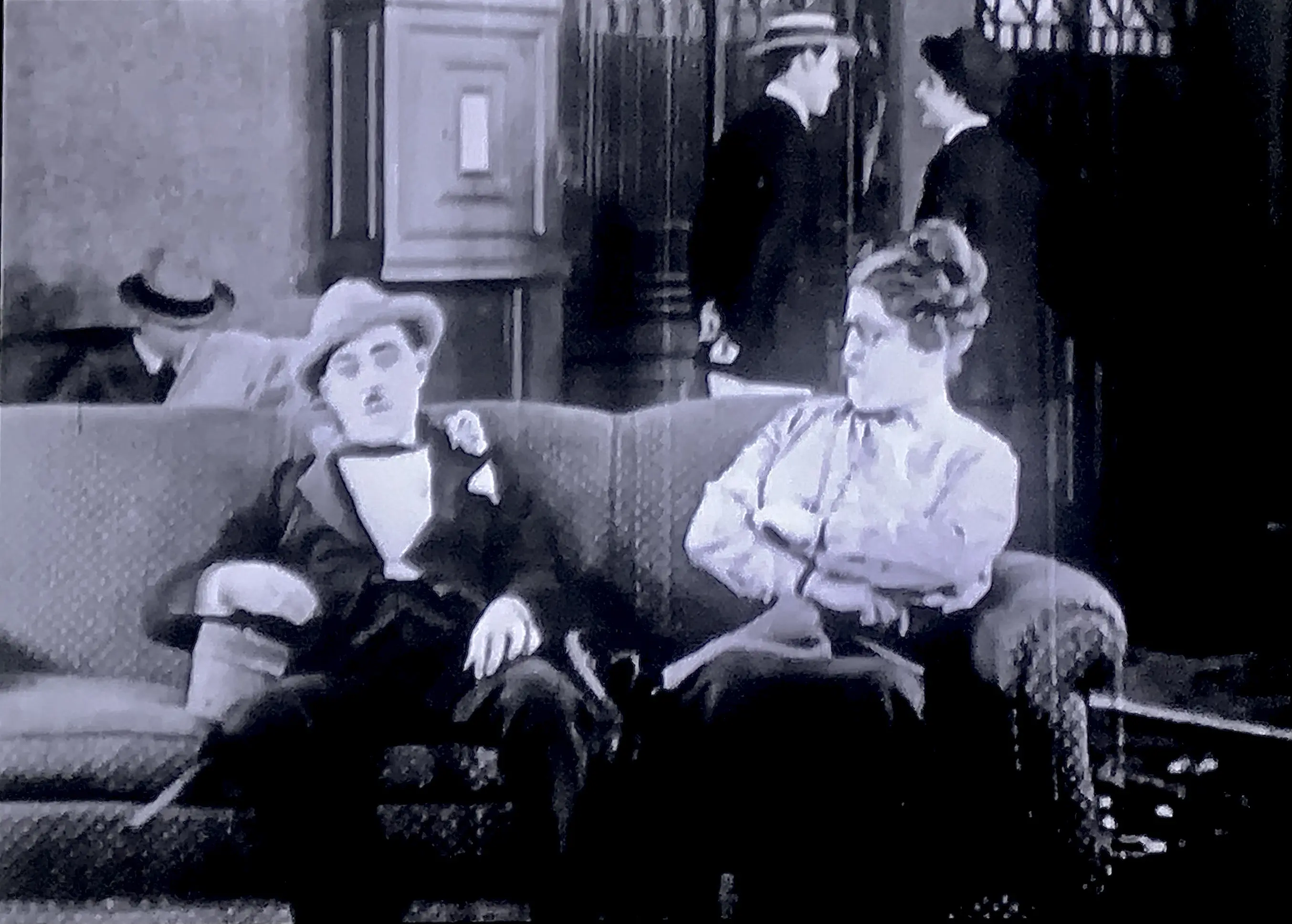
A Straight Crook thrives on the tension between control and chaos. The fake theft, a device that could have been dismissed as mere plot contrivance, becomes a mirror for the characters’ crumbling facades. Roach’s direction here is nothing short of audacious; the heist scenes are choreographed with the precision of a military drill, yet they spiral into absurdity as each character’s flaws are laid bare. This duality echoes the themes in Human Collateral, where societal structures are similarly deconstructed through cinematic alchemy.
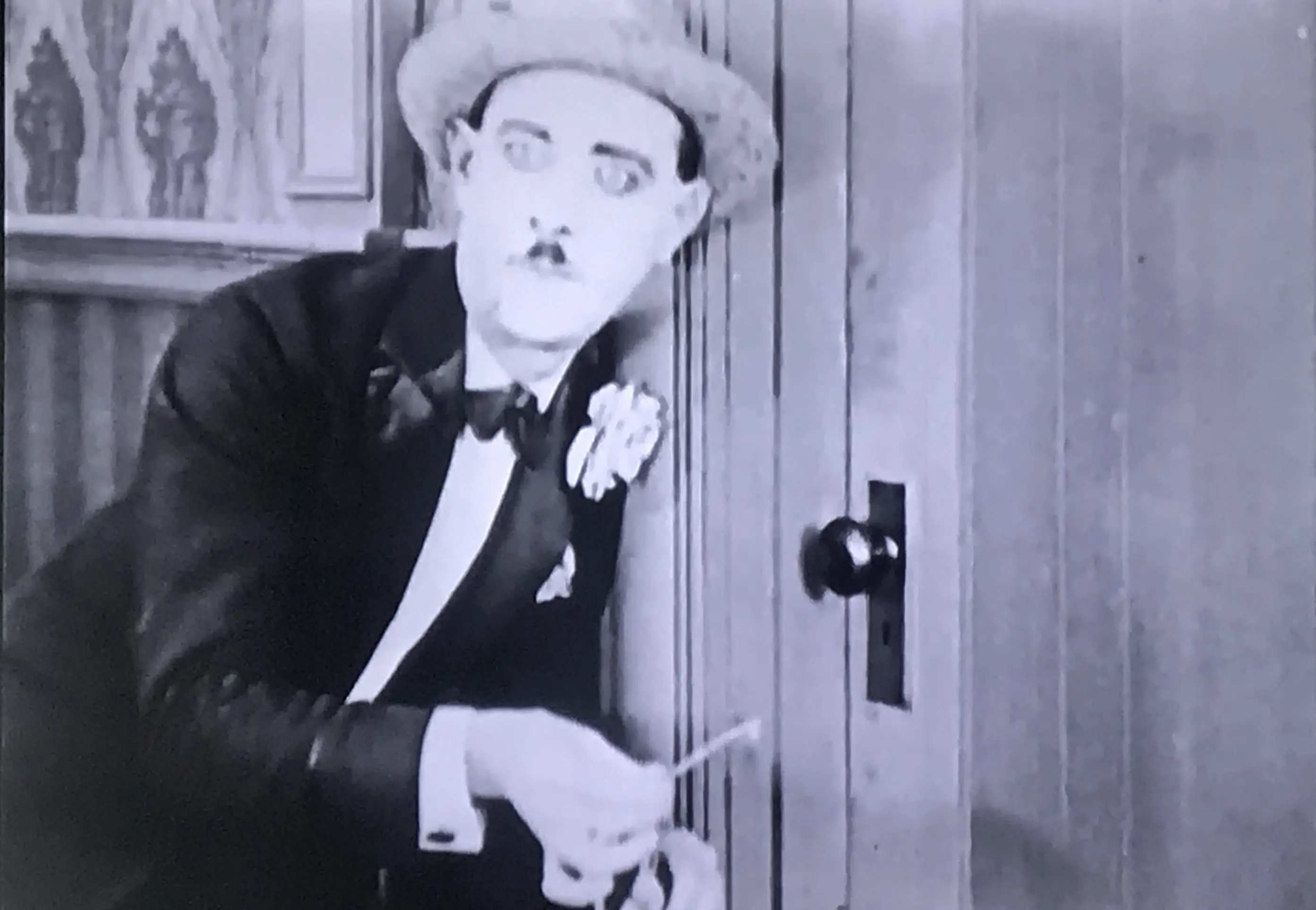
The film’s visual language is a silent character in its own right. The opulent settings—the hotel’s grandeur, the jewel’s gilded allure—contrast sharply with the characters’ inner desolation. Roach’s use of chiaroscuro lighting, particularly in scenes involving the bellboy’s internal conflict, evokes the chiaroscuro of German Expressionism, yet here it serves a more psychological purpose. The camera, often lingering on empty spaces, underscores the characters’ isolation in a world that no longer accommodates their ambitions.
While A Straight Crook stands apart for its tonal complexity, it shares thematic DNA with El grito de Dolores o La independencia de México, though the latter’s political fervor contrasts with Roach’s sardonic wit. Similarly, A Coo-ee from Home explores displacement, but with a more pastoral melancholy. Roach’s film, however, is uniquely anchored in the urban decay of the interwar period, a time when the American Dream was a house of cards waiting to collapse.
Roach’s influence on American cinema is indelible, and A Straight Crook is a testament to his storytelling prowess. The film’s blend of genre elements—crime, comedy, drama—is a precursor to the auteur-driven narratives of the New Hollywood era. Yet, it remains rooted in the silent film tradition, with its reliance on visual metaphors and minimal dialogue. This duality makes it a bridge between eras, a film that is both of its time and timeless.
A Straight Crook is more than a relic of the 1920s; it is a mirror reflecting the eternal struggle between aspiration and reality. In an age where economic precarity is once again a global concern, Roach’s film resonates with uncanny prescience. Its characters, trapped in a cycle of deception and self-justification, serve as cautionary tales for the modern viewer. The film’s final act, a crescendo of absurdist chaos, is a fitting culmination of its themes—a reminder that in the grand theater of life, we are all both performers and spectators.

IMDb —
1926
Community
Log in to comment.