DbcultAccessing Vault...
Cult Review
Senior Film Conservator
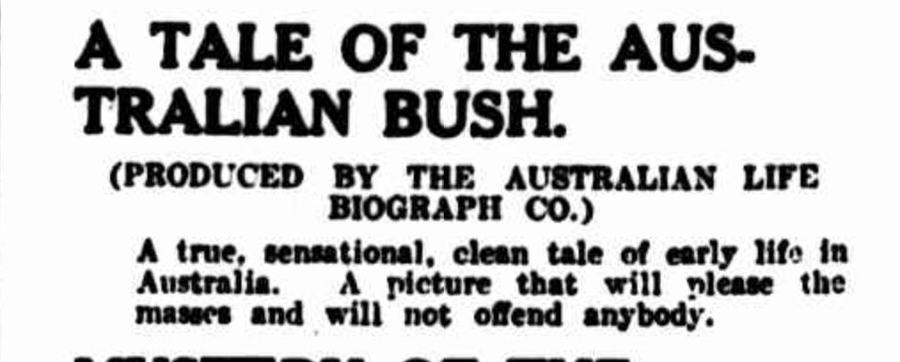
In the nascent years of the twentieth century, the Australian cinematic landscape was gripped by a peculiar, almost feverish obsession with its own outlaw history. A Tale of the Australian Bush (1911), directed by the prolific Gaston Mervale and penned by P.W. Marony, stands as a quintessential artifact of this era. While often overshadowed by the pioneering success of The Story of the Kelly Gang, this 1911 production offers a more nuanced, perhaps even more melancholic, exploration of the bushranger archetype through the figure of Ben Hall.
To watch this film today is to engage with a piece of visual archeology. The grains of the film stock, scarred by time, mirror the rugged, abrasive terrain of the New South Wales bush. The narrative doesn't merely start; it erupts from the soil. We are introduced to Ben Hall not as a born criminal, but as a man whose life is slowly dismantled by the systemic failures of colonial governance. The film's brilliance—and its controversy at the time—lies in its refusal to paint Hall in the monochromatic shades of a villain. Instead, it leans into the socio-political zeitgeist that saw these men as folk heroes, or at the very least, as tragic victims of an uncompromising legal system.
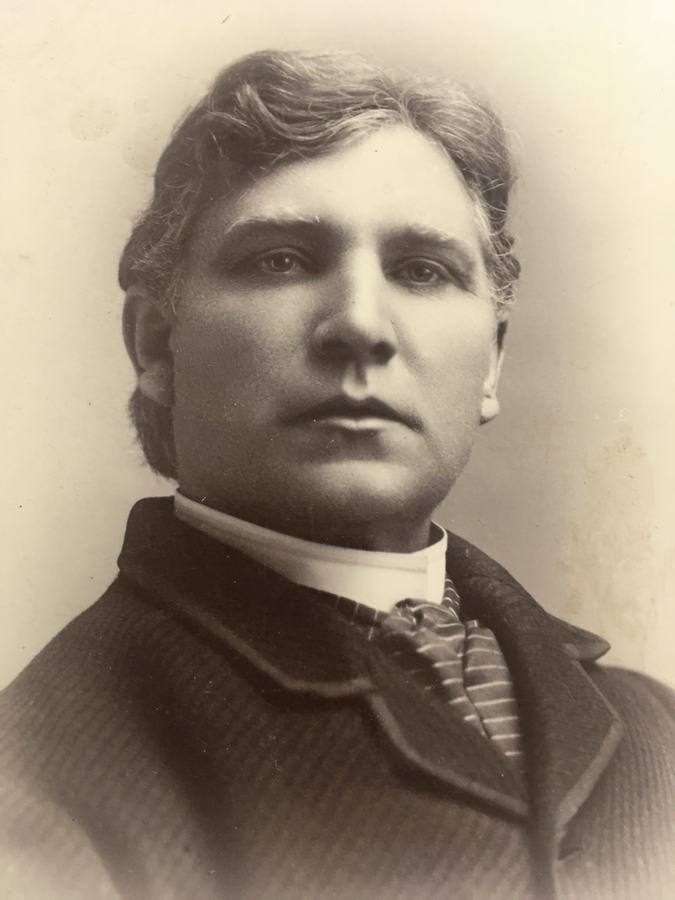
The casting of A.J. Patrick as Ben Hall was a masterstroke of early silent-era direction. Patrick possesses a physical gravity that anchors the film’s more melodramatic moments. His performance is one of restraint; he navigates the screen with a heavy-lidded weariness that suggests a man who knows his end is written in the very dust he treads. Beside him, Godfrey Cass and Harry Beaumont provide a supporting framework that fleshes out the gang’s camaraderie, a vital component that distinguishes this work from the more singular focus of Robbery Under Arms.
James Martin’s presence further elevates the ensemble, creating a sense of a lived-in community within the wilderness. The interactions between the gang members are captured with a surprising degree of intimacy for 1911. Mervale utilizes wide shots not just to showcase the scale of the environment, but to emphasize the isolation of these men. They are frequently framed against the vast, empty horizon, a visual metaphor for their status as outcasts who have no place in the burgeoning 'civilized' society of the towns. This thematic depth is a significant leap forward from earlier, more episodic works like The Bushranger's Bride, which often prioritized romance over the gritty reality of survival.
Technically, A Tale of the Australian Bush is a fascinating study in the evolution of cinematic syntax. While the camera remains largely static—a hallmark of the period—the blocking of the actors within the frame is remarkably sophisticated. Marony and Mervale understand the power of the deep focus, allowing action to unfold in multiple planes. A police patrol might be visible in the far distance, while Hall and his associates plan their next move in the foreground. This creates a constant sense of tension, a feeling of being hunted that permeates every scene.
When compared to the more theatrical staging of Frank Gardiner, the King of the Road, Mervale’s work feels more 'cinematic' in the modern sense. There is a raw, documentary-like quality to the location shooting. The dust is real, the horses are lathered in actual sweat, and the sunlight has that harsh, bleaching quality unique to the southern hemisphere. The film eschews the painted backdrops of the studio for the authentic textures of the bush, a choice that lends the narrative an undeniable weight. It’s an approach that would later be echoed in Attack on the Gold Escort, where the environment itself becomes an antagonist.
The climax of the film—the betrayal of Ben Hall by those he trusted—is handled with a surprising amount of pathos. In the world of the bushranger film, death is rarely a surprise, yet Mervale manages to make Hall's end feel like a profound loss. The sequence of his final stand is a precursor to the 'heroic bloodshed' genre. It is messy, chaotic, and devoid of the sanitized glory often found in contemporary Westerns. The sheer volume of lead pumped into Hall’s body (historical accounts suggest over thirty bullets) is translated onto the screen with a visceral intensity that must have been shocking to 1911 audiences.
This brutality serves a dual purpose. It satisfies the audience’s thirst for action while simultaneously critiquing the overkill of the law. The image of Hall’s broken body becomes a powerful symbol of the end of an era. As the smoke clears, the film leaves us with a sense of profound emptiness. The bush remains, indifferent and eternal, while the men who tried to master it—either through law or through rebellion—are swallowed by the earth. This existential undercurrent is what elevates A Tale of the Australian Bush above its more simplistic peers like Dan Morgan.
It is impossible to discuss this film without acknowledging the shadow of censorship that loomed over its release. The New South Wales government, fearing that such films would incite a new generation of outlaws, eventually banned bushranger films entirely. This makes A Tale of the Australian Bush a survivor of a suppressed genre. It represents a moment in time when Australian cinema was arguably the most vibrant and daring in the world, predating the Hollywood hegemony.
The legacy of Marony’s script can be felt in the decades of Australian 'New Wave' cinema that followed. The themes of isolation, the struggle against a harsh land, and the suspicion of authority are the DNA of the nation's storytelling. When we look back at The Squatter's Daughter or even later adaptations of the Kelly saga, we see the echoes of the visual language established here. Mervale and Marony didn't just tell a story; they helped build a national mythology.
In the grand tapestry of global film history, A Tale of the Australian Bush is a vital thread. It reminds us that cinema, even in its infancy, was capable of complex moral inquiry. It captures a specific Australian identity—one that is rugged, defiant, and deeply skeptical of the 'civilized' world. While modern viewers might find the pacing deliberate or the lack of synchronized sound a barrier, those who lean in will find a work of startling power.
The film’s endurance is a testament to the universal appeal of the outlaw narrative. Whether it's the samurai of Japan, the cowboys of the American West, or the bushrangers of the Australian outback, there is something intrinsically human about the individual who stands against the tide of progress. Ben Hall, as portrayed by A.J. Patrick, is the quintessential figure of this resistance. He is a ghost from a past that refuses to be forgotten, haunting the frames of this 1911 masterpiece with a quiet, dignified fury.
Ultimately, this is more than just a 'tale'; it is a visual poem dedicated to the harsh beauty of the Australian landscape and the flawed, desperate men who called it home. As we preserve these flickering images, we preserve the soul of a nation's early creative impulses. P.W. Marony and his team achieved something remarkable: they captured the lightning of a legend and bottled it in silver nitrate for all eternity.
IMDb 4.6
1936
Community
Log in to comment.