DbcultAccessing Vault...
6.3/10
Senior Film Conservator
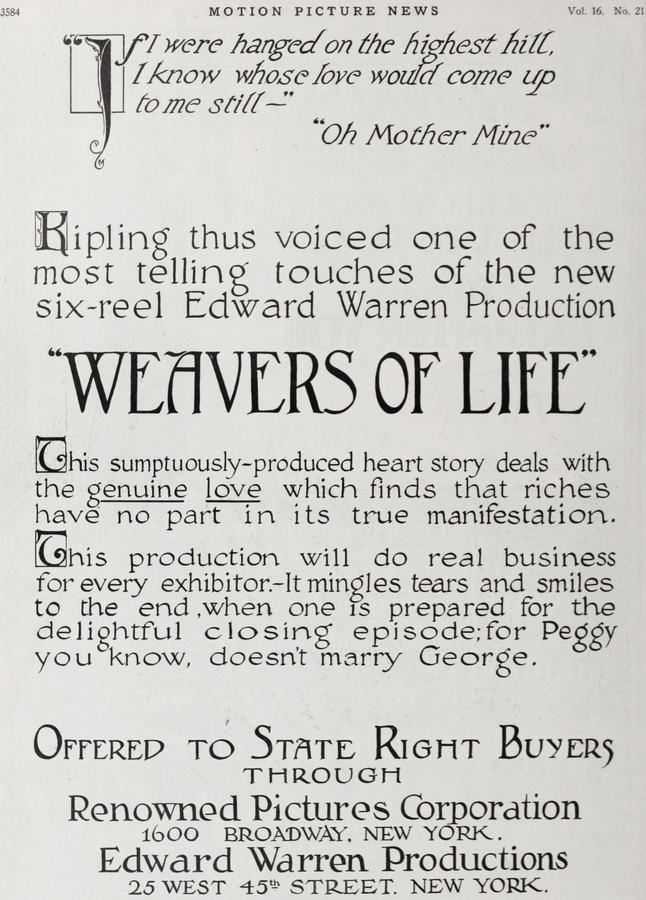
A definitive 6.3/10 rating for a film that redefined the boundaries of cult cinema. The Weavers of Life remains a cornerstone of transgressive art.
Stepping back into the flickering shadows of early cinema, one occasionally unearths a narrative that, despite its vintage, resonates with an astonishing contemporary relevance. Such is the case with 'The Weavers of Life' (1917), a film that, even in its silent eloquence, speaks volumes about the enduring human preoccupations with social standing, genuine affection, and the masquerade of identity. This cinematic artifact, penned by the collaborative talents of John B. Clymer and Harry O. Hoyt, offers a compelling glimpse into a society grappling with rigid class structures, where a chance encounter can either forge an unbreakable bond or expose the fragile artifice of aspiration.
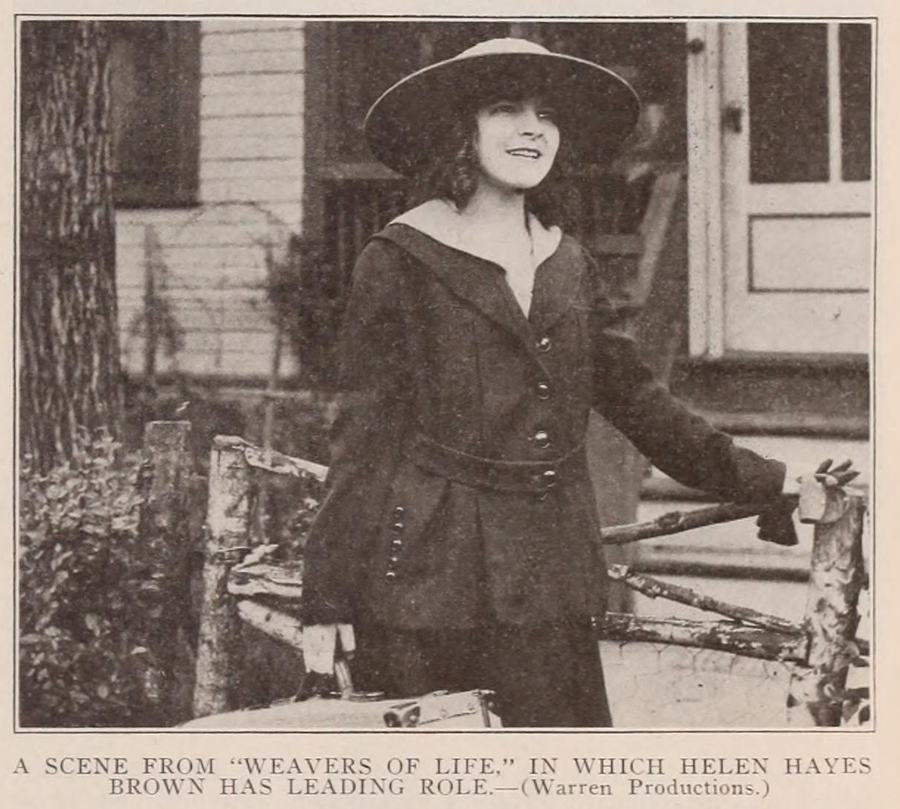
At its core, 'The Weavers of Life' presents a variation on the timeless Cinderella archetype, albeit one steeped in a distinctly American pragmatism rather than pure fairytale fantasy. Peggy, portrayed with an understated grace by an early-career Helen Hayes, is not merely a damsel in distress awaiting rescue. She is a working woman, a department-store salesgirl, whose discovery of a discarded costume and an invitation to a masquerade ball at the home of the formidable Austin Pratt (Kenneth Hunter) is less a magical intervention and more a fortuitous accident. This initial premise immediately sets the stage for a narrative concerned with agency and opportunity, rather than pure passive destiny. Her decision to attend, to step into a role not her own, speaks to a quiet ambition, a yearning for an existence beyond the mundane. One might draw a parallel to Miss Petticoats, another film of the era exploring similar themes of social ascent, though 'The Weavers of Life' delves deeper into the psychological ramifications of such an endeavor.
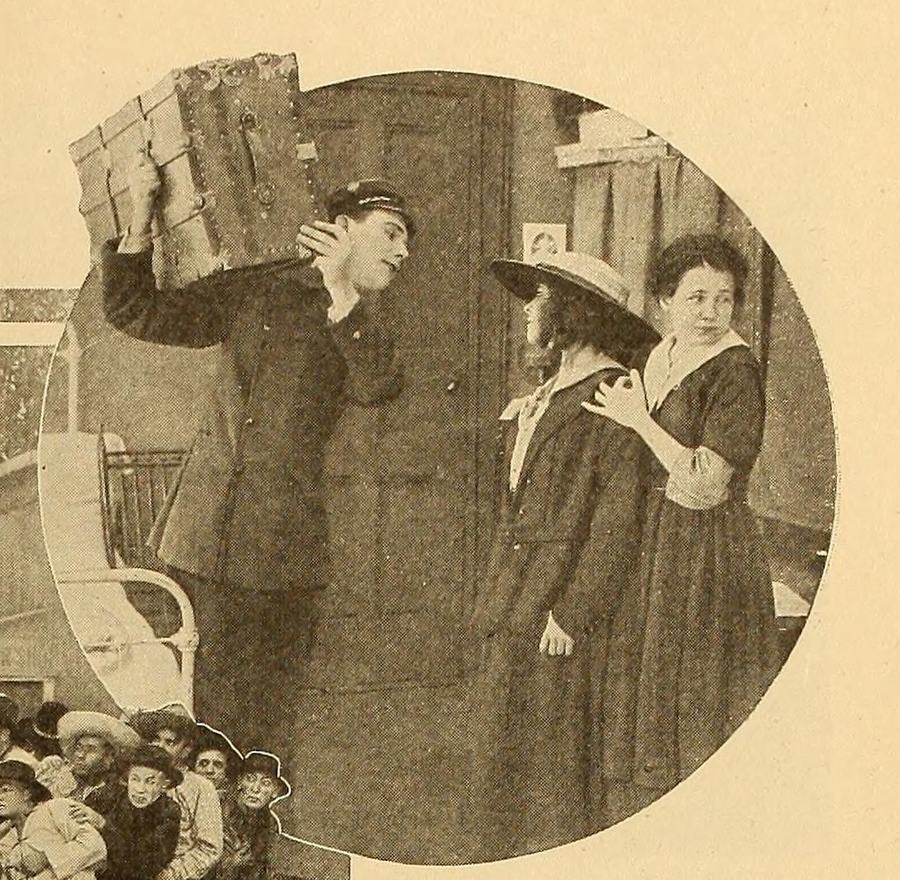
The masquerade itself is a brilliant narrative device, a liminal space where identities are fluid, and social barriers temporarily dissolve. It allows Peggy to meet George Pratt (Harry Hadfield), the scion of the wealthy family, on ostensibly equal footing. Hadfield, with his earnest demeanor, convincingly portrays George's immediate infatuation, a love-at-first-sight scenario that, while common in silent cinema, feels genuinely driven by Peggy's charm and mystique. The film masterfully uses the visual language of the era to convey this burgeoning romance, relying on close-ups and subtle gestures to communicate emotions that would later be articulated through dialogue. The chemistry, though wordless, is palpable, a testament to the performers' abilities to convey complex feelings through expression alone. This kind of immediate, almost fated connection echoes the passionate intensity often seen in melodramas like Bespridannitsa, where societal constraints clash with powerful personal desires.
The narrative truly gains its traction, however, not in the initial sparks of romance, but in the subsequent intervention of Austin Pratt. Hunter's portrayal of the patriarch is less a villain and more a man of his time, deeply entrenched in the societal expectations of his class. His suggestion that Peggy live with the family for two months is a pragmatic, almost clinical, attempt to test the mettle of their love and, more importantly, Peggy's suitability for their world. This period of cohabitation becomes the film's central dramatic engine, a social experiment designed to expose any fundamental incompatibilities. It’s a fascinating exploration of how external pressures can shape, or indeed shatter, a nascent relationship. This concept of testing one's true character under duress, often with societal expectations as the antagonist, is a recurring motif in early cinema, seen in films like The Reckoning or even the stark choices presented in The Vow.
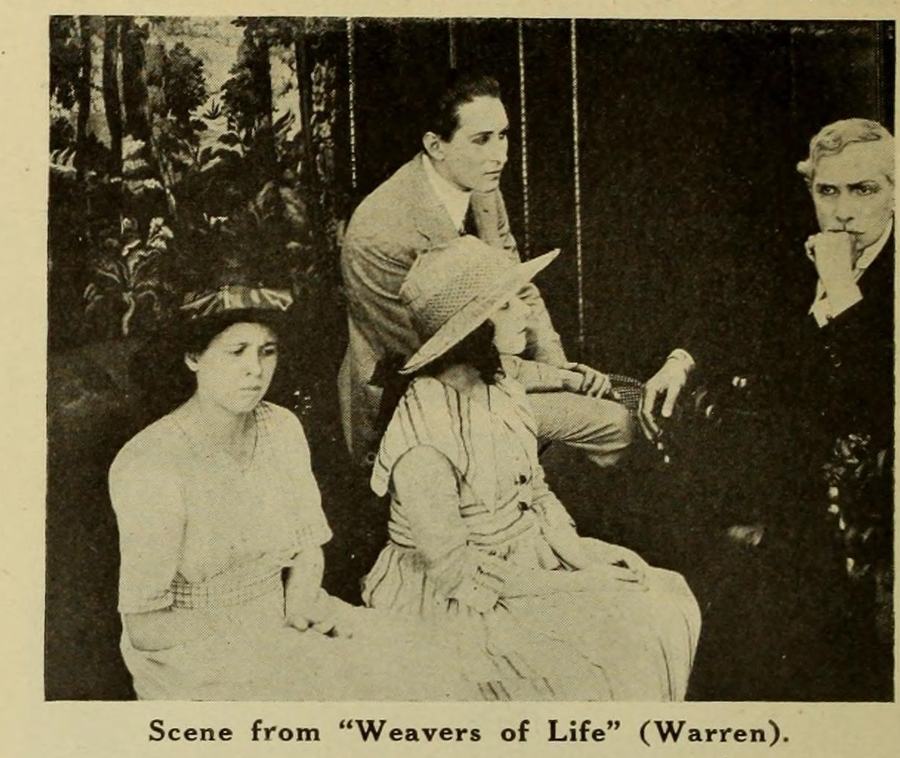
During this period, Peggy is forced to navigate the intricate social codes and unspoken rules of the upper crust. She is under constant scrutiny, her every action, her every word, weighed against the invisible standards of the Pratt family. This segment of the film is rich with observational detail, subtly highlighting the vast chasm between Peggy's humble origins and the Pratts' opulent lifestyle. The performance of Helen Hayes here is particularly noteworthy; she conveys Peggy's inner struggle with remarkable subtlety – her desire to belong, her fear of being exposed, and her unwavering dignity. It’s a nuanced portrayal that elevates the film beyond simple melodrama, imbuing Peggy with a complex interiority that resonates even without spoken dialogue. The supporting cast, including Edna Hibbard, Barney Gilmore, and Dorothy Benham, contribute to the tapestry of the Pratt household, each embodying various facets of privilege and expectation.
Just as Peggy begins to acclimate, or perhaps even question, her place within this new world, the past intrudes in the form of Hall (Earl Schenck), her former boyfriend. Hall represents a different kind of challenge, not of class, but of personal growth and redemption. Peggy had broken off their engagement due to his perceived laziness, a decision that speaks volumes about her own industriousness and high standards. Schenck's portrayal of Hall's return is handled with a delicate balance; he is not a villain, but a man who has 'seen the light,' reformed and ready to reclaim what he believes is his. His discovery of Peggy living with the Pratts ignites a series of complications that are both humorous and genuinely dramatic. The ensuing love triangle, or perhaps more accurately, the love square (considering Austin Pratt's influence), propels the narrative towards its climax, forcing Peggy to confront not just her present affections but also her past loyalties and her vision for the future.
The writers, Clymer and Hoyt, demonstrate a keen understanding of human psychology in crafting these interwoven relationships. The conflict isn't merely external; it's deeply internal for Peggy. Does she choose the security and prestige offered by George, a love born of a masquerade and tested by scrutiny? Or does she return to Hall, a love from her own station, now seemingly matured and worthy? This dilemma is the true heart of the film, exploring the choices women faced in an era of shifting social norms. The complexities presented here are reminiscent of the intricate relationship dynamics explored in Fifty-Fifty, where characters are often caught between conflicting desires and loyalties, making their choices resonate with a profound sense of consequence.
The strength of 'The Weavers of Life' lies significantly in its performances. Helen Hayes, even in her early career, displays the remarkable stage presence and emotional depth that would define her legendary career. Her ability to convey Peggy's journey from a hopeful salesgirl to a woman caught between worlds is extraordinary. She uses her eyes, her posture, and subtle facial expressions to communicate volumes, making the audience feel every pang of doubt, every flicker of hope. Harry Hadfield, as George, effectively portrays the earnest, somewhat naive romantic lead, his devotion unwavering despite his father's machinations. Kenneth Hunter's Austin Pratt is a standout, embodying the stern, patriarchal figure without descending into caricature. His concern for his son's future feels genuine, even if his methods are somewhat draconian. Earl Schenck's Hall completes the central trio, providing a grounded, familiar counterpoint to the glamour of the Pratt world. The ensemble, including Beatrice Allen, Gladys Alexandria, and Isabel West, contributes to a rich and believable world, each playing their part in the societal fabric that traps and liberates the protagonists.
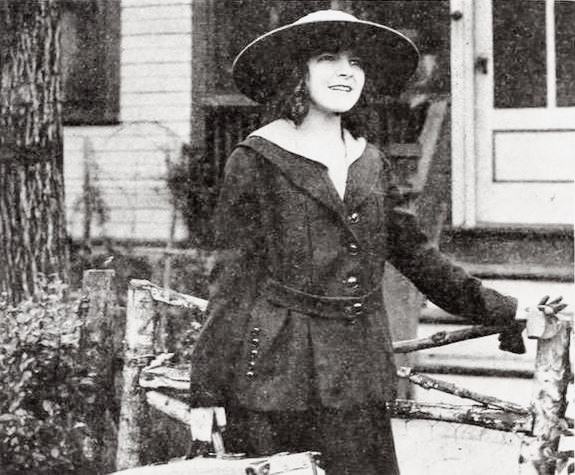
The direction, though uncredited in many records, effectively utilizes the visual storytelling techniques prevalent in 1917. The use of intertitles is judicious, providing necessary exposition without overwhelming the visual narrative. The cinematography, while perhaps not groundbreaking, is competent and serves the story well, capturing the contrast between Peggy's humble beginnings and the grandeur of the Pratt estate. The film's pacing is deliberate, allowing the emotional arcs of the characters to unfold naturally, building tension and anticipation. In an era where films like The Lure of New York explored the vivid chaos of urban life, 'The Weavers of Life' offers a more contained, character-driven drama, focusing on the internal lives of its players.
Beyond the immediate romantic entanglements, 'The Weavers of Life' explores several profound themes that resonate with audiences even today. The most prominent, of course, is the rigid class system and the challenges of social mobility. Peggy's journey highlights the idea that true worth extends beyond inherited wealth or social standing, a message that was both progressive and aspirational for its time. It questions whether love can truly transcend these artificial boundaries, or if societal expectations are too strong to overcome. This theme is often explored in period dramas, but 'The Weavers of Life' tackles it with a directness that feels remarkably modern. The film also touches upon the theme of identity – how we present ourselves to the world, and how our true selves are perceived. The masquerade ball is a literal manifestation of this, but Peggy's entire experience with the Pratts is a form of performance, a continuous effort to fit into a role that isn't entirely her own.
Another subtle yet powerful theme is that of personal growth and redemption. Hall's transformation from a lazy suitor to a reformed individual speaks to the possibility of change and the impact of personal choices. His character arc provides a vital counterpoint to Peggy's journey, suggesting that while external circumstances can shape us, internal will and self-improvement are equally potent forces. This exploration of character evolution makes the film's resolution, whatever it may be, feel earned and impactful. The film’s intricate plotting, characteristic of many dramas of the era, ensures that every character serves a purpose, contributing to the unfolding tapestry of fate, much like the meticulously crafted narratives of films such as Man and Beast or The Spoilers, where individual actions often have far-reaching consequences.
In conclusion, 'The Weavers of Life' is far more than a mere historical curiosity. It is a compelling drama that, through its engaging plot and strong performances, offers enduring insights into the human condition. It reminds us that the fundamental struggles of love, class, and identity are timeless, transcending the technological limitations of early cinema. The film's nuanced portrayal of its characters, particularly Peggy, elevates it above many of its contemporaries, making it a valuable piece of cinematic heritage. For enthusiasts of silent film, or anyone interested in the evolution of storytelling, 'The Weavers of Life' offers a rich and rewarding viewing experience. It's a testament to the power of visual narrative, demonstrating how much can be communicated without a single spoken word, woven together by the threads of human emotion and societal expectation.
While it might not possess the grand epic scope of a The Phantom Buccaneer or the avant-garde flair of something like Zhuangzi shi qi, its strength lies in its intimate focus on character and the social forces that shape individual destinies. It stands as a robust example of the dramatic capabilities of early Hollywood, a film that continues to engage and provoke thought. The meticulous writing by John B. Clymer and Harry O. Hoyt, combined with the evocative performances, particularly by Helen Hayes, ensures that 'The Weavers of Life' remains a vital thread in the grand tapestry of film history, inviting us to reflect on the intricate patterns that define our own lives and relationships. It’s a film that, much like a well-preserved antique, reveals more of its beauty and craftsmanship with each careful examination, proving that the silent screen was anything but mute when it came to profound human stories. It's a quiet triumph that deserves rediscovery, a cinematic gem that continues to shine with a gentle, yet persistent, light.
IMDb 8.1
1918
Community
Log in to comment.