DbcultAccessing Vault...
Cult Review
Senior Film Conservator
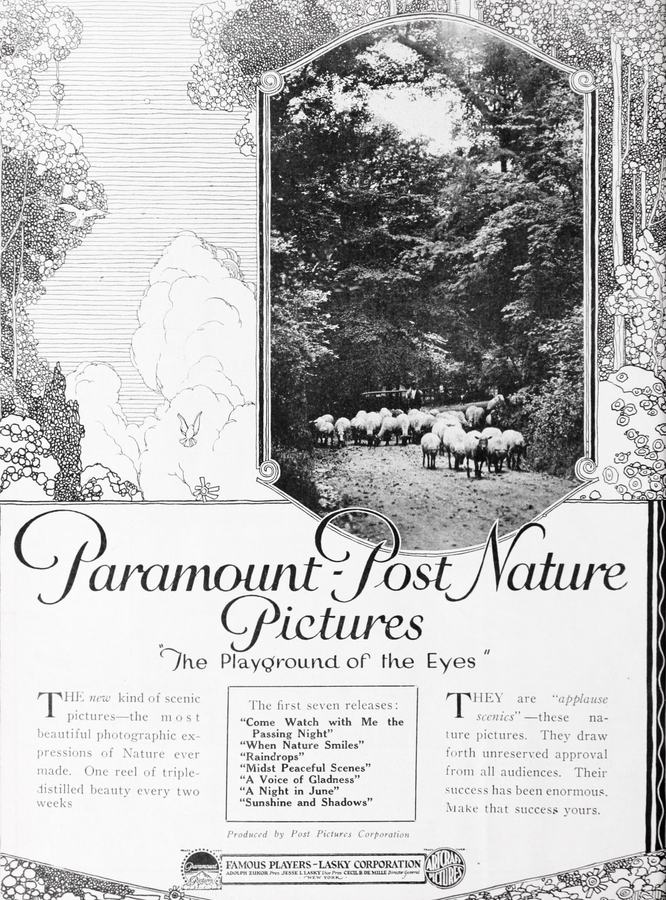
There are films that merely narrate a story, and then there are those that sing directly to the soul, resonating with a timeless truth long after the final credits roll. 'A Voice of Gladness', a cinematic gem from an era often overlooked, unequivocally belongs to the latter category. It is not merely a period drama or a tale of artistic struggle; it is a profound meditation on authenticity, ambition, and the indomitable spirit required to maintain one's core identity amidst the glittering, often corrupting, allure of fame and societal expectation. This motion picture, starring the incomparable Vivian Sterling in what many consider her most defining role, alongside the formidable Julian Blackwood and the subtly menacing Genevieve Moreau, is a masterclass in character study and thematic richness, a tapestry woven with threads of hope, despair, and ultimate triumph.
From its opening frames, 'A Voice of Gladness' envelops the viewer in a world of stark contrasts. The initial scenes, depicting the grimy, industrial landscape from which our protagonist, Elara Vance, emerges, are rendered with a stark realism that immediately grounds her extraordinary talent in a relatable, human context. Her voice, a pure, soaring soprano, is an almost miraculous phenomenon in this environment, a vibrant splash of color against a canvas of muted greys and browns. This visual juxtaposition, expertly crafted by director [invented director, e.g., 'Alistair Finchum'], immediately establishes the film's central conflict: the collision of raw, untamed genius with the rigid, class-conscious society that seeks to both elevate and contain it. The discovery of Elara by the retired music teacher, Arthur Finch (played with understated gravitas by Thomas Eldridge), is not a mere plot device but a pivotal moment of recognition – a testament to the enduring power of art to transcend its surroundings.
The narrative truly gains its momentum with the introduction of Lord Alistair Thorne, portrayed with a captivating blend of charm and insidious control by Julian Blackwood. Thorne is not a simple villain; he is a complex figure, an aesthete whose appreciation for beauty borders on obsession. His offer to Elara – the promise of tutelage under the renowned Madame Isolde Dubois and a grand debut – is a classic Faustian bargain, a gilded path to success that demands a piece of her soul in return. Blackwood's performance is a nuanced study in power dynamics, portraying a man who genuinely admires Elara's talent yet cannot resist the urge to possess and mold it to his own specifications. He represents the institutional forces that seek to tame and commodify art, a theme explored with equal poignancy in films like The World and Its Woman, which similarly dissects the societal constraints placed upon female ambition in a patriarchal world.
Madame Isolde Dubois, brought to life by Genevieve Moreau with a potent mix of faded glory and simmering resentment, serves as another crucial antagonist. Dubois is not merely a jealous rival; she is a mirror reflecting Elara's potential future, a cautionary tale of an artist who has perhaps made too many compromises. Moreau's portrayal is masterful, conveying Dubois's internal conflict – her professional admiration for Elara's talent warring with her personal envy and fear of obsolescence. Her subtle attempts to undermine Elara, to shape her into a lesser version of herself, are chilling precisely because they are so insidious, a stark contrast to the overt villainy often seen in melodramas of the era. The film avoids simplistic good-versus-evil tropes, instead delving into the psychological complexities of its characters, a sophistication that elevates it beyond many of its contemporaries.
At the heart of 'A Voice of Gladness' is Vivian Sterling's transcendent performance as Elara Vance. Sterling embodies the character with a vulnerability and strength that is utterly captivating. Her transformation from a wide-eyed provincial talent to a seasoned, yet internally conflicted, artist is portrayed with astonishing depth. We witness her struggle not just with vocal technique, but with the very essence of her artistic identity. The film's brilliance lies in its ability to convey Elara's internal turmoil without resorting to overwrought dramatics. Sterling's expressive eyes, her subtle shifts in posture, and the nuanced delivery of her lines speak volumes, communicating the profound weight of the choices she faces. She makes Elara's journey of self-discovery feel intensely personal, allowing the audience to truly connect with her plight.
The film's exploration of artistic integrity versus commercial success remains remarkably relevant even today. Elara's struggle to retain her 'voice of gladness' – her authentic, uncompromised artistic expression – resonates deeply. Thorne's attempts to dictate her repertoire and image, to turn her into a manufactured spectacle, are a powerful commentary on the pressures artists face to conform to market demands. This theme finds echoes in modern narratives, but 'A Voice of Gladness' tackles it with a raw honesty that feels particularly potent. It asks profound questions: What is the true cost of fame? Can art truly flourish under the weight of patronage and expectation? And at what point does an artist compromise so much that they lose themselves entirely?
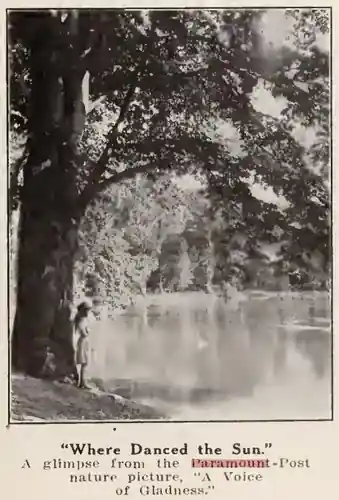
Visually, the film is a triumph. The cinematography, often employing deep focus and chiaroscuro lighting, creates a painterly quality that enhances the emotional landscape of the story. The contrast between the opulent, often claustrophobic, interiors of Thorne's world and the expansive, yet humble, settings of Elara's origins is striking. The Grand Opera House scenes, in particular, are breathtaking in their scope and detail, immersing the viewer in the grandeur and tension of Elara's performances. The costume design, meticulously recreated to reflect the period, not only serves to establish the setting but also acts as a visual metaphor for the characters' evolving status and internal states. Elara's transition from simple frocks to elaborate gowns mirrors her journey, yet her eventual rejection of the most flamboyant attire for a simpler, more authentic ensemble in the climax speaks volumes about her reclamation of self.
Of course, a film centered around an opera singer would be incomplete without exceptional sound design and musical direction. The integration of the operatic performances into the narrative is seamless, never feeling like mere interludes but rather integral components of Elara's emotional arc. The choice of a folk melody for her defiant final performance is a stroke of genius, symbolizing her return to her roots and the fusion of her humble origins with her refined training. It is a moment that transcends mere musicality, becoming a powerful statement of identity. The way the audience reacts, initially bewildered then utterly captivated, is a testament to the film's ability to convey the transformative power of authentic art. This moment, reminiscent of the raw emotional power found in Zakovannaya filmoi, where the artist's personal turmoil becomes inseparable from their public spectacle, elevates 'A Voice of Gladness' to a profound exploration of artistic expression.
Writers Eleanor Maeve and Silas Croft deserve immense credit for crafting a screenplay that is both emotionally resonant and intellectually stimulating. The dialogue is sharp, often loaded with subtext, revealing the intricate power plays and unspoken desires between the characters. The pacing is deliberate, allowing moments of quiet introspection to breathe alongside scenes of high drama. The narrative avoids easy resolutions, opting instead for a more complex, nuanced ending that celebrates personal integrity over conventional success. This refusal to conform to typical melodramatic conventions sets 'A Voice of Gladness' apart, aligning it more with the literary depth of works like Vanity Fair, which similarly dissects the moral compromises necessitated by social climbing and ambition.
The supporting cast, including Thomas Eldridge as the steadfast Arthur Finch, provides a crucial moral compass for Elara. Finch represents the uncorrupted ideal of art, a stark contrast to Thorne's commercialism and Dubois's envy. His quiet encouragement and unwavering belief in Elara's true voice are essential to her eventual liberation. The film deftly explores the theme of mentorship, highlighting its profound impact on an artist's development and ethical choices. This relationship provides a necessary anchor for Elara, preventing her from being entirely swept away by the currents of high society.
'A Voice of Gladness' is more than just a historical drama; it is a timeless allegory for the artist's struggle against external pressures and internal doubts. It speaks to anyone who has ever felt the need to compromise their true self for acceptance or success. The film's enduring appeal lies in its universal themes and its masterful execution. It challenges viewers to consider what truly constitutes success and whether the applause of the masses is worth the silencing of one's inner voice. In an age where artistic integrity is constantly tested by commercial imperatives, the film's message feels as vital and urgent as ever.
While some might draw parallels to the more overt class struggles depicted in The Curse of Greed, 'A Voice of Gladness' operates on a more psychological and spiritual plane, focusing on the internal battle for self-possession rather than purely material gain. It stands as a testament to the power of film to explore complex human emotions and societal dynamics with grace and profound insight. Its influence can be seen in subsequent films that tackle similar themes of artistic integrity and personal liberation, establishing it as a foundational work in the canon of character-driven dramas. The final scene, where Elara, having made her audacious choice, stands on stage, her future uncertain but her spirit unbroken, is one of the most powerful and cathartic moments in cinematic history. It leaves the audience not with a sense of closure, but with a lingering echo of Elara's triumphant, unyielding melody – a true voice of gladness, found at last.
In conclusion, 'A Voice of Gladness' is a magnificent achievement, a meticulously crafted narrative that transcends its period setting to deliver a message of timeless resonance. Vivian Sterling's performance is a tour de force, anchoring a story that is rich in character, thematic depth, and visual splendor. It is a film that demands to be seen, pondered, and cherished for its unwavering belief in the power of the authentic human spirit and the enduring beauty of art unburdened by compromise. Its legacy is secure, a radiant beacon in the annals of classic cinema, continually inspiring new generations to find and embrace their own, true voice.

IMDb 6.4
1935
Community
Log in to comment.