DbcultAccessing Vault...
Cult Review
Senior Film Conservator
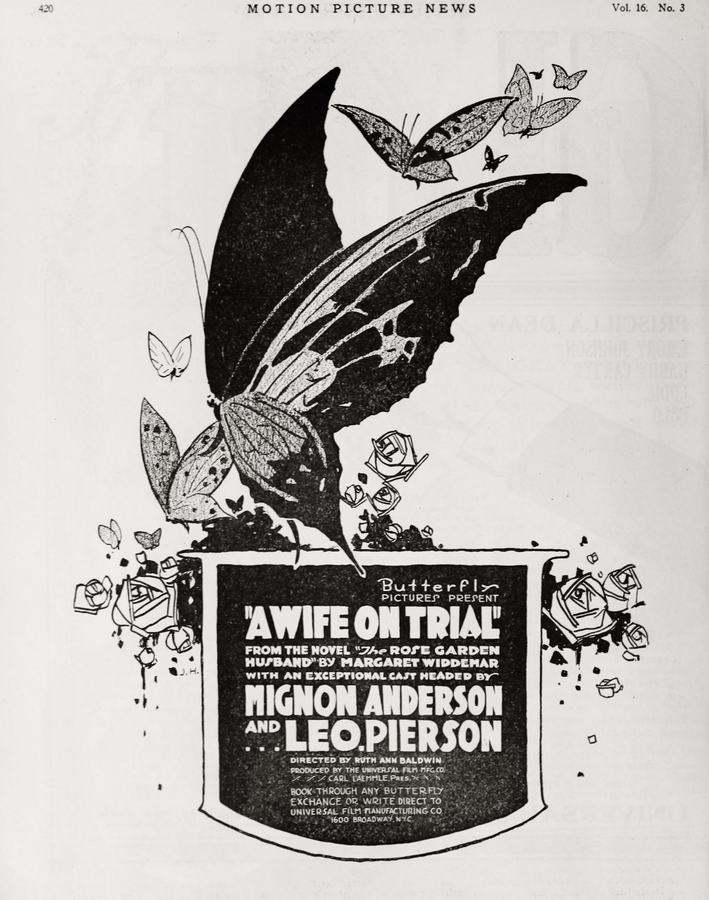
In the annals of silent cinema, where grand gestures and emotive visages spoke volumes beyond the intertitles, certain narratives rise above mere melodrama to touch upon the profound complexities of the human condition. Such is the case with "A Wife on Trial," a film that, despite its seemingly conventional dramatic framework, delves into themes of sacrifice, psychological resilience, and the transformative power of genuine affection with a surprising depth. It opens not with a flourish, but with the quiet, understated existence of Phyllis Narcissa, a children's librarian whose days are characterized by modest means and an inherent, almost guileless, kindness. Her world, circumscribed by books and the innocent queries of young minds, appears utterly detached from the opulent, often fraught, lives of the city's elite. Yet, destiny, in its often-unpredictable fashion, soon weaves her into a tapestry of wealth, illness, and a most peculiar marital arrangement.
Phyllis’s first foray into this unfamiliar stratum of society comes through a dinner invitation from Horace de Guenther, one of her library patrons, and a subsequent encounter with his ailing wife. It is Mrs. de Guenther, a woman whose own suffering seems to have sharpened her perceptive faculties, who recognizes a rare purity of spirit in Phyllis. This recognition leads to an extraordinary proposition, brokered by a dying socialite, Mrs. Harrington, whose son, Allan, a once-vigorous young man, has been tragically paralyzed following an automobile accident. Mrs. Harrington, in a desperate attempt to secure her son’s future and welfare, offers Phyllis a life of wealth in exchange for marrying and caring for Allan. It is a bargain steeped in pragmatism, yet fraught with emotional peril. Phyllis, initially hesitant, driven by a blend of duty, compassion, and perhaps the sheer weight of the offer’s magnitude, reluctantly consents. This arrangement immediately sets "A Wife on Trial" apart from simpler romantic dramas of the era, positioning it closer to films like The Market of Vain Desire, which similarly explores the often-uneasy intersection of financial necessity and personal relationships. The film compels us to ponder: what price true companionship, and can love truly blossom from such a calculated seed?
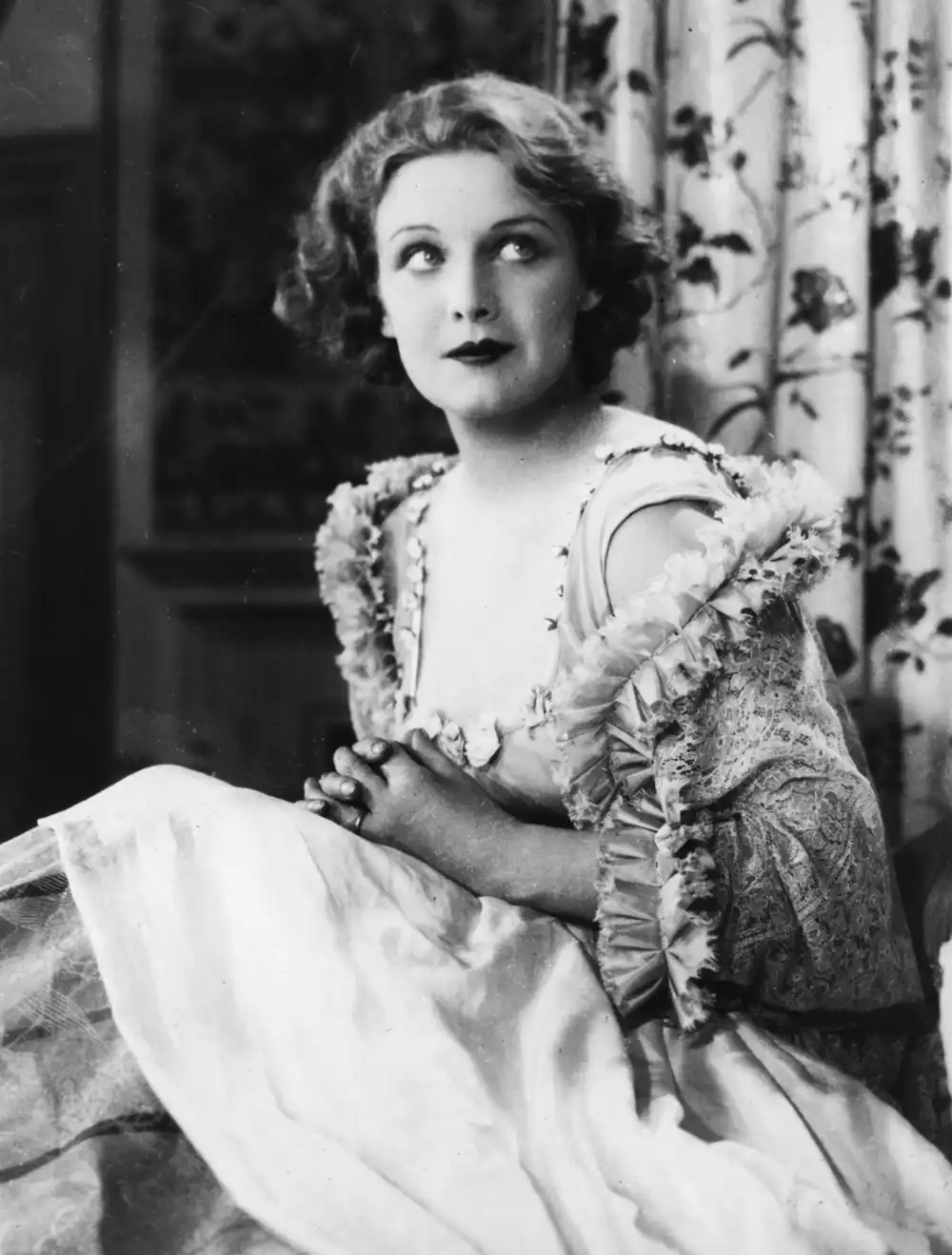
The marriage, born of obligation rather than affection, casts Phyllis into a profoundly challenging role. Allan, ensnared by his physical limitations and perhaps more so by a profound, pervasive melancholia, is a man utterly consumed by despair. His spirit is as crippled as his body, rendering him an eternally downcast figure, resistant to any attempts at cheer or connection. Julia Jackson, in her portrayal of Phyllis, masterfully conveys the quiet fortitude and deep reservoirs of empathy required for such a task. Her performance is a study in nuanced emotional expression, a silent testament to the struggle of maintaining hope in the face of relentless despondency. We witness Phyllis's tireless efforts to engage Allan, to coax even a flicker of life back into his eyes, efforts that are often met with a wall of quiet resignation. The film, through these protracted scenes, invites us to experience the profound emotional labor involved in loving someone burdened by such a heavy cloud. It’s a testament to the power of silent acting that Jackson communicates this struggle with such visceral honesty, her expressions and body language speaking volumes about the emotional toll. The narrative here isn't about grand declarations, but the quiet, persistent grind of daily devotion.
A crucial turning point arrives with the visits of a doctor, a friend of Allan's, whose presence introduces a more contemporary, even radical, perspective. This physician, observing Allan's condition, posits a groundbreaking theory for the era: that Allan's paralysis might be psychosomatic. This concept, suggesting a deep connection between the mind and body, was not widely understood or accepted in the early 20th century, making its inclusion in "A Wife on Trial" particularly forward-thinking. It shifts the narrative from a purely physical tragedy to one with profound psychological implications, hinting that the cure might lie not in physical therapy alone, but in a profound shift of Allan's mental state. The doctor's role transcends that of a mere medical professional; he becomes a catalyst, a voice of reason offering an alternative pathway to healing. His calm, scientific demeanor contrasts sharply with the emotional turmoil surrounding Allan, providing a much-needed intellectual anchor to the film's emotional currents. This element elevates "A Wife on Trial" beyond a simple love story, imbuing it with a layer of psychological realism that was quite progressive for its time, echoing the kind of social commentary found in films like Who Pays?, which explored societal pressures and their impact on individuals.
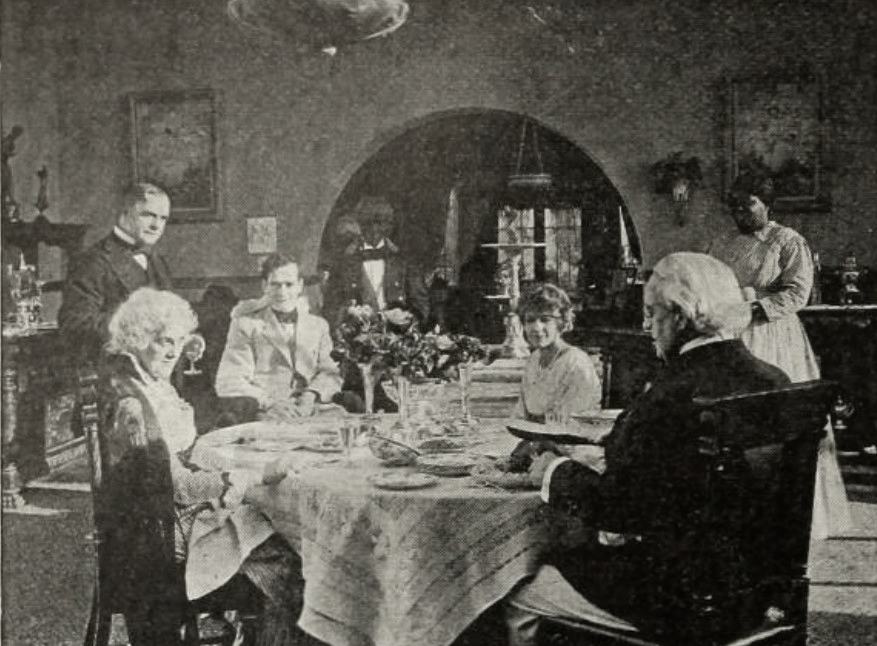
The narrative deftly builds towards a moment of poignant revelation. The doctor's visits bring not only intellectual discourse but also a much-needed breath of fresh air into the somber household. Phyllis, finding a temporary respite from her duties and Allan's pervasive gloom, engages in a game of tennis with the doctor. This seemingly innocuous activity reveals a side of Phyllis that has been suppressed by her circumstances: her innate capacity for joy, her youthful vitality. The camera lingers on her smile, her animated movements, a vibrant contrast to the static despair that has become her daily companion. It is this very display of unadulterated happiness that, ironically, becomes a catalyst for Allan. Witnessing Phyllis's genuine delight, a pleasure he cannot provide, sparks not just envy but a profound self-awareness within him. The sight of her vivacity, unburdened by his presence, compels him to a drastic decision: he insists that the marriage be annulled. This act, seemingly one of self-destruction, is in fact a desperate, albeit misguided, attempt to liberate Phyllis from what he perceives as a life of obligation and sorrow. It’s a complex moment, revealing Allan's nascent love and his desire for Phyllis's happiness, even if it means his own further isolation. It’s a powerful exploration of how even negative emotions like jealousy can, paradoxically, pave the way for self-realization and altruism.
The film's dramatic crescendo arrives with an unexpected and violent intrusion. That very night, after Allan's demand for annulment, a burglar breaks into the house, intent on preying upon its inhabitants. As the intruder begins to attack Phyllis, the narrative shifts from quiet psychological drama to pulse-pounding suspense, reminiscent of the heightened tension found in thrillers like Lights of London. It is in this moment of extreme peril that Allan's latent strength, both physical and emotional, erupts. In a surge of primal protectiveness, fueled by a love he had perhaps only subconsciously acknowledged, Allan performs the impossible. He leaps from his bed, shedding the confines of his wheelchair, and tackles the assailant. This act is more than mere heroics; it is a profound, almost miraculous, liberation. His physical healing is not a gradual process but an instantaneous, visceral response to a crisis, a testament to the doctor's earlier theory of psychosomatic paralysis. The external threat shatters his internal prison, proving that his body was indeed capable, but his will was not. In the aftermath of this harrowing event, the emotional dam breaks. Liberated from his physical and psychological bonds, Allan finally admits his profound love for Phyllis, a love forged in shared adversity and cemented by his heroic act. It’s a powerful, if somewhat fantastical, resolution that speaks to the enduring power of love and purpose to overcome even the most formidable obstacles. The theatricality of this resolution, while perhaps straining credulity for a modern audience, was a hallmark of silent era storytelling, designed to deliver maximum emotional impact.
At the heart of "A Wife on Trial" lies Julia Jackson's compelling performance as Phyllis Narcissa. In an era where exaggerated expressions were often the norm to convey emotion without dialogue, Jackson delivers a portrayal marked by a remarkable subtlety and inner strength. Her eyes, often downcast in the early scenes, slowly begin to reflect a burgeoning resilience and a quiet determination. She avoids the pitfalls of saccharine victimhood, instead crafting a character who is profoundly empathetic yet possesses an unwavering moral compass. Her journey from reluctant bride to a woman inspiring a miraculous transformation is conveyed with a dignity that resonates long after the film concludes. L.M. Wells, as Allan, faces the daunting task of portraying a character consumed by inertia, making his eventual, explosive liberation all the more impactful. The gradual shift from utter despair to a flicker of jealousy and then to heroic action is handled with a commendable progression. Ben Alexander, George C. Pearce, Leo Pierson, and Mignon Anderson, though in supporting roles, contribute effectively to the narrative's texture, each playing their part in shaping the world around Phyllis and Allan. The ensemble, under the guidance of its creative team, works cohesively to bring this intricate drama to life, demonstrating the collaborative artistry inherent in silent film production.
The film's narrative strength owes much to the collaborative efforts of its writers, Leo Pierson and Margaret Widdemer. Pierson, known for his prolific work in the silent era, and Widdemer, an accomplished poet and novelist, crafted a story that transcends simple romantic tropes. Their screenplay for "A Wife on Trial" is notable for its willingness to explore complex psychological dimensions and moral dilemmas, which were not always common in mainstream cinema of the period. The concept of psychosomatic illness, for instance, represents a sophisticated understanding of human suffering and recovery, hinting at a progressive outlook that challenged purely physical interpretations of disability. The character arcs, particularly Phyllis's quiet strength and Allan's profound transformation, are meticulously developed, allowing for a satisfying emotional payoff. This depth of characterization and thematic exploration is a hallmark of truly enduring storytelling, distinguishing "A Wife on Trial" from more ephemeral productions. Their ability to weave together themes of duty, sacrifice, love, and psychological healing into a cohesive and engaging narrative speaks volumes about their craft. It's this thoughtful construction that allows the film to stand alongside other thematically rich silent dramas, even those exploring different facets of human struggle, such as Qristine, which often delved into personal resilience against societal odds, or The War Bride's Secret, which examined the hidden burdens carried by individuals.
"A Wife on Trial" is more than just a historical artifact; it is a compelling piece of cinema that continues to resonate with its exploration of universal human experiences. Its narrative, while rooted in the social conventions of its time, touches upon timeless themes: the redemptive power of love, the struggle against internal and external adversities, and the profound connection between mental well-being and physical health. The film's resolution, though dramatic, serves as a powerful metaphor for the idea that true healing often begins when one finds a purpose, a reason, or a love strong enough to shatter the chains of despair. It reminds us that courage can manifest not only in grand declarations but also in quiet endurance and selfless acts. For enthusiasts of silent film and scholars of cinematic history, "A Wife on Trial" offers a rich tapestry of emotional depth, innovative thematic exploration, and masterful performances, solidifying its place as a poignant and thought-provoking drama from an era that often surprises with its narrative sophistication. It stands as a testament to the power of visual storytelling, proving that even without spoken words, a film can articulate the most profound truths about the human heart and its capacity for both suffering and miraculous recovery. The enduring appeal of such films lies in their ability to strip away the superficial and focus on the raw, unfiltered emotions that drive us all, making A Wife on Trial a truly remarkable entry in the silent film canon.
IMDb —
1916
Community
Log in to comment.