DbcultAccessing Vault...
6.3/10
Senior Film Conservator
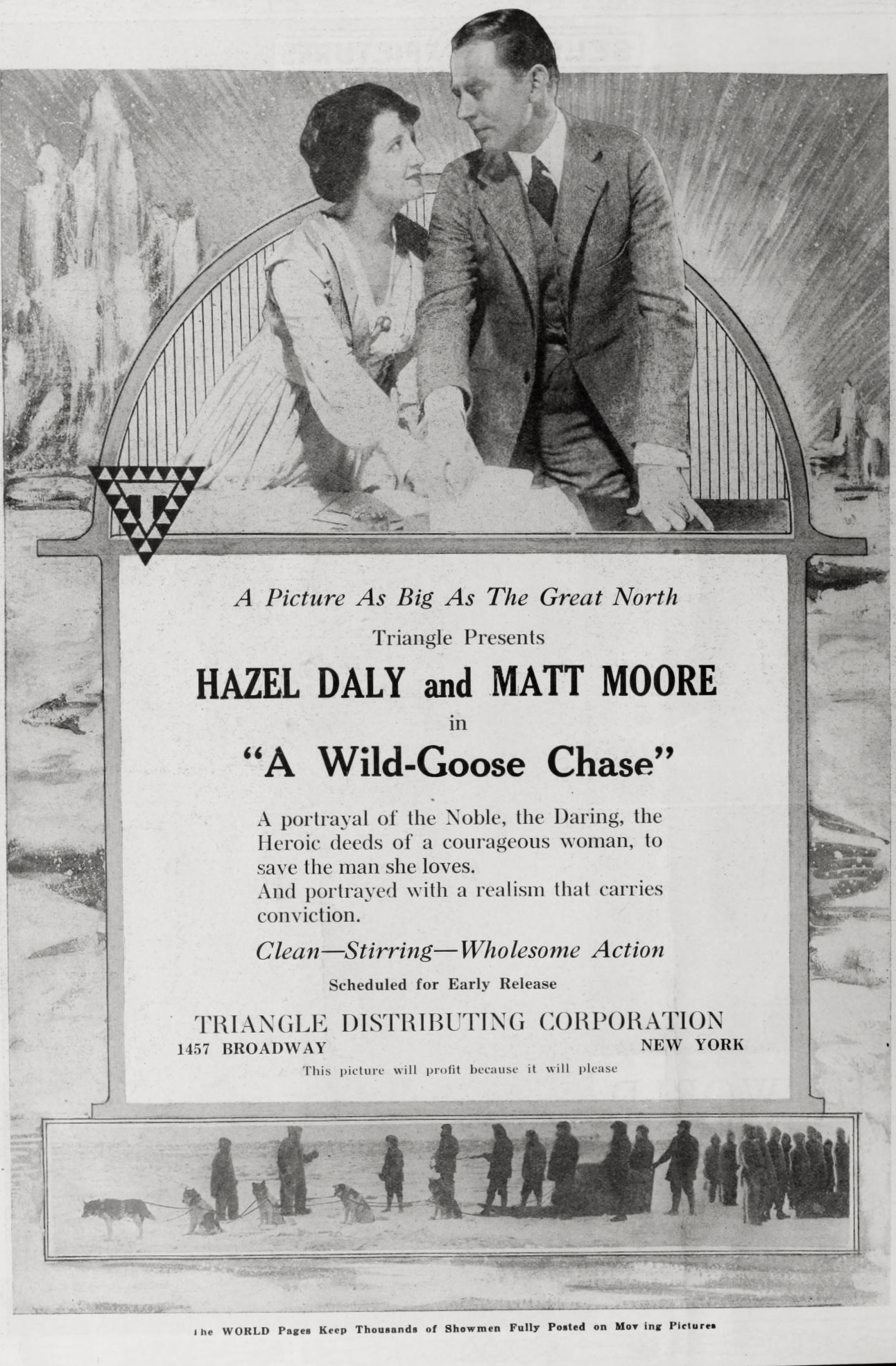
A definitive 6.3/10 rating for a film that redefined the boundaries of cult cinema. A Wild Goose Chase remains a cornerstone of transgressive art.
In the annals of early cinema, where grand narratives often wrestled with the burgeoning language of the moving image, Edwin Balmer’s 1919 silent drama, A Wild Goose Chase, emerges as a compelling, if occasionally melodramatic, testament to human endurance and the insidious nature of deceit. This isn't merely a tale of a lost lover in the frozen wastes; it's a psychological drama cloaked in adventure, a poignant exploration of hope's fragile tenacity against the crushing weight of despair and calculated treachery. The film, a product of an era still defining its cinematic grammar, manages to convey a surprising depth of emotion, leveraging the then-nascent power of visual storytelling to draw its audience into a world both breathtakingly beautiful and brutally unforgiving.
At its core lies Margaret Sherwood, portrayed with an arresting blend of vulnerability and steely resolve by Hazel Daly. Her unwavering conviction that her fiancé, missing for two years in the vast, silent expanse of the Arctic, is not dead, forms the very bedrock of the narrative. This isn't a naive optimism; it's a deep-seated belief, almost a spiritual certainty, that defies all rational evidence. Daly imbues Margaret with a quiet strength, her eyes, even in the stark black and white of the silent screen, conveying a world of unspoken grief and defiant optimism. It’s a performance that anchors the film, providing an emotional compass through its often tumultuous plot points. Her refusal to accept the finality of loss sets the stage for the dramatic machinations that follow, making her a truly sympathetic, if somewhat tragically stubborn, heroine.
Into this crucible of longing steps Price Latham, likely brought to life with a chilling blend of charm and duplicity by Sidney Ainsworth. Latham is no mere rival; he is an architect of emotional manipulation, a character whose love for Margaret is warped by a profound self-interest. His proposition—to finance an expedition to confirm the fiancé’s death in exchange for Margaret’s hand, come what may—is a masterstroke of villainy. It’s a pact born of desperation on Margaret’s part and calculating opportunism on Latham’s. The film expertly crafts this moral dilemma, forcing the audience to grapple with the ethics of such a promise. Is Margaret’s vow truly binding when extracted under such duress? Latham’s character serves as a stark reminder that the greatest dangers often come not from the elements, but from the flawed, often dark, corners of the human heart. His actions resonate with the kind of moral compromises explored in films like Thou Shalt Not, where human desires push characters to ethically dubious extremes.
The Arctic itself is more than just a backdrop; it is a formidable, almost sentient, character in A Wild Goose Chase. The vast, icy landscapes, likely rendered through a combination of location shooting and studio sets, convey both majestic beauty and terrifying isolation. This is a world where human concerns shrink to insignificance against the indifferent grandeur of nature. The cold, the endless white, the treacherous ice floes—all serve to amplify the stakes of Margaret’s quest. The silent film medium, paradoxically, enhances this sense of isolation; the lack of ambient sound forces the viewer to imagine the biting wind, the creaking ice, the profound silence that can drive one to madness. This desolate setting contrasts sharply with the warmth of human connection Margaret desperately seeks, a stark visual metaphor for her emotional state. The perilous journey undertaken echoes the challenging expeditions seen in adventure films of the era, such as The Rescue, where protagonists face overwhelming natural forces.
As the expedition unfolds, Latham’s insidious sabotage attempts become a central element of the narrative tension. His efforts to ensure the tragic outcome are subtle at first, then increasingly overt, showcasing his moral bankruptcy. These scenes, while perhaps lacking the overt suspense of later thrillers, are effective in building a quiet dread. The audience is privy to Latham’s schemes, creating a dramatic irony that heightens Margaret’s vulnerability. Her unwavering faith, ironically, makes her oblivious to the treachery unfolding around her, making Latham’s actions all the more despicable. The film cleverly uses visual cues and intertitles to communicate these underhanded dealings, a testament to Edwin Balmer’s narrative construction. This manipulation of circumstance to achieve a selfish goal provides a fascinating counterpoint to the more straightforward romantic entanglements found in films like When Men Are Tempted, where temptations are often external, rather than intrinsically woven into a character's plot.
However, A Wild Goose Chase takes a pivotal turn with the introduction of what can only be described as divine intervention, or perhaps, the capricious hand of fate. The unexpected appearance of an Eskimo hunter, and the fateful 'spike' that dispenses Margaret from her ill-conceived vow, is a classic deus ex machina. While some might view this as a narrative contrivance, in the context of early cinema’s often allegorical storytelling, it serves as a powerful symbol of providence. It suggests that some bonds, some destinies, are simply not to be broken by human malice. The 'spike' isn't just a physical object; it's a narrative device that severs the contractual obligation, freeing Margaret from a promise made under duress and allowing the story to steer towards its inevitable, hopeful conclusion. This moment, while abrupt, delivers a satisfying twist, preventing the narrative from succumbing to the tragic implications of Latham’s schemes.
The climax of the film, bathed in the ethereal glow of the aurora borealis, is a visually striking and emotionally resonant scene. The miraculous return of the fiancé, likely played by Matt Moore, is not just a reunion; it’s a vindication of Margaret’s unwavering faith. Moore, with his typical leading man charisma, would have conveyed the profound relief and enduring love of a man returned from the brink. The northern lights, a natural spectacle of unparalleled beauty, serve as a breathtaking backdrop, symbolizing hope, renewal, and the almost mystical power of their reunion. It’s a moment designed to elicit a powerful emotional response, a cathartic release after the tension and despair that preceded it. The image of the reunited couple under the shimmering lights is an enduring one, cementing the film’s romantic core and its belief in the triumph of true affection over adversity and deceit. This triumphant return and the subsequent reclamation of love can be seen as a thematic cousin to the resolution of complex romantic dilemmas in films like The Cricket, where relationships are tested and ultimately reaffirmed.
The performances, particularly from Hazel Daly, are central to the film’s efficacy. In an era where exaggerated gestures and facial expressions were often necessary to convey emotion without spoken dialogue, Daly manages to strike a balance, delivering a portrayal that feels earnest and deeply felt. Her silent suffering, her moments of quiet determination, and her ultimate joy are all communicated with clarity and conviction. Sidney Ainsworth, as the manipulative Latham, would have needed to convey his villainy through subtle glances and calculated actions, making his character both charming and repugnant. Matt Moore, as the long-lost fiancé, embodies the ideal of the steadfast lover, his return serving as the ultimate payoff for Margaret’s perseverance. The ensemble works together to create a cohesive emotional landscape, guiding the viewer through the narrative’s peaks and valleys without the aid of spoken words. The nuances of silent acting are a fascinating study, and A Wild Goose Chase provides ample material for appreciating this lost art form, much like the delicate characterizations found in The Gentle Intruder.
Edwin Balmer’s screenplay is robust, building a narrative that, despite its occasional reliance on convenient plot devices, maintains engagement through strong character motivations and escalating stakes. Balmer, a prolific writer, understood the mechanics of dramatic tension and emotional payoff. His story, while perhaps appearing straightforward on paper, is imbued with layers of psychological conflict—Margaret’s internal struggle, Latham’s moral decay, and the external pressures of the unforgiving environment. The use of intertitles, crucial in silent films, is handled adeptly, providing necessary exposition and character thoughts without disrupting the flow of the visual narrative. The pacing, a common challenge in early feature films, is generally well-managed, allowing moments of quiet reflection to breathe alongside periods of heightened drama. Balmer’s work here demonstrates a keen understanding of popular storytelling, akin to the engaging narratives often found in other contemporary works like The Poppy Girl's Husband.
The thematic richness of A Wild Goose Chase lies in its exploration of several enduring human concerns. Foremost is the theme of unwavering love and loyalty, exemplified by Margaret’s relentless pursuit of her fiancé. This is contrasted sharply with the theme of betrayal and selfish ambition, personified by Latham. The film also delves into the concept of fate versus free will, particularly with the 'providential' intervention of the Eskimo hunter. Is it merely a coincidence, or a higher power guiding events? The Arctic setting itself introduces themes of human resilience against nature’s indifference, and the primal struggle for survival. Ultimately, the film champions the idea that genuine love, even when tested by the most extreme circumstances and malicious intent, possesses an inherent power to endure and ultimately triumph. These universal themes elevate the film beyond a simple adventure story, giving it a resonance that transcends its specific historical context, much like the timeless dilemmas presented in Der Katzensteg.
Visually, the film likely employed the emerging cinematic techniques of its time. While specific directorial credits aren't provided, the execution of the Arctic scenes would have required considerable effort and ingenuity. The use of natural light, if location shooting was involved, would have lent an authenticity that studio sets often struggled to replicate. The framing of shots, the use of close-ups to capture emotional nuances, and the overall rhythm of the editing would have been crucial in conveying the narrative without dialogue. The silent era was a period of intense experimentation and innovation, and films like A Wild Goose Chase contributed to the evolving visual language of cinema. One can imagine the visual spectacle of the aurora borealis, even in monochrome, being a truly captivating moment for audiences of the time, a testament to the evocative power of early filmmaking, reminiscent of the visual storytelling found in The Mystery of the Rocks of Kador.
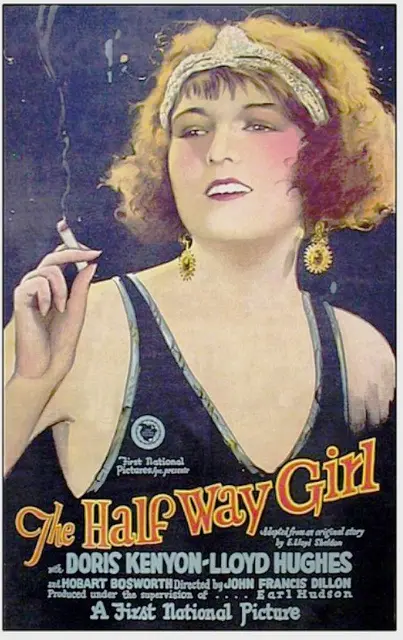
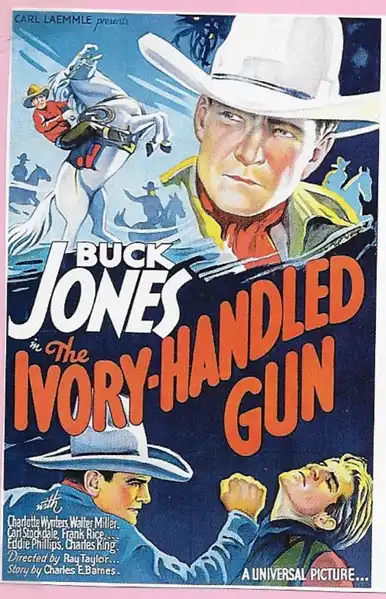
Comparing A Wild Goose Chase to its contemporaries provides further insight into its strengths and weaknesses. While perhaps not as overtly grand as some epic productions of the era, its intimate focus on a few central characters and their emotional struggles gives it a particular potency. It avoids the broader social commentaries of a film like Korol Parizha, opting instead for a more personal, character-driven drama. Its adventure elements are less about swashbuckling heroics and more about the quiet heroism of perseverance, distinguishing it from action-oriented films like The Man from Painted Post. The romantic intrigue, while central, is handled with a gravity that elevates it beyond simpler romantic comedies such as Miss Jackie of the Army. It finds its unique space by blending elements of adventure, romance, and psychological drama into a cohesive whole.
In conclusion, A Wild Goose Chase, despite its age and the inherent limitations of the silent film medium, remains a surprisingly engaging and emotionally resonant piece of cinema. It’s a compelling narrative of a woman’s unyielding hope, a villain’s calculated cruelty, and the ultimate triumph of enduring love, all set against the majestic and perilous backdrop of the Arctic. The performances, particularly Hazel Daly’s, convey the depth of human emotion with remarkable clarity. Edwin Balmer’s screenplay, while employing a dramatic convenience at its climax, effectively builds tension and delivers a satisfying resolution. For enthusiasts of silent film, or anyone interested in the evolution of cinematic storytelling, A Wild Goose Chase offers a fascinating glimpse into an era where visual artistry and emotional sincerity were paramount. It’s a film that reminds us that even in the absence of spoken words, the human heart’s most profound desires and darkest intentions can be articulated with breathtaking power.
Note on colors: The dark orange (#C2410C) is used for emphasis or key phrases, yellow (#EAB308) for comparison links and highlighting, and sea blue (#0E7490) for subtle dividers or thematic connections. Paragraph text is white for optimal readability against a dark background.

IMDb —
1930
Community
Log in to comment.