DbcultAccessing Vault...
Cult Review
Senior Film Conservator
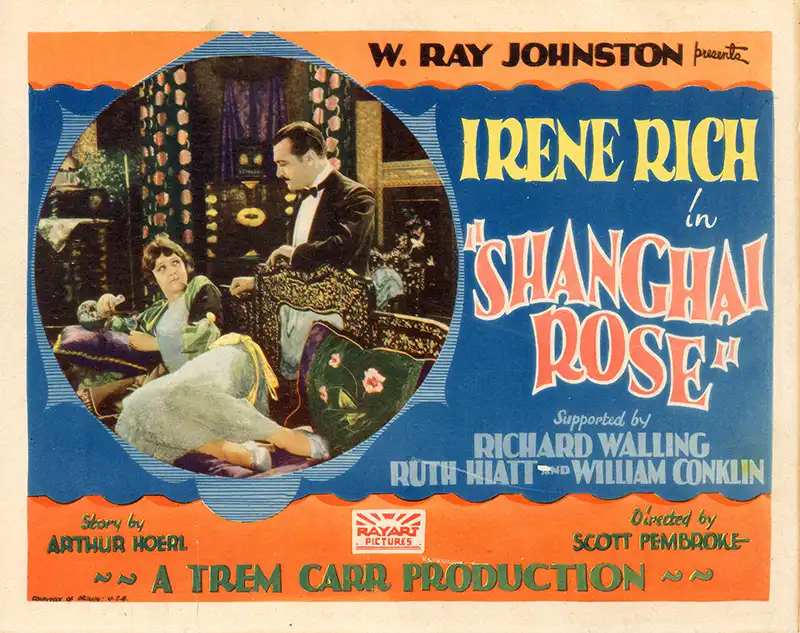
Alright, so 'Shanghai Rose' isn't exactly a Saturday night blockbuster. If you're the kind of person who enjoys digging into early cinema, seeing how stories were told before sound, then yeah, this one’s worth a look. For anyone else expecting modern pacing or snappy dialogue, you'll probably be fidgeting. But if you appreciate the quiet power of a glance or a dramatic hand gesture, there’s some magic here.
The whole thing felt like someone took a classic pulp novel and just *poured* it onto the screen. We're in Shanghai, of course, and Ruth Hiatt plays our titular Rose. She’s got this incredible ability to convey a whole world of sadness just with her eyes. Really, it's quite something. 👀
There's a lot of drama revolving around a lost love, or maybe a forbidden one, with Richard Walling playing the earnest, perpetually worried hero. He spends a lot of screen time looking distraught, which, fair enough, given the circumstances. You can practically see the internal monologues happening. The film relies heavily on these grand, sweeping emotions, often telegraphed by the actors' faces. It’s all in the expressions.
One scene, early on, with Rose in what looks like a tea house or maybe a dance hall, really stuck with me. The way the light caught her dress, and the subtle, almost imperceptible shift in her smile when a certain character walks in. It’s such a small detail, but it speaks volumes about her inner turmoil. You just know something bad is brewing. Like, you can feel it in the air.
Then there’s Irene Rich, who plays a more mature, perhaps jaded, figure. Her scenes often bring a different kind of gravitas. She’s not doing the big, exaggerated gestures as much; it's more about her posture, a subtle tilt of the head. It makes her presence feel really significant, even when she's not the main focus.
The pacing is… well, it’s a silent film. Things unfold. Slowly. Sometimes a scene will linger on a reaction shot for just a beat too long, and you find yourself wondering what the director was trying to capture there. Or if they just didn't have enough footage for the next cut. 😅
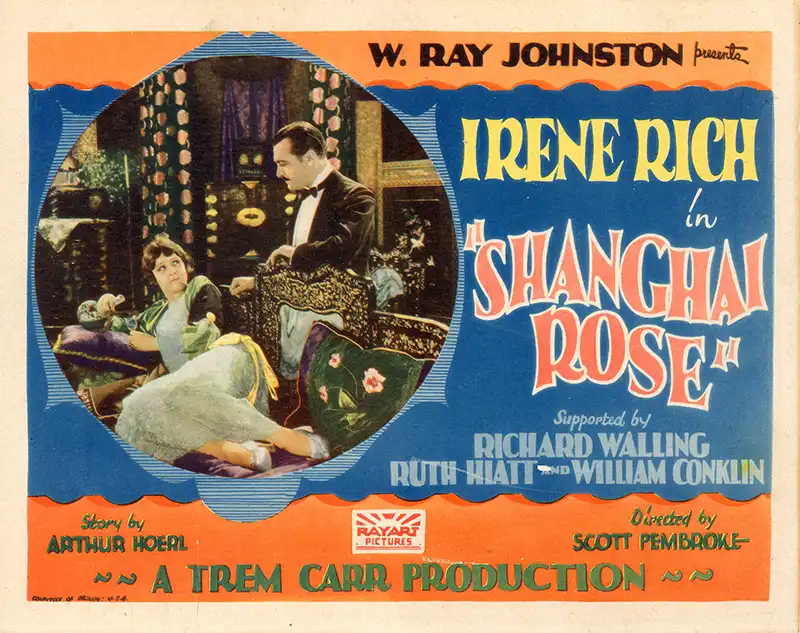
There's a sequence involving some kind of chase or escape through what’s meant to be bustling city streets. It's not exactly high-octane. You see a lot of running and frantic arm-waving. The extras, bless their hearts, are doing their best to look panicked, but it sometimes feels a little… staged. Like they were told to 'act busy and a little scared.' Still, the energy is there, you just have to lean into it.
The intertitles, which deliver all the dialogue and plot points, are a mixed bag. Some are genuinely poetic and add to the mood. Others feel a bit clunky, almost like an afterthought, just getting the necessary info across. It breaks the immersion slightly when a beautifully shot scene is followed by a very plain, explanatory title card. You kinda wish they’d spent a bit more time on those.
Tony Merlo shows up as a sort of shadowy figure, probably the antagonist. He's got that classic silent film villain look down cold: the slicked-back hair, the intense gaze. Every time he's on screen, you just *know* he's up to no good. There’s no subtlety there, and honestly, that’s part of the charm of these old films. They don’t mess around.
One thing that’s really interesting is how much visual storytelling is crammed into every frame. A close-up on a crumpled letter, a significant piece of jewelry, or a specific prop tells a whole mini-story. You have to pay attention to everything. It's a different way of watching movies. You’re always looking for clues.
Honestly, 'Shanghai Rose' feels like a journey back in time, not just to the era it depicts, but to the very beginnings of cinematic language. It's imperfect, sometimes a bit melodramatic to modern eyes, but it has a certain earnestness. It’s trying hard to tell you a story, and you can feel that effort.
It’s not going to change your life, probably. But if you’re curious about silent films, or just want to see some classic acting in action, give it a shot. Just don't go in expecting 'Casablanca.' This is a different kind of rose.
IMDb —
1921
Community
Log in to comment.