DbcultAccessing Vault...
Cult Review
Senior Film Conservator
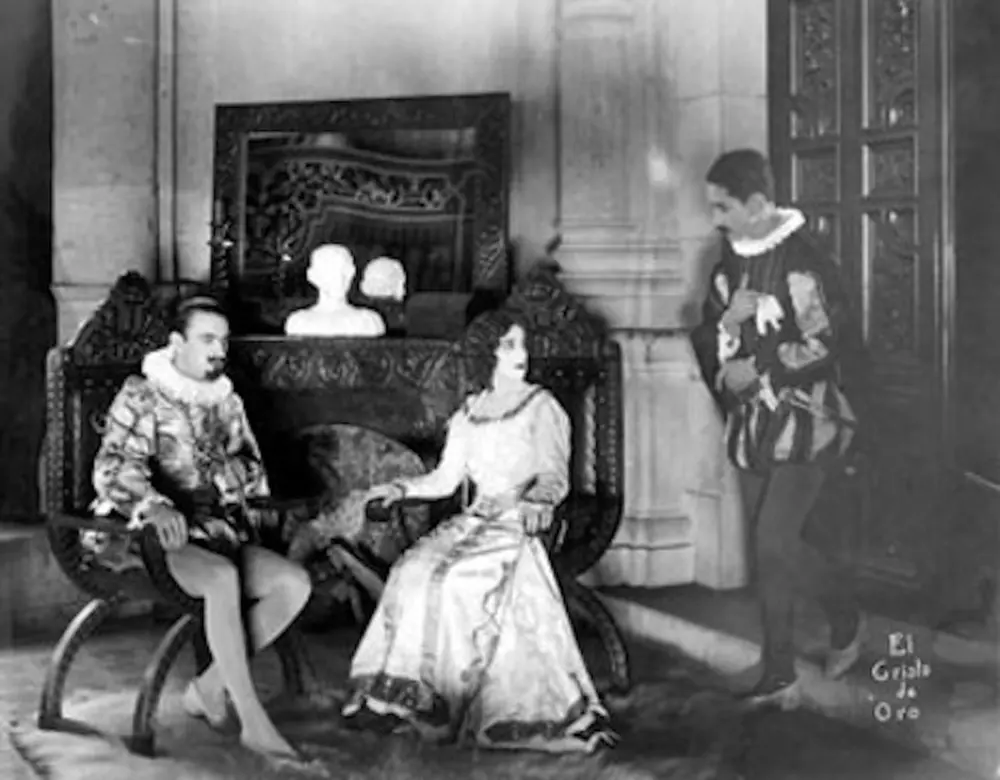
Is El Cristo de oro worth watching today? Short answer: yes, but with significant caveats that demand a particular kind of cinematic engagement. This film is for dedicated cinephiles, historians of early cinema, and those fascinated by the cultural and religious narratives of its time. It is decidedly NOT for casual viewers seeking modern pacing or clear, accessible storytelling without context.
Stepping into the world of El Cristo de oro is less about passive entertainment and more about an active archaeological dig into the foundations of storytelling. This early work, featuring performances from Otilia Zambrano and Fanny Schiller, presents a fascinating, if sometimes challenging, window into a bygone era of filmmaking.
This film works because of its audacious thematic ambition, attempting to grapple with profound questions of faith, materialism, and community through the lens of early cinematic techniques. Its raw, unvarnished performances, though often broad by today's standards, carry an undeniable emotional weight that speaks to the era’s directness. Furthermore, its sheer historical significance as a piece of early Mexican cinema offers invaluable insight into cultural representation and narrative construction of the period.
Conversely, this film fails because its archaic pacing can feel glacial, demanding a patience that modern audiences rarely possess. The melodramatic excesses, common to its time, sometimes border on the unintentionally comical, undermining genuine emotional impact. Moreover, the narrative, potentially sparse in exposition, occasionally leaves contemporary viewers grasping for clearer motivations or plot points, a common challenge with films from this nascent period of cinema.
You should watch it if you appreciate the unique charm and challenges of early cinema, are eager to explore the roots of cinematic expression, and are willing to engage with a film on its own historical terms, rather than judging it by contemporary metrics. It's an experience for the curious, the patient, and the scholarly, offering a rich reward for those who meet it halfway.
At its core, El Cristo de oro appears to be a profound meditation on the collision of the sacred and the material. The titular 'Golden Christ' is not merely a prop; it’s the spiritual anchor for an entire community, likely a rural village struggling against the encroachment of modernity or external forces. The film’s narrative, even without explicit details, strongly implies a conflict where this revered object becomes a symbol of faith under siege.
The writers, Basilio Zubiaur, Manuel R. Ojeda, and Luis Gonzalez Obregon, seem to have crafted a tale designed to provoke thought on the true value of belief versus the seductive allure of wealth. Imagine a scene where a skeptical outsider, perhaps played with a cynical glint by Luis Márquez, attempts to purchase or confiscate the statue, rationalizing its value purely in terms of gold. This would stand in stark contrast to the villagers, whose devotion, likely conveyed through the earnest expressions of Otilia Zambrano, transcends any monetary worth.
This thematic backbone is where El Cristo de oro truly shines, even if its execution is rooted in early cinematic conventions. It poses a question that remains relevant: can true faith withstand the pressures of greed and secular rationalism? This isn't just a period piece; it's a timeless fable, echoing the moral quandaries found in countless narratives throughout history. The film’s boldness in tackling such weighty themes with the limited tools of early cinema is genuinely admirable, setting it apart from more frivolous contemporary fare.
One could argue that the film, despite its age, offers a more direct and less diluted exploration of these themes than many modern dramas. It doesn't shy away from the stark reality of human motivations, making it a surprisingly potent philosophical exercise. The film’s central conflict, though simple, resonates deeply because it taps into universal human struggles.
Analyzing the direction and cinematography of El Cristo de oro requires an appreciation for the nascent state of filmmaking. Given its likely era, we can infer a reliance on static camera work, theatrical blocking, and natural light, augmented by nascent artificial lighting techniques. The film’s visual language would have been less about dynamic camera movement and more about carefully composed tableaux designed to convey emotion and narrative through strong visual cues.
Consider a moment where the golden Christ statue is revealed. The cinematography would likely employ a fixed, reverential shot, perhaps a medium close-up, allowing its intricate details to register, emphasizing its sacred aura. This would be less about a flashy reveal and more about a sustained gaze, inviting the audience to share in the villagers’ reverence. The use of shadows and light, even if rudimentary, would have been critical in conveying mood—perhaps stark contrasts to highlight the spiritual purity against encroaching darkness.
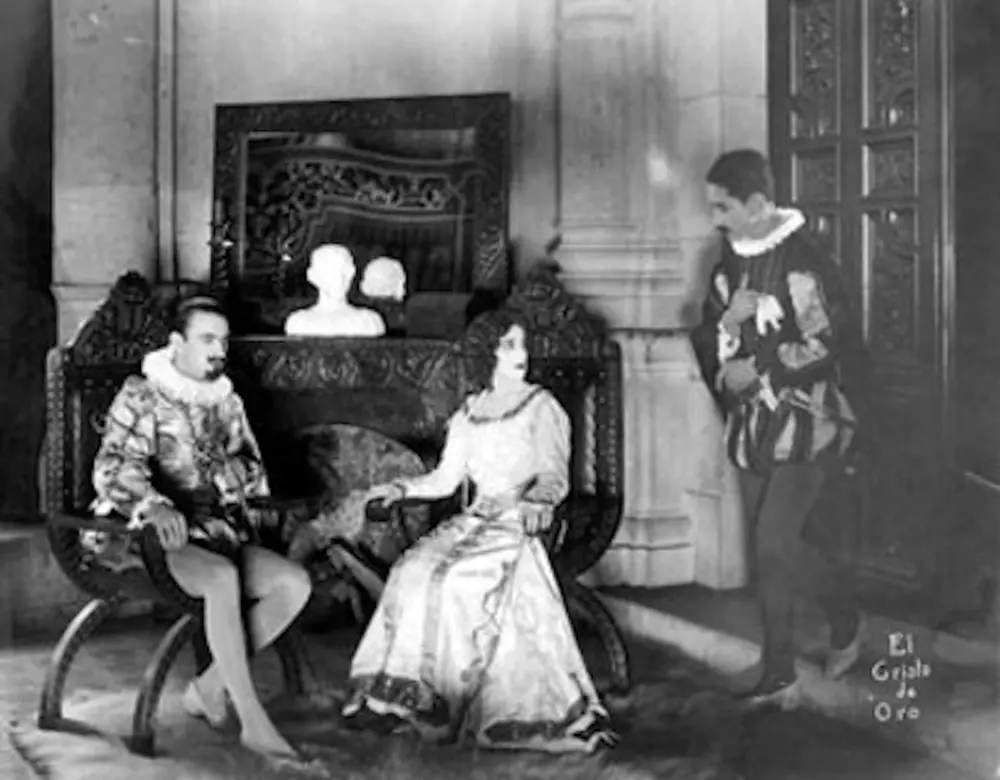
Pacing, as mentioned, is a significant hurdle for modern viewers. Early films like El Cristo de oro often moved at a deliberate, almost meditative speed, allowing scenes to unfold slowly, letting emotions marinate. This isn't a flaw of the film itself, but rather a characteristic of its time. It's a rhythm that demands patience, a willingness to sit with the unfolding drama rather than being rushed through it. This slower tempo, however, can also allow for a deeper immersion into the film’s atmosphere, if one is prepared for it.
The tone would undoubtedly lean towards melodrama, a hallmark of early silent cinema. Grand gestures, heightened emotions, and clear-cut good-versus-evil dichotomies were the order of the day. While this can sometimes feel dated, it also possesses a raw, unfiltered honesty. It’s a style that, when understood in its context, can be incredibly effective in conveying powerful narratives, much like More to Be Pitied Than Scorned might have leveraged similar emotional highs.
The film's technical limitations, far from being weaknesses, often forced filmmakers to be incredibly inventive. The absence of synchronized sound meant that visual storytelling had to be paramount, every gesture, every facial expression, every intertitle, carefully chosen to convey meaning. This makes El Cristo de oro a fascinating study in visual narrative purity.
The cast of El Cristo de oro features names like Otilia Zambrano, Fanny Schiller, and Manuel R. Ojeda, actors who were instrumental in shaping early Mexican cinema. Their performances, viewed through a contemporary lens, might appear exaggerated or overly theatrical. However, this was the prevailing acting style of the era, designed to project emotions clearly without the aid of spoken dialogue, often drawing heavily from stage traditions.
Otilia Zambrano, a name synonymous with early dramatic prowess, likely anchors the film with a performance that, while perhaps broad in gesture, conveys a deep internal struggle. One can easily imagine a scene where her character, faced with the potential loss of the titular statue, expresses anguish not through dialogue, but through a silent, wrenching tableau of despair, her eyes conveying volumes of unspoken prayer. This kind of physical acting, while demanding, allows for a universal interpretation of emotion.
Fanny Schiller, another prominent figure, would have brought a similar gravitas or perhaps a contrasting fragility to her role. Her ability to convey subtle shifts in character, even within the confines of silent film acting, would have been crucial in adding layers to the communal struggle. The dynamic between her and Zambrano could have formed a powerful emotional core, representing different facets of faith or resilience within the community.
Manuel R. Ojeda, who also contributed to the writing, might have played a character with more nuanced motivations—perhaps an elder, a conflicted figure, or even the antagonist. His dual role as writer and actor suggests a deep understanding of the character's journey, which would likely translate into a more considered performance. In a film centered on a sacred object, his portrayal could have been key to exploring the human element of doubt or conviction.
The challenge for modern audiences lies in re-calibrating their expectations. These actors were not aiming for naturalism as we understand it today. They were storytellers using their bodies and faces as grand canvases. Dismissing their work as 'overacting' misses the point entirely. It's a different form of artistry, one that requires engagement on its own terms. Their performances are a window into a different theatrical tradition, one that is both compelling and historically significant.
Yes, for the right audience, El Cristo de oro is absolutely worth watching. It offers a unique window into early cinema. It challenges viewers to engage with a different pace and style. It rewards those interested in film history and cultural studies. It's a valuable artifact in itself. It’s not for everyone, but its historical and thematic weight is undeniable.
El Cristo de oro is not a film to be consumed casually. It is an experience that demands reverence, patience, and a genuine curiosity for the origins of cinema. It works. But it’s flawed.
For those willing to invest the time and intellectual effort, it offers a profoundly rewarding journey into the heart of early filmmaking and the timeless human dramas it sought to capture. It’s a testament to the power of storytelling that even with the most basic tools, filmmakers like Basilio Zubiaur and Manuel R. Ojeda could craft narratives that resonate across generations. This isn't just a movie; it's a historical document, a cultural touchstone, and a stark reminder of how far the medium has come, and yet how some core themes remain eternally compelling.
While it may not possess the immediate appeal of a contemporary blockbuster or the polished artistry of a later classic, El Cristo de oro holds an undeniable power. It forces us to confront our own expectations of cinema, challenging us to look beyond surface-level entertainment and appreciate the raw, foundational artistry that paved the way for everything that followed. It’s a film that, like its titular statue, might be weathered by time but retains its golden glow for those who truly seek its light. Much like exploring the intricacies of The Puppet Crown or the dramatic flair of Almost a Husband, engaging with El Cristo de oro is an essential part of understanding the diverse tapestry of early film history.
IMDb —
1914
Community
Log in to comment.