DbcultAccessing Vault...
6/10
Senior Film Conservator
A definitive 6/10 rating for a film that redefined the boundaries of cult cinema. A Wireless Lizzie remains a cornerstone of transgressive art.
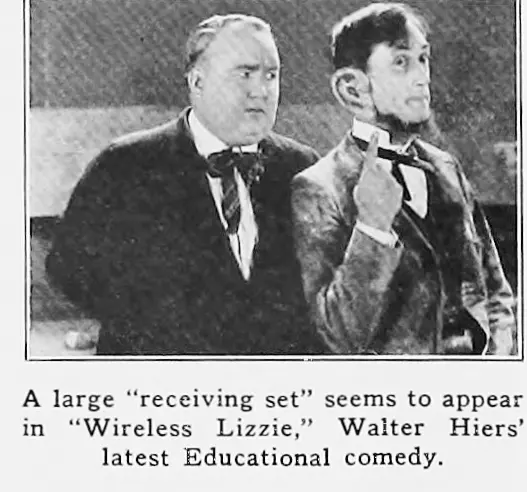
Is "A Wireless Lizzie" worth watching today? Short answer: yes, absolutely, especially for those with a fondness for early cinematic innovation and slapstick charm. This silent-era gem, with its blend of inventive technology and farcical romance, offers a delightful glimpse into the comedic sensibilities of its time, making it a surprisingly engaging watch for the right audience.
This film is an absolute must-see for silent film enthusiasts, cinephiles interested in the evolution of comedy, and anyone who appreciates the ingenuity of early practical effects. However, it's decidedly not for viewers seeking intricate character development, modern pacing, or a narrative free from the broad strokes typical of 1920s humor.
This film works because of its relentless comedic momentum, driven by a simple yet effective premise that allows for escalating chaos. The central idea of a remote-controlled car was remarkably forward-thinking for its era, providing a fresh canvas for physical comedy and chase sequences. Furthermore, the earnest performances, particularly from Walter Hiers, anchor the absurdity with a relatable human element.
This film fails because its narrative depth is almost non-existent beyond the immediate comedic setups. While charming, the characters are largely archetypes, and the resolution, while satisfying in a slapstick sense, lacks any real emotional weight. The pacing, while brisk, occasionally sacrifices setup for immediate payoff, leaving some gags feeling slightly underdeveloped.
You should watch it if you're eager to experience a piece of cinematic history that still manages to elicit genuine smiles and occasional laughter through its sheer inventiveness and energetic execution. It’s a perfect film for a light, nostalgic viewing, particularly if you're exploring the roots of mechanical comedy and romantic farce in cinema.
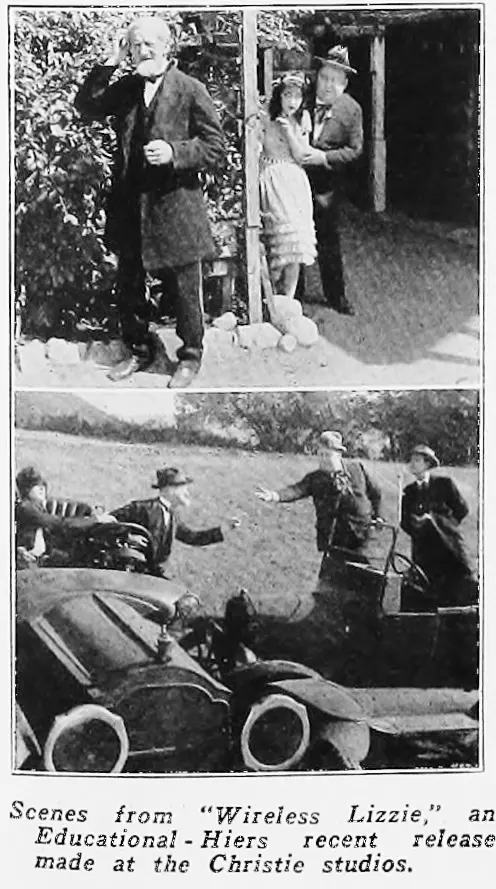
"A Wireless Lizzie" plunges us into the world of Walter, an inventor whose latest contraption is a truly novel concept for the 1920s: a car that can be controlled without a driver. The premise is simple, yet fertile ground for comedy. Walter, in his eagerness to impress a potential buyer, sets up a demonstration that quickly goes awry. His rival, Bill, a character defined by petty jealousy, seizes the opportunity to sabotage the demonstration. This single act of mischief unleashes a chain reaction of escalating absurdity, transforming a simple sales pitch into a city-wide chase.
The film cleverly bifurcates its narrative, weaving the runaway car scenario with a classic romantic farce. Walter and his sweetheart, Mary, decide to elope, a decision they unwisely discuss in front of an open microphone at a radio station. This seemingly innocuous mistake catapults Mary’s father into the chase, adding a layer of paternal fury to the already chaotic proceedings. The brilliance lies in how these two separate threads, the mechanical mishap and the romantic rebellion, converge to create a crescendo of comedic pursuit.
The plot, while straightforward, is an excellent example of silent-era storytelling where visual gags and physical comedy take precedence over intricate dialogue or character arcs. It’s a testament to the writers, including Robert Hall, that such a simple premise could sustain a feature-length film with consistent energy. The film doesn't aim for profundity; it aims for laughs, and largely, it hits its mark by building one ridiculous situation upon another.
Walter Hiers, as the titular inventor Walter, carries much of the film's comedic weight with an earnest, slightly flustered demeanor that is instantly endearing. Hiers possesses that classic silent comedian’s knack for physical expression, conveying frustration, triumph, and desperation with broad gestures and exaggerated facial contortions that transcend the lack of spoken dialogue. His performance grounds the absurdity, making Walter's plight relatable even as his invention runs amok.
Consider the scene where Walter first attempts to demonstrate his remote control: Hiers’ initial pride and confident gestures quickly dissolve into panicked flailing as the car gains a mind of its own. This shift is executed with precision, highlighting his skill in physical comedy. He’s not a stoic like Buster Keaton, nor a tramp like Charlie Chaplin, but rather an everyman caught in extraordinary circumstances, a comedic persona that resonates.
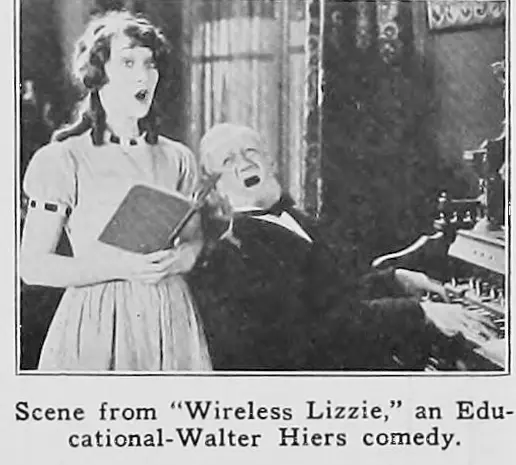
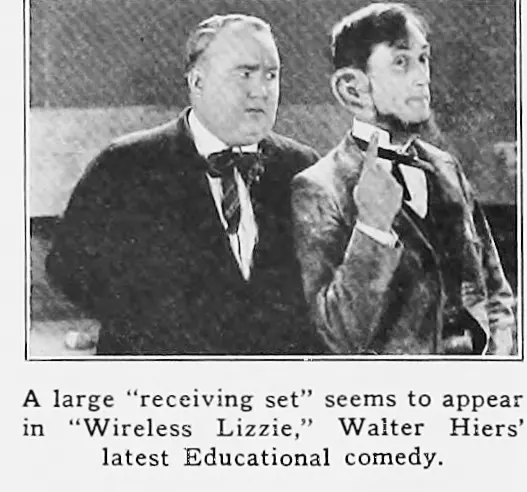
Lincoln Plumer, as the rival Bill, provides a wonderfully spiteful foil. His sneering expressions and conspiratorial glances are perfectly pitched for the villain of a silent comedy. Bill isn't a nuanced antagonist; he's pure, unadulterated mischief, and Plumer plays him with a delightful commitment to villainy. Duane Thompson, as Mary, provides the romantic interest, her reactions often mirroring the audience's bewildered amusement or concern. While her role is less overtly comedic, her expressive reactions to Walter's predicaments and her father's pursuit add emotional stakes to the farce.
The ensemble works cohesively, each actor understanding their archetypal role within the comedic machinery. Jack Duffy and William Irving, though in smaller roles, contribute to the tapestry of reactions and pursuits that define the film's energy. It’s a masterclass in how silent actors could convey complex situations and emotions using only their bodies and faces, a skill often underestimated by modern audiences accustomed to dialogue-driven performances.
The direction of "A Wireless Lizzie" is remarkably effective in maintaining a relentless pace and escalating comedic tension. The filmmakers understood the core appeal of their premise: a runaway car and a frantic chase. The camera is often dynamic, following the out-of-control jalopy through city streets and open roads, creating a sense of genuine speed and peril, even if the peril is purely comedic. This kinetic energy is crucial for a silent film, preventing any lulls in audience engagement.
One particularly well-staged sequence involves the car's initial sabotage and subsequent escape. The quick cuts between Bill fiddling with the controls and Walter's bewildered attempts to regain command build immediate suspense and humor. The director orchestrates multiple simultaneous actions with clarity, ensuring that even amidst the chaos, the audience understands who is chasing whom, and why. The film doesn't just show the car running wild; it shows the reactions of bewildered pedestrians, adding to the comedic texture.
The tone is consistently lighthearted and farcical, never veering into genuine drama or danger. Even Mary’s father’s pursuit to stop the elopement is played for laughs, his frantic efforts often more clumsy than threatening. This commitment to a singular comedic tone ensures the film remains an enjoyable, escapist experience. The pacing is brisk, perhaps even a little too brisk in some moments, where a beat or two more could have heightened a gag. However, this relentless forward momentum is also its strength, propelling the viewer from one comedic set-piece to the next without pause.
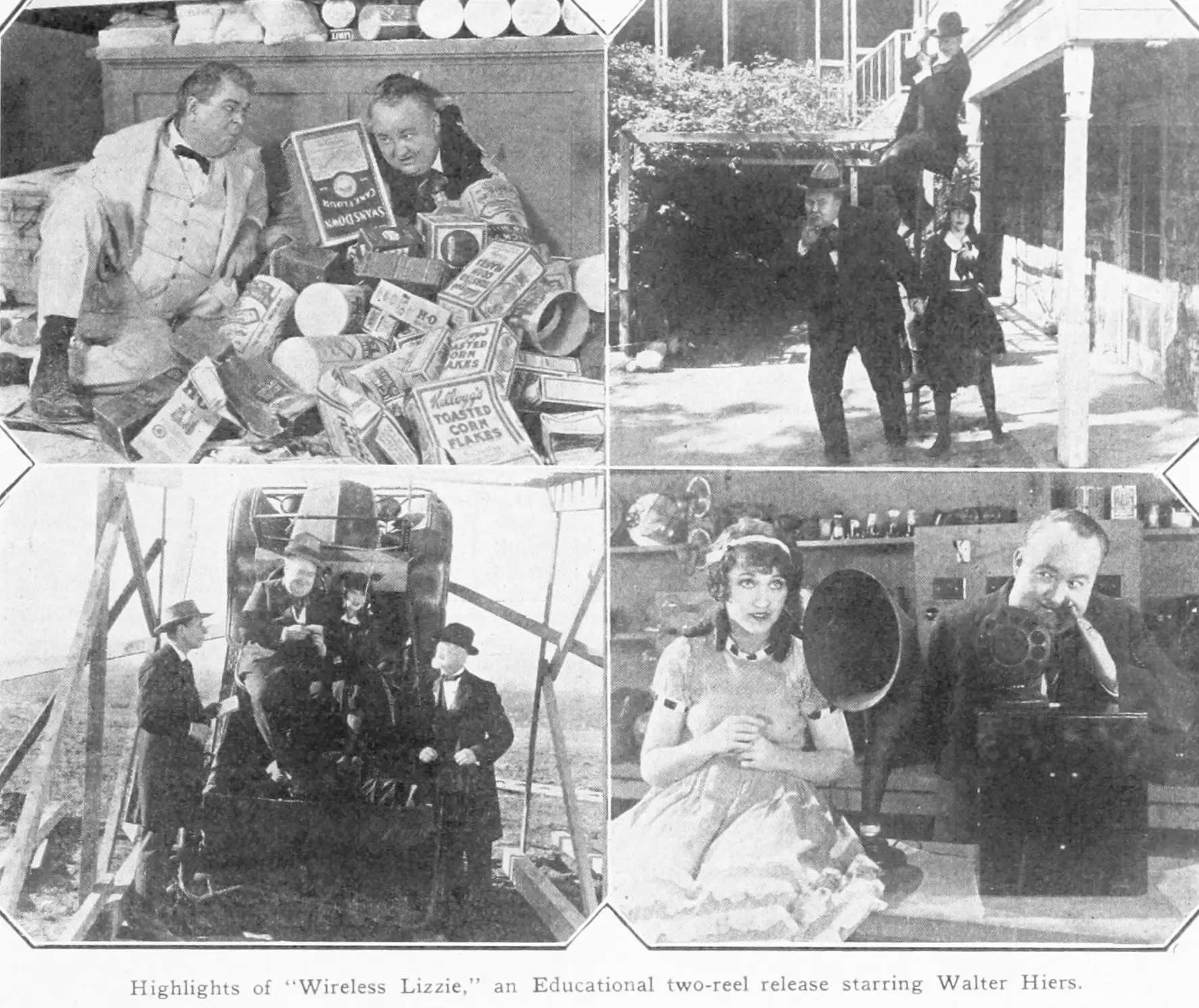
The cinematography in "A Wireless Lizzie" might not be groundbreaking by today's standards, but for its era, it effectively captures the action and maintains visual clarity. The film utilizes a mix of static wide shots to establish the comedic chaos and closer shots to emphasize character reactions. The surviving prints, typical of many silent films, may show signs of wear, but the underlying visual storytelling remains intact. The clarity of the compositions allows the physical comedy to shine through, unhindered by overly complex camera work.
The production design, particularly for Walter's jalopy, is a highlight. The car itself is a character, a testament to early practical effects and prop design. The ingenuity required to simulate remote control in the 1920s, likely involving hidden operators or clever camera tricks, speaks volumes about the creative problem-solving of the era. The radio station set, while simple, effectively conveys the novelty of broadcast technology at the time, making the accidental broadcast of the elopement plans feel both plausible and comically inevitable.
Outdoor locations, from bustling streets to more open stretches, are utilized effectively to provide variety for the chase sequences. The film makes good use of its environment, turning everyday settings into playgrounds for slapstick. The visual language of the film is primarily functional, designed to serve the gags and propel the narrative. There's an honesty to its presentation, a focus on clear storytelling over stylistic flourishes, which is a hallmark of many successful silent comedies. It's a reminder that sometimes, simple execution can be the most effective.
Absolutely. "A Wireless Lizzie" offers a unique window into the past, proving that technological innovation and romantic farce have been fertile ground for comedy for over a century. It's a delightful, energetic film that doesn't overstay its welcome and delivers consistent laughs through its inventive premise and physical comedy.
Who is it for? Silent film aficionados, students of film history, and anyone who enjoys a good, old-fashioned slapstick chase. It’s perfect for a casual watch, demanding little from the viewer beyond an open mind and a willingness to appreciate the comedic stylings of a bygone era.
Who is it not for? Viewers who demand sophisticated plots, deep character development, or dialogue-heavy humor will likely find it wanting. Its broad humor and rapid pacing might feel antiquated to those accustomed to modern comedic sensibilities.
Despite its age, the film's core concept – technology going awry – remains surprisingly relevant and funny. The sheer ingenuity of the remote-controlled car concept for its time is fascinating, making it more than just a historical curiosity. It’s a testament to the timeless appeal of well-executed physical comedy. This film, alongside contemporaries like The Salvation Hunters, showcases the diverse cinematic landscape of the 1920s, proving that even amidst serious dramas, there was a vibrant, innovative comedic spirit.
"A Wireless Lizzie" is more than just a series of gags; it’s a fascinating snapshot of early 20th-century anxieties and excitements surrounding technology. The invention of the remote-controlled car taps into a nascent fascination with automation and the possibilities of unseen forces, like radio waves, that were just beginning to permeate daily life. It's a playful exploration of how new technology, while promising convenience, often introduces unforeseen chaos. This theme of human invention leading to humorous disaster is a timeless comedic trope, one that "A Wireless Lizzie" executes with surprising foresight.
The film also deftly handles the classic romantic comedy theme of elopement and paternal disapproval. The radio broadcast mishap is a brilliant device, leveraging contemporary technology to amplify a very human dilemma. It highlights the growing interconnectedness of society, where private plans could inadvertently become public knowledge, a concept that only continues to expand in the digital age. This blend of technological novelty and relatable human conflict gives the film a surprising depth beyond its surface-level slapstick.
Its legacy lies in its contribution to the rich tapestry of silent film comedy. While perhaps not as widely celebrated as the works of Chaplin or Keaton, "A Wireless Lizzie" demonstrates the widespread creativity and ingenuity present in the era. It showcases how filmmakers were constantly experimenting with new ideas and pushing the boundaries of what was possible on screen. It’s a foundational piece in the history of 'machine gone rogue' narratives, influencing countless comedies that followed.
The film’s simple yet effective structure of escalating chaos, from mechanical failure to romantic pursuit, is a blueprint for many comedies. It teaches us that sometimes, the most enduring humor comes from the simplest, most universal human experiences amplified by unexpected circumstances. It’s a reminder that comedy often thrives on the disruption of order, a principle this film understands implicitly. While other films like The Desired Woman explored more dramatic romantic entanglements, "A Wireless Lizzie" found its niche in the lighter, more farcical side of love and technology.
"A Wireless Lizzie" is a charming, energetic relic from the silent era that still manages to entertain. It works. But it’s flawed. Its brilliance lies in its sheer audacity and the infectious enthusiasm of its execution, proving that a clever idea and dedicated physical comedy can transcend time. While it won't challenge your intellect or stir your soul, it will undeniably put a smile on your face. This film is a delightful reminder of the foundational creativity that shaped cinema, and for that alone, it deserves a look.
IMDb 6.8
1914
Community
Log in to comment.