DbcultAccessing Vault...
7.1/10
Senior Film Conservator
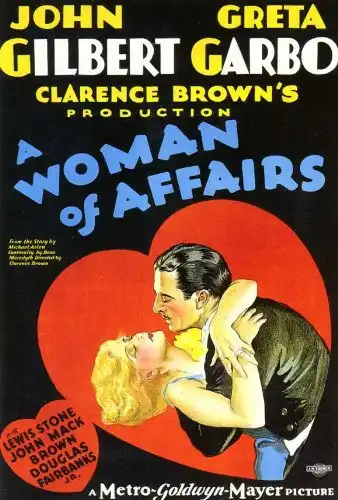
A definitive 7.1/10 rating for a film that redefined the boundaries of cult cinema. A Woman of Affairs remains a cornerstone of transgressive art.
If you want to understand why Greta Garbo became a deity of the silver screen, A Woman of Affairs is the primary evidence. Is it worth watching today? Yes, but primarily as a visual experience and a study in star power. If you are looking for a tightly wound narrative or modern pacing, you will likely find the second act’s melodramatic detours frustrating. However, for fans of silent cinema or anyone interested in the history of the 'close-up,' this film is essential viewing. It is a movie for those who appreciate the texture of a performance over the mechanics of a script.
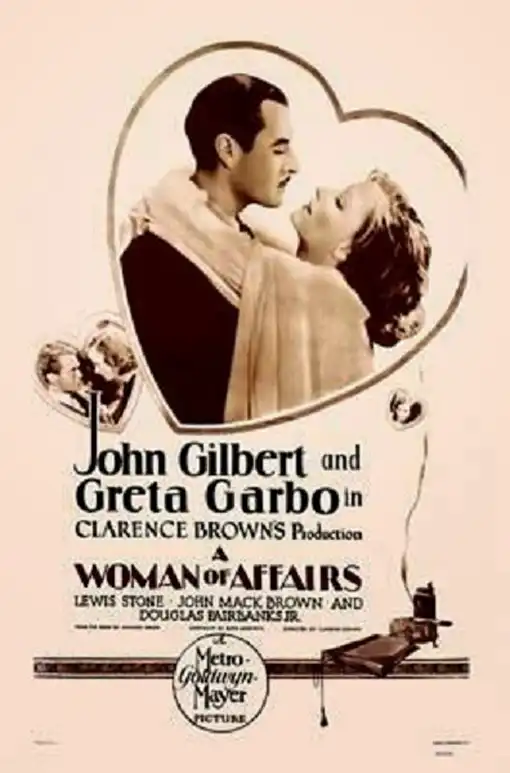
Those who dislike silent era 'vamping' or the heavy-handed morality of the 1920s might find the plot’s obsession with 'decency' and 'honor' a bit exhausting. But for everyone else, the sheer aesthetic beauty of the film compensates for its narrative aging.

The film reunites Garbo with John Gilbert, her real-life flame and frequent co-star. While Gilbert is often remembered for the 'Great Lover' persona that supposedly didn't survive the transition to sound, here he provides a solid, if somewhat standard, romantic foil. He spends a lot of time looking pained in well-tailored suits. But the film belongs entirely to Garbo. There is a specific quality to her movement—a heavy-lidded weariness—that makes her feel more modern than anyone else in the frame.
One of the most striking moments is not a big dramatic outburst, but a scene where Garbo’s character, Diana, is simply sitting in a car. The way the light hits her face as she stares into the middle distance tells you more about her internal collapse than any of the dialogue cards. Her performance isn't about grand gestures; it’s about the way she holds a cigarette or the slight slump in her shoulders when she realizes the man she loves is truly out of reach. In contrast, Douglas Fairbanks Jr. provides a jittery, high-energy performance as her doomed brother Jeffry. It’s an early look at his talent, though his 'drunk acting' feels a bit theatrical compared to Garbo's grounded sorrow.
It is impossible to discuss A Woman of Affairs without mentioning what is missing. The film is based on Michael Arlen’s scandalous novel The Green Hat, which dealt with themes of syphilis and 'purity' that the Hays Office would not allow on screen. Consequently, the film has to dance around the motivations of Diana’s husband, David. In the book, his suicide is tied to a 'shameful' disease; in the movie, it’s changed to 'thievery.'
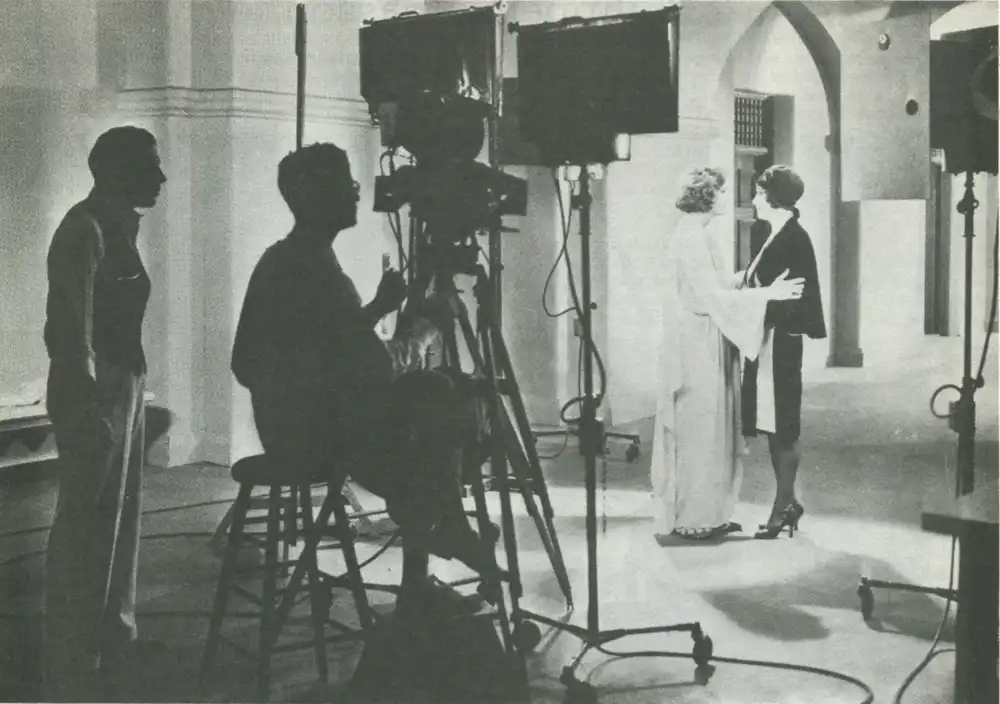
This change creates a strange tonal disconnect. The characters react with such world-ending horror to a bit of white-collar crime that it feels disproportionate. You can see the film straining against these restrictions. This results in some awkward pauses and reaction shots that linger just a second too long, as if the director, Clarence Brown, was trying to signal the 'real' meaning to the audience without saying it out loud. If you’ve seen more visceral silent dramas like Way Down East, you might notice that A Woman of Affairs feels more polished but also more emotionally muffled by its own politeness.
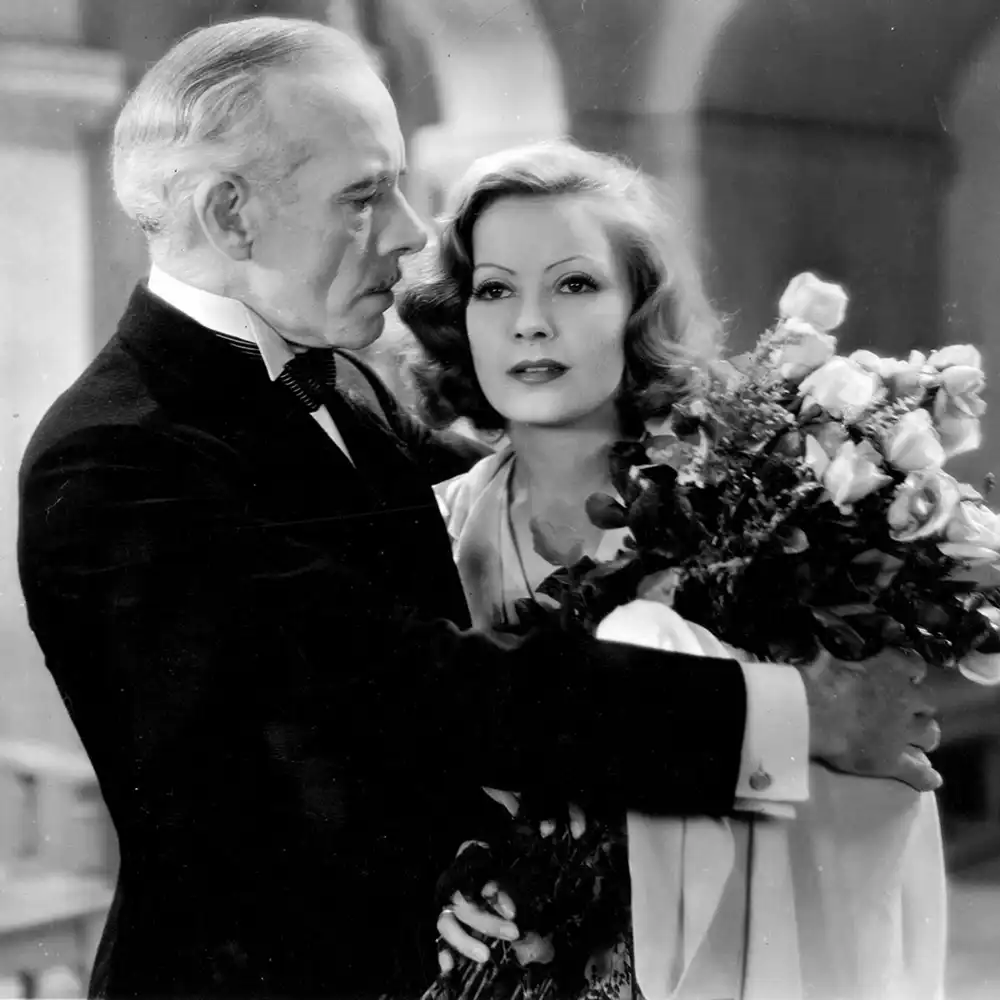
The cinematography by William Daniels is the film’s greatest asset. He pioneered the 'Garbo lighting'—a soft-focus, high-contrast style that makes her skin look almost translucent. The film is full of deep shadows and elegant compositions. Notice the scene in the hospital toward the end of the film. Diana is brought a bouquet of flowers, and the way she buries her face in them is genuinely moving. The camera stays tight on her, capturing a moment of sensory overload that feels incredibly intimate. It’s a sequence that would be ruined by sound; the silence allows the viewer to project their own grief into the frame.
The editing rhythm is generally smooth, though the film drags in the middle when Neville (Gilbert) returns from his travels. There are several long sequences of people standing in drawing rooms, looking at each other with intense longing, that could have been trimmed by five minutes without losing any emotional weight. The film’s obsession with its own atmosphere sometimes comes at the cost of forward momentum.
If you watch closely, you’ll notice the recurring motif of the ring. It’s not just a prop; it’s a symbol of the weight Diana is forced to carry. There is a specific shot where she looks at her hand, and the lighting shifts just enough to make the ring the brightest thing on screen. It’s a subtle bit of visual storytelling that shows the director’s control over the medium. Also, keep an eye on Lewis Stone as Dr. Hugh. He plays the 'moral compass' character, but his performance is surprisingly understated for the era. He watches the chaos with a detached, almost clinical pity that provides a necessary anchor for the high-octane melodrama surrounding him.
A Woman of Affairs is a film that lives and dies on its lead actress. While the story is a somewhat dated tale of 'ruined' women and aristocratic pride, the way it is captured on film is nothing short of breathtaking. It represents the peak of the MGM 'prestige' style—glossy, emotional, and deeply romantic. It’s a reminder that before movies talked, they could speak volumes through a single, perfectly lit glance. If you can forgive the clunky 'thievery' subplot, you’ll find a haunting portrait of a woman being slowly erased by the society she lives in.
IMDb —
1928
Community
Log in to comment.