DbcultAccessing Vault...
Cult Review
Senior Film Conservator
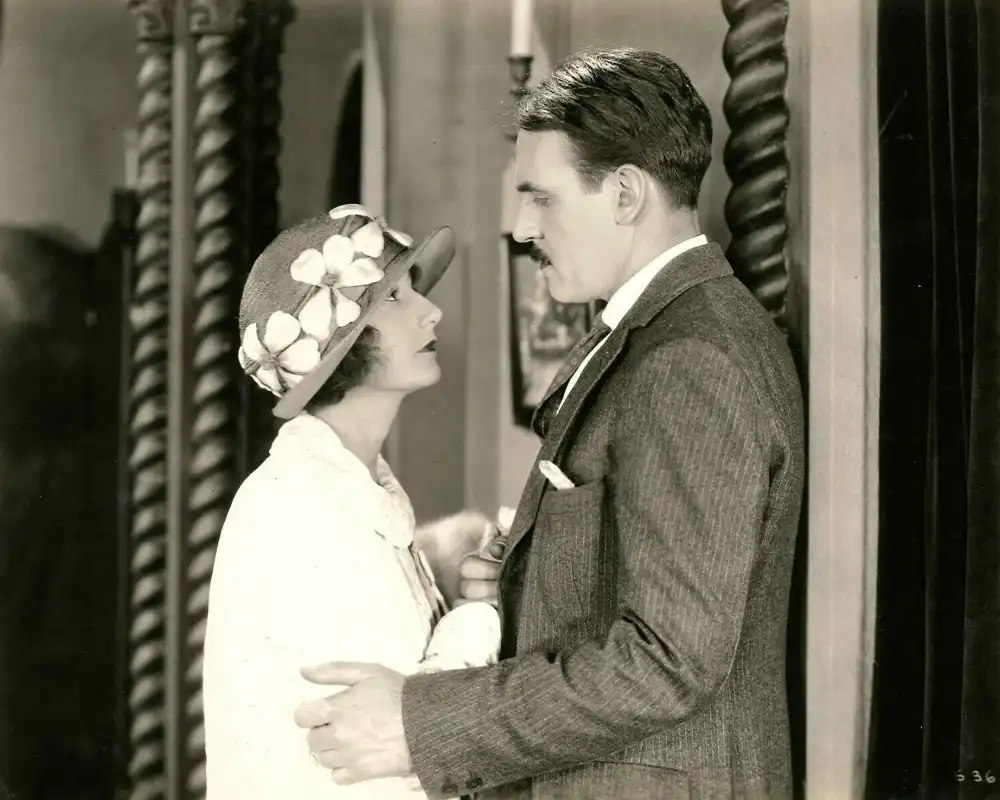
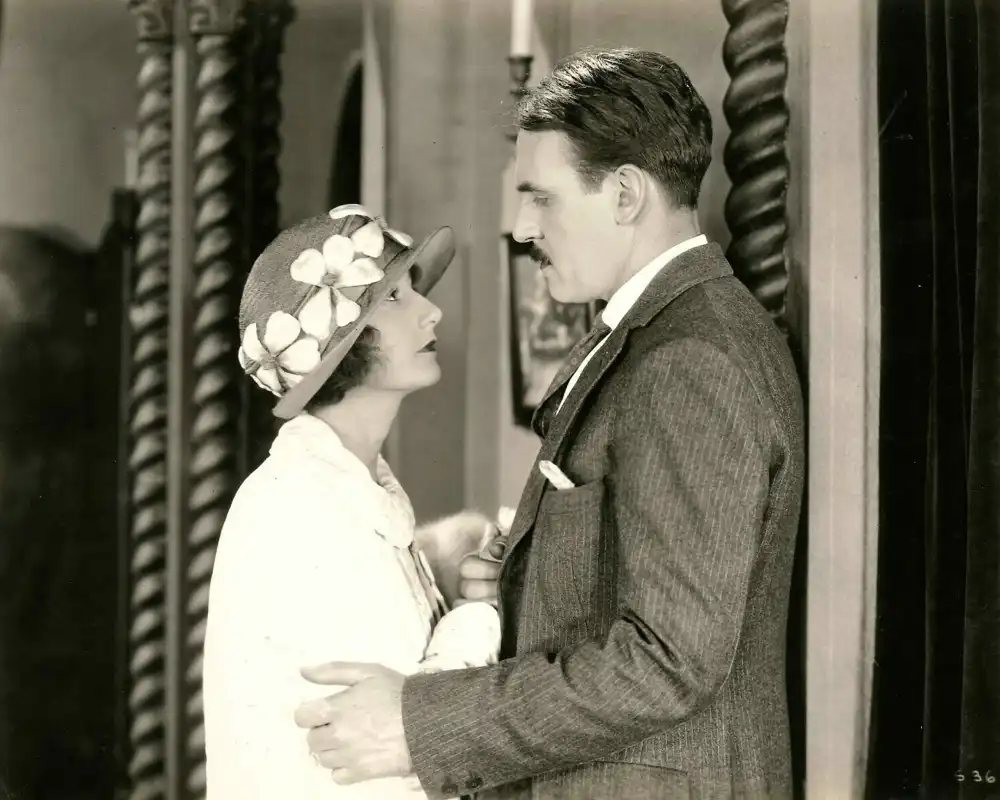
If you have a high tolerance for silent-era domestic dramas where people spend a lot of time staring intensely at letters they’ve just opened, Confessions of a Wife is worth a look. It’s definitely for the completionists or the TCM-at-3-AM crowd. If you’re looking for a tight plot or something that doesn't rely on the 'husband is boring, wife is restless' trope, you’re probably going to be checking your watch by the twenty-minute mark.
Ethel Grey Terry is the main reason to stick with it. She has these incredibly expressive eyes that seem to vibrate when she’s upset. There’s a small moment early on where she’s sitting at her vanity, just brushing her hair, and the way she pauses and looks at her reflection tells you everything about her character’s frustration. It’s better than any of the intertitles that follow. It’s a shame the movie doesn't trust her enough to just let her act without those constant, heavy-handed text cards explaining exactly how she feels.
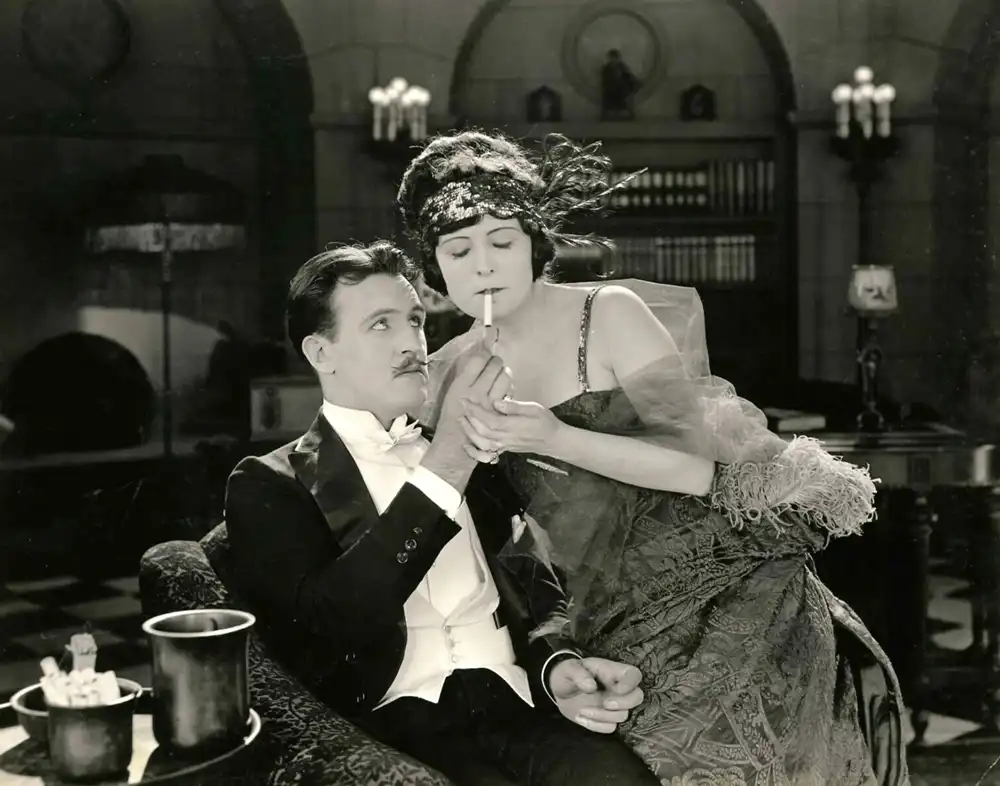
Walter McGrail plays the husband, and he’s... well, he’s very stiff. I can’t tell if he’s playing the character as a bore or if he just didn't know what to do with his hands. He stands in the corner of scenes like a piece of furniture that someone accidentally moved into the shot. It makes the wife’s desire to leave actually feel justified, even if the movie eventually tries to convince us he’s the 'right' choice. You almost want her to run away just so she can be around someone with a pulse.
The lighting in the library scene is weirdly distracting. There is a shadow on the back wall—I think it’s a piece of equipment—that keeps flickering. Once you notice it, it’s impossible to focus on the dialogue (or the lack thereof). It’s those little technical hiccups that remind you this was 1928 and they were still figuring out how to fill a room with enough light without burning the actors' retinas.
There’s a party scene in the middle that feels oddly empty. You can tell they didn't have enough extras. There are maybe six people trying to look like a 'wild social whirl,' and it just ends up looking like a very sad Tuesday night. One guy in the background is clearly just eating a prop grape for three minutes straight. I found myself watching him more than the lead actors.
The movie gets a bit more interesting when Helene Chadwick shows up. She has a spark that the rest of the cast is missing. Compared to something like The Perfect Flapper, this film feels a lot more old-fashioned and moralistic. It’s very concerned with 'consequences' and 'duty,' which makes the ending feel like a foregone conclusion rather than a real choice. It lacks the weird, dark energy you get in At the Mercy of Men, opting instead for a very polite, sanitized version of a marriage falling apart.
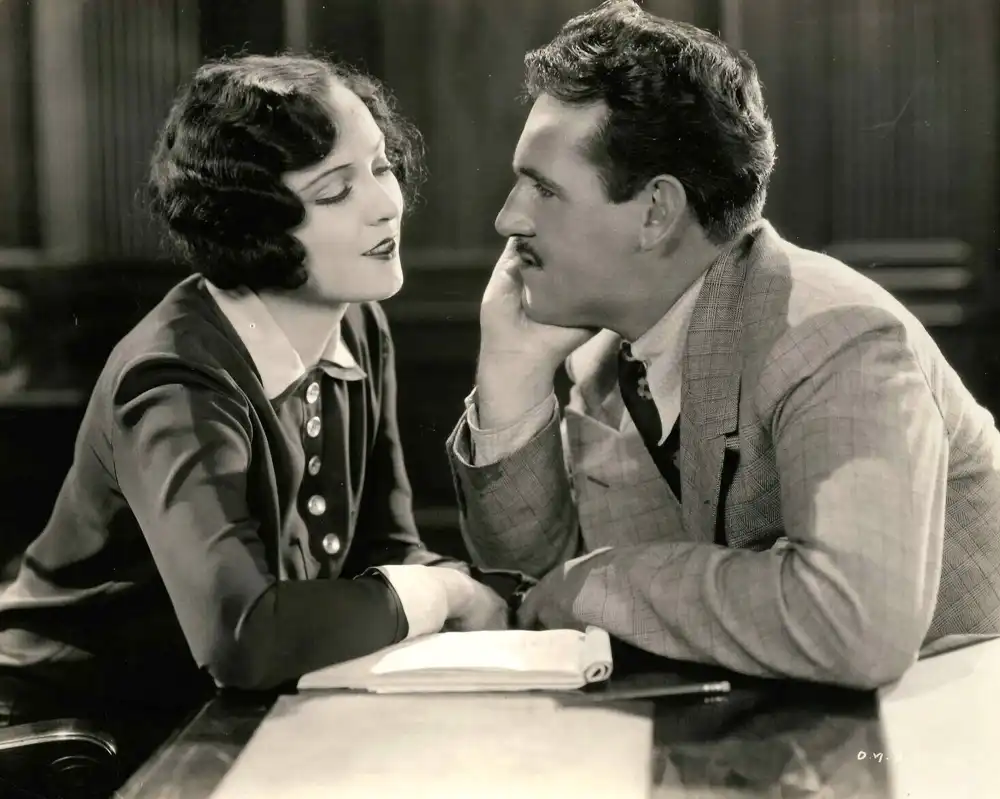
The editing is pretty choppy in the final act. There’s a transition from a garden scene back to the house that feels like it’s missing about ten seconds of footage. One second they’re arguing by a fountain, and the next, she’s in her bedroom crying. It’s jarring, and not in a way that feels intentional. It just feels like the film was cut with a pair of garden shears.
I did like the costumes, though. The hats are massive. There’s one hat Ethel Grey Terry wears that looks like it has its own zip code. It’s so big she has to tilt her head to get through a doorway. It’s the kind of 1920s excess that makes these movies fun to look at, even when the story starts to drag.
Ultimately, it’s a movie that spends a lot of time trying to convince you that being bored is a moral failing. The pacing sags heavily in the middle, especially during a sequence involving a secret note that goes on for way too long. We see the note. We see her hide the note. We see the husband look at the spot where the note is hidden. We get it. The movie doesn't need to loop back to it three more times.
If you’re a fan of Owen Davis’s writing, you might find some of the dramatic beats familiar, but the silent format doesn't do his dialogue-heavy style many favors. It’s a decent time capsule, but don’t expect it to stay with you much longer than the credits.

IMDb —
1926
Community
Log in to comment.