Summary
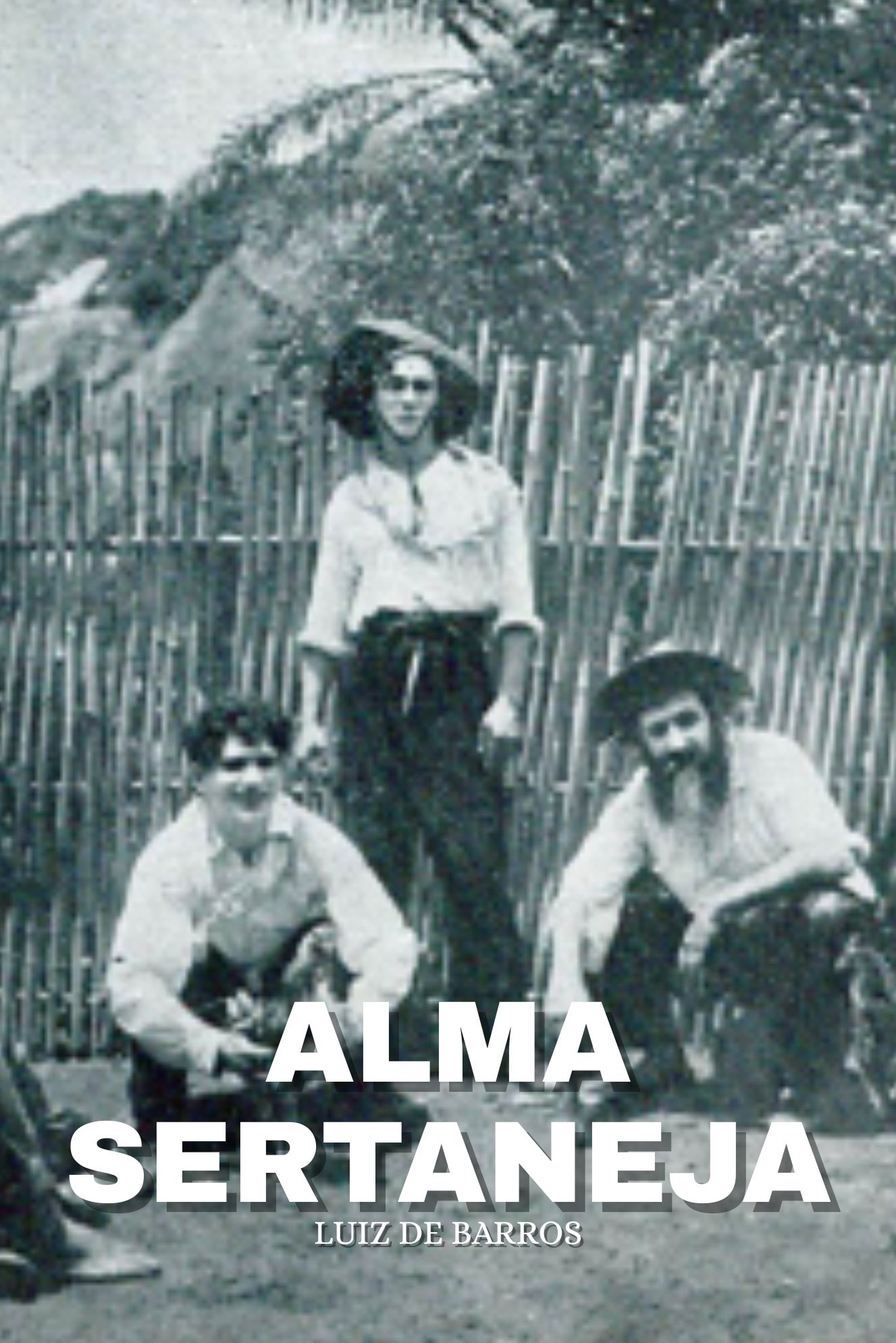
Alma Sertaneja follows the intertwined destinies of three families inhabiting a remote Brazilian sertão village during the tumultuous 1930s. At the centre is Maria (Antônia Denegri), a resilient farmhand whose yearning for education clashes with the patriarchal expectations of her father, Joaquim (José Figueiredo). Parallel to Maria’s struggle, the enigmatic widower Padre Miguel (Alvaro Fonseca) grapples with a crisis of faith after a devastating drought forces him to confront the limits of divine providence. The third thread weaves through the life of Rosa (Antonieta Olga), a charismatic cantadora whose songs become the oral chronicle of the community’s collective memory, preserving stories of love, betrayal, and resistance. As the drought intensifies, a landowner named Coronel Severino (Manuel F. Araujo) imposes a brutal labor regime, prompting a clandestine rebellion led by Rosa’s brother, Tiago (Pedro Dias). The narrative crescendos when Maria, driven by a secret love for Tiago, aids the insurgents, only to be betrayed by her own kin. In the climactic night of fire and gunfire, the village is razed, yet the ashes give rise to a fragile hope: the surviving women, led by Rosa, vow to rebuild the community on principles of solidarity and cultural preservation. The film concludes with a haunting tableau of Maria, now an elder, teaching children to read under the flickering light of a kerosene lamp, symbolizing the triumph of knowledge over oppression.
Review Excerpt
"body{background-color:#000;color:#fff;font-family:Georgia,serif;line-height:1.6;margin:0;padding:20px;}
The opening sequence of Alma Sertaneja immerses the viewer in a sun‑bleached landscape, where cracked earth stretches to the horizon and the wind carries the distant echo of a cantadora’s lament. This visual tableau, rendered in muted sepia tones, immediately signals the film’s preoccupation with endurance and the relentless passage of time.
Antônia Denegri’s portrayal of Maria is a study in r..."