DbcultAccessing Vault...
6/10
Senior Film Conservator

A definitive 6/10 rating for a film that redefined the boundaries of cult cinema. A Woman There Was remains a cornerstone of transgressive art.
Theda Bara, a name synonymous with exotic allure and the nascent concept of the cinematic vamp, cast a mesmerizing shadow across the silver screens of the early 20th century. Her very persona was a meticulously crafted tapestry of mystery and danger, an antidote to the demure ingenues that often populated the nascent film landscape. In an era still grappling with the profound societal shifts brought forth by modernity, Bara emerged as a potent symbol of untamed femininity, a force both seductive and destructive. Her films, often steeped in themes of forbidden passion, cultural collision, and tragic romance, resonated deeply with audiences eager for a taste of the unconventional. "A Woman There Was," released in 1917, stands as a quintessential example of Bara's captivating reign, a silent epic that plunges its viewers into a vibrant, yet volatile, world far removed from the urban sprawl of early 20th-century America. It is a cinematic journey that explores the raw, untamed heart of desire against a backdrop of stark cultural and spiritual divides, cementing Bara's legacy as a true icon of the silent era. The film, a product of its time, reflects prevalent fascinations with the 'exotic other,' yet manages to transcend mere spectacle through the sheer force of its star's magnetic presence and a narrative that, despite its melodramatic flourishes, dares to delve into profound questions of love, sacrifice, and belonging.
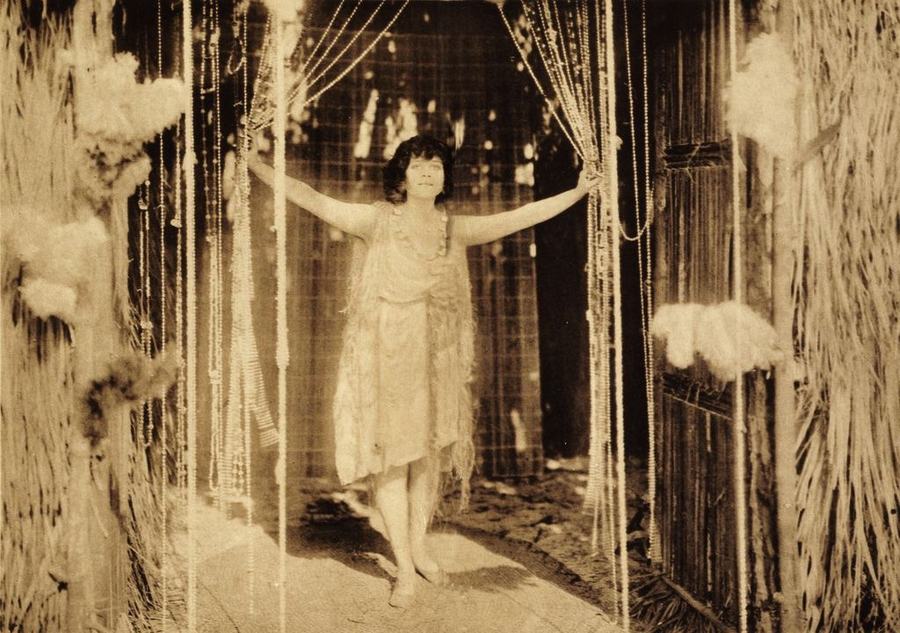
Our narrative unfolds on the fictional South Sea island of Kolpee, a place imagined as both Edenic and fraught with the ancient rhythms of nature and tradition. Here, life is dictated by the ebb and flow of tides, the bounty of the ocean, and the unyielding authority of Chief Majah. His daughter, Zara, portrayed with compelling intensity by Theda Bara, is no delicate flower. She is a creature of her environment: fierce, passionate, and utterly uninhibited, her spirit as boundless as the ocean that surrounds her home. Her affections are, initially, firmly pledged to Pulke, a pearl diver whose connection to the sea mirrors Zara's own primal bond with her land. Their love, though perhaps uncomplicated by modern sensibilities, pulses with an inherent, almost elemental, fidelity. It is a love born of shared heritage, mutual understanding, and the unspoken language of a people deeply rooted in their ancestral ways. This idyllic, if somewhat wild, existence is the canvas upon which the dramatic brushstrokes of external influence are about to be applied, irrevocably altering the destinies of Kolpee's inhabitants and challenging the very fabric of their societal norms. The film masterfully establishes this initial equilibrium, allowing the audience to become immersed in Zara's world before the inevitable disruption.
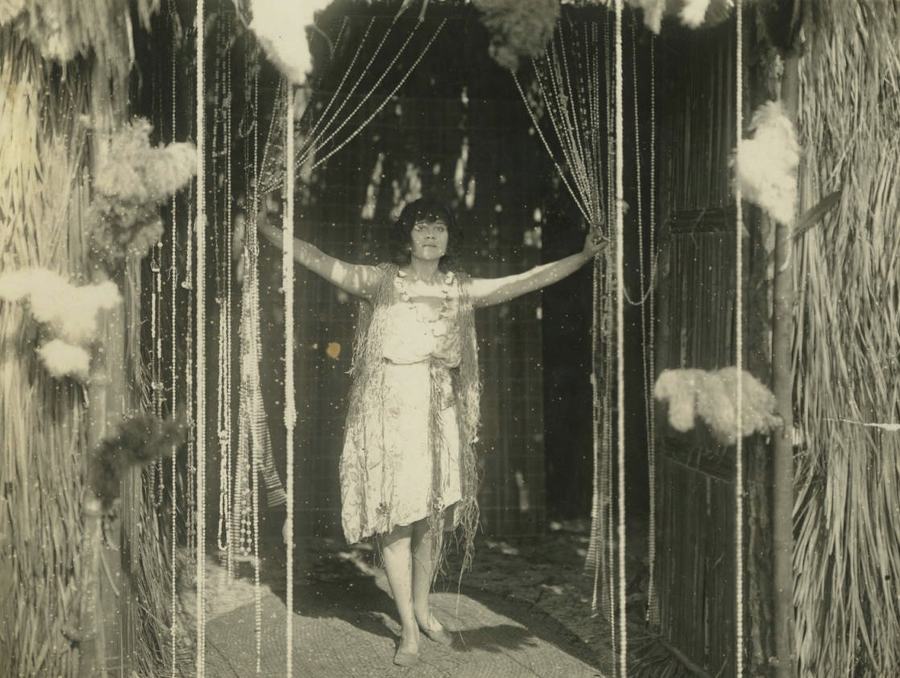
The serene equilibrium of Kolpee is shattered by the arrival of Winthrop Stark, a New England missionary whose very presence embodies the stark contrast between two worlds. Stark, a figure of rigid piety and unwavering conviction, represents the forces of Western civilization, with its emphasis on discipline, spiritual rectitude, and a perhaps well-intentioned but ultimately disruptive evangelism. His engagement back home signifies an adherence to a different kind of bond, one predicated on societal expectation and religious doctrine, rather than the raw, visceral passion that defines love on Kolpee. When Zara, in a gesture of unbridled, honest desire, offers herself to him, Stark’s refusal is not merely personal; it is a seismic clash of cultures and spiritual paradigms. His inability to comprehend her directness, his recoiling from her overt sensuality, highlights the vast chasm separating their respective worlds. This moment is pivotal, underscoring the film’s exploration of how deeply ingrained cultural values shape perceptions of morality, love, and human connection. It sets the stage for a dramatic conflict far more complex than a simple love triangle, evolving into a profound examination of misunderstanding and unintended consequences.
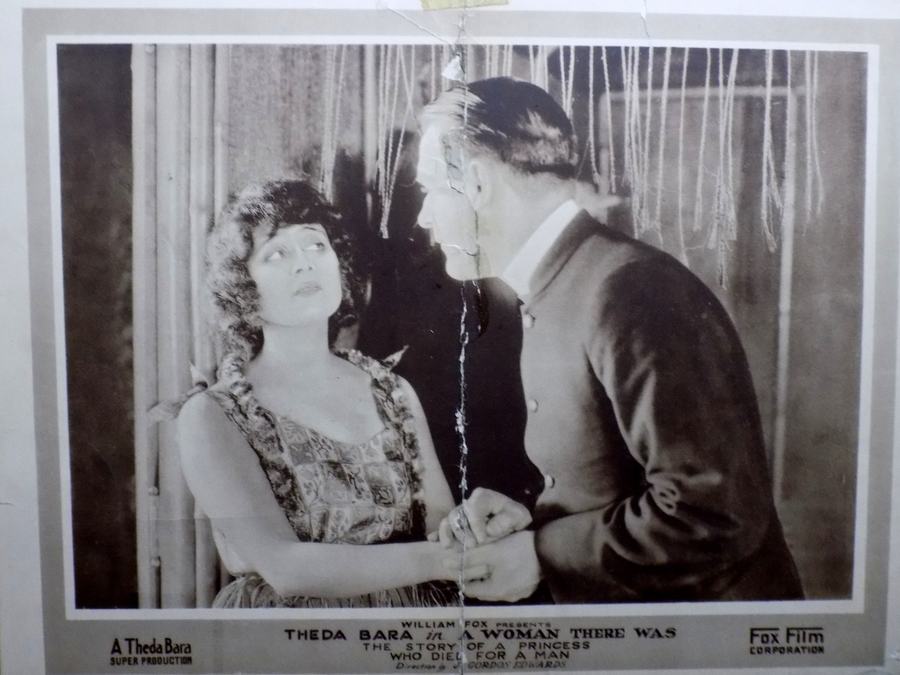
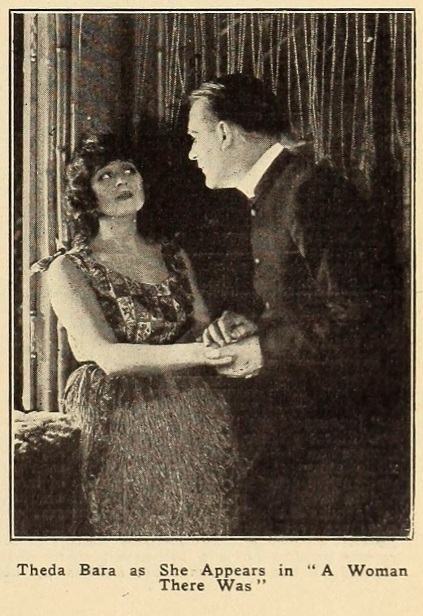
Zara’s reaction to Stark’s rejection transcends mere disappointment; it erupts into a profound philosophical challenge. Her dramatic interruption of his sermon, grasping his knees and accusing him of ignorance regarding true love, is a moment of astonishing power and insight. It is a primal cry against hypocrisy, a declaration that abstract notions of 'brotherly love' are hollow without the lived, felt experience of human passion and devotion. For Zara, love is not a concept to be preached from a pulpit, but a tangible, consuming force that demands recognition and reciprocation. Her outburst reveals a character of immense courage and conviction, unafraid to confront authority and tradition, whether her own or those imposed by an outsider. This scene, rendered with silent film’s characteristic grand gestures, speaks volumes about the universality of human emotion, even across seemingly insurmountable cultural divides. It is here that Bara truly shines, imbuing Zara with a passionate authenticity that makes her defiance not just understandable, but profoundly compelling. This portrayal of a woman challenging patriarchal and colonial assumptions about emotion finds a fascinating parallel in films like Far from the Madding Crowd, where Bathsheba Everdene similarly navigates societal expectations with an independent spirit, albeit in a different social milieu.
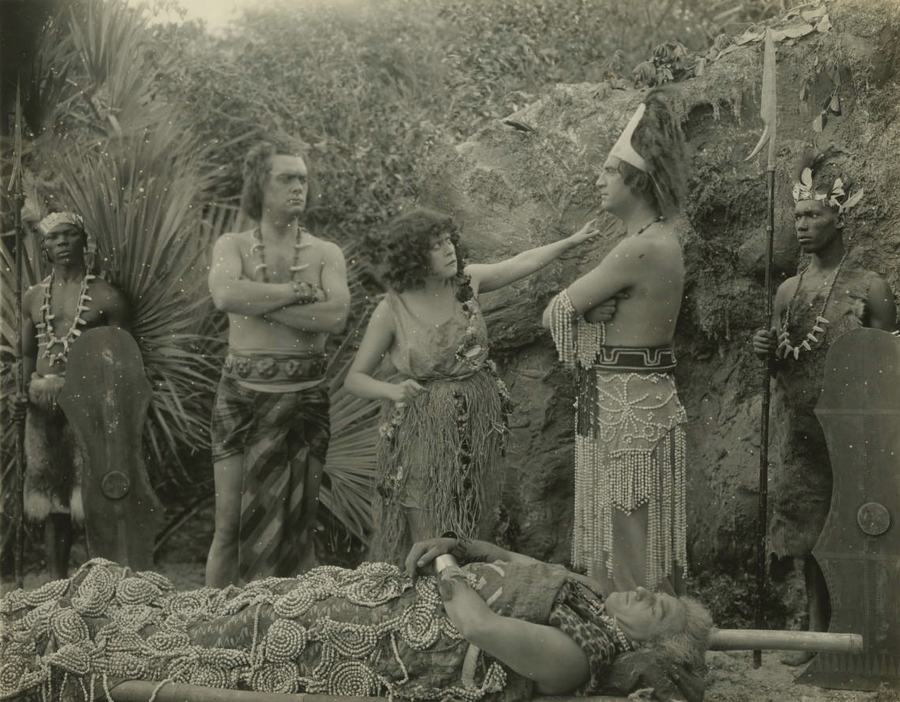
The narrative hurtles towards its climax with the onset of a devastating typhoon, a cataclysmic force of nature that mirrors the emotional tempest brewing on Kolpee. The high priest, interpreting the storm as divine wrath provoked by Stark’s presence, decrees his sacrifice. This ancient ritual, barbaric to Western eyes, is a desperate act born of fear and a deep-seated belief system. It is in this crucible of impending doom that Zara's love for Stark, initially sparked by a curious fascination, transforms into an unwavering, sacrificial devotion. Her decision to drown herself in Stark’s stead is an act of transcendent selflessness, a direct challenge to the very gods her people worship. It echoes the profound and enduring theme of sacrificial love seen in ancient epics and folklore, much like the tale of Satyavan Savitri, where a wife's unwavering devotion defies death itself. Stark’s subsequent rescue of Zara, a desperate battle against the raging sea, underscores the burgeoning bond between them, a connection forged in the crucible of shared peril. His collapse into unconsciousness after saving her life is a poignant testament to the physical and emotional toll of their intertwined fates, leaving Zara as the sole agent of their survival.
The immediate aftermath of the typhoon brings further tragedy: Chief Majah perishes in the storm, elevating Zara to the unexpected role of reigning Princess. Yet, her focus remains singularly on Stark's unconscious form. Learning that a mystical black pearl, buried with her father, holds the key to Stark’s recovery, Zara faces an impossible choice. To disturb her father’s grave, to purloin a sacred artifact, is an act of profound sacrilege within her culture. Yet, her love for Stark transcends even the deepest-seated traditions. In a desperate, defiant act of devotion, she steals the pearl. This act, while ensuring Stark's revival, seals her own tragic fate. As Stark recovers and, true to his original mission and distant commitments, departs from Kolpee, Zara is left to face the furious repercussions of her actions. The islanders, led by a vengeful and heartbroken Pulke, demand the return of their sacred pearl, seeing Zara's actions as an unforgivable desecration. This moment highlights the profound loneliness of Zara’s sacrifice, a love so absolute it isolates her from her own people and ultimately leads to her demise.
The film's tragic climax is a maelstrom of misunderstanding and violence, a stark illustration of the destructive power of cultural collision and unrequited love. Zara, holding the stolen pearl, attempts to hold off the enraged natives. In the chaos, a spear meant for the pearl, or perhaps for her as the perceived desecrator, finds its mark in her body. Her death, an accidental yet inevitable consequence of her choices, is a poignant, almost operatic, end to a life defined by extraordinary passion and sacrifice. Theda Bara, throughout this tumultuous narrative, delivers a performance that is nothing short of iconic. Her Zara is not merely a 'siren' but a complex woman driven by a profound emotional logic, even when that logic defies societal norms. Bara's expressive eyes, her dramatic gestures, and her ability to convey intense emotion without a single spoken word, solidify her as the quintessential silent film tragedienne. She embodies Zara's journey from a passionate island princess to a figure of ultimate, tragic devotion, making her sacrifices resonate with a primal, universal appeal. Her commitment to the role makes Zara's loyalty not just a plot point, but the very heart of the film.
"A Woman There Was" is far more than a melodramatic romance; it is a rich tapestry woven with compelling themes. At its core, it grapples with the clash between indigenous cultures and encroaching Western influence, a theme explored with varying degrees of nuance in films like The Melting Pot, though often with a more assimilationist perspective. Here, the collision is more destructive, highlighting the tragic consequences when disparate worldviews collide without true understanding. The film also delves into the nature of love itself – contrasting the passionate, untamed affection of Zara with Stark's more restrained, duty-bound sensibilities. Zara's journey is one of radical self-discovery and ultimate sacrifice, transforming her from an object of desire into an active agent of her own destiny, even if that destiny is tragic. Her character can be seen as an 'innocent Magdalene,' a woman judged by external standards but possessing an inner purity of motive, much like protagonists in films such as An Innocent Magdalene. The film's enduring legacy lies not just in its star power but in its willingness to tackle complex emotional and cultural dynamics, even within the confines of a silent film narrative.
While silent films often faced limitations in terms of special effects or elaborate camera movements by today's standards, "A Woman There Was" leverages its visual storytelling to great effect. The depiction of Kolpee, though undoubtedly a studio creation, evokes a sense of wild, untamed beauty that serves as a powerful contrast to Stark's rigid demeanor. The storm sequences, while perhaps rudimentary in execution, effectively convey the raw power of nature and its role as a catalyst for dramatic events. The direction, likely overseen by a collaborative effort typical of the era, ensures that the emotional beats are clear, allowing Bara's performance to truly shine. The use of intertitles, while necessary, is judicious, allowing the actors' expressions and body language to carry the bulk of the narrative weight. The film's lasting impact extends beyond its entertainment value; it serves as a valuable historical document, reflecting societal attitudes towards race, religion, and gender roles of the early 20th century. It also stands as a testament to the sheer magnetism of Theda Bara, whose portrayal of Zara encapsulates the very essence of the vamp figure while simultaneously imbuing her with a tragic nobility that elevates the character beyond mere caricature. The road o' strife Zara walks is vividly etched onto the screen, making her journey a memorable one.
In conclusion, "A Woman There Was" remains a compelling artifact of silent cinema, a vibrant showcase for the unparalleled star power of Theda Bara. It is a film that, despite its age, continues to resonate with its exploration of universal themes: the intoxicating pull of forbidden love, the destructive force of cultural misunderstanding, and the profound depths of human sacrifice. Zara's story, a tragic ballet of passion and piety, is etched into the annals of film history by Bara's unforgettable performance. Her journey from an uninhibited island princess to a self-sacrificing martyr is a testament to the enduring power of silent storytelling. For those interested in the genesis of cinematic archetypes, the evolution of storytelling, or simply the captivating presence of a true screen legend, "A Woman There Was" offers a rich and rewarding viewing experience. It reminds us that even without spoken dialogue, the most profound human emotions can be conveyed with breathtaking clarity and enduring impact, solidifying its place as a significant piece of cinematic heritage.
IMDb —
1932
Community
Log in to comment.