DbcultAccessing Vault...
8.1/10
Senior Film Conservator
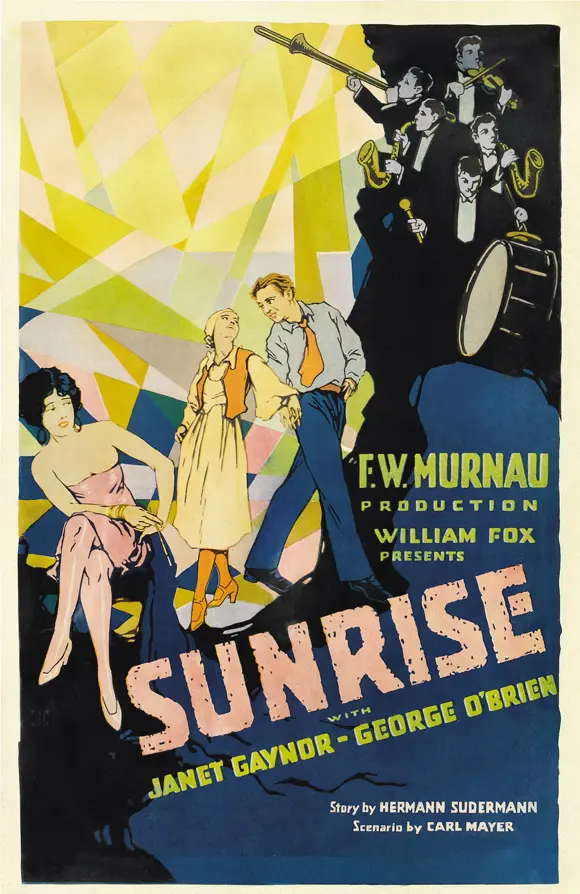
A definitive 8.1/10 rating for a film that redefined the boundaries of cult cinema. Sunrise remains a cornerstone of transgressive art.
Is F.W. Murnau’s Sunrise (1927) worth watching today? Short answer: absolutely, but it demands a specific kind of engagement that modern audiences might find challenging. This is a film for those who appreciate the foundational artistry of cinema, who seek to understand the very language of visual storytelling before the advent of spoken dialogue.
It is a profound experience for cinephiles, students of film history, and anyone captivated by the expressive power of silent cinema. However, it is decidedly not for viewers expecting fast pacing, complex spoken narratives, or contemporary realism. Its deliberate tempo and symbolic storytelling require patience and a willingness to immerse oneself in a world built on pure imagery and emotion.
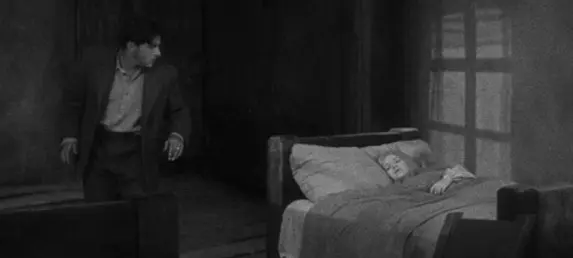
Before delving deeper, let’s get straight to the heart of the matter:
F.W. Murnau’s Sunrise isn't merely a film; it's a meticulously constructed visual symphony, a testament to what cinema could achieve without a single spoken word. Murnau, a master of German Expressionism, brought his unparalleled eye for composition and psychological depth to Hollywood, and the result is nothing short of revolutionary.
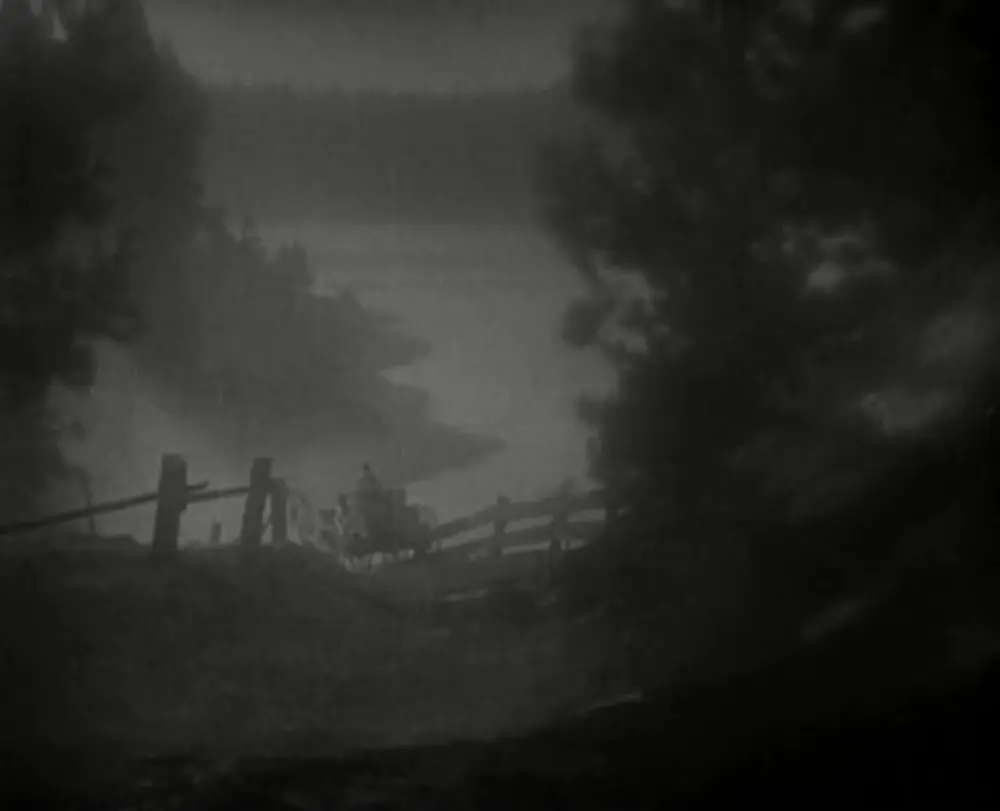
His direction here is less about guiding actors through dialogue and more about choreographing the camera itself. The film opens with a stunning sequence, shrouded in an ethereal fog, as the 'Woman from the City' emerges like a phantom from the marsh. This isn't just a scene; it’s a mood, a premonition, visually articulating the insidious nature of temptation.
Murnau uses superimpositions and double exposures not as cheap tricks, but as profound insights into the characters' internal states. When the Farmer is torn between his wife and the City Woman, their faces literally overlap in his mind, a visual representation of his fractured psyche. This technique, though common in early cinema, is elevated here to an art form, making the invisible struggles of the mind tangible.
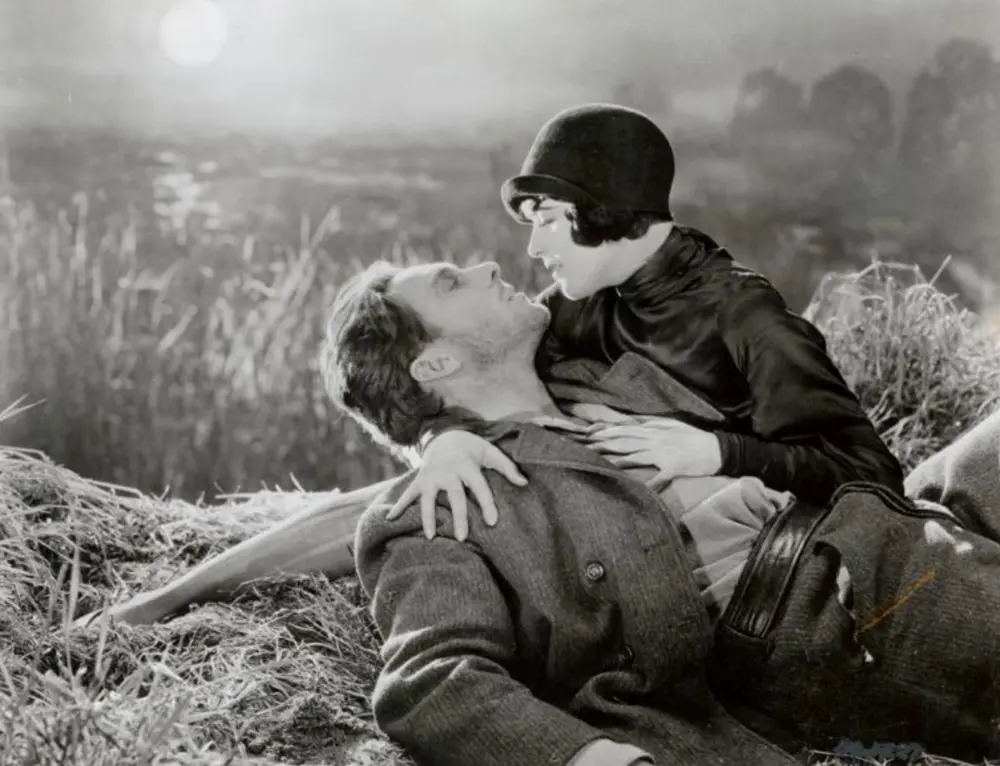
The camera movement is breathtakingly fluid, especially for 1927. The famous tracking shot across the marsh, following the Farmer as he stalks his wife, is a masterclass in building tension and conveying emotional weight. It feels like the camera itself is a character, an omnipresent observer, gliding through the landscape with an almost supernatural grace. This fluidity was achieved through innovative techniques, including cameras mounted on cranes and dollies, pushing the boundaries of what was thought possible at the time.
The city sequences are a stark contrast to the idyllic, albeit troubled, rural setting. Murnau transforms the urban landscape into a vibrant, overwhelming spectacle of lights, crowds, and dazzling attractions. The amusement park scene, with its whirling rides and joyous throngs, is a whirlwind of visual information, designed to both enchant and disorient. It’s a brilliant portrayal of how the city can both liberate and consume, offering a temporary escape from the darker impulses that plague the protagonists.
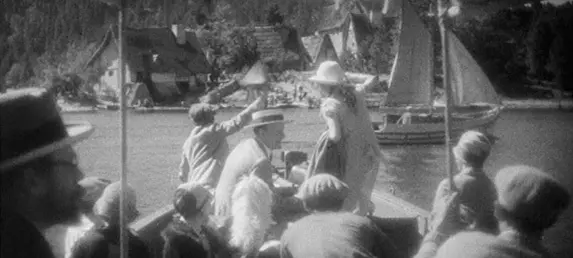
In a silent film, the burden of storytelling falls heavily on the actors' physicality and facial expressions. The cast of Sunrise rises to this challenge with remarkable skill, delivering performances that are both grand and subtly nuanced.
Janet Gaynor, as the Wife, won the first-ever Academy Award for Best Actress (for her work in three films, including Sunrise), and her performance here is utterly heartbreaking. Her initial scenes of despair, particularly when she realizes her husband's murderous intent, are etched with a profound sense of betrayal and terror. Yet, her character arc is one of resilient love and forgiveness, conveyed through gentle gestures and a gradual softening of her gaze. Her ability to convey such deep emotion without a single line of dialogue is a masterclass in silent acting.
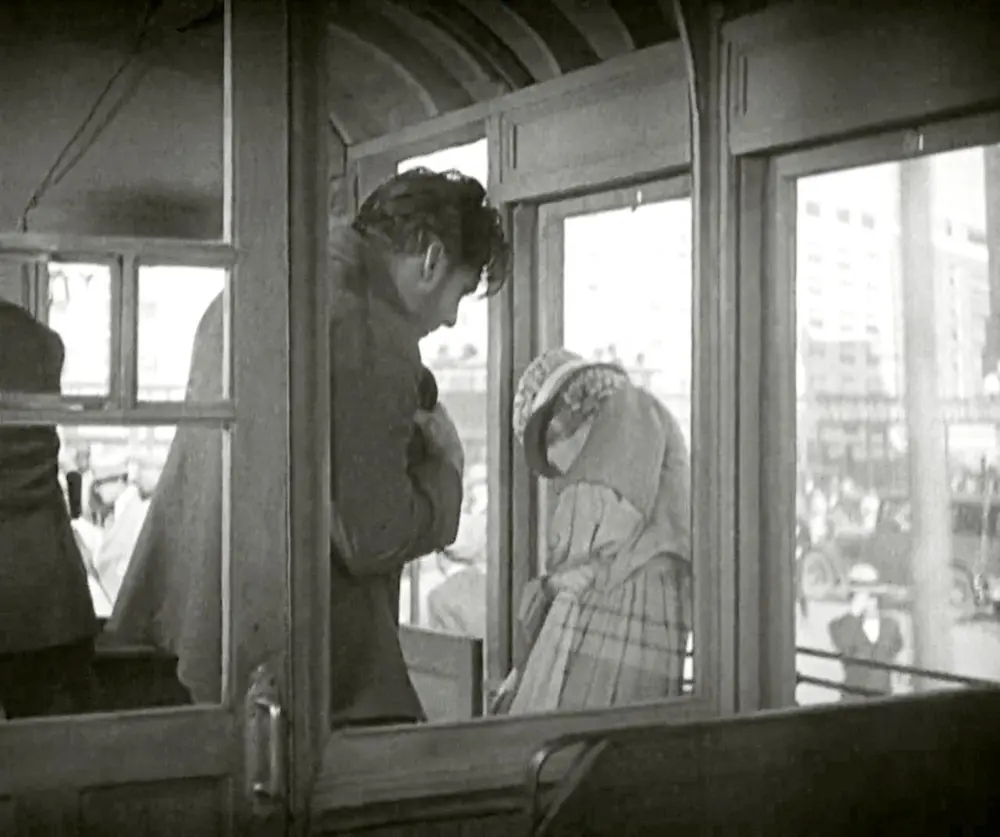
George O'Brien's portrayal of the Farmer is equally compelling. He embodies the internal conflict of a man torn between moral duty and illicit desire. His movements are initially heavy, burdened by guilt, almost mechanical as he carries out the City Woman's bidding. The shift in his demeanor during the city sequences, as he re-engages with his wife and rediscovers their love, is palpable. O'Brien manages to convey a complex emotional journey, from murderous intent to tender devotion, primarily through his posture and the intensity of his eyes.
Margaret Livingston, as the City Woman, is pure, unadulterated temptation. Her performance is sharp, predatory, and alluring. She doesn't need dialogue to establish her character; her sleek fashion, confident stride, and calculating gaze do all the talking. She is the serpent in the garden, a force of disruption, and Livingston plays her with a captivating, almost hypnotic, intensity. Her character is less a person and more a symbolic representation of destructive desire, a role she fulfills with chilling precision.
Sunrise

IMDb 6
1923
Community
Log in to comment.