Summary
In the blood-splattered dawn of a Kishineff spring, David Quixans’ childhood ends beneath the thunder of Cossack hooves: Baron Revandel’s crusade to cleanse Russia of its Jews leaves the boy clutching a cracked violin while the snow turns crimson. His only inheritance is a single tremolo of grief. Across the pogrom’s wreckage glides Vera—daughter of the very butcher who signed the decree—her silk sleeves brushing the ash, her conscience detonated by the screams. A clandestine act of mercy brands her traitor; the Czar’s iron coachmen drag her to a St. Petersburg dungeon where her father disowns her with the flick of a gloved wrist. Siberia looms, yet in a candle-lit cell she swaps identity with a pregnant Jewish widow bound for the tundra, slipping through the empire’s fingers like steam. Months later, a fog-soaked New York pier receives two exiles: David, violin beneath threadbare coat, and Vera, passport forged in another woman’s name. The Lower East Side roars—tenement symphonies of Yiddish, Italian, Russian—while overhead the El train screeches in D minor. David’s uncle, once court musician to a Rothschild, now hawks sheet music from a pushcart; Vera sings hymns in a Dickensian mission, her soprano laced with soot. Into this crucible steps Quincy Davenport, Boston Brahmin with a gramophone soul, sniffing for primitive genius to polish into salon gold. He hears David improvise a theme that swallows continents—klezmer clarinets mating with Sicilian brass, gospel shouts braided into Tzigane trills—and offers Carnegie Hall on a silver plateau. David spits the silver back: art as charity smells of pogrom smoke. Instead, he courts Professor Adler, a Leipzig émigré with a beard like exploded steel wool, who coaches him toward a staggering orchestral confession: a four-movement prophecy that America will boil every hatred into a single alloy of mercy. Rehearsals become séances; the violin bows saw through scar tissue. Love ignites between David and Vera inside a practice room whose walls sweat plaster—two ghosts recognizing each other’s wounds in the key of B-flat longing. Their secret leaks; David’s uncle tears his coat in mourning for purity lost, while Davenport cables St. Petersburg. Baron Revandel, bankrupt and fleeing assassination, boards the Lusitania steaming west. The showdown erupts in a candle-lit loft overlooking Hester Street: father and orphan separated by a river of memory running knee-deep with bodies. David raises his bow like a saber; the Baron bares his chest, begging absolution in the language of Pushkin. A snapped gut string snaps David back from vengeance—he hears the symphony’s finale in his skull, a chord that could reconcile Cain and Abel, and lowers the weapon. Premiere night: Aeolian Hall, diamond chandeliers, Astors and shop girls sharing oxygen. The orchestra detonates the “Melting Pot” symphony—timpani like heartbeats of nations, a fugue of accents melting into one ferocious major triad. Audience members weep, shout, dance in the aisles; critics scrawl delirious hosannas. David escapes the ovation, terrified that triumph has cheapened grief. On a pier licked by black river he finds Vera—no longer aristocrat or refugee, only a woman humming his theme. Together they stare across the water where Ellis Island lamps blur into starfields, understanding that America neither forgives nor forgets—it metabolizes. The violin case drops; two silhouettes merge into one against the sodium night.
Synopsis
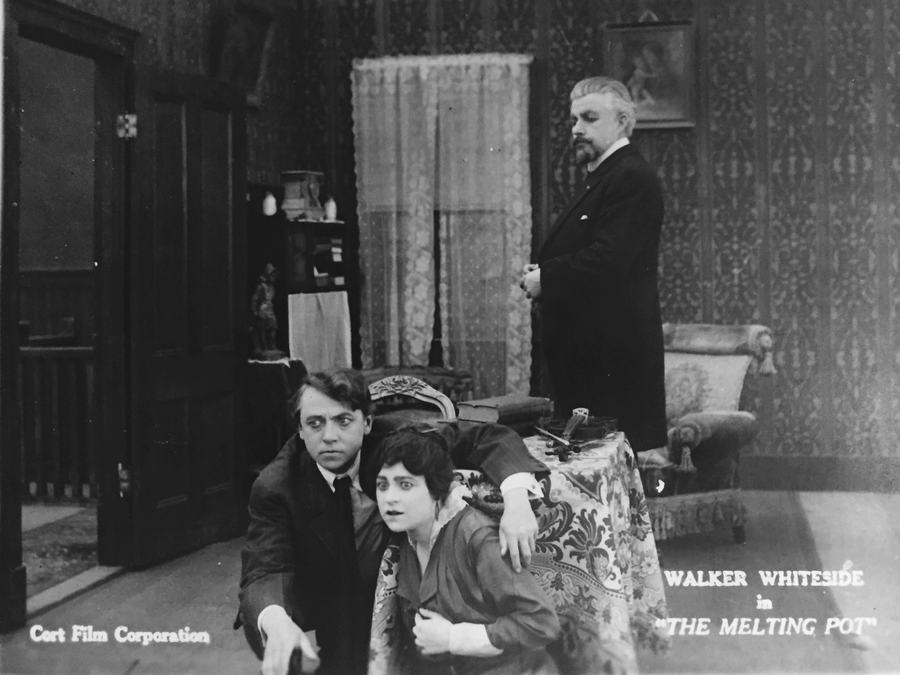
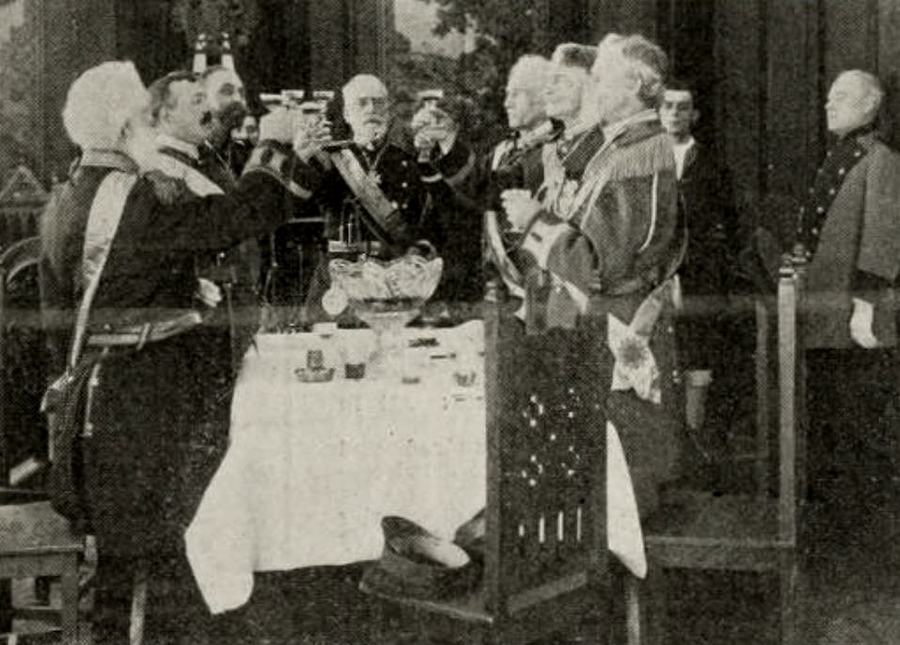
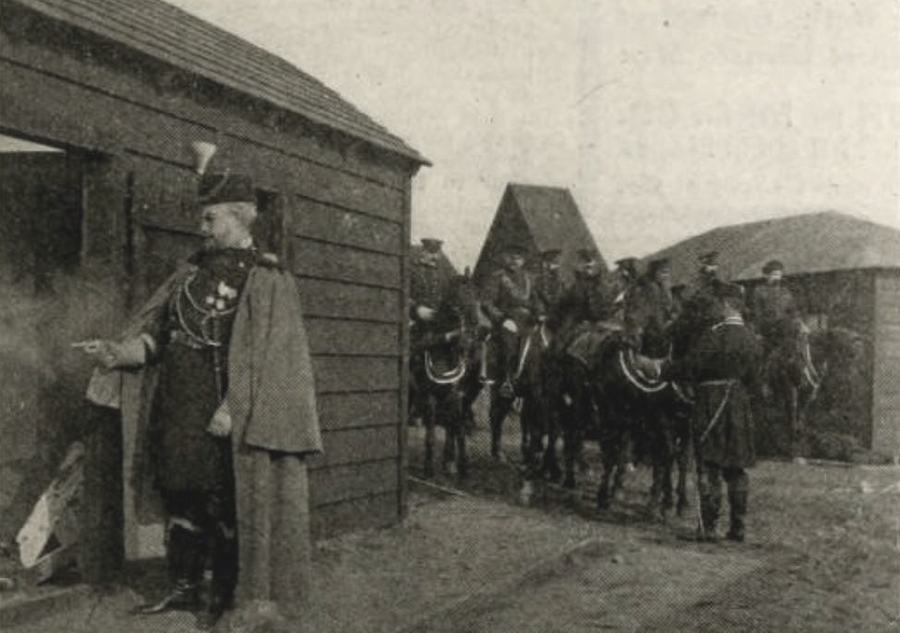
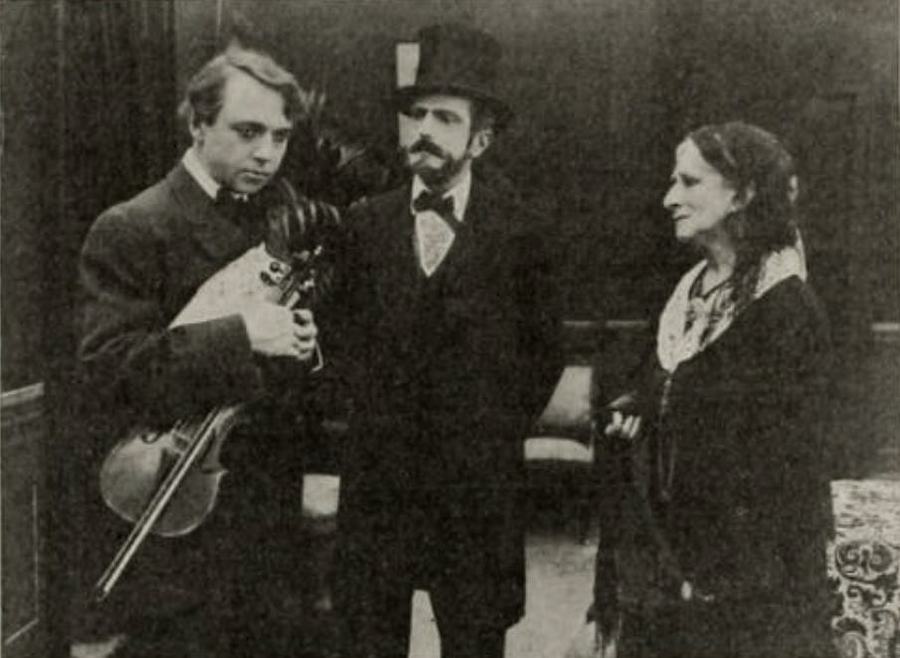
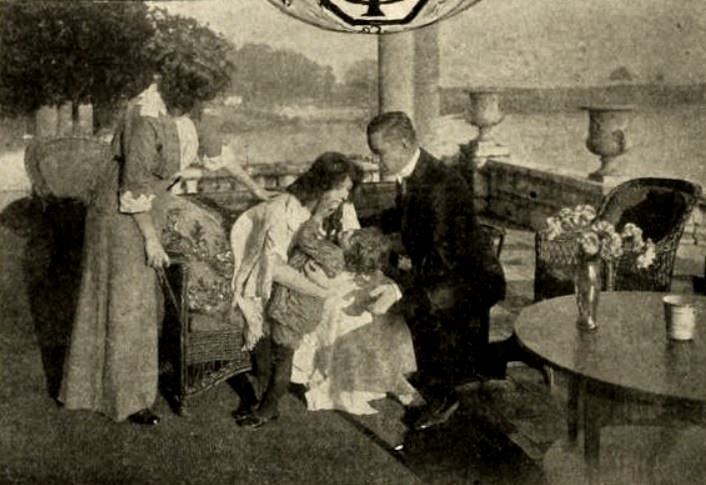
David Quixans. a young Jewish violinist living in the town of Kishineff, Russia, is left an orphan through the massacre of the orthodox Jews upon the "Black Easter" of Russia, when under the leadership of Baron Revandel, Governor of Kishineff, who has been commissioned by the Czar to baptize one-third and massacre one-third of all the Jews in Russia, he is left orphaned in his ruined home. The sympathy of Vera, the daughter of the Baron, is aroused in connection with the Jewish outrage of which she is a witness. While upon an errand of mercy, she attracts the attention of the Czar's spies and is subsequently made a prisoner, where her father refuses to recognize her and she is sentenced to Siberia. A Jewish woman who wishes to join her husband in Siberia induces Vera to change places with her and Vera successfully makes her escape upon a trading vessel bound for America. David is exiled with the Jews to America. He joins his uncle in "The Music Master" and "Grandmother" in New York. Vera in America finds employment in a Russian Mission upon the East Side, where she attracts the attention, by her beauty and culture, of Quincy Davenport, a patron of music in search of genius upon the East Side. Vera interests Davenport in David, whom she has met, and Davenport offers to send him abroad to study, realizing the possibilities of his music. David refuses to be patronized by a man who had no greater aim in life than amusement. Instead, he interests a German music master in a wonderful symphony symbolic of the amalgamation of all the foreign races in the great "melting pot" of America. David and Vera through a bond of music find themselves in love with each other to the horror of David's uncle, who considers David false to his race in loving a Christian. Davenport cables Vera's father of her presence in America and her engagement to a common Jew peddler. The Baron hastens to America, where meeting Vera he reproaches her for forgetting her country and birth. Vera finally induces him to meet David. Throughout the year the memory of the man who ordered the massacre that left him an orphan has been an obsession with David, and when he sees and recognizes in Vera's father the specter of the past, he is overcome with horror, declaring that a river of blood separates them forever. Overcome with sorrow, the Baron offers to let David take his life, but at the crucial moment David discovers a broken string upon his violin and realizes that rage had for the moment swept aside the brotherhood of the great land of the free. He controls himself and leaves the Baron. The great symphony finished, David appears before a brilliant audience and is proclaimed a genius. The audience is swept to its feet with enthusiasm as the music vividly portrays the saving of all the races in the great crucible of the "melting pot" of America. Overpowered by his success, David leaves the theater seeking refuge in the solemn quiet of the night, where he is followed by Vera, who convinces him that here in the new land all race prejudice has been swept aside and love and liberty can walk unmolested together.
Review Excerpt
"There are films you watch and films that watch you—The Melting Pot belongs to the latter caste. Shot in the waning months of 1914, released while Europe’s trenches were still fresh, this monochrome fever dream feels like it was carved rather than filmed—each frame a woodcut of exile.
A violin among the ruins
Director Oliver D. Bailey opens with a static long shot that refuses to flinch: a village square in Kishineff after the Easter massacre, corpses arranged like broken instruments. David—play..."