DbcultAccessing Vault...
Cult Review
Senior Film Conservator

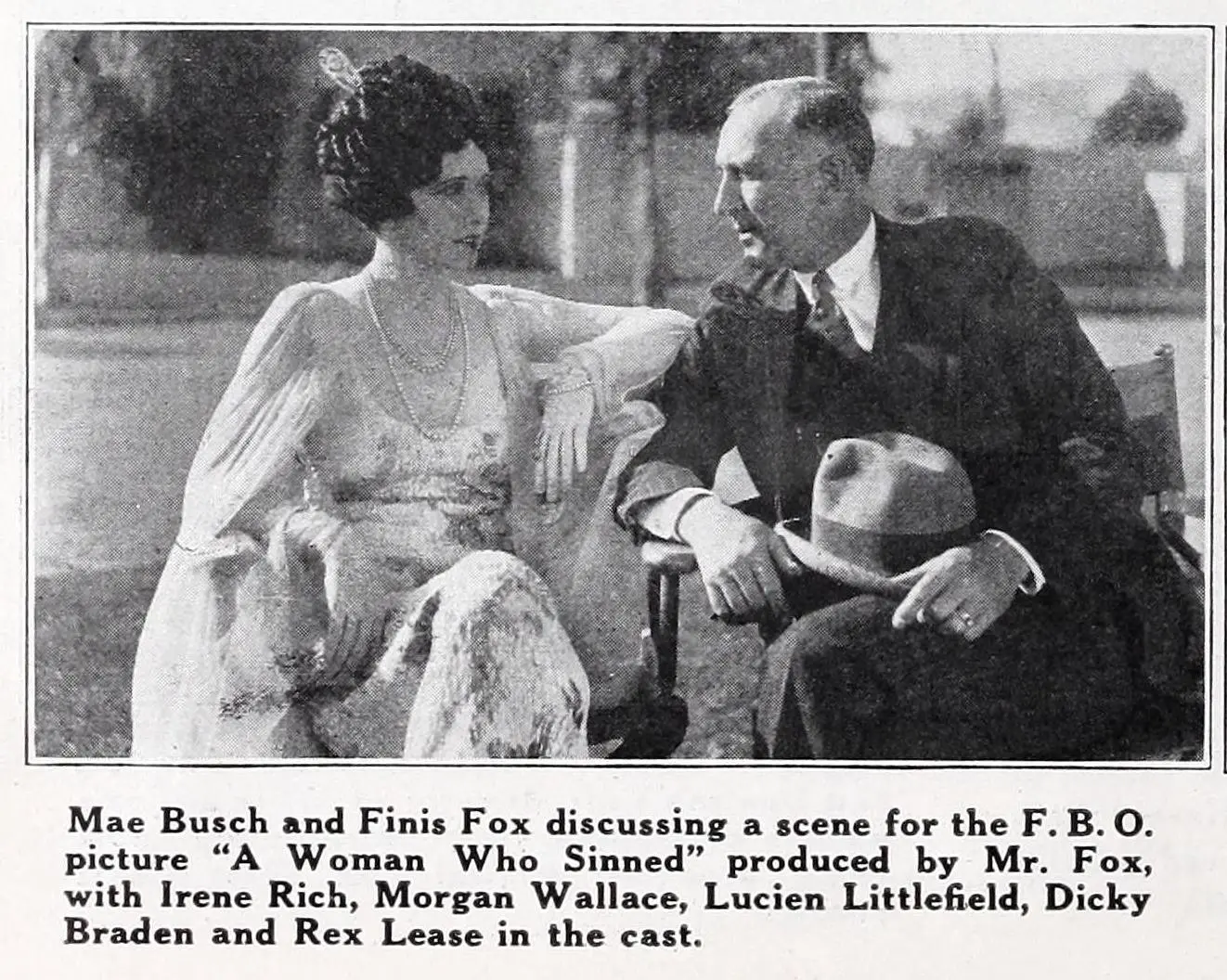
The film A Woman Who Sinned, a cinematic exploration of moral complexity and social upheaval, is a compelling narrative that weaves through the lives of a minister's wife and a Wall Street operator. The central character, played by Marcella Daly, is the wife of a respected minister who finds herself in an compromising situation with George Ransdell, a prominent Wall Street operator. This encounter not only tarnishes her reputation but also sets the stage for a profound journey of transformation and redemption.
The film's opening scene is a testament to the director's skill in setting the tone. We see Marcella Daly's character, Sarah, married to a minister and living a life of apparent virtue and piety. However, the narrative swiftly shifts to a scene aboard Ransdell's yacht, where Sarah's world is turned upside down. The juxtaposition of her seemingly perfect life and the subsequent scandal serves as an effective introduction to the themes of moral ambiguity and the fallibility of human nature.
As the story unfolds, Sarah's decision to leave her husband and child and become Ransdell's mistress is presented with a mixture of sympathy and judgment. The film deftly balances these emotions, creating a nuanced portrayal of Sarah's character. She is not a simple victim or villain, but a complex individual grappling with her own desires and the consequences of her actions.
The relationship between Sarah and Ransdell is one of the film's most compelling aspects. Their interactions are charged with a mix of passion, regret, and a sense of entrapment. The performances of Marcella Daly and Rex Lease, who plays Ransdell, are particularly noteworthy. Daly's portrayal is nuanced and layered, capturing the depth of Sarah's emotions and the toll that her choices have taken on her psyche. Lease, too, delivers a nuanced performance, portraying Ransdell as a flawed but charismatic figure, whose actions have repercussions that extend far beyond their personal relationship.
As the narrative progresses, Sarah's journey towards redemption becomes a central focus. Fifteen years later, she has become a formidable force, using her knowledge of Ransdell's fraudulent activities to bring him down. This aspect of the story is gripping, blending elements of historical intrigue with personal drama. The scene where Sarah confronts Ransdell, demanding information that will lead to his arrest, is a highlight of the film. The intensity and tension in this scene are palpable, thanks to the actors' performances and the director's keen sense of pacing.
The film's climax is a powerful and emotionally charged moment. After Ransdell's arrest and imprisonment, Sarah is ultimately redeemed by her son, who has become an evangelist. This reconciliation is a poignant and satisfying resolution, offering a message of forgiveness and second chances. The performances in this sequence are particularly moving, especially those of the younger actors who portray Sarah's son and daughter-in-law.
The reunion at the film's end, where Sarah is reunited with her family, is a bittersweet moment. It serves as a poignant reminder of the toll that her choices have taken and the path of atonement she has traveled. The film ends on a note of hope and redemption, leaving the audience with a sense of closure and a deeper understanding of the characters' journeys.
From a technical standpoint, the film is a well-crafted piece of work. The cinematography is striking, with a particular emphasis on the natural lighting and the use of color to convey mood and emotion. The score, composed by an unsung talent, complements the narrative perfectly, enhancing the film's emotional impact.
In terms of comparisons, A Woman Who Sinned shares thematic similarities with films like Snobs and The Garden of Weeds, which also explore the moral complexities of social class and personal morality. However, it distinguishes itself through its nuanced portrayal of a woman navigating a tumultuous path of redemption and the enduring strength of familial bonds.
The film is a testament to the enduring power of cinema to explore complex themes and human emotions. It is a must-see for anyone interested in historical dramas that delve into the moral and social intricacies of a bygone era.
IMDb 6.4
1937
Community
Log in to comment.