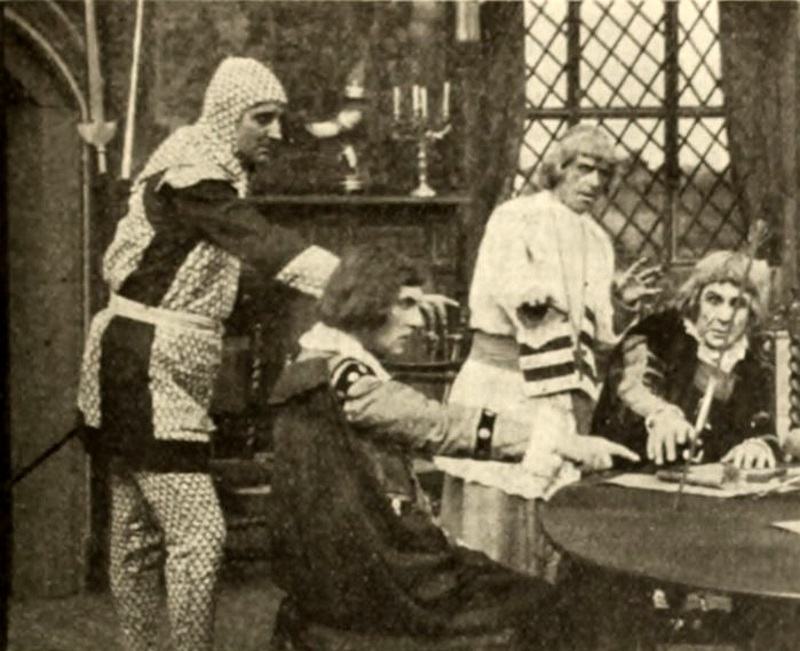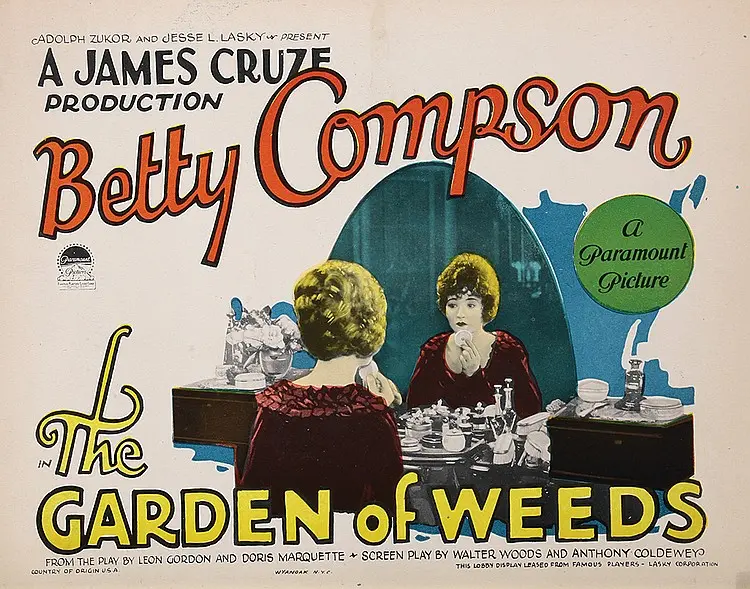
Phillip Flagg, a wealthy theater promoter given to entertaining showgirls at his estate, The Garden of Weeds, causes Dorothy Delbridge to be fired when she refuses to accept his attentions. Penniless, Dorothy is forced to accept Flagg's hospitality until she marries Douglas Crawford, another wealthy man.

The 1920s cinematic landscape was often characterized by a fascination with the intersection of high society and low morality. James Cruze’s 1924 production, The Garden of Weeds, stands as a quintessential example of this era's preoccupation with the 'fallen woman' trope, yet it distinguishes itself through a surprisin...
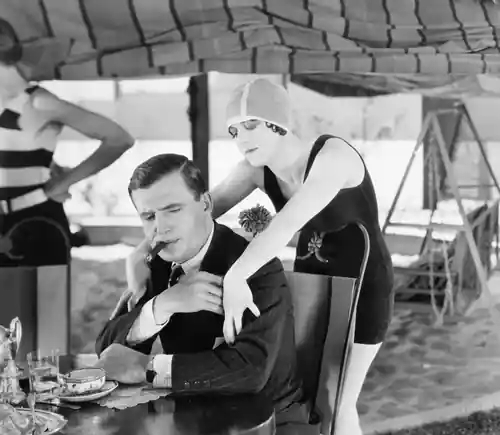
still_frame

still_frame

still_frame

still_frame
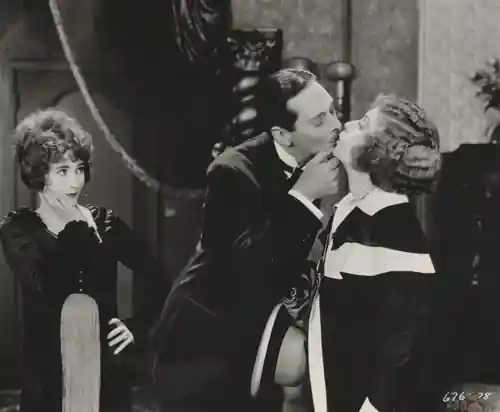
publicity


Comparing the cinematic DNA and archive impact of two defining moments in cult history.
James Cruze
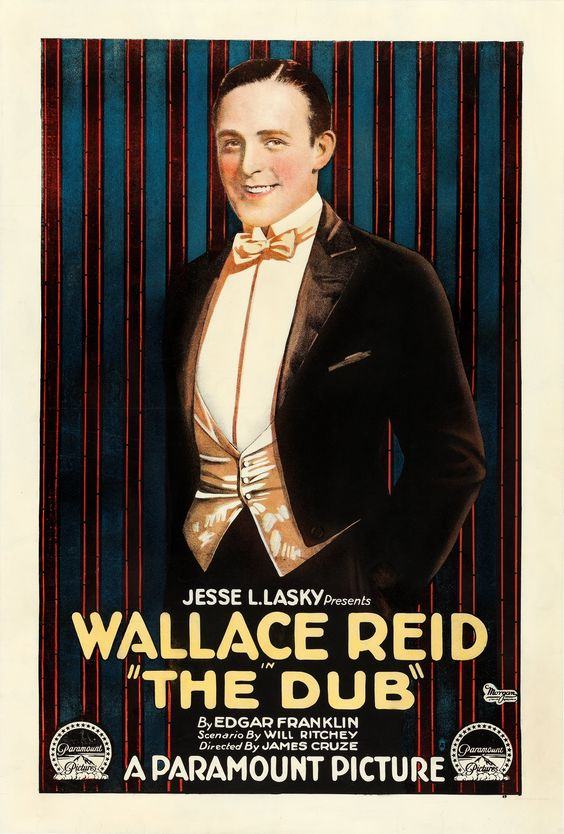
James Cruze
Community
Log in to comment.
"The 1920s cinematic landscape was often characterized by a fascination with the intersection of high society and low morality. James Cruze’s 1924 production, The Garden of Weeds, stands as a quintessential example of this era's preoccupation with the 'fallen woman' trope, yet it distinguishes itself through a surprisingly nuanced exploration of coercion and redemption. Unlike the more overtly moralistic tone found in The Day of Faith, Cruze’s work here delves into the claustrophobia of social de..."
Warner Baxter
Doris Marquette, Walter Woods, Leon Gordon, Anthony Coldeway
United States


Deep dive into the cult classic
Discover similar cinematic experiences
A Directorial Spotlight on James Cruze