DbcultAccessing Vault...
6.6/10
Senior Film Conservator
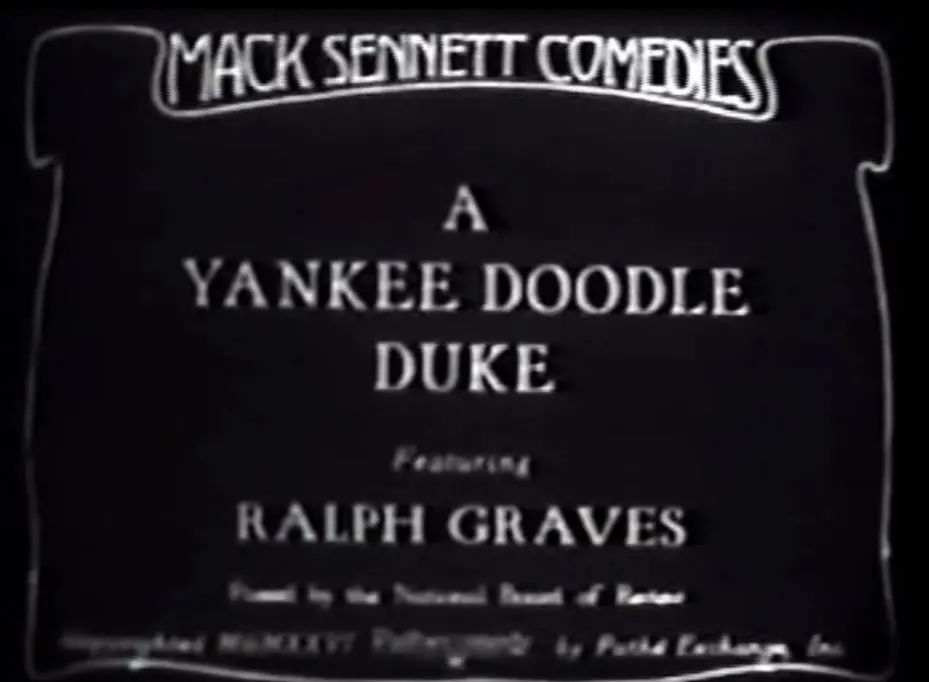
A definitive 6.6/10 rating for a film that redefined the boundaries of cult cinema. A Yankee Doodle Duke remains a cornerstone of transgressive art.
Is "A Yankee Doodle Duke" still worth watching today? Short answer: yes, but with significant caveats that temper its initial charm and historical value.
This film is primarily for ardent silent film enthusiasts, cinephiles interested in the evolution of romantic comedies, and those curious about the early careers of its cast members; it is decidedly NOT for viewers seeking fast-paced modern humor or a polished, universally resonant narrative.
Its central mistaken identity premise, though well-worn even by 1920s standards, provides a sturdy comedic framework that occasionally sparks genuine amusement, particularly through Ralph Graves' earnest, if sometimes over-the-top, physical comedy.
The pacing often drags, the comedic beats are inconsistent, and its reliance on broad caricatures rather than nuanced character development limits its emotional resonance and lasting impact.
You appreciate the historical context of silent cinema, enjoy exploring the roots of romantic comedy tropes, and are willing to overlook significant structural and comedic flaws for a glimpse into a bygone era of filmmaking.
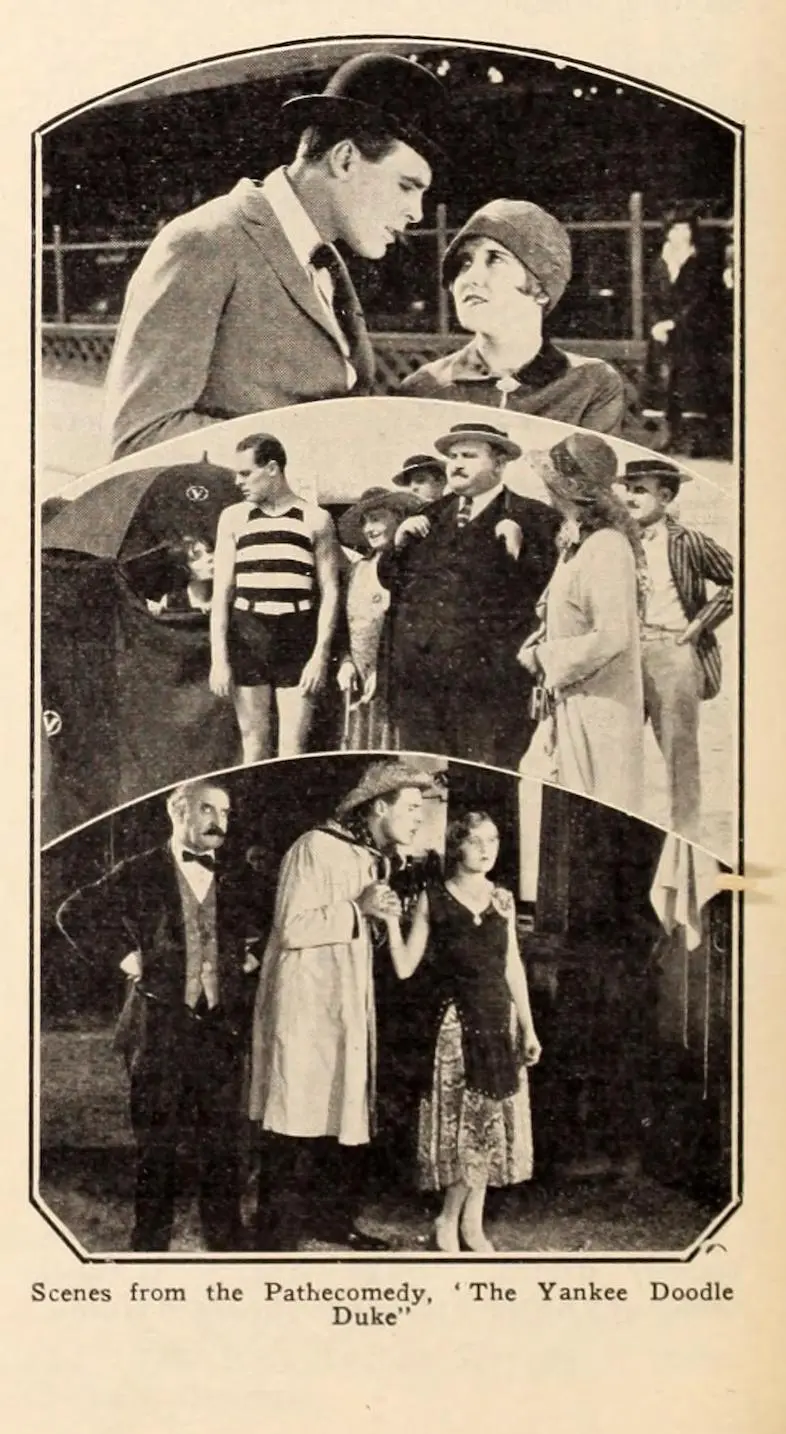
"A Yankee Doodle Duke," a silent film from 1927, plunges viewers into a world of mistaken identity and social climbing, starring Ralph Graves as a charming cabaret singer. This relic from the golden age of silent comedies attempts to spin a familiar yarn with its own brand of lighthearted farce. It’s a film that, at first glance, seems to embody the simple pleasures of its era.
However, to truly appreciate "A Yankee Doodle Duke," one must temper expectations and adjust their cinematic lens. It stands as a testament to the period's narrative conventions, offering a fascinating, if somewhat uneven, journey into early romantic comedy. Its historical significance often outweighs its artistic triumphs, making it a curious case study rather than a universally beloved classic.
The narrative core of "A Yankee Doodle Duke" hinges entirely on the venerable trope of mistaken identity. Ralph Graves’ character, a spirited cabaret singer, finds himself entangled in a social charade when he is erroneously believed to be a European duke. This fortunate — or perhaps unfortunate — misunderstanding arises during his earnest pursuit of Ruth Taylor's society girl, a woman seemingly out of his league.
The plot’s simplicity is both its strength and its weakness. On one hand, it provides a clear, accessible framework for comedic hijinks, allowing for a series of escalating complications as Graves endeavors to maintain his false persona. We witness him navigate lavish parties and awkward social encounters, each designed to test his improvisational skills and commitment to the lie. The stakes are clear: win the girl, or expose the deception.
Yet, this very simplicity also limits the film's potential for genuine surprise or depth. The audience is always ahead of the characters, anticipating the inevitable unraveling of the deception. The writers — Charles Lamont, Al Giebler, Jefferson Moffitt, Arthur Ripley, Clarence Hennecke, and Reed Heustis — lean heavily into broad strokes, prioritizing immediate gags over intricate plotting. This approach, while typical of the era, occasionally renders the narrative predictable, diminishing the impact of what could have been sharper comedic moments.
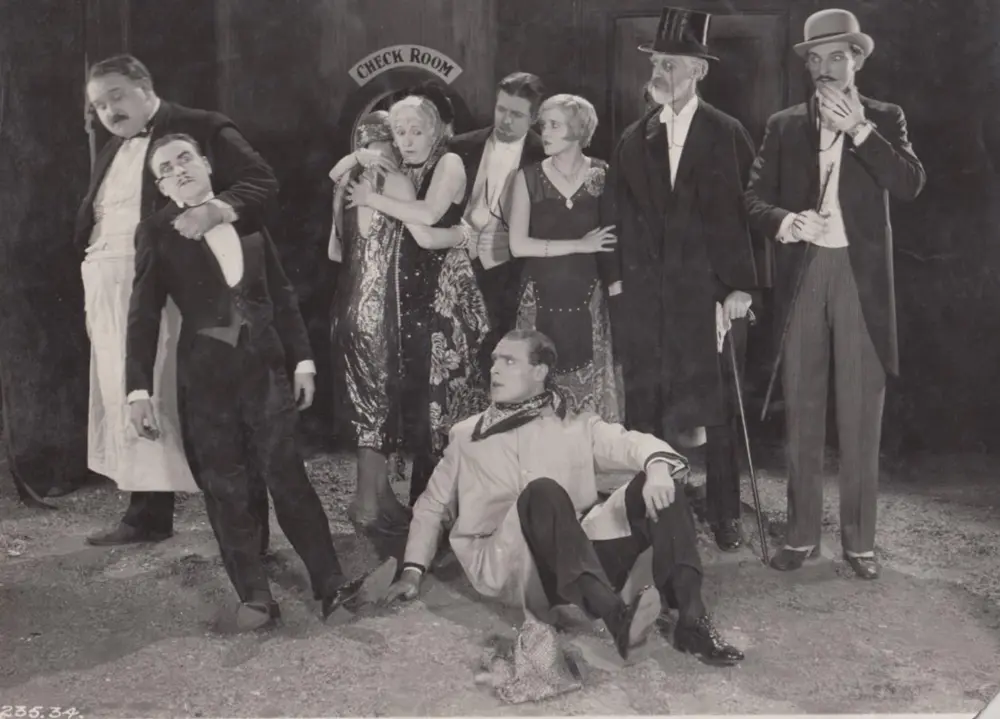
For instance, a pivotal scene involving a formal dinner party where Graves struggles with aristocratic etiquette feels less like a natural progression of events and more like a checklist of "duke impersonation" clichés. While there are moments of genuine chuckle-worthy slapstick, such as Graves attempting to elegantly carve a roast while maintaining a regal composure, the scene ultimately serves to prolong the charade rather than advance character development or introduce meaningful conflict. It’s a spectacle of contrivance, albeit an amusing one.
The film's reliance on this single premise means that once the initial setup is established, the narrative largely coasts on the momentum of the lie. The emotional arc of Ruth Taylor’s character, for example, feels somewhat underdeveloped, her affections seemingly swayed more by the title than by the man himself. This narrative choice, while perhaps a commentary on societal superficiality, inadvertently reduces the romantic stakes, making the central relationship feel less earned.
One could argue that the film’s greatest misstep isn’t its simplistic plot, but its reluctance to fully commit to the absurdity it occasionally flirts with. There are glimpses of a more biting satire on class distinctions, particularly in the reactions of the high society figures to Graves’ increasingly outlandish behavior. However, these moments are fleeting, often sacrificed for another predictable gag. The film, in essence, plays it safe, which, in the realm of comedy, can be a double-edged sword.
Ralph Graves carries much of "A Yankee Doodle Duke" on his shoulders, delivering a performance that is undeniably earnest and often physically engaging. As the cabaret singer turned faux-duke, Graves employs a range of expressive gestures and facial contortions, typical of silent film acting, to convey his character's internal struggles and external charades. His comedic timing, particularly in moments of physical comedy, is a highlight.
Consider the scene where Graves, attempting to appear nonchalant, nearly topples a stack of champagne glasses. His wide-eyed panic, followed by a forced aristocratic smirk, is a perfectly executed piece of silent era slapstick. He understands the assignment: exaggerate for the back row. This commitment to the bit is what makes his character often endearing, despite the flimsy premise. He’s a charming rogue, even if he’s not the most nuanced.
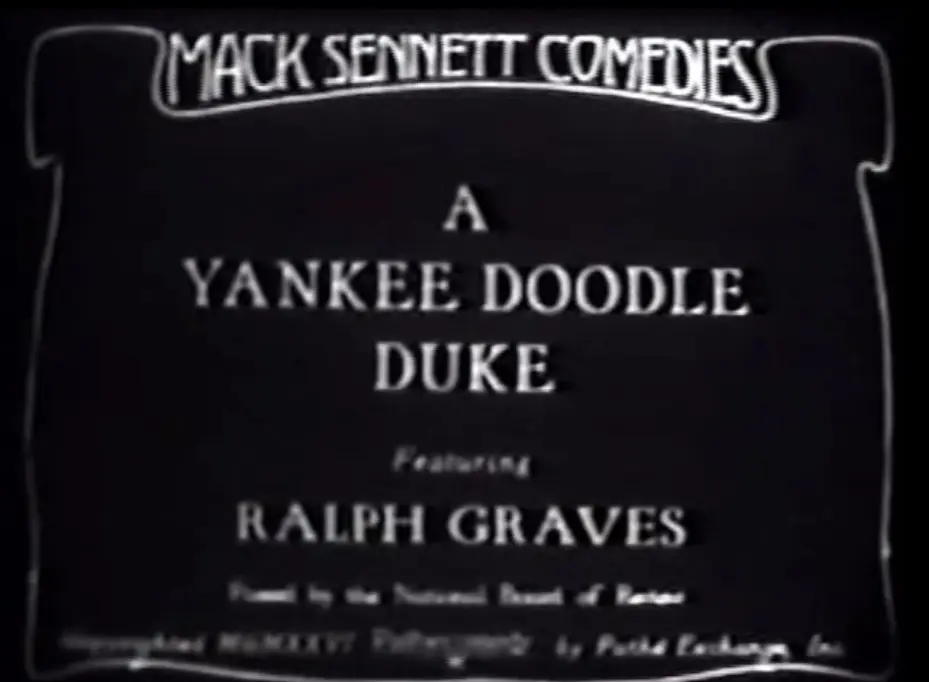
Ruth Taylor, as the object of his affection, plays the society girl with a delicate blend of innocence and understated elegance. Her performance is less overtly comedic than Graves', serving more as an anchor for the romantic subplot. While her character isn't given extensive emotional depth, Taylor manages to convey a sense of genuine sweetness and vulnerability, making her attraction to the "duke" believable within the film's heightened reality. Her reactions to Graves’ antics are often subtle, a quiet amusement that contrasts well with his more boisterous portrayal.
The supporting cast, including Bud Ross, Irving Bacon, and Thelma Hill, populate the background with a collection of caricatures. Bud Ross, in particular, offers some memorable moments of broad comedic relief, often playing the befuddled or pompous socialite who falls prey to Graves' deception. These performances, while not groundbreaking, effectively serve their purpose, adding texture to the social milieu and providing foils for the protagonist's antics.
However, the film’s reliance on typecasting means that many of these supporting roles feel more like archetypes than fully realized characters. They exist primarily to facilitate the plot or deliver a punchline, rather than contribute to a richer tapestry of human interaction. This isn’t necessarily a flaw of the actors themselves, but rather a limitation of the script and the prevailing cinematic conventions of the time. The strength of the performances lies in their ability to maintain the illusion and deliver the gags, even if character development takes a backseat.
It’s fascinating to observe how the film, despite its comedic aspirations, inadvertently offers a subtle critique of societal snobbery, even if it doesn't quite land the punch. The gullibility of the upper crust, easily swayed by a title, however fraudulent, is a recurring theme that the actors embody with a certain theatrical flourish. Graves' ability to convincingly portray a "duke" through sheer bluster and charm speaks volumes about the performative nature of class itself.
The direction in "A
IMDb 5.7
1931
Community
Log in to comment.