DbcultAccessing Vault...
5.4/10
Senior Film Conservator
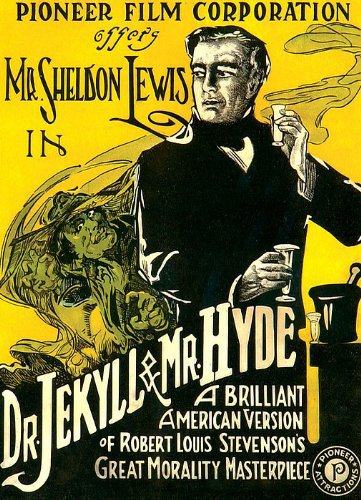
A definitive 5.4/10 rating for a film that redefined the boundaries of cult cinema. Dr. Jekyll and Mr. Hyde remains a cornerstone of transgressive art.
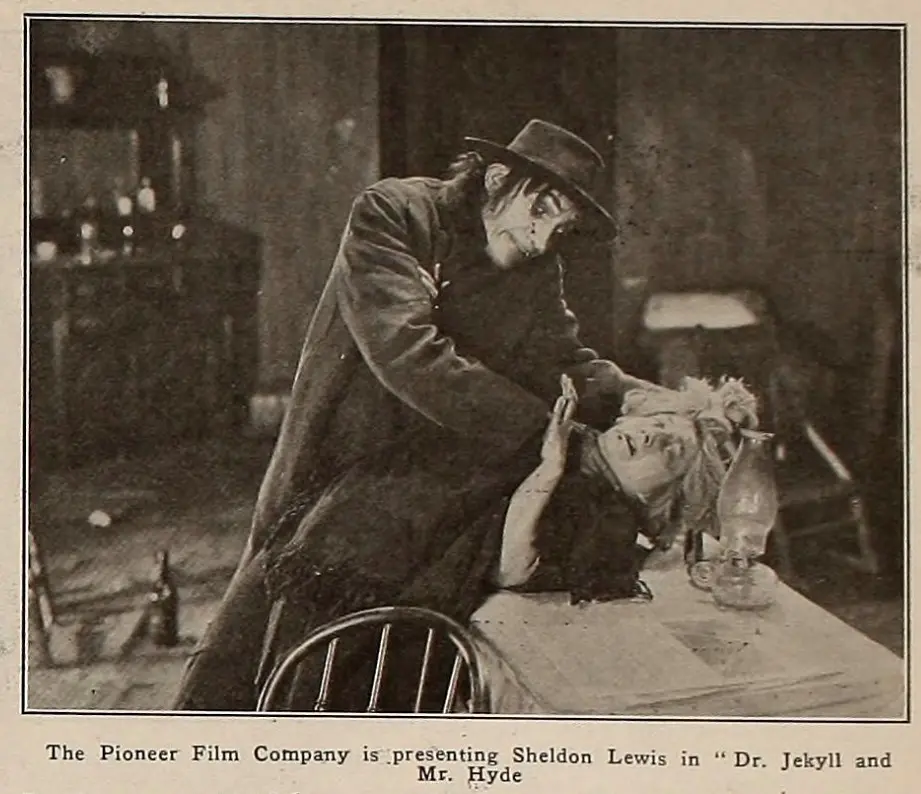
The year 1920 stands as a peculiar monolith in the history of silent cinema, particularly for the Gothic tradition. While the John Barrymore vehicle often captures the lion's share of archival appreciation, the version directed by J. Charles Haydon and starring Sheldon Lewis offers a gritty, perhaps more authentically 'poverty-row' texture that demands a different kind of critical scrutiny. This isn't just a story of a man turning into a monster; it is a cinematic meditation on the crumbling infrastructure of the Victorian ego. To understand this film is to understand the era's profound anxiety regarding the burgeoning fields of psychoanalysis and the industrialization of the human soul.
Sheldon Lewis delivers a performance that, while occasionally bordering on the theatrical tropes of the period, manages to capture a specific type of internal rot. Where Barrymore was athletic and transformative, Lewis is more atmospheric. His Jekyll is a man already haunted by the shadows of his own thoughts. When the transformation occurs, the transition isn't merely physical—it is a total surrender of the moral compass. This thematic weight reminds me of the spiritual struggles found in The Little Church Around the Corner, where the battle for the soul is waged in the public square. Here, however, the battlefield is the private, dimly lit laboratory, a space where science replaces the sanctuary.
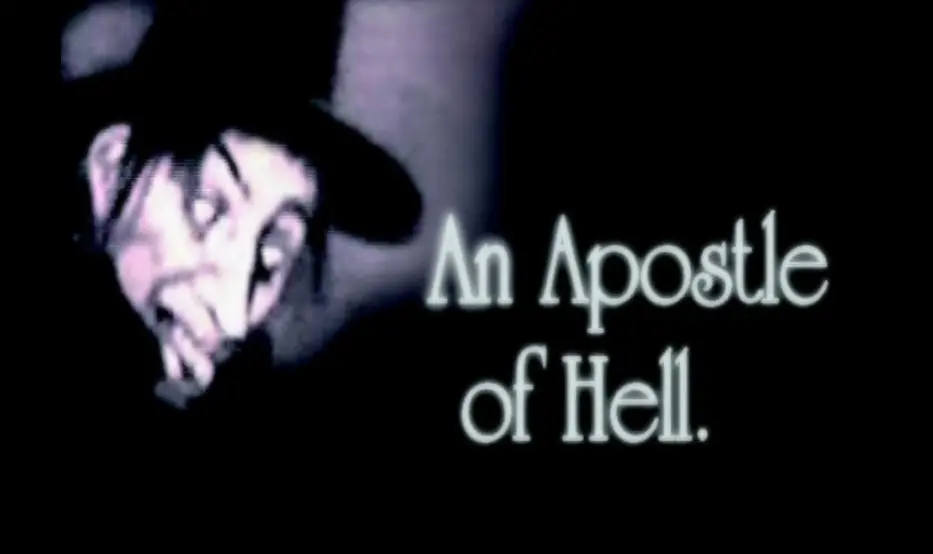
The cinematography in this 1920 production utilizes chiaroscuro lighting techniques that predate the full bloom of German Expressionism. The shadows are long, encroaching upon the characters as if they possess a physical weight. This visual language highlights the isolation of Henry Jekyll. He is a man surrounded by friends—played with varying degrees of stoicism by Leslie Austin and Harold Foshay—yet he remains fundamentally unreachable. This sense of social alienation is a recurring motif in silent dramas of the time, often seen in works like The Midnight Man, where the protagonist is trapped by the expectations of their class and the secrets of their past.
J. Charles Haydon’s direction focuses on the ritualistic nature of Jekyll’s experiments. The pouring of liquids, the swirling of vapors, and the frantic scribbling in journals create a rhythmic tension that builds toward the inevitable revelation. The script, co-written by Haydon, deviates from the source material just enough to emphasize the social consequences of Jekyll's actions. We see the impact on his relationships, particularly with the female characters portrayed by Dora Mills Adams and Gladys Field. Their presence serves as a tether to the domestic reality that Jekyll is so eager to escape, creating a dynamic similar to the domestic tensions in The Bride's Awakening.
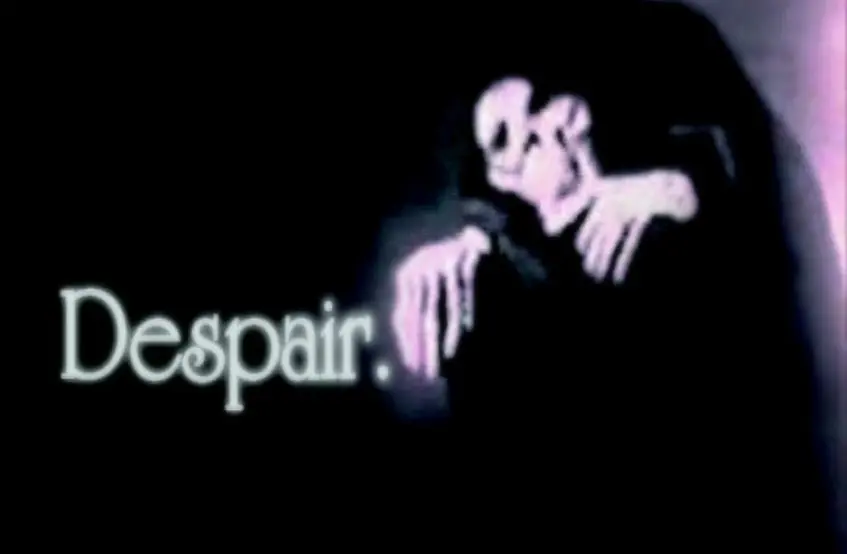
The film’s pacing is deliberate, allowing the dread to percolate rather than relying on jump scares or rapid-fire action. This slow-burn approach is reminiscent of the somber tones found in Life in a Western Penitentiary, where the horror is found in the monotony of confinement—in Jekyll's case, the confinement of the self. As Hyde emerges, the camera lingers on the distorted features of Lewis, inviting the audience to gaze into the abyss of the 'Other.' It is a confrontational style of filmmaking that rejects the comfortable distance of traditional melodrama.
One cannot discuss this film without acknowledging its commentary on the hypocrisy of the upper classes. Jekyll is a pillar of society, yet his laboratory is a womb for filth. This duality is a scathing critique of the rigid social structures that forced individuals to suppress their natural inclinations. This theme of the 'hidden life' is explored with similar poignancy in A Woman's Fool and The Fortunate Youth, both of which deal with the discrepancy between public persona and private desire. In Dr. Jekyll and Mr. Hyde, this discrepancy is literalized through the use of the chemical agent, making the internal conflict a visible, terrifying reality.
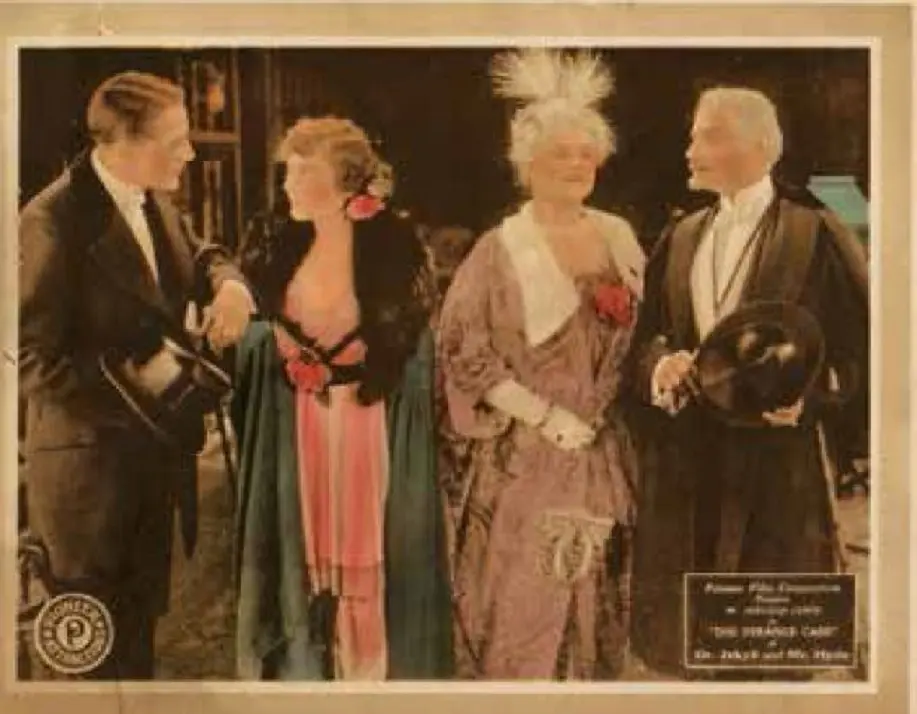
The supporting cast provides a necessary grounding for the more fantastic elements of the plot. Alex Shannon and the rest of the ensemble play their roles with a subdued realism that contrasts sharply with the heightened theatricality of the transformation scenes. This contrast serves to make Hyde seem even more alien, an intruder in the polite world of Victorian London. This clash of styles is a hallmark of early genre cinema, where the boundaries between reality and nightmare were still being negotiated, much like the experimental narratives found in Panopta II or the surrealist undertones of Livets Gøglespil.
Technically, the film is a marvel of its time. The use of double exposures and practical makeup effects might seem primitive to modern eyes, but in 1920, they were the cutting edge of visual storytelling. Haydon understands the power of the close-up, using it to capture the minute flickers of doubt in Jekyll’s eyes before he succumbs to the Hyde persona. The editing is also noteworthy, creating a sense of fragmented time that mirrors Jekyll’s own fractured consciousness. This sophisticated approach to editing can be compared to the narrative complexity of It Happened to Adele or the atmospheric world-building of The Place Beyond the Winds.
The film also touches upon the concept of destiny and the 'bloodline' of morality. Is Hyde a new creation, or has he always been there, waiting for the right catalyst to manifest? This question of inherent nature versus environmental influence is a staple of the era's dramas, often seen in films like The Half-Breed. In Haydon's hands, the answer is bleak: Hyde is not an external force, but the distilled essence of Jekyll’s own repressed darkness. The tragedy is not that Jekyll becomes Hyde, but that Jekyll *is* Hyde.
While the Sheldon Lewis version of Dr. Jekyll and Mr. Hyde may not possess the polished veneer of the Paramount production, it has a raw, unvarnished quality that feels more dangerous. It is a film that isn't afraid to get its hands dirty in the muck of the human psyche. The final act, a harrowing spiral of desperation and death, is executed with a grim finality that leaves the viewer unsettled. It lacks the sentimental cushioning found in films like Bobby's Baby or the whimsical diversions of Mary's Lamb. Instead, it offers a stark, uncompromising vision of moral collapse.
Even when compared to international works such as La España trágica o Tierra de sangre, this American production holds its own by focusing on the universality of the human condition. The struggle between the higher self and the base instinct is a story that transcends borders and languages. Sheldon Lewis’s contribution to this legacy should not be overlooked. His Hyde is a creature of pure id, a reminder that beneath the starched collars and polite conversation of civilization lies a beast that never truly sleeps. This film is a vital piece of the horror canon, a testament to the power of silent cinema to evoke profound psychological terror through nothing more than light, shadow, and the contortions of a human face. It remains a haunting experience, a journey into the dark corners of the soul that continues to resonate a century later.
In the grand tapestry of 1920s cinema, this film occupies a space of quiet, brooding intensity. It eschews the grandiosity of the epic for the intimacy of the nightmare. For the modern viewer, it offers a window into a time when the world was changing rapidly, and the old certainties were being replaced by new, often terrifying, possibilities. Like a favor from a past era, much like the narrative arc in A Favor to a Friend, this film serves as a reminder of our shared vulnerabilities and the enduring power of a well-told ghost story—even if the ghost is merely the reflection we see in the mirror.
IMDb —
1926
Community
Log in to comment.