DbcultAccessing Vault...
Cult Review
Senior Film Conservator
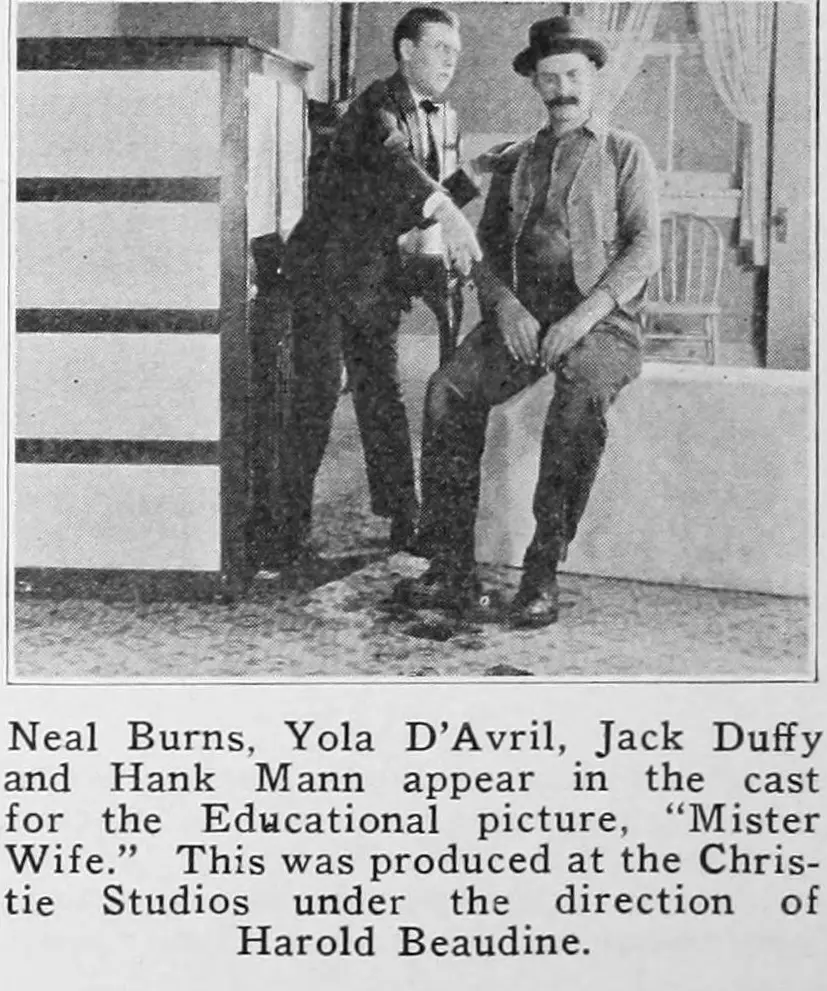
Short answer: yes, but only if you have an appetite for the frantic, unpolished energy of silent-era domestic farce. It is a fascinating cultural artifact that manages to be both incredibly dated and surprisingly relatable in its depiction of household frustration. This film is for enthusiasts of early physical comedy and those interested in the evolution of the 'bumbling husband' trope; it is certainly not for anyone seeking a nuanced or progressive take on gender dynamics.
This film works because: The physical choreography of Neal’s domestic failures—specifically the sequence with the ice-box—is a masterclass in escalating tension through prop-based slapstick.
This film fails because: The resolution relies on a 'Labor Day' gimmick that feels like a narrative shortcut, effectively punishing the husband for a failure that was rigged from the start.
You should watch it if: You want to see Neal Burns at the height of his kinetic powers or if you enjoy seeing how 1920s cinema handled the friction between the domestic and professional spheres.
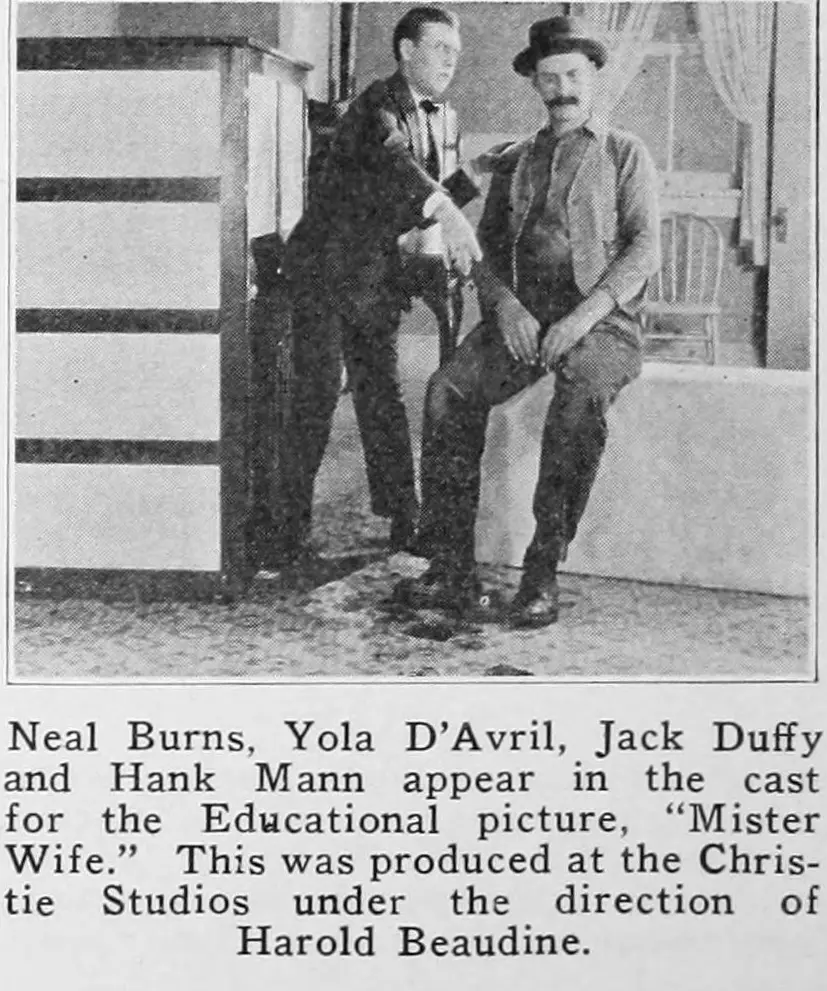
Mister Wife is a film that thrives on the friction of the familiar. Directed with a brisk, almost breathless pace, it captures a specific moment in American history where the domestic sphere was becoming increasingly mechanized, yet remained a mystery to the men who funded it. The opening scene, where the cook is more interested in the Charleston than the stove, sets the tone immediately. It’s not just a comedy about a husband and wife; it’s a comedy about the breakdown of the 'modern' 1920s home.
Neal Burns plays the lead with a high-strung intensity that borders on the neurotic. Unlike the stoicism found in The Pinch Hitter, Burns is a whirlwind of limbs and exasperated expressions. When he tells his wife that he could run the house better than his office, he isn't just being arrogant; he is being a victim of his own professional ego. This setup is classic, but Burns makes it feel fresh through sheer physical commitment.
The contrast between the office and the home is a recurring theme in films of this era, much like the social pressures explored in The Show-Off. However, while other films might focus on the social climb, Mister Wife is content to stay in the mud—or in this case, the soapy water of a malfunctioning washing machine. The cinematography is functional, keeping the frame wide enough to capture the full scope of Neal’s destruction, but tight enough to catch the mounting sweat on his brow.
The heart of the film lies in the middle act, where Neal is left alone. The departure of the cook and maid is a pivotal moment. It represents the immediate collapse of the patriarchal safety net. Without the invisible labor of the women around him, Neal is utterly powerless. The sequence with the iceman is particularly telling; it’s a battle of wills over a block of ice that serves as a metaphor for Neal’s melting composure.
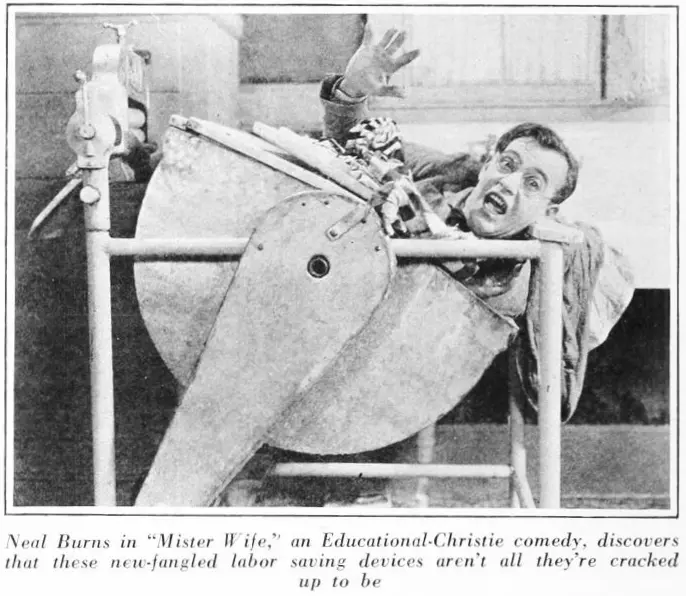
One of the more surprising observations about Mister Wife is how it treats the technology of the time. The ice-box and the washing machine aren't just props; they are antagonists. They represent a world that Neal thinks he understands because he likely manages the companies that make them, yet he cannot operate them. This irony is sharp. It reminds me of the character struggles in Every Man for Himself, where the protagonist is similarly humbled by his own environment.
The pacing here is relentless. There is a specific moment where Neal attempts to juggle the laundry while dealing with a delivery that feels like a precursor to the chaotic kitchen scenes in modern sitcoms. It’s loud, it’s messy, and it’s genuinely funny. The use of intertitles is minimal, allowing the physical comedy to carry the weight of the narrative. This is silent storytelling at its most direct.
The twist ending—that the wife’s 'easy day' at the office was actually a holiday—is where the film takes a debatable stance. On one hand, it’s a brilliant comedic 'gotcha'. It rewards the wife’s cleverness and punishes Neal’s hubris. On the other hand, it sidesteps the actual question: could she have done his job? By making it Labor Day, the film avoids showing a woman successfully navigating the male-dominated corporate world of the 1920s.
This choice is cowardly. It suggests that the only way a woman can 'win' is through a trick of the calendar rather than through competence. If you compare this to the more earnest social explorations in Sold at Auction, Mister Wife feels a bit more cynical. It wants the laugh, but it doesn't want to challenge the status quo too deeply. It’s a safe comedy for a conservative time.
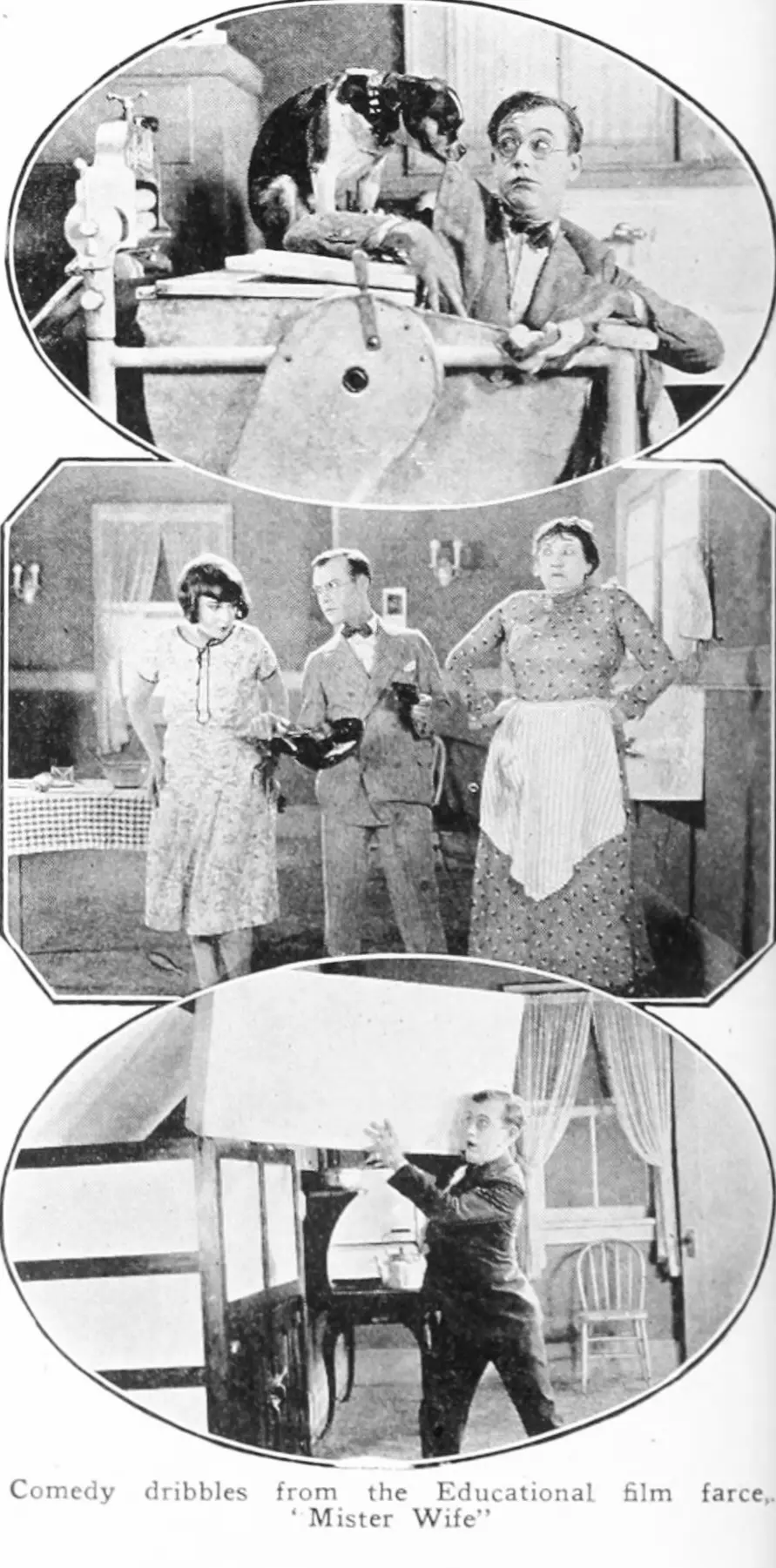
However, the chemistry between the leads helps bridge this gap. Louise Carver and Yola d'Avril provide excellent support, grounding the film’s more absurd moments in a recognizable domestic reality. The acting isn't as heightened as in Camille, but it fits the slapstick genre perfectly. Hank Mann, as always, is a delight, bringing a specific brand of deadpan humor that balances Neal Burns' high-energy performance.
Pros:
- Exceptional physical comedy from Neal Burns.
- Fast-paced and never overstays its welcome.
- Interesting historical look at 1920s domestic technology.
- The 'Labor Day' twist is legitimately unexpected the first time.
Cons:
- The gender politics are firmly rooted in the 1920s.
- Some of the slapstick feels repetitive by the third act.
- The wife's character is less developed than Neal's.
Mister Wife is a punchy, effective piece of silent comedy that manages to entertain despite its dated premise. It works. But it’s flawed. The film is a testament to the skill of Neal Burns, who carries the entire middle section with nothing but a few props and a look of pure desperation. While it lacks the emotional depth of Molly Make-Believe or the grand scale of The Lone Wolf, it excels in its narrow focus on domestic disaster.
Ultimately, the film is a reminder that the 'war of the sexes' has been a staple of cinema since its inception. While the 'Labor Day' reveal might feel like a cheap shot today, in 1920, it was a clever way to end a reel. It’s a minor work in the grand scheme of silent cinema, but it’s a highly enjoyable one that deserves a spot in the conversation about early American comedy. Watch it for the laughs, but don't expect it to change your mind about anything.
IMDb 5.4
1934
Community
Log in to comment.