DbcultAccessing Vault...
7.1/10
Senior Film Conservator
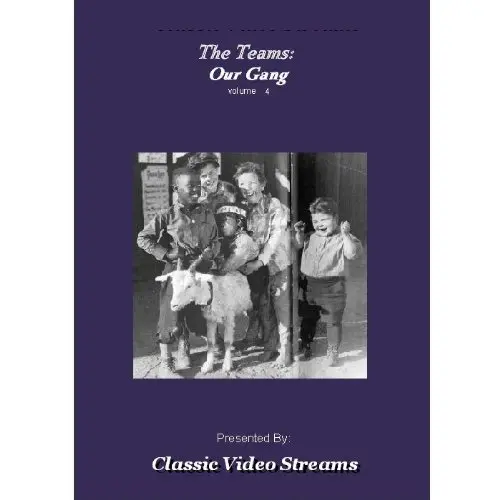
A definitive 7.1/10 rating for a film that redefined the boundaries of cult cinema. Love My Dog remains a cornerstone of transgressive art.
Is this film worth watching today? Short answer: Yes, but primarily for those who appreciate the unrefined, chaotic energy of 1920s comedy. It is a fascinating artifact of a time when child actors were allowed to be genuinely messy and the humor was derived from sheer desperation rather than polished punchlines.
This film is for silent cinema purists, fans of the 'Our Gang' legacy, and anyone who enjoys the peculiar visual language of early Hollywood shorts. It is NOT for those who require high-definition production values or audiences who find the rough-and-tumble treatment of animals in 1920s cinema uncomfortable.
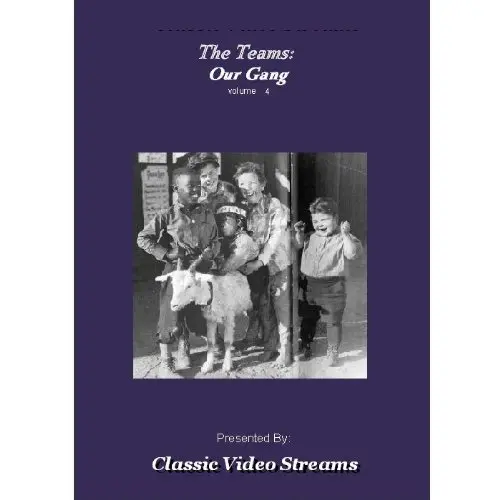
1) This film works because the visual gag of dogs dressed as farm animals is inherently funny, regardless of the era.
2) This film fails because the pacing in the middle act drags, relying too heavily on repetitive chase sequences.
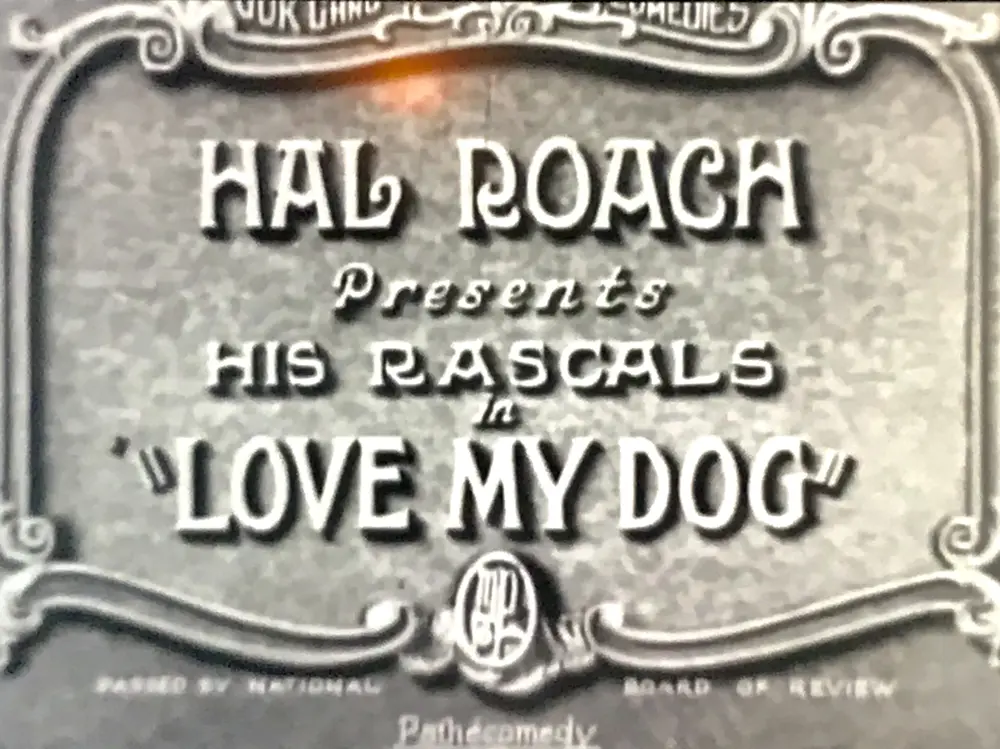
3) You should watch it if you want to see the blueprint for modern ensemble child comedies.
If you are looking for a quick, twenty-minute burst of historical hilarity, then yes. It captures a specific moment in American culture where the threat of 'hydrophobia' served as a convenient, if dark, plot device for slapstick. Unlike the more dramatic shifts found in Underworld, this short remains grounded in the simple, relatable stakes of childhood.
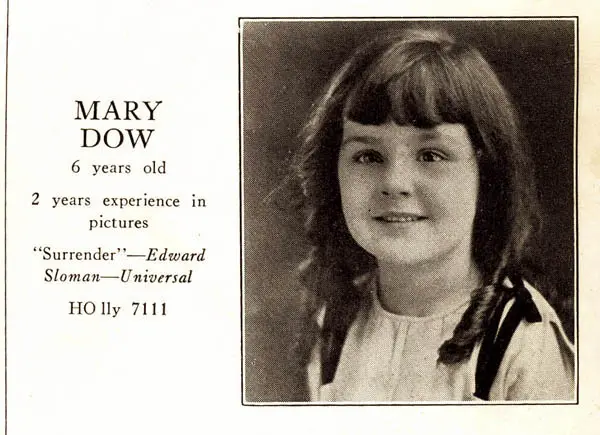
The performances are remarkably natural. In an era where many child stars were coached into stiff, artificial movements, the Hal Roach crew felt like real kids. Watching Joe Cobb or Farina navigate the absurdity of a dog-turned-cow is a masterclass in reactive comedy. It’s raw. It’s flawed. But it’s undeniably human.
The premise of Love My Dog is rooted in a very real economic anxiety. In 1927, five dollars was a significant amount of money. By centering the conflict on this financial barrier, Hal Roach and H.M. Walker tap into a universal theme: the little guy versus the system. The dogcatcher isn't just a villain; he is the embodiment of an uncaring bureaucracy.
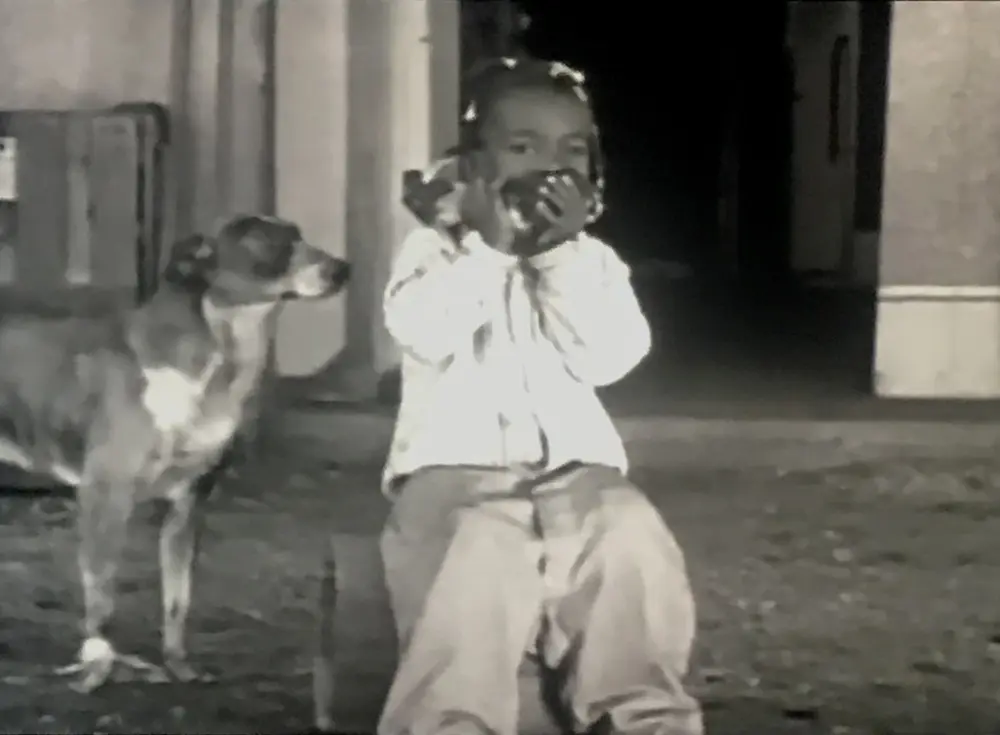
The disguises themselves are the highlight of the film. There is a specific moment where a dog is draped in a spotted hide to resemble a cow, and the sheer commitment of the animal—who clearly has no idea what is happening—creates a surrealist comedy that modern CGI simply cannot replicate. It reminds me of the tonal shifts in The Bar Sinister, though far more focused on laughs than melodrama.
While the film lacks the sweeping romanticism of The Temptress, it makes up for it with grit. The streets look dusty, the clothes are frayed, and the stakes feel immediate. When the kids are hiding their pets, you feel their genuine fear of loss. It’s this emotional core that prevents the film from becoming a mindless series of falls and spills.
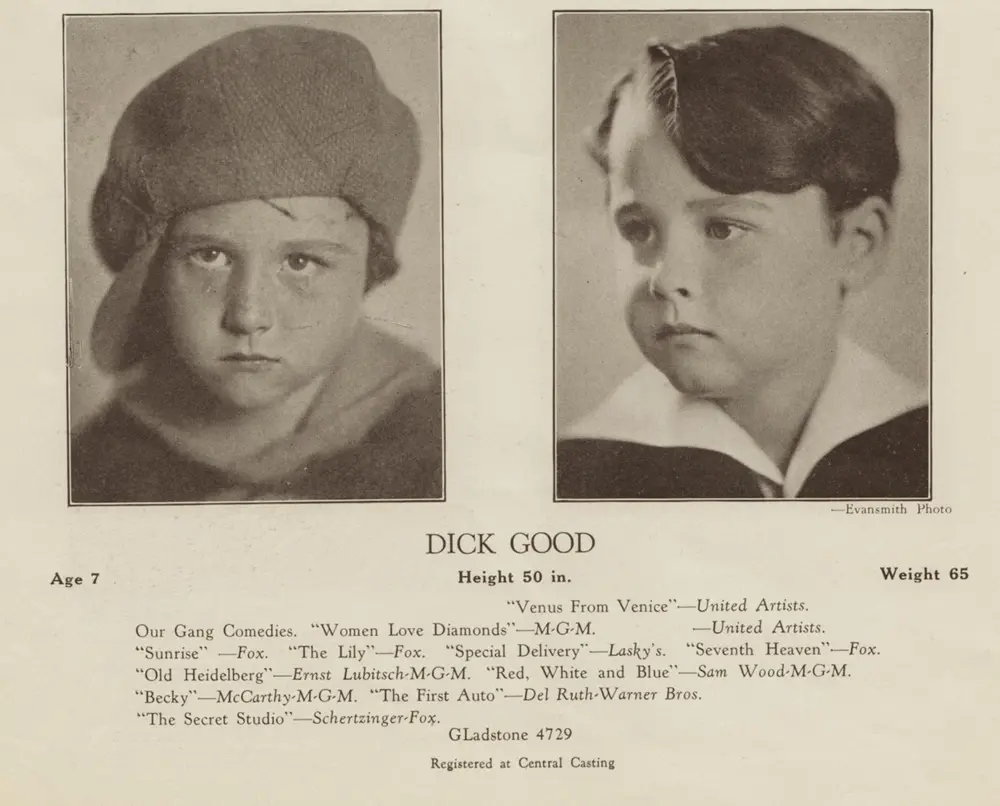
Directorially, the film is standard for the Roach 'factory' style of the late 20s. The camera remains largely static, acting as a proscenium arch for the chaos. However, the editing by the Roach team is surprisingly tight during the final chase. They understand the rhythm of a gag—the setup, the escalation, and the eventual collapse.
Compare this to the more experimental structures of Kino-pravda no. 21, and Love My Dog looks primitive. But simplicity is its strength. The cinematography doesn't need to be flashy when you have a dog in a bear suit causing a panic. The lighting is harsh, typical of outdoor silent shoots, but it adds to the 'street' feel of the production.
One surprising observation is how the film handles its ensemble. Each child has a distinct 'bit.' Farina, as always, steals the scenes with his expressive face, while Joe Cobb provides the physical anchoring for the group. It is a balanced dynamic that many modern films still struggle to achieve with large casts. It's not quite the high-stakes drama of Tol'able David, but the character work is just as intentional.
We cannot discuss this film without mentioning Pal the Wonder Dog. His ability to hit marks and maintain the 'disguise' is the film's secret weapon. In many ways, the dog is the most professional actor on set. His performance adds a layer of unintentional pathos; he is the innocent at the center of the storm.
The film’s humor occasionally dips into the repetitive. How many times can a dogcatcher be outsmarted by the same trick? By the third act, the logic begins to strain, even for a silent short. Yet, the energy never flags. It has the same relentless drive found in The Great Circus Catastrophe, another Roach-era piece that values momentum over logic.
There is a brutal simplicity to the ending. There are no grand speeches or complex resolutions. The kids either win or they don't. In this case, the resolution is a satisfying explosion of slapstick that rewards the viewer for sitting through the slower expositional scenes in the middle.
Pros:
- Genuinely funny visual gags that transcend time.
- Naturalistic performances from the child ensemble.
- A tight runtime that doesn't overstay its welcome.
- Interesting historical look at 1920s urban life.
Cons:
- Some jokes are dated and may feel culturally insensitive.
- Static camerawork limits the visual storytelling.
- The 'hydrophobia' plot point is surprisingly dark for a children's short.
Love My Dog is a scrappy, energetic piece of film history. While it doesn't possess the thematic depth of Forbidden Fruit or the technical prowess of The Money Mill, it succeeds in its primary goal: making the audience root for the underdog. It is a testament to the enduring power of the 'Our Gang' formula. The film is a bit rough around the edges, much like the kids it portrays, but its heart is in the right place. If you can look past the limitations of 1927 technology, you’ll find a comedy that still has a surprising amount of bite. It’s a classic for a reason. But it’s a dusty one.
IMDb 6
1925
Community
Log in to comment.