Summary
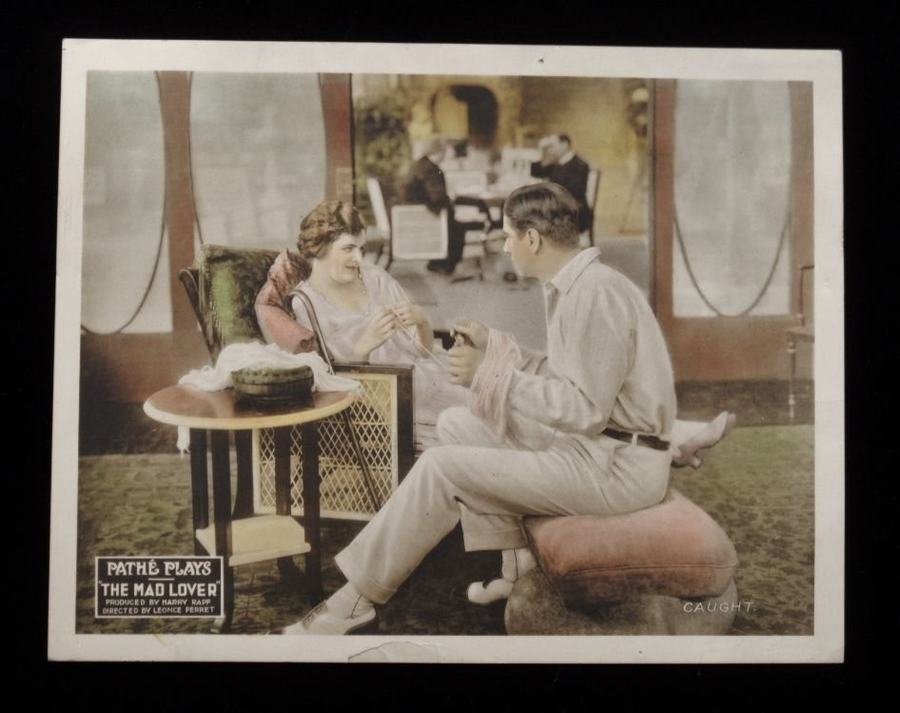
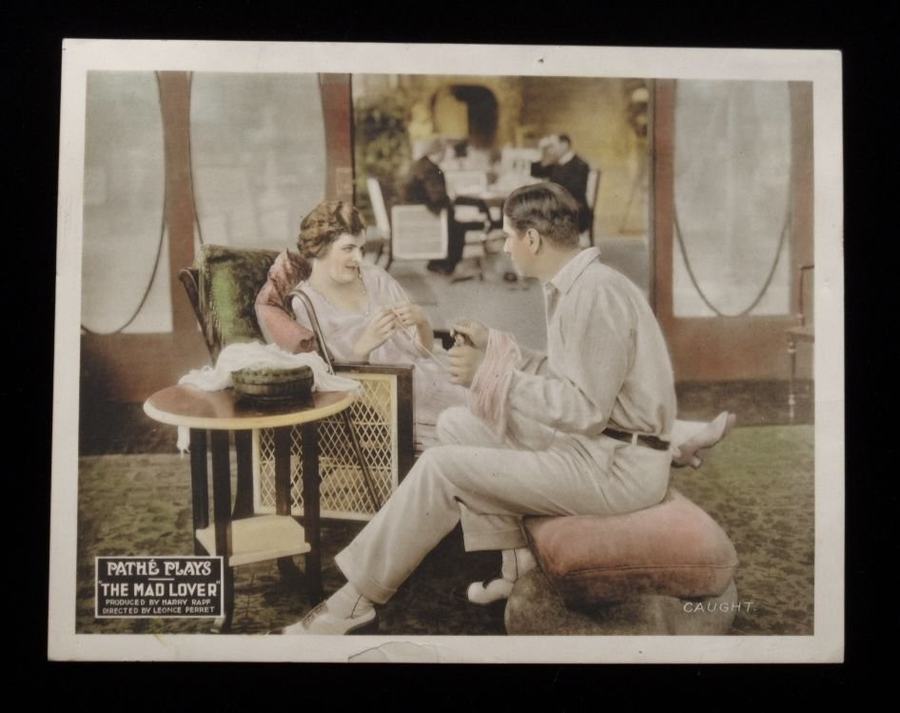
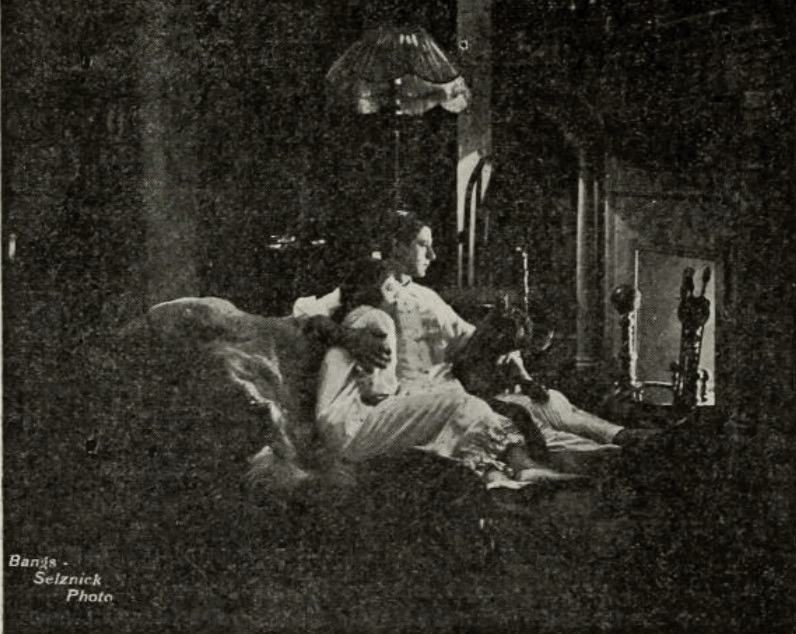
A misanthropic sportsman, Robert Hyde, treats matrimony like a contagion—until a chance car wreck catapults the luminous Clarice through his fortified gates. Convalescence becomes courtship: frost thaws, vows are traded, and the estate’s hush yields to the hush of shared breath. Yet conjugal bliss corrodes under the acid of Robert’s obsession with rod and rifle; Clarice wilts while he stalks pheasant dreams. A Shakespearean charity pageant—an indoor Othello—mirrors the couple’s private battle: the count, velvet-voiced and serpentine, drapes Desdemona’s role around Clarice like a noose. One midnight hallucination later, Robert watches himself smother his bride beneath a pillow of jealousy, then awakens to find life imitating art. He expels the trespasser, reclaims his wife, and—almost as an afterthought—plants the seed that will turn solitary hunter into sleepless guardian of a cradle.
Synopsis
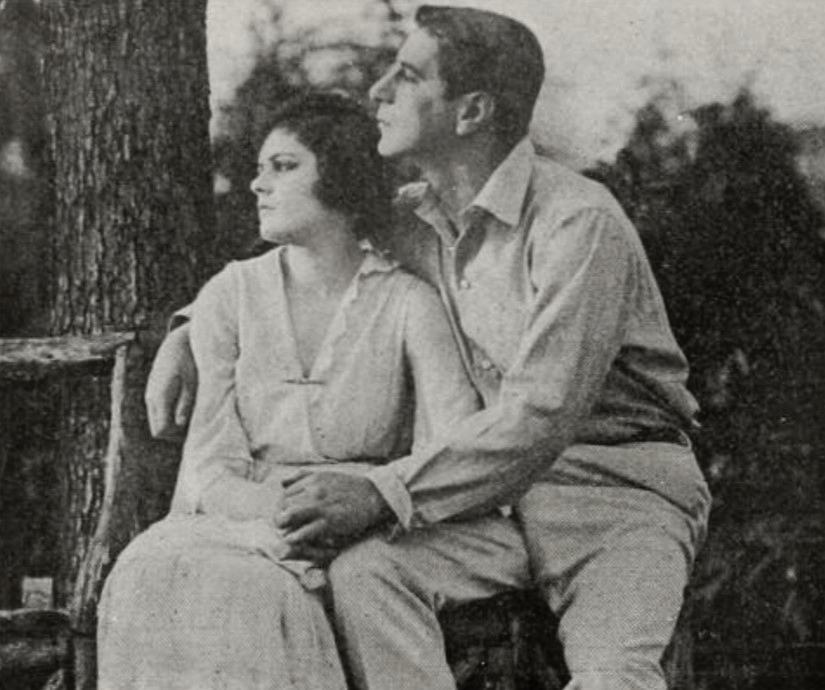
Robert Hyde is a confirmed bachelor who has sworn never to marry. Not even the pleading of his two close friends, the pastor and the lawyer, will move him. But an automobile accident brings Clarice to his home and during her recovery, she and Robert fall in love. After their wedding, Clarice's happiness is marred by Robert's preoccupation with hunting and fishing. The pastor then advises her that she will never know real happiness until she has children. Shortly after this, Clarice's aunt, Mrs. Grosvenor, brings a large party of friends to the Hyde estate for a visit. They all plan to give a performance of William Shakespeare's Othello for charity, but the count annoys Robert by his lovemaking scenes with Clarice. After a startling dream in which Robert's Othello kills Clarice's Desdemona, Robert finds the count making advances in earnest, and throws him out. Robert then begins to pay more attention to his wife and soon Clarice finds herself pregnant and happy.
Review Excerpt
"
Léonce Perret’s The Mad Lover arrives like a hand-tinted postcard mailed from the subconscious: edges frayed, ink bleeding at the margins, yet the image—jealousy as marital fuel—retains its scalding immediacy. Shot in the lacustrine hush of 1922, the film weaponizes silence; every intertitle feels like a slap delivered in gloves.
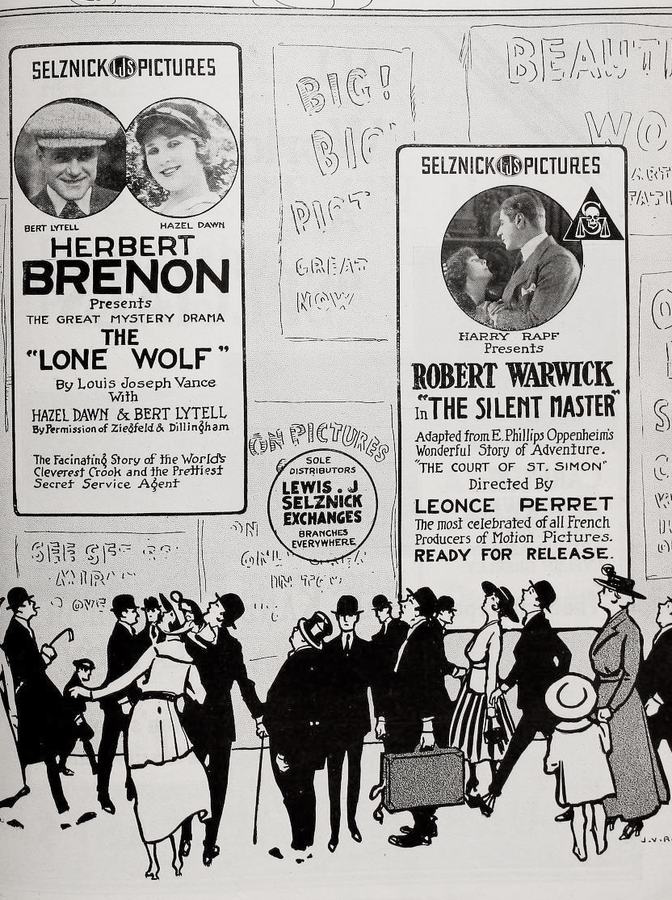
Robert Warwick’s Hyde stalks the frame as if allergic to his own silhouette—shoulders hinged forward, eyes two nail heads hammered into dusk. His anti-courtship creed..."