DbcultAccessing Vault...
6.2/10
Senior Film Conservator
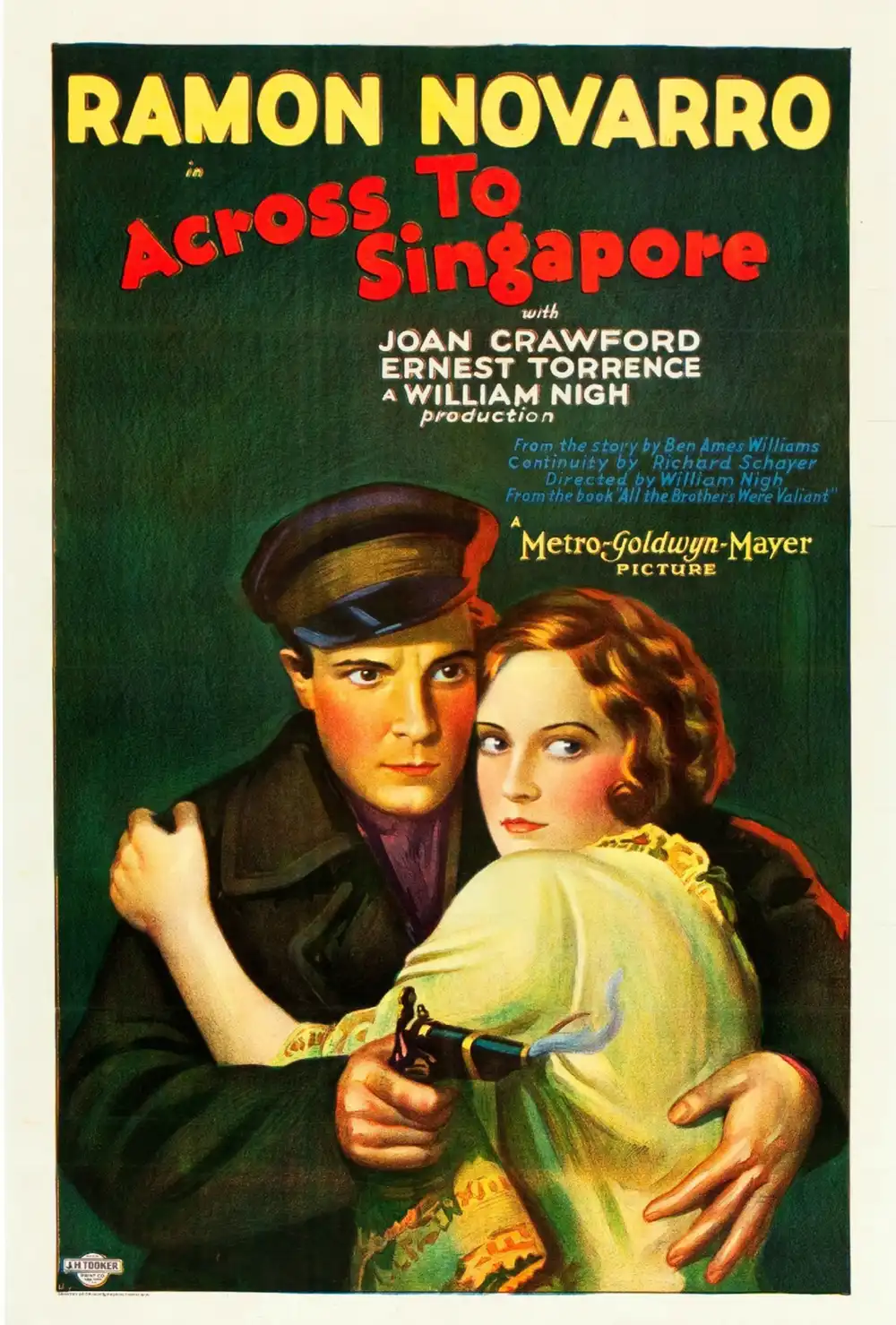
A definitive 6.2/10 rating for a film that redefined the boundaries of cult cinema. Across to Singapore remains a cornerstone of transgressive art.
For modern viewers, Across to Singapore (1928) is a fascinating, if occasionally frustrating, look into late silent-era melodrama. It’s certainly worth seeking out for dedicated fans of Ramon Novarro and a very young Joan Crawford, offering a glimpse into their burgeoning screen presences before the talkie era. Silent film enthusiasts will find its maritime setting and classic love triangle compelling enough, but those unaccustomed to the genre’s conventions – particularly its broad acting styles and deliberate pacing – may find it a challenging watch. It’s a film best approached with an appreciation for historical context, rather than a purely contemporary entertainment mindset.
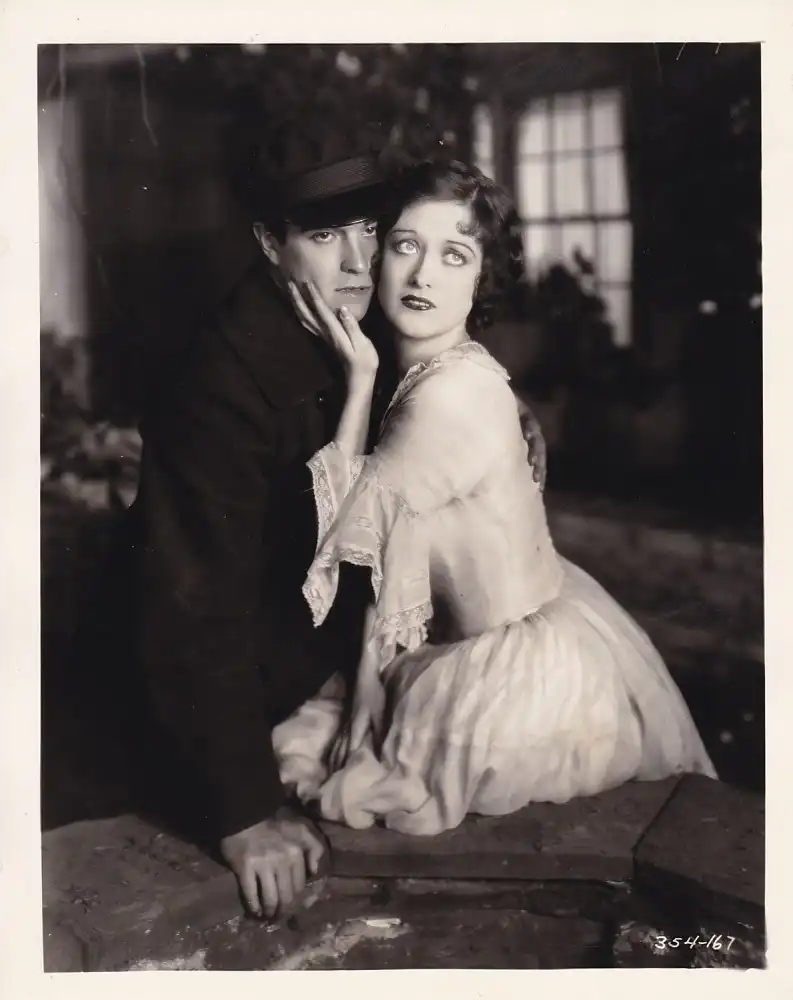
The film centers on the Key family, a clan of sailors, and the two brothers, Joel (Ramon Novarro) and Mark (Ernest Torrence), both in love with the spirited Priscilla (Joan Crawford). From the outset, the film establishes Joel and Priscilla’s shared childhood and an implied, tender affection. Their bond is palpable in their early scenes, particularly in a quiet moment where Priscilla tends to Joel’s scraped hand, a small gesture that speaks volumes without a single intertitle. This unspoken understanding, however, is quickly complicated when the older, more responsible Mark returns from sea and, with the family’s blessing, asks Priscilla to marry him. Her reluctant acceptance sets the stage for a simmering conflict that drives the narrative forward.
The dramatic tension builds as Joel struggles to reconcile his feelings with loyalty to his brother. Novarro plays Joel as a hot-headed, passionate young man, often prone to impulsive decisions. His internal turmoil is evident in his restless pacing and the way he clenches his jaw, particularly during scenes where Mark and Priscilla are together. He’s a character who wears his heart on his sleeve, and Novarro’s performance, while occasionally leaning into the era’s more exaggerated gestures, effectively conveys his anguish.
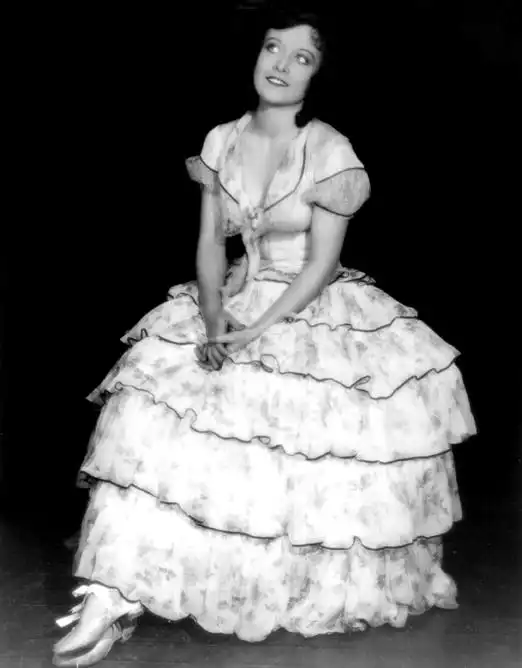
Joan Crawford, still early in her career, brings a surprising depth to Priscilla. While the role occasionally calls for her to be a passive object of male desire, Crawford imbues Priscilla with a quiet strength and a visible internal conflict. There’s a scene where she’s helping Mark pack for his voyage, and her eyes subtly flicker towards Joel in the background, a brief but telling moment that hints at her true feelings without needing an intertitle to explain it. It’s a glimpse of the nuanced emotional work she would later become known for, cutting through some of the film’s more overt melodrama.
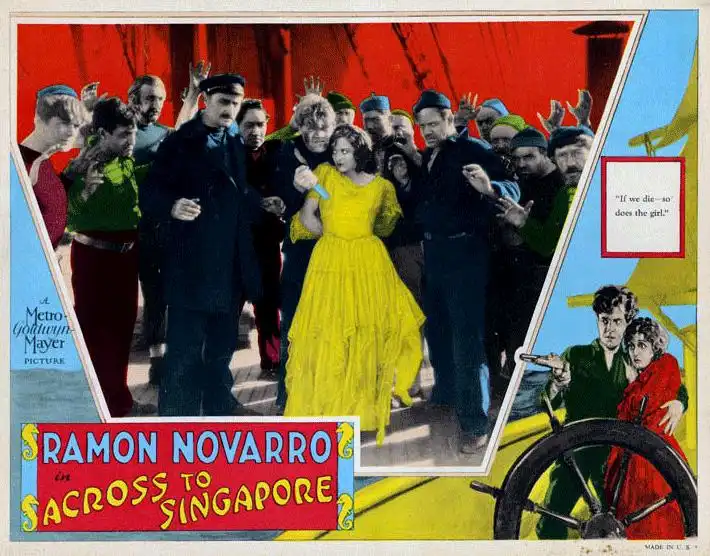
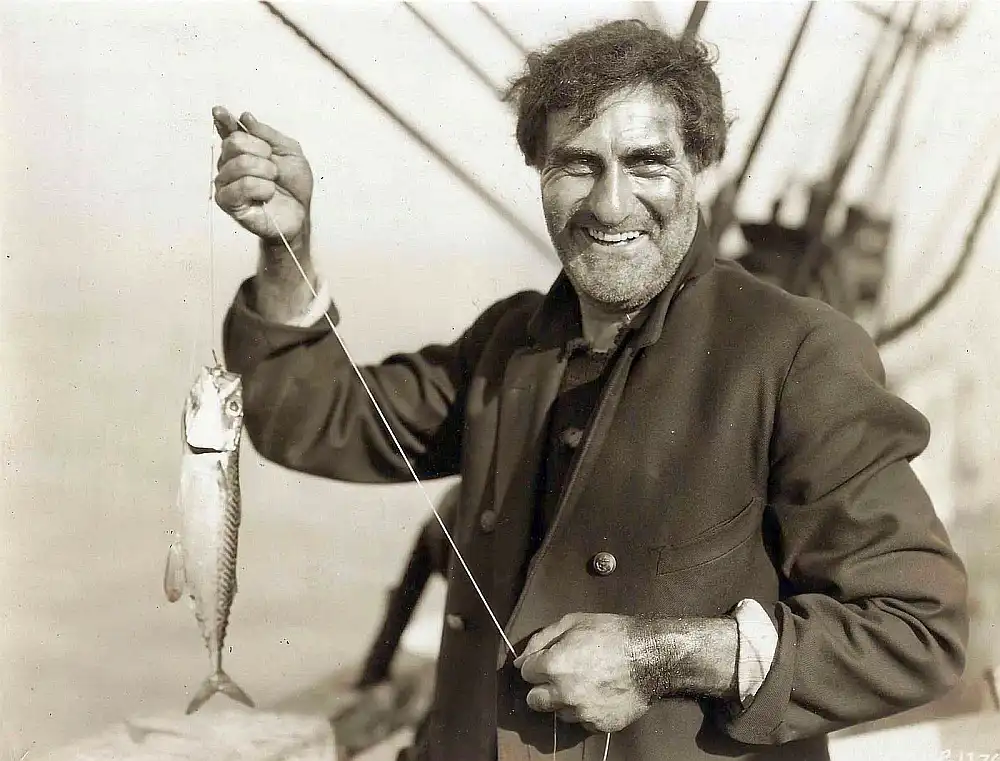
Ernest Torrence, as the older brother Mark, embodies a certain gruff decency. He’s not a villain, but rather a man blinded by his own desires and the perceived rightness of his position. His performance is solid, providing a grounded counterpoint to Novarro's more fiery portrayal. However, the film’s most underutilized talent is undoubtedly Anna May Wong. As the alluring Chinese woman who briefly captures Joel's attention in Singapore, Wong brings an undeniable magnetic presence to her limited screen time. Her scenes are brief, almost fleeting, and it’s a shame the script doesn't allow her character more development or agency beyond being a brief distraction for the protagonist. Her knowing gaze and subtle movements suggest a far richer inner life than the film bothers to explore.
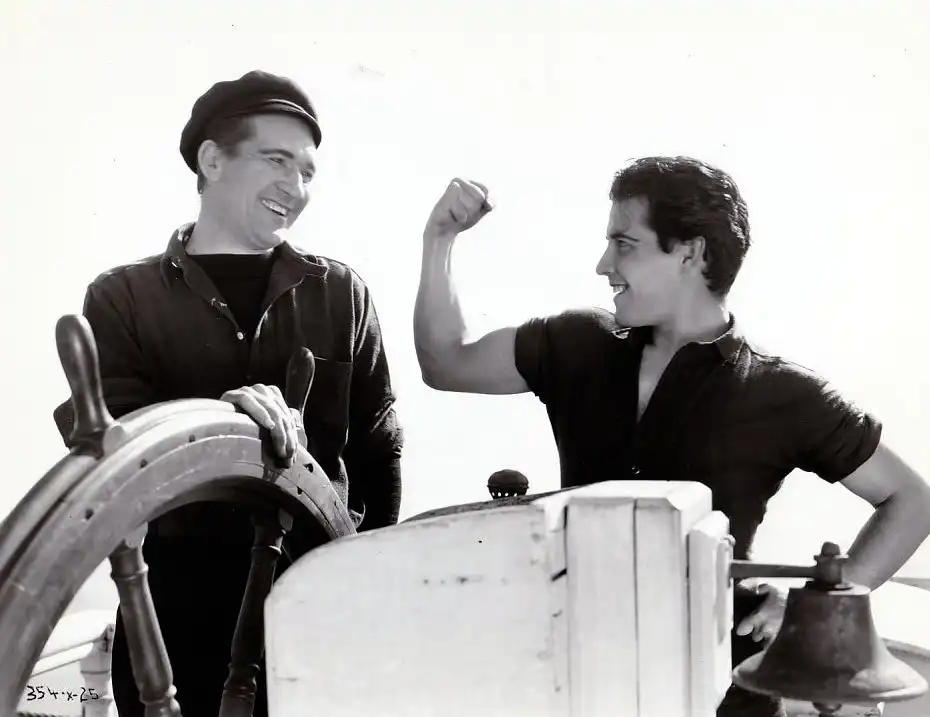
Like many silent films, Across to Singapore demands a certain patience. The pacing can feel deliberate, especially in its early setup, with long reaction shots and extended sequences of emotional contemplation. While this allows for character development through visual expression, it can occasionally lead to moments that drag for a modern audience. The film’s strength lies in its visual storytelling, particularly its depiction of the maritime world. The shots of the ships at sea, battling storms, are genuinely impressive for the era, conveying both the beauty and the danger of their profession.
The port scenes, especially those set in Singapore, are where the film truly comes alive visually. There's a palpable sense of bustling energy, with extras moving purposefully in the background, creating a vibrant, if somewhat idealized, atmosphere of an exotic locale. One small detail that stands out is the almost ritualistic way background sailors in the tavern scenes are often shown polishing glasses or scrubbing tables with an exaggerated diligence, even as the main characters are embroiled in a brawl. This creates a strange, almost theatrical counterpoint to the escalating drama, a sense of ordered chaos that feels distinct and observed.
The film’s primary strength lies in its commitment to high melodrama, which, when it works, can be quite effective. The climactic storm sequence is well-executed, blending model work with dramatic cuts to create a sense of peril. The emotional core of the love triangle, while tropey, is genuinely felt, largely thanks to Novarro and Crawford’s committed performances. The visual scope, especially the ships and the sea, gives the film a grandeur that elevates it beyond a simple domestic drama.
However, the film’s weaknesses are also quite apparent. The plot, while engaging, is largely predictable, following a well-worn path of sacrifice and misunderstanding. Some of the character motivations, particularly Priscilla’s initial acceptance of Mark, feel more driven by plot necessity than organic development. The resolution, while emotionally satisfying within the context of the genre, relies on a convenient dramatic turn that strains credulity. Moreover, the portrayal of non-Western characters, while common for the era, is often simplistic and lacks nuance, a point particularly evident in Wong's underwritten role.
Across to Singapore is a robust silent melodrama that, despite its occasional narrative conveniences and dated conventions, remains a valuable watch for those interested in film history and the early careers of its stars. It’s not a flawless film, and its pacing requires a certain level of engagement from the viewer, but it offers enough compelling performances and impressive visual sequences to justify its runtime. If you're willing to lean into the emotional intensity of the silent era and appreciate the craftsmanship of a 1928 production, it’s an experience worth having. For those new to silent film, it might not be the ideal entry point, but for established fans, it’s a solid example of the genre’s enduring appeal.

IMDb —
1933
Community
Log in to comment.