DbcultAccessing Vault...
6.4/10
Senior Film Conservator
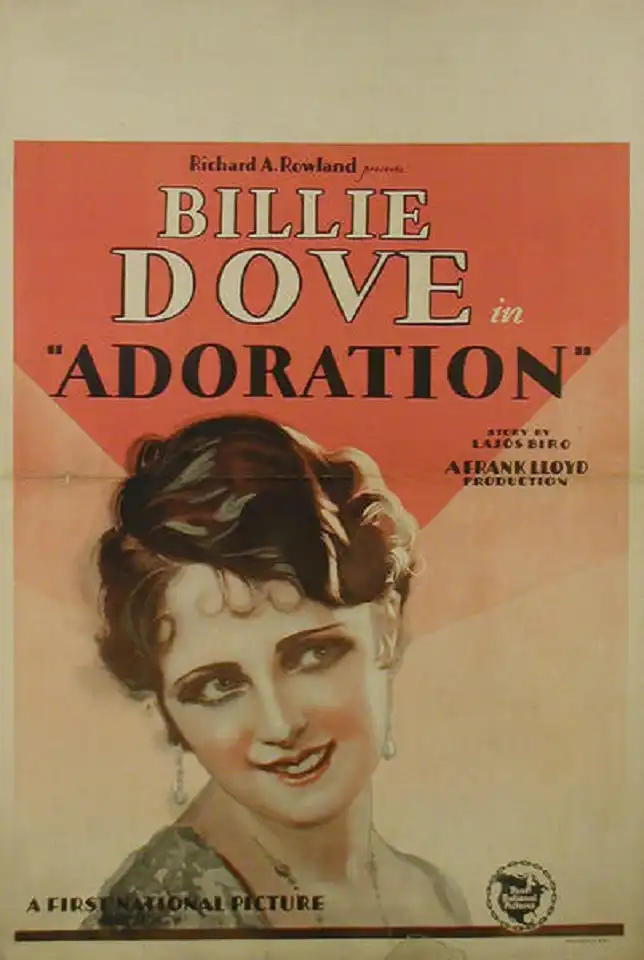
A definitive 6.4/10 rating for a film that redefined the boundaries of cult cinema. Adoration remains a cornerstone of transgressive art.
Adoration is one of those old films that, honestly, you're either going to love or find utterly baffling. If you're someone who genuinely enjoys the grand, often overblown theatrics of late silent cinema, particularly with a strong female lead chewing scenery, then yes, absolutely give it a watch. But if your patience for dramatic stares, elaborate gestures, and plots that bend reality for the sake of emotion runs thin, you'll probably spend most of its runtime checking your watch. It’s a specific kind of pleasure, really.
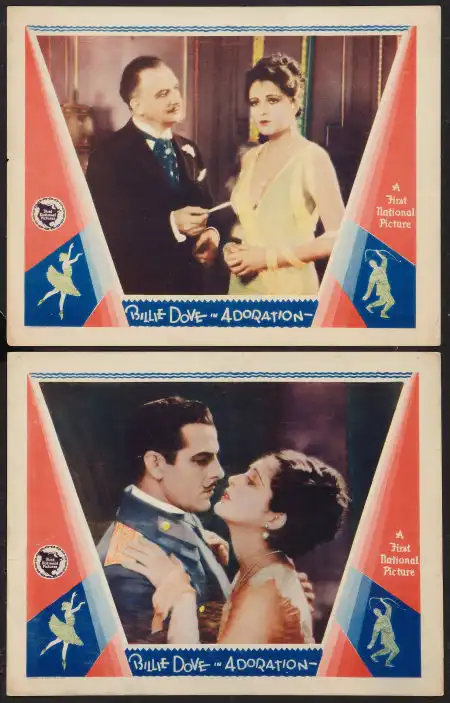
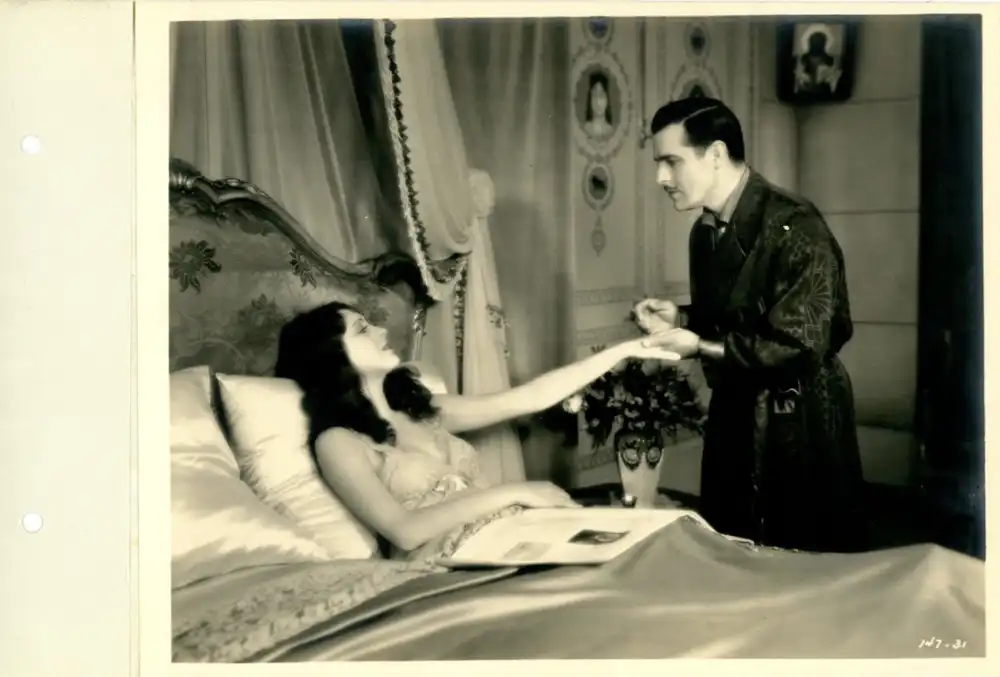
Billie Dove as Elena is the absolute core of this thing. She plays a Russian princess, then a woman navigating the harsh streets of Paris, and the shift is monumental. Her early scenes are all about this aristocratic sorrow, her eyes conveying so much even when the rest of her face holds a kind of regal mask. Then, later, it's a completely different energy—a more hardened, almost cynical look. It’s a huge swing, and sometimes it lands with incredible force, sometimes it feels like she’s trying to hit every single emotional note simultaneously, and it just gets a bit much.
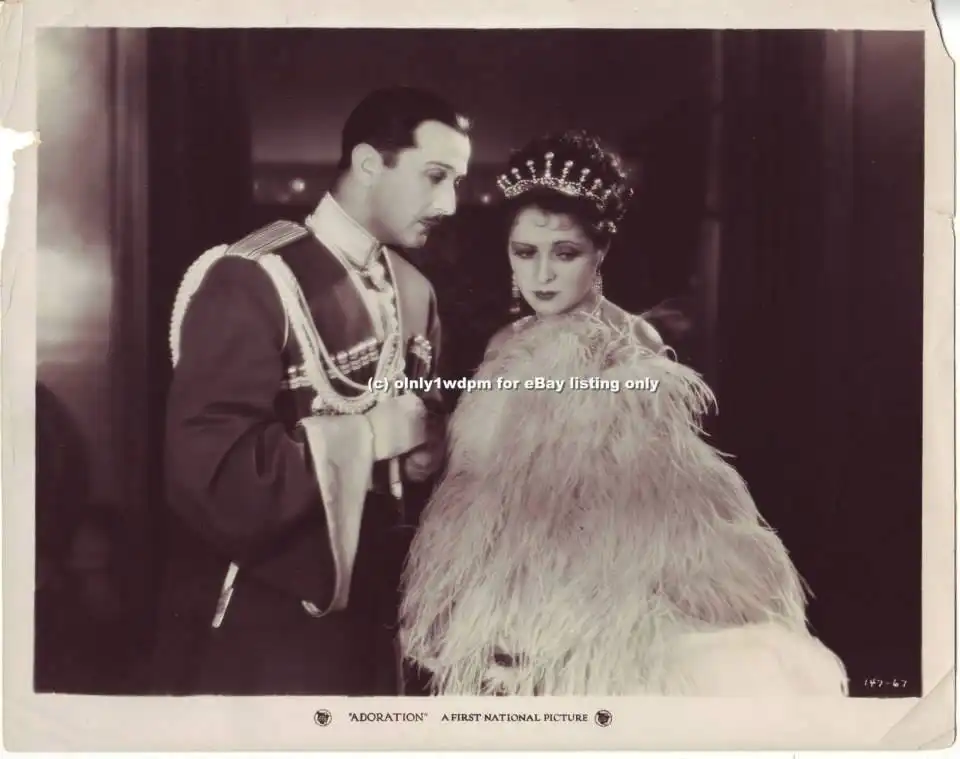
The transition from the opulent Russian court to the grimy Parisian streets feels so abrupt. Not just geographically, but tonally. One minute it's all sweeping ballrooms and whispers of impending revolution, the next it’s this sudden, almost jarring dive into poverty. The costumes in the early scenes are pretty wild, especially some of those elaborate headpieces on the background extras. A bit much, even for a princess.
There's a scene early on where Elena is saying goodbye to someone, and the camera just… holds on her face for what feels like an eternity. You can almost feel the director trying to wring every drop of pathos from the moment. “Feel something! Now!” It’s not subtle. At all.
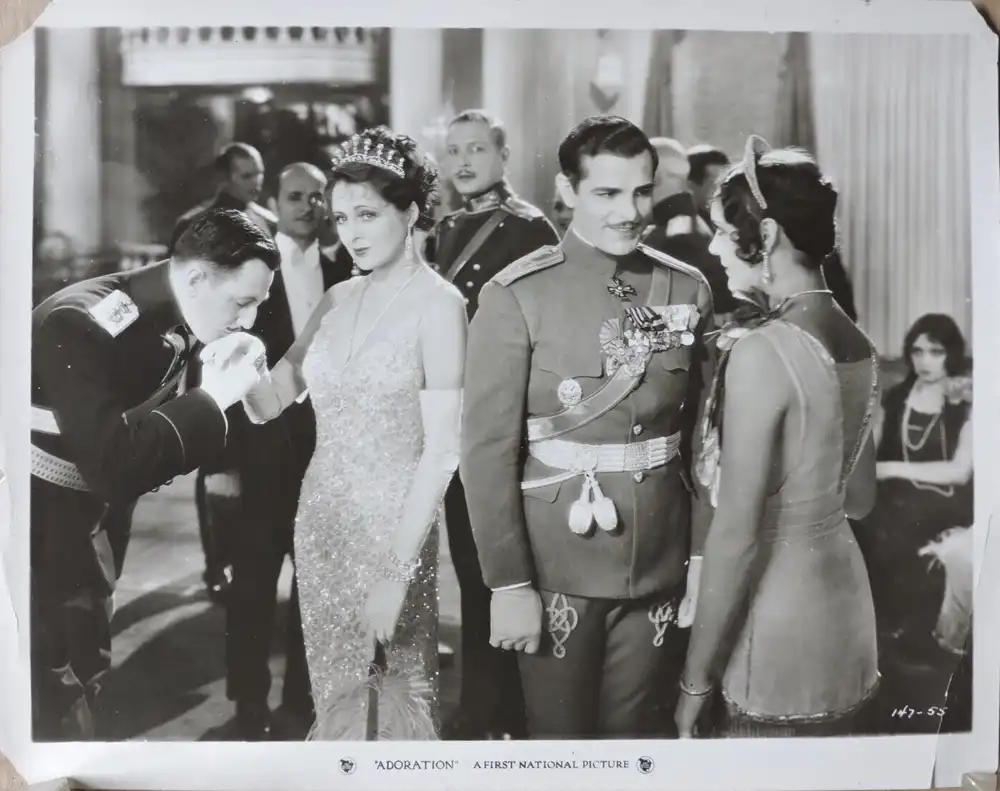
Antonio Moreno plays the prince. He’s handsome, sure, but his expressions often feel a little flat next to Dove's intensity. Their “romance” is more implied by the intertitles than any real spark you actually see between them. It’s a lot of longing glances that just don't quite connect. Like two magnets with the same polarity.
The pacing in the middle section, when Elena is navigating Paris, slows down considerably. It’s supposed to be showing her struggle, I guess, but some of those montages of her looking forlorn by a window just go on too long. You get the idea after the first two shots. We don’t need a third, fourth, and fifth.
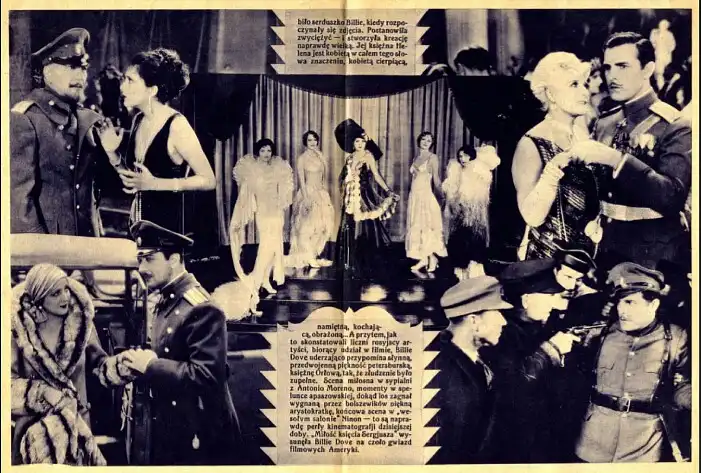
Then there are these sudden bursts of almost frantic action, especially when the plot needs to move from one dramatic point to the next. A quick escape, a sudden encounter. It's like the film remembers it has to get somewhere, after all that lingering.
One shot that really stuck with me: a close-up of a single tear rolling down Billie Dove's cheek. It’s perfectly lit, framed just right. It’s a classic silent film moment, and it genuinely works. It cuts through some of the surrounding noise and delivers a real emotional punch.
But then you get dialogue intertitles that are so incredibly direct, spelling out emotions that Dove has already conveyed perfectly with just her eyes. It’s almost redundant sometimes. “I am broken-hearted,” flashes across the screen after she’s just finished a full minute of silent, anguished crying. We got it. We really did.
The crowd scenes in Paris have this strange quality. They’re busy, yes, but not quite *alive*. Like the extras were told to mill about but not interact much. You can almost see them waiting for their cue, just a little too stiff.
There’s a very specific, almost bizarre moment where a minor character, an old woman, tries to offer Elena some bread, and the way Elena reacts—a mix of pride and desperation—is actually quite moving. Far more so than some of the grander dramatic gestures that precede or follow it. It feels real for a second, a small, quiet moment amidst the storm.
The ending, without giving anything away, tries to tie everything up in a neat bow. But it feels a little unearned after all the emotional turbulence. It's a bit too convenient, a bit too clean. Like the writers suddenly decided, “Okay, let’s just make everyone happy now.” It’s a strange tonal shift to end on, almost a relief from the drama rather than a true resolution.
IMDb 3.7
1911
Community
Log in to comment.