DbcultAccessing Vault...
6.5/10
Senior Film Conservator
A definitive 6.5/10 rating for a film that redefined the boundaries of cult cinema. Umanità remains a cornerstone of transgressive art.
The opening sequence of Umanità is a masterclass in visual poetry; a drenched cobblestone square glistens under the jaundiced glow of sodium lamps, each puddle reflecting fragmented neon signage. In this tableau, Serenetta, portrayed with a trembling elegance by the eponymous Serenetta, clutches a tattered invitation that reads like a relic. Her eyes, framed by a cascade of ash‑brown hair, flicker between resignation and a lingering spark of curiosity. The camera lingers, allowing the audience to absorb the texture of her desperation, a technique reminiscent of the lingering close‑ups found in The Coming of the Law.
Enter Tranquillino, whose stoic demeanor masks an inner tumult. Bravetta scripts his dialogue with a deliberate sparseness, each line a measured step across a tightrope of existential dread. The agronomist's return from a failed harvest is not merely a plot device but a metaphor for the barren fields of collective memory. As he walks through the rain‑slicked streets, the sound design—soft patter of droplets, distant church bells—creates an auditory canvas that underscores his isolation. This auditory restraint mirrors the subdued score that pervades the film, a subtle piano motif that surfaces only in moments of heightened emotional resonance.
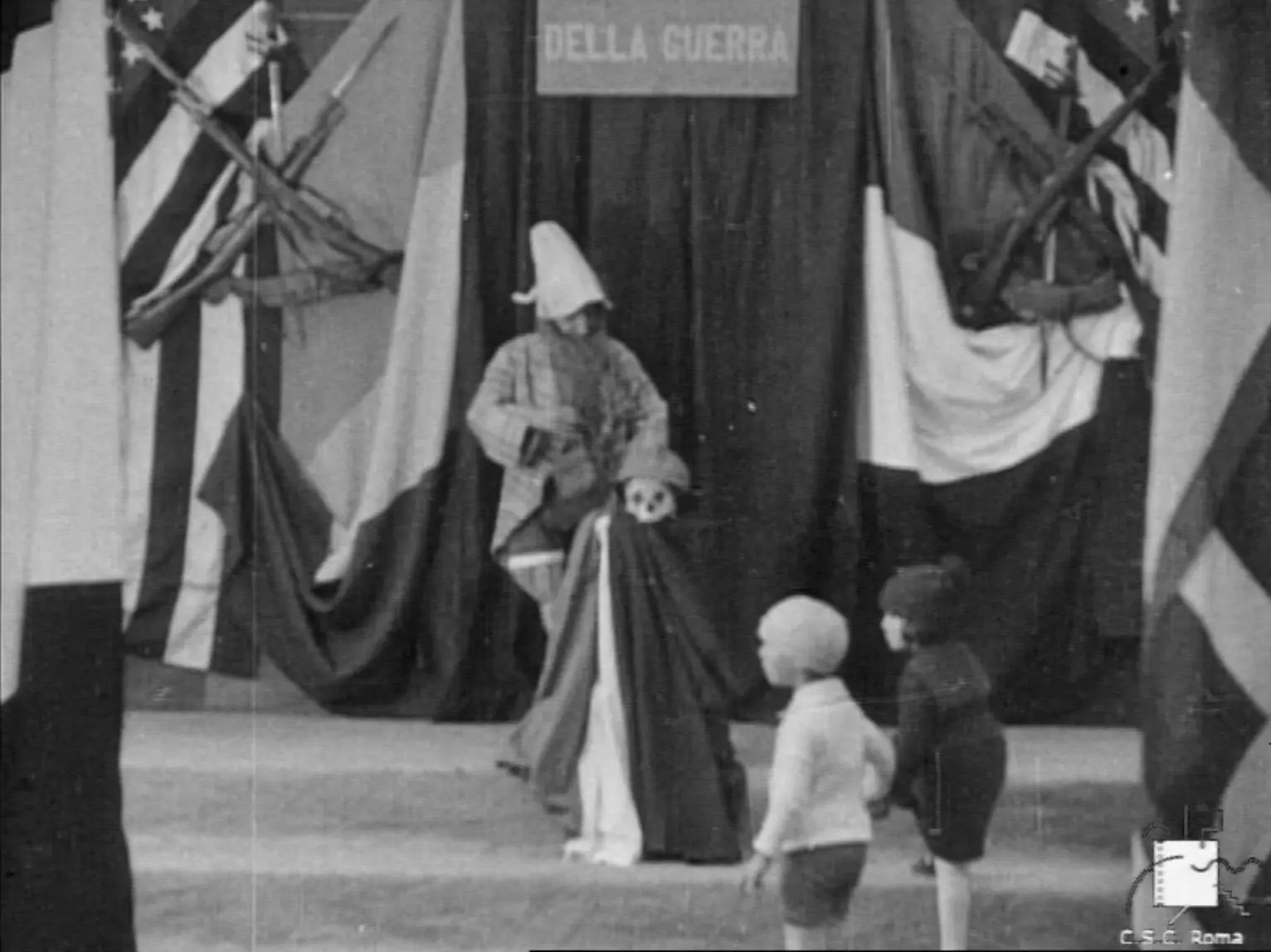
The narrative’s second act introduces the clandestine artistic collective that Serenetta joins. Their rehearsals occur in an abandoned textile factory, its rusted girders and broken windows forming a cathedral of industrial decay. The director employs a palette dominated by dark orange #C2410C and muted yellows #EAB308, casting the performers in a warm, almost sacramental light against the cold steel. In these scenes, the choreography of the performers—slow, deliberate movements that echo the rhythm of a heart in stasis—evokes the lyrical melancholy of Madame Sphinx, yet Bravetta injects a uniquely Italian sensibility, a reverence for the spoken word that feels both archaic and urgently contemporary.
Parallel to Serenetta’s artistic odyssey, Tranquillino’s pilgrimage across the Italian countryside is rendered with a documentary‑like intimacy. He visits villages where the last vestiges of agrarian rituals persist, recording testimonies of elders whose faces are maps of time. Their narratives—stories of harvest festivals, of communal bread‑sharing, of whispered superstitions—are intercut with shots of withered wheat fields, the camera lingering on the brittle stalks as if they were the very bones of forgotten tradition. This juxtaposition of oral history and visual decay creates a dialectic that asks whether the act of remembering can resurrect what has been lost. The film’s treatment of this theme bears a faint echo of the ethnographic curiosity present in The Woman in the Web, yet it is filtered through Bravetta’s distinct lyrical lens.
The climactic convergence takes place in a derelict theater, its once‑opulent frescoes now obscured by grime. Here, Serenetta delivers an aria that is simultaneously a lament and a proclamation; her voice, raw and unadorned, pierces the stale air, resonating with the collective yearning of the film’s protagonists. Simultaneously, Tranquillino reads aloud the collected testimonies, his baritone a grounding counterpoint to Serenetta’s soaring soprano. The interplay of sound and silence, of spoken word and song, creates a synesthetic experience that is at once disorienting and profoundly moving. The scene’s color scheme shifts subtly to sea blue #0E7490, bathing the stage in a cool, ethereal glow that suggests both melancholy and hope.
Bravetta resists conventional resolution; the final tableau ends with the theater lights flickering out, leaving the audience in darkness, the echo of Serenetta’s final note lingering like a question. This deliberate ambiguity aligns the film with the open‑ended narratives of classics such as Prohibition and The Failure, where the lack of closure serves as a catalyst for introspection. The viewer is left to contemplate whether humanity, represented by the fragile threads of Serenetta’s music and Tranquillino’s testimonies, can indeed re‑weave its torn tapestry.

The performances merit particular commendation. Serenetta’s portrayal is a study in restrained intensity; she conveys a world of internal conflict through micro‑expressions—a tremor of the lip, a fleeting glance. Tranquillino, meanwhile, embodies a quiet gravitas; his measured cadence and the subtle tension in his shoulders convey a man carrying the weight of collective memory. Their chemistry, never overtly romantic yet undeniably magnetic, underscores the film’s central thesis: that connection can arise from shared vulnerability rather than overt affection.
Cinematographically, the film is a triumph of chiaroscuro, employing shadows to delineate the psychological terrain of its characters. The use of natural lighting in the countryside sequences imparts an authenticity that contrasts sharply with the theatrical artificiality of the factory rehearsals. The editing rhythm, deliberate and unhurried, allows each frame to breathe, encouraging the audience to linger on visual motifs—a cracked window pane, a wilted flower, a rusted gear—each symbolizing the decay and potential rebirth of humanity.
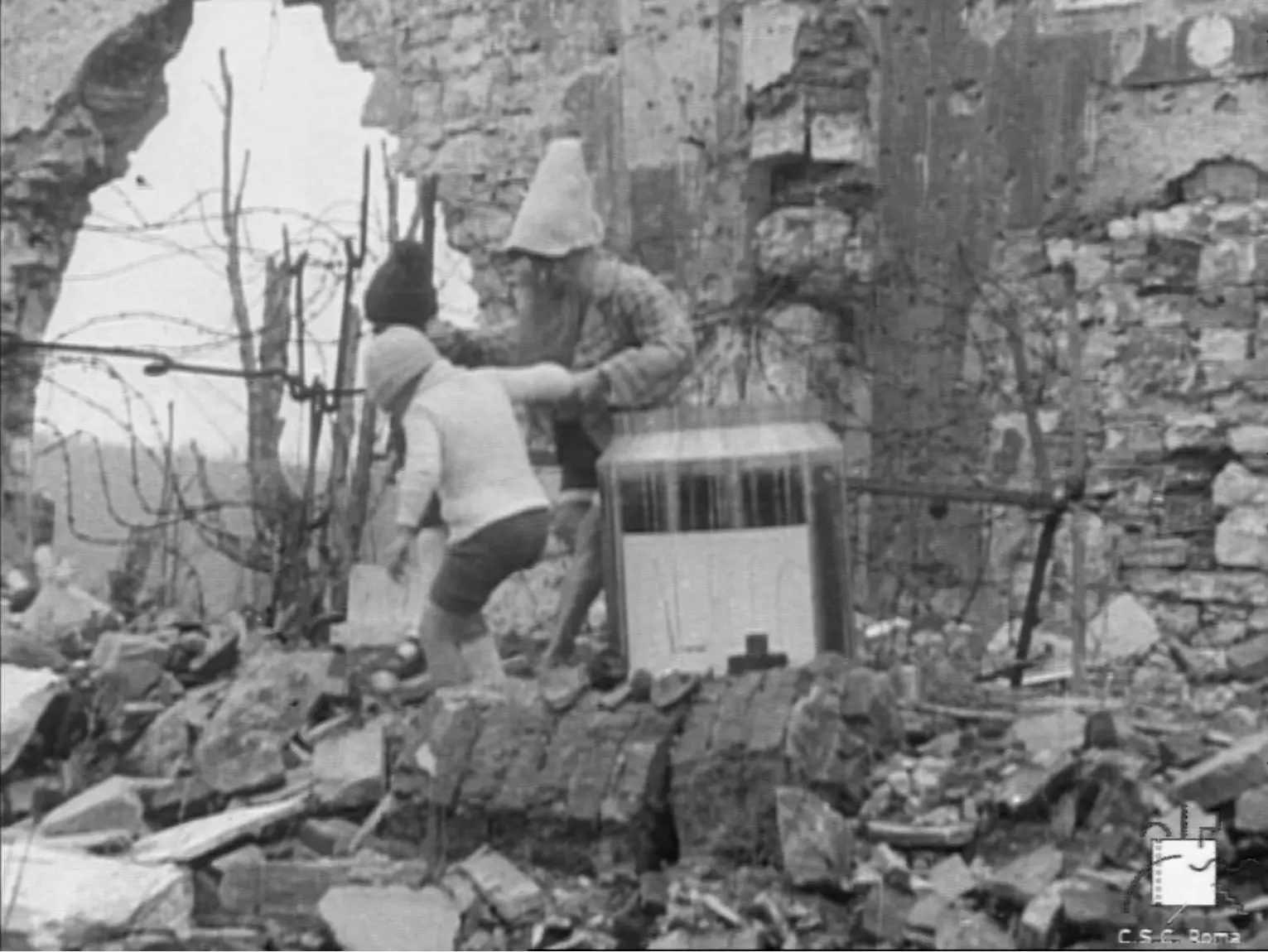
From a thematic standpoint, *Umanità* interrogates the paradox of modern alienation versus ancient communal bonds. It asks whether the act of storytelling—whether through song, oral history, or visual art—can serve as a conduit for reconciling the fragmented self with the collective whole. This inquiry resonates with the moral quandaries explored in The Code of Marcia Gray, where characters grapple with personal duty versus societal expectation.
In the realm of sound design, the film’s minimalist score, punctuated by occasional diegetic sounds—a creaking floorboard, the rustle of newspaper pages—creates an aural landscape that mirrors the visual austerity. The occasional swell of orchestral strings during the final performance serves as an emotional fulcrum, lifting the narrative from its somber baseline without undermining its restraint.
Overall, *Umanità* stands as a meditative meditation on the elasticity of the human spirit. It eschews the conventional arc of triumph, opting instead for an elegiac reverence for the fragile, often invisible threads that bind individuals to their cultural lineage. For viewers attuned to cinema that prioritizes atmosphere, thematic depth, and performative nuance, Bravetta’s work offers a rewarding, albeit demanding, experience. It invites repeated viewings, each revealing new layers of symbolism, each echoing the film’s central mantra: that humanity persists not in grand gestures, but in the quiet persistence of memory, art, and shared breath.

IMDb —
1921
Community
Log in to comment.