DbcultAccessing Vault...
5.8/10
Senior Film Conservator
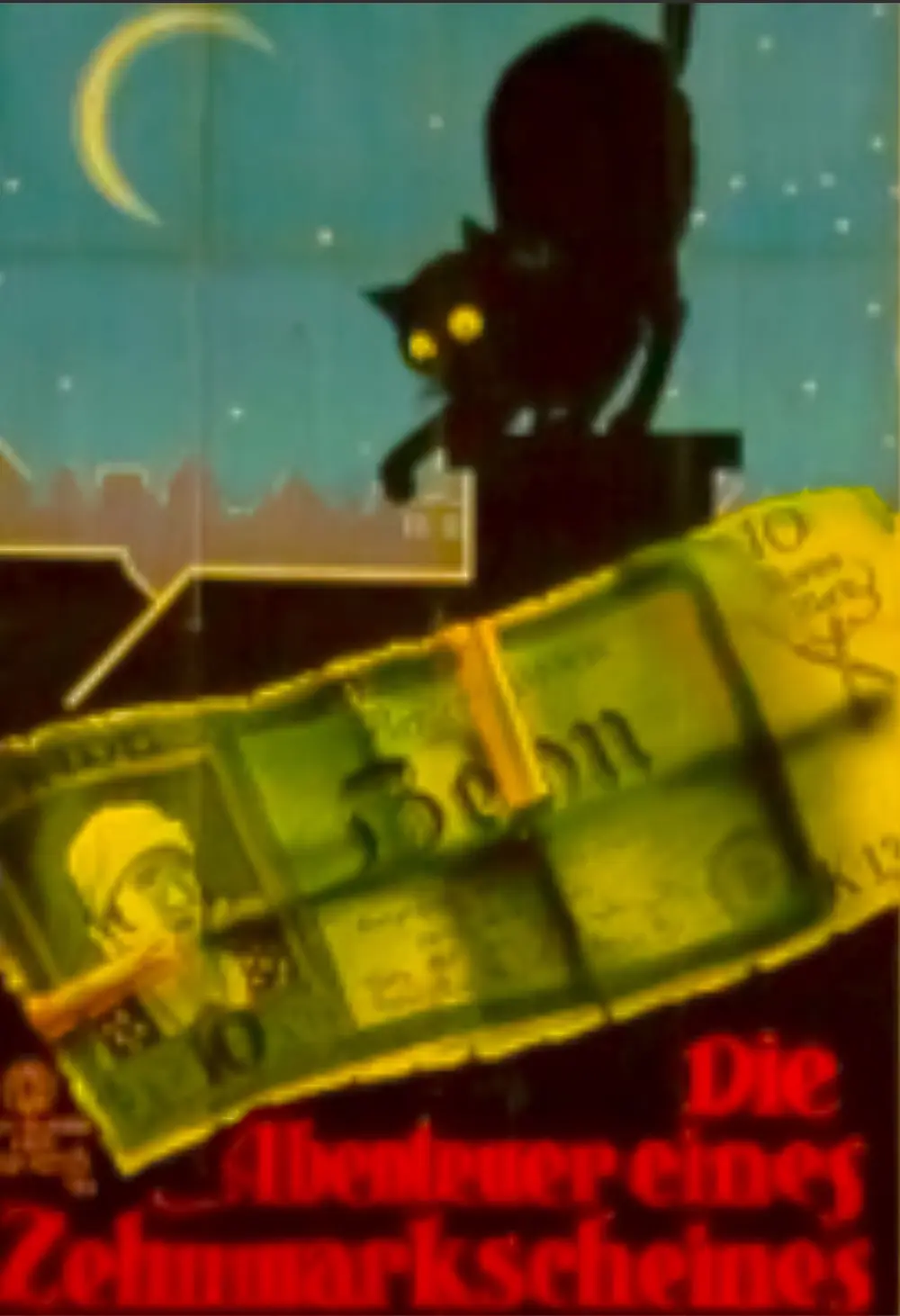
A definitive 5.8/10 rating for a film that redefined the boundaries of cult cinema. Adventures of a Ten Mark Note remains a cornerstone of transgressive art.
Is Adventures of a Ten Mark Note a relic or a relevant piece of cinema? Short answer: It is a vital, albeit grim, artifact of social realism that remains shockingly modern in its cynicism. This film is for those who appreciate the 'New Objectivity' movement and the gritty reality of silent-era Europe; it is not for anyone seeking a lighthearted evening or a traditional hero's journey.
1) This film works because it transforms a piece of paper into a cold, impartial narrator of human greed, bypassing the need for excessive melodrama.
2) This film fails because the heavy-handed moralizing of the 1920s can sometimes feel like a lecture rather than a drama, particularly in its depiction of the 'fallen' brother.
3) You should watch it if you want to understand how Weimar cinema transitioned from the jagged dreams of expressionism to the hard, unyielding pavement of social realism.
Money has no memory. In Adventures of a Ten Mark Note, the director and writer Béla Balázs treat the titular currency as a silent protagonist. It doesn't care whose pocket it inhabits. It doesn't flinch when it is traded for a blade. This detachment is the film's greatest strength.
The opening sequence establishes a domestic warmth that is immediately fragile. When Anna (played with a delicate, weary hope by Iwa Wanja) hands over her first wage, it feels like a victory. But the moment the note enters the Bible, the tension shifts. The Bible isn't a sanctuary here; it’s a hiding place for something the world wants to take back.
Compare this to the more romanticized struggles in Faith. While other films of the era sought to find a spiritual silver lining in poverty, this film finds only the cold metal of a knife. It is a cynical, sharp-edged piece of work.
For the modern viewer, the answer is a definitive yes, provided you understand the context of its creation. It is a masterpiece of the 'Street Film' (Straßenfilm) genre. It captures a Berlin that is moving too fast for its inhabitants to keep up. The pacing is relentless, mirroring the circulation of the note itself.
You should watch it to see how early cinema handled complex, non-linear themes. The note is the thread that sews together disparate lives. It is a structural marvel that predates modern 'ensemble' films by decades. If you enjoyed the atmospheric tension of Vampire, you will find a different, more human kind of horror here.
The cinematography by Robert Baberske and Helmar Lerski is a departure from the distorted sets of Caligari. Everything here is tactile. You can almost feel the texture of the paper and the coldness of the steel knife. This is the 'New Objectivity' (Neue Sachlichkeit) in its purest form.
There is a specific scene in the knife shop that deserves analysis. The lighting is harsh, unblinking. The transaction is filmed with a clinical precision that makes the purchase of a murder weapon feel as mundane as buying a loaf of bread. This banality of evil is the film's most disturbing observation.
The film rejects the poetic metaphors found in The Vanishing American. Instead, it uses the camera to document the physical reality of the city. The streets are crowded, the rooms are cramped, and the air feels heavy with the scent of stale tobacco and desperation.
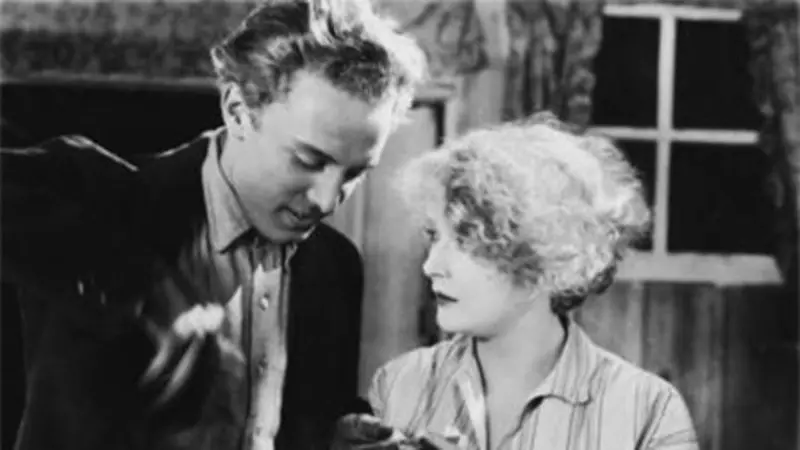
Vladimir Sokoloff is, as always, a force of nature. His ability to convey internal rot through a slight shift in posture is legendary. In this film, he represents the older generation’s inability to grasp the shifting moral landscape of the post-war world.
Oscar Homolka provides a rugged, dangerous energy that balances the more theatrical performances of the supporting cast. His presence on screen is a reminder that in this world, survival often requires a lack of empathy. He doesn't act; he exists within the frame like a jagged rock in a stream.
The acting style here is more restrained than many other 1926 productions. There is less flailing of arms and more lingering gazes. This restraint makes the eventual violence feel more impactful. When the knife is finally used, it isn't a grand theatrical gesture. It’s a messy, clumsy, and terrifyingly real moment.
Pros:
The film features exceptional cinematography that captures the claustrophobia of poverty. The narrative structure is decades ahead of its time. The performances, particularly by Sokoloff and Homolka, are haunting and grounded.
Cons:
The middle act can feel somewhat repetitive as the note changes hands. Some of the intertitles are overly explanatory, underestimating the audience's ability to read the visual cues.
Béla Balázs, the writer, was a theorist of the 'visible man.' He believed that the human face and physical objects could tell stories more effectively than words. Adventures of a Ten Mark Note is the practical application of his theories. The note itself is a blank slate upon which the characters project their desires.
To Anna, the note is pride. To her mother, it is security. To Robert, it is a ticket to a different life. To the murderer, it is merely a tool. The film forces us to confront our own relationship with currency. It asks: what would you do for ten marks? The answer the film provides is deeply uncomfortable.
This film is a bridge. It connects the expressionist past with the realist future. It doesn't offer the comfort of a happy ending because, in the world it depicts, there are no happy endings—only transactions. It works. But it’s flawed. Much like the society it mirrors.
Adventures of a Ten Mark Note is a staggering achievement in visual storytelling. It strips away the artifice of the era to reveal a raw, pulsing nerve of social anxiety. While it lacks the name recognition of Metropolis or Nosferatu, its influence on the grammar of cinema is undeniable.
"A cold, unblinking look at the cost of survival in a world that has forgotten the value of a human soul."
It is a film that demands your attention and rewards your patience. It is a reminder that even the smallest object can carry the weight of a tragedy. If you have any interest in the history of the medium, this is essential viewing. It is a brutal, beautiful, and deeply necessary piece of work.
IMDb 4.2
1919
Community
Log in to comment.