DbcultAccessing Vault...
Cult Review
Senior Film Conservator
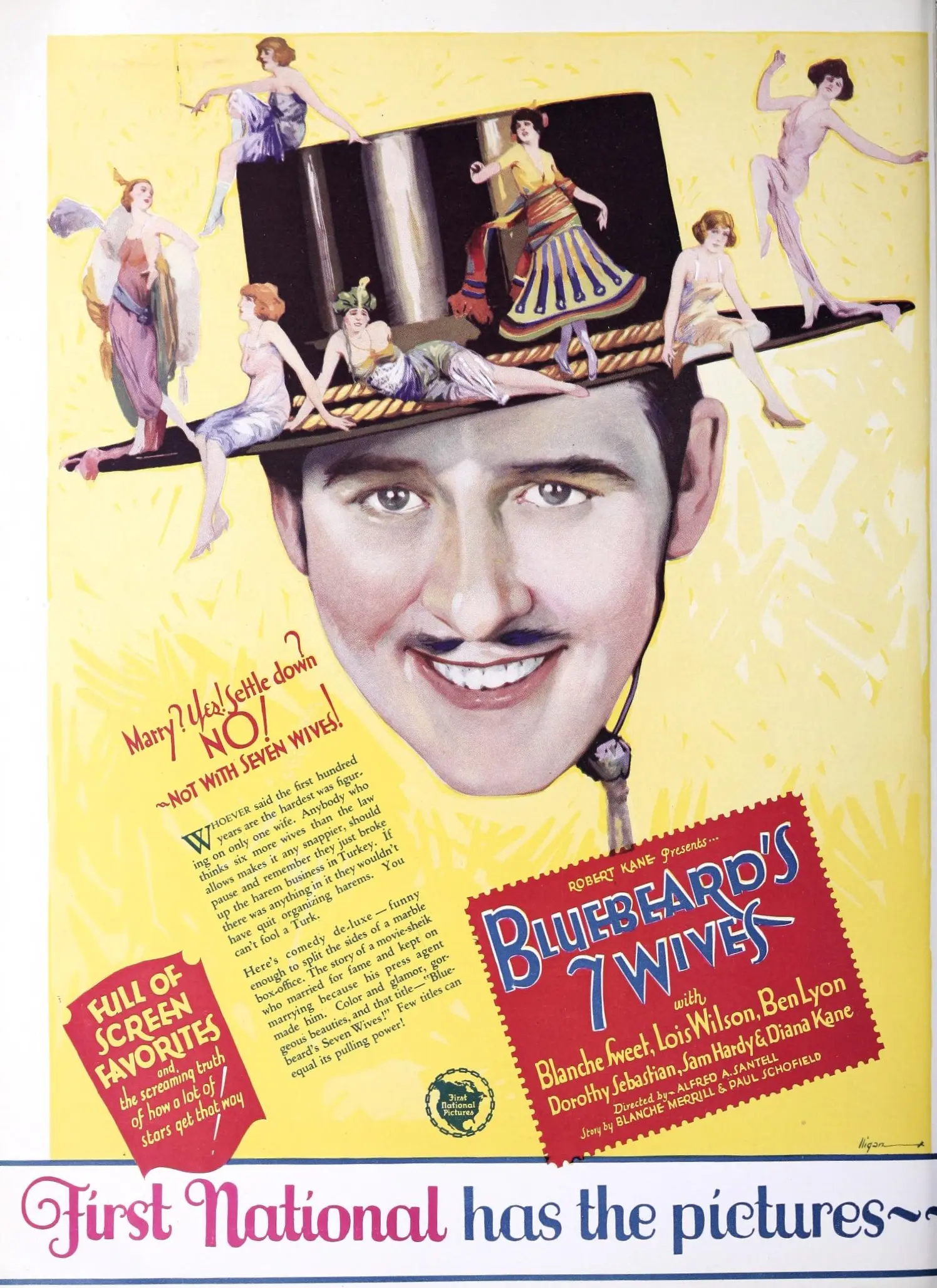
There's a peculiar charm to films that capture the nascent anxieties and absurdities of their era, particularly when those anxieties feel remarkably prescient even today. 'Bluebeard's Seven Wives' (1926), a cinematic curio penned by Randolph Bartlett, Paul Schofield, and Blanche Merrill, is precisely such a work. It unfurls a narrative that, on its surface, appears to be a lighthearted romp through early Hollywood, yet beneath its comedic veneer lies a surprisingly trenchant commentary on identity, the fickle nature of fame, and the often-unforeseen consequences of seemingly trivial demands. The film introduces us to John Hart, portrayed with a captivating blend of earnestness and bewildered resignation by Ben Lyon, an archetypal everyman whose life is about to be irrevocably altered by a follicular imperative.
Our protagonist, John Hart, is on the precipice of marital bliss with Mary Kelly. One would imagine the typical pre-nuptial jitters, perhaps concerns about finances or future domesticity. Instead, Mary presents John with an ultimatum that seems plucked from a surrealist play: he must grow a mustache. This isn't merely a stylistic preference; it's a symbolic demand, an insistence on a superficial transformation that triggers a profound existential crisis within John. The idea of cultivating this facial adornment, a seemingly minor alteration, shakes him to his core. It's a marvelous piece of character setup, highlighting John's inherent discomfort with artifice and his attachment to his unassuming self. This seemingly innocuous request acts as a psychological tremor, reverberating through his meticulously ordered life as a bank clerk. His distraction, a direct consequence of this internal turmoil, leads to a devastating miscalculation in his accounts, costing him his job.
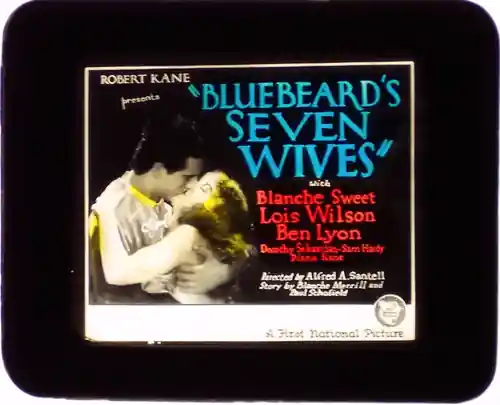
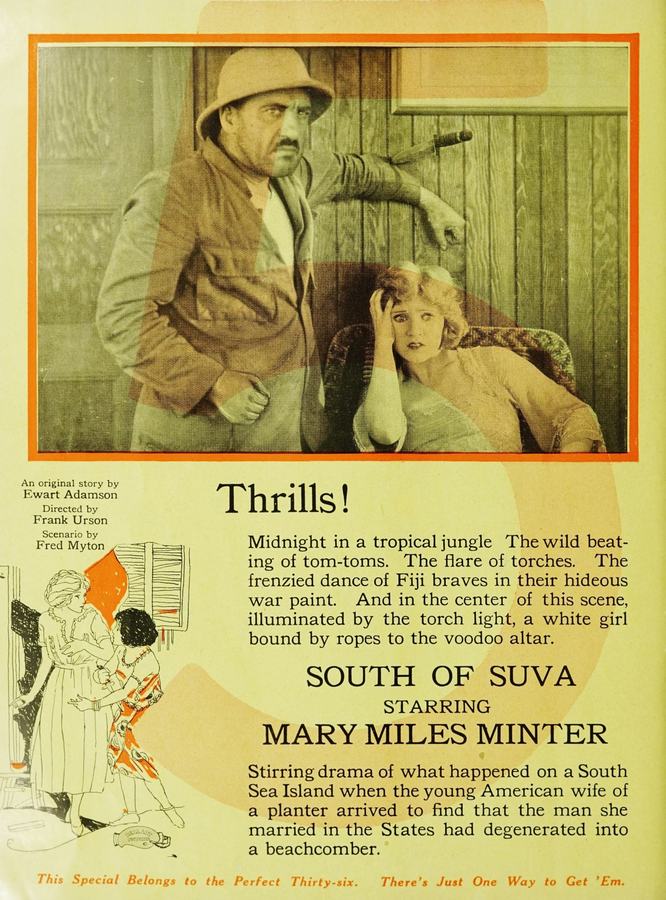
The film, at this juncture, masterfully illustrates the fragility of identity and the domino effect of seemingly insignificant events. John's inability to conform to a simple aesthetic whim precipitates a cascade of misfortunes, pushing him out of his comfort zone and into the unfamiliar, chaotic world of the burgeoning film industry. Unable to secure another conventional position, he drifts into the periphery of moviemaking, a mere extra, a background player in someone else's fabricated reality. This segment of the narrative could be seen as a precursor to themes explored in later films about the 'little man' swallowed by larger forces, echoing perhaps the existential quandaries of characters in works like A Soul for Sale, where individuals grapple with the pressures of maintaining integrity in a world demanding compromise.
The true turning point in John's journey arrives with a burst of directorial pique. A leading man, presumably a temperamental 'star' of the era, storms off the set in a fit of artistic indignation. The director, a figure of almost tyrannical authority and wounded pride, sees John among the extras. In a moment of vindictive inspiration, a desire to humble his arrogant star by proving anyone can be molded into an idol, he picks John to replace him. It's a classic rags-to-riches trope, but imbued here with a unique cynicism. John's ascent isn't born of aspiration or ambition, but rather a director's spite and a twist of fate. This arbitrary elevation underscores the film's subtle critique of the mechanics of stardom in the early 20th century: talent was often secondary to circumstance, a marketable persona, or simply being in the right place at the right time.
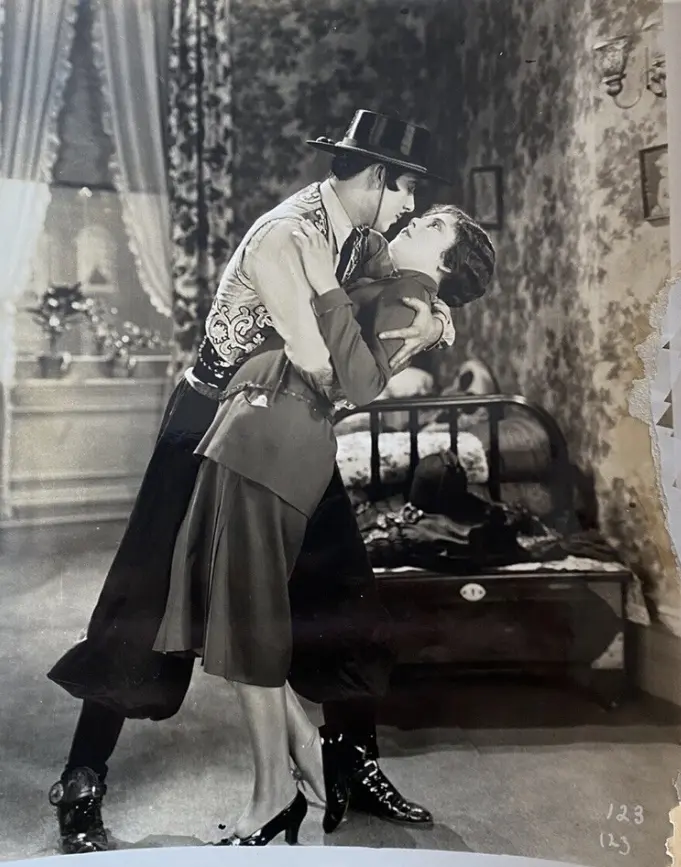
What follows is a delightful subversion of expectation. John, the erstwhile bank clerk, possesses an astonishing, raw talent for acting. He transforms, almost effortlessly, into a cinematic sensation. Ben Lyon's performance here is pivotal, conveying John's innate ability while maintaining an underlying sense of bewilderment at his own sudden fame. He doesn't actively seek the spotlight; it finds him, engulfs him. The film cleverly uses this rapid ascent to comment on the almost accidental nature of celebrity, a theme that resonates with the spontaneous viral sensations of our own digital age. The film contrasts John's authentic, unforced talent with the manufactured glamour of the industry, a theme that might find resonance with the more grounded portrayals of artistry in films like The Girl from Bohemia, which often explored the collision of genuine talent with the artifice of performance.
However, 'Bluebeard's Seven Wives' is not merely a tale of unlikely success. The film's true genius lies in its exploration of the disillusionment that accompanies stardom. The title itself, evoking the infamous tale of Bluebeard, hints at a darker, more complex reality beneath the glittering surface. John's newfound celebrity, rather than bringing him contentment, becomes a source of profound unease. The narrative subtly suggests that the 'stardom' he achieves is not what he, or perhaps anyone, truly imagines it to be. It's a demanding mistress, a role that consumes the individual behind the persona. The film hints at the sacrifices, the loss of privacy, the constant scrutiny, and the erosion of personal identity that come with being a public figure. This aspect of the film serves as a cautionary tale, a stark reminder that the grass isn't always greener on the other side of the velvet rope.
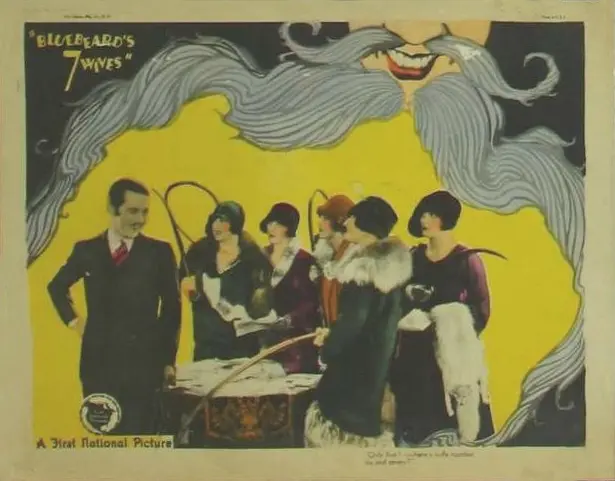
The ensemble cast, featuring talents like Sam Hardy, Lois Wilson, and Blanche Sweet, contributes to the vibrant tapestry of this cinematic world. While Ben Lyon anchors the film with his nuanced portrayal of John, the supporting players populate the periphery with a mix of industry types, romantic interests, and figures of authority, each adding texture to John's bewildering new reality. The film's strength lies not just in its central performance but in its ability to paint a broader picture of the early Hollywood ecosystem, a world both alluring and predatory. The screenplay, under the guidance of its writers, carefully dissects the mythos of celebrity, presenting it not as a dream fulfilled but as a new set of challenges, arguably more complex than the ones John initially faced as a humble bank clerk.
'Bluebeard's Seven Wives' is, in essence, a remarkably prescient critique of the burgeoning star system. It questions the authenticity of manufactured personas, the arbitrary nature of fame, and the personal cost of public adoration. The initial demand for a mustache, seemingly trivial, becomes a metaphor for the many superficial transformations required to succeed in the entertainment industry. John's reluctance to grow one mirrors his deeper reluctance to fully embrace the artifice of stardom. His journey from an ordinary man to an extraordinary figure, only to find extraordinary dissatisfaction, is a powerful narrative arc that transcends the specific era in which it was made. It speaks to universal themes of authenticity versus performance, individual desires versus societal expectations.
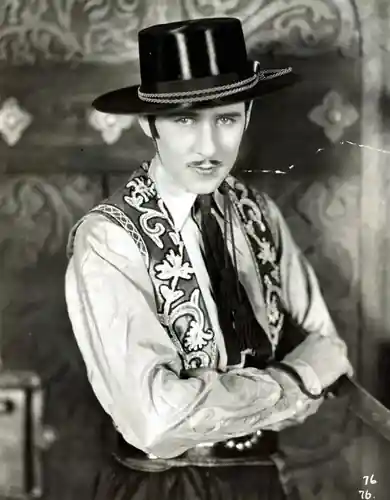
The film's exploration of identity is particularly compelling. John Hart, initially defined by his precise, orderly life, is stripped of that identity by external forces. He then has a new one thrust upon him, one that is celebrated but ultimately alienating. This struggle for selfhood in the face of public perception is a theme that has resonated throughout cinematic history, from the struggles of artists in East of Broadway to the societal pressures faced by the titular character in Alice Adams. The sheer velocity of John's transformation, from anonymity to ubiquity, highlights the dizzying speed with which public personas can be constructed and consumed, a phenomenon that has only accelerated in the modern age.
While 'Bluebeard's Seven Wives' is firmly rooted in the silent film era, its thematic concerns possess an enduring relevance. The film's subtle humor and keen observation of human nature elevate it beyond a mere historical curiosity. It serves as a fascinating document of a nascent industry grappling with its own power and influence, and the individuals caught within its inexorable machinery. The writers, Bartlett, Schofield, and Merrill, crafted a narrative that is both entertaining and thought-provoking, avoiding simplistic resolutions in favor of a more nuanced portrayal of the human condition. The film doesn't offer easy answers; instead, it invites contemplation on the true cost of chasing, or being thrust into, a dream that may not be one's own.
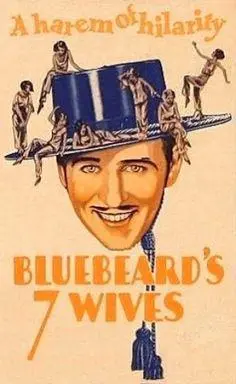
The performances, particularly Lyon's, are a testament to the expressive power of silent cinema. Every gesture, every facial contortion, conveys a depth of emotion that transcends the absence of spoken dialogue. The film's direction, while not overtly flashy, is effective in its storytelling, allowing the characters and their dilemmas to take center stage. The pacing is deliberate, building the audience's investment in John's journey before unveiling the bittersweet realities of his success. It's a film that demands a certain level of engagement, rewarding the patient viewer with layers of meaning and social commentary.
In conclusion, 'Bluebeard's Seven Wives' stands as a remarkable, if perhaps underappreciated, piece of cinematic history. It's a film that uses a seemingly whimsical premise to delve into profound questions about identity, ambition, and the true nature of happiness. It reminds us that sometimes, the most desired outcomes can be the most isolating, and that authenticity, however humble, often holds more value than the most dazzling of fabricated realities. For those interested in the early days of Hollywood, or indeed, anyone grappling with the complexities of modern celebrity culture, this film offers a surprisingly insightful and eternally relevant perspective. It's a must-see for anyone seeking to understand the enduring allure and inherent pitfalls of the silver screen, a testament to the idea that some stories, like the perplexing demand for a mustache, continue to resonate across generations.
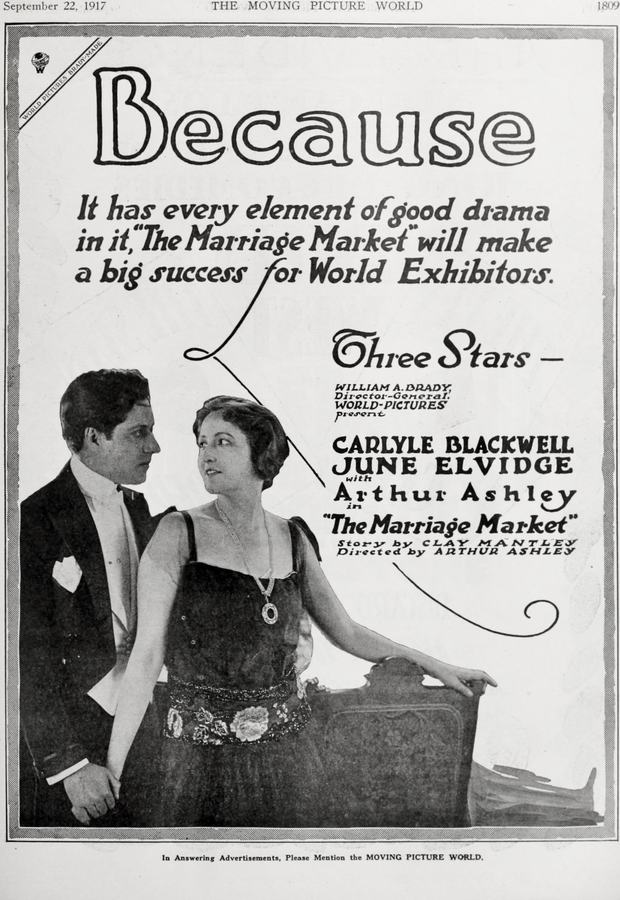
IMDb —
1917
Community
Log in to comment.