DbcultAccessing Vault...
Cult Review
Senior Film Conservator
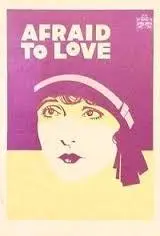
Is Afraid to Love worth your time in the modern age? Short answer: yes, but only if you have the patience for the deliberate, starchy pacing of late-1920s social dramas.
This film is specifically designed for enthusiasts of the 'marriage of convenience' trope and those who study the evolution of pre-Code romantic chemistry. It is absolutely not for viewers who require fast-paced action or the broad, slapstick humor often associated with the silent era.
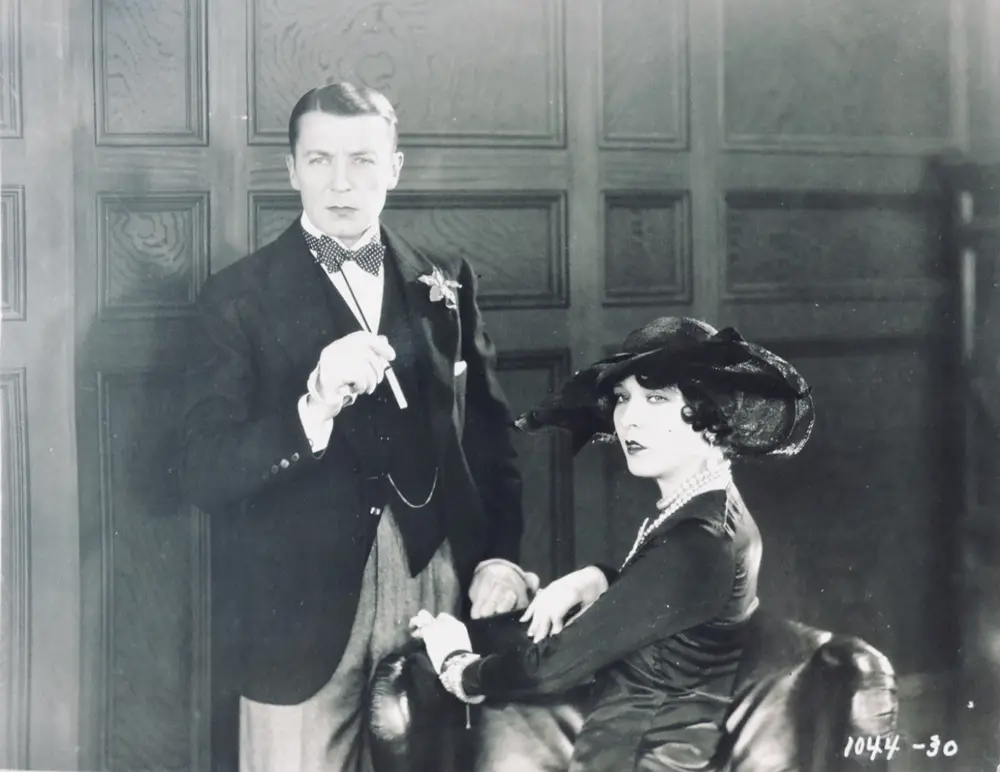
1) This film works because the chemistry between Florence Vidor and Clive Brook is built on a foundation of intellectual friction rather than simple physical attraction.
2) This film fails because the middle act becomes bogged down in repetitive social misunderstandings that feel antiquated even by 1927 standards.
3) You should watch it if you appreciate nuanced facial acting and the sophisticated writing style of Doris Anderson.
Afraid to Love is a fascinating relic that captures a specific moment in cinematic history where the grammar of the silent film reached its peak sophistication. Unlike earlier, more primitive efforts like The Return of Mary, this production understands that silence is not an absence of dialogue, but a presence of subtext. The script, co-written by a powerhouse team including Doris Anderson and Frédérique De Grésac, treats the central marriage as a business merger. This clinical approach to romance provides a refreshing edge that many modern rom-coms lack.
The film opens with a sequence that establishes the stakes with brutal efficiency. Sir Richard, played with a stiff-upper-lip perfection by Clive Brook, is a man trapped by the terms of a will. He doesn't need a soulmate; he needs a legal entity to satisfy his executors. Enter Katherine. Florence Vidor plays her not as a damsel in distress, but as a woman who has weaponized her own disillusionment. When they sign the marriage contract, the camera focuses on the nib of the pen. It is a cold, metallic moment. The ink is more important than the blood in their veins.
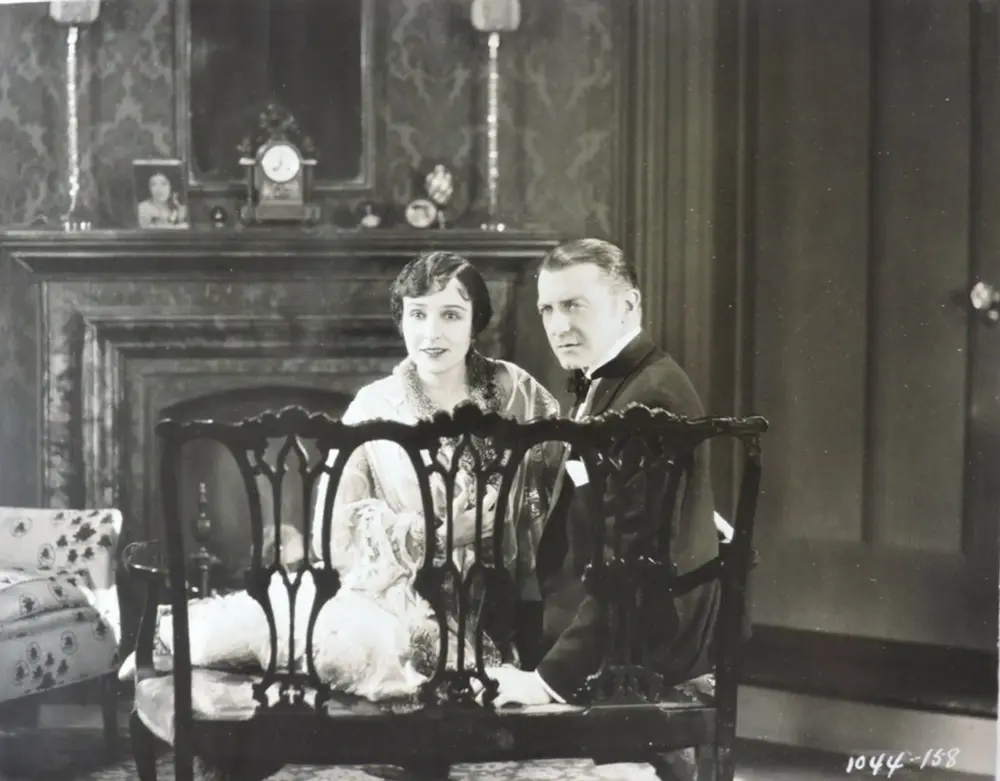
Florence Vidor is the soul of this film. While other actresses of the period were prone to wild gesticulations, Vidor operates with a surgical precision. In one specific scene, where she is forced to play the doting wife for Sir Richard’s relatives, the flicker of annoyance in her eyes is so subtle it’s almost missed. It’s a performance of layers. She is an actress playing a character who is also an actress. This meta-commentary on social performance is what keeps the film grounded. She doesn't just play the role; she inhabits the cage of the character's making.
Clive Brook provides the perfect foil. His performance is stolid, perhaps a bit too rigid at times, but it serves the narrative. He represents the old world, the world of inheritances and titles, while Vidor represents the modern, skeptical woman. Their interaction is like watching a game of chess where neither player wants to admit they are enjoying the match. It is a far cry from the more sentimental tones found in films like A Kentucky Cinderella.
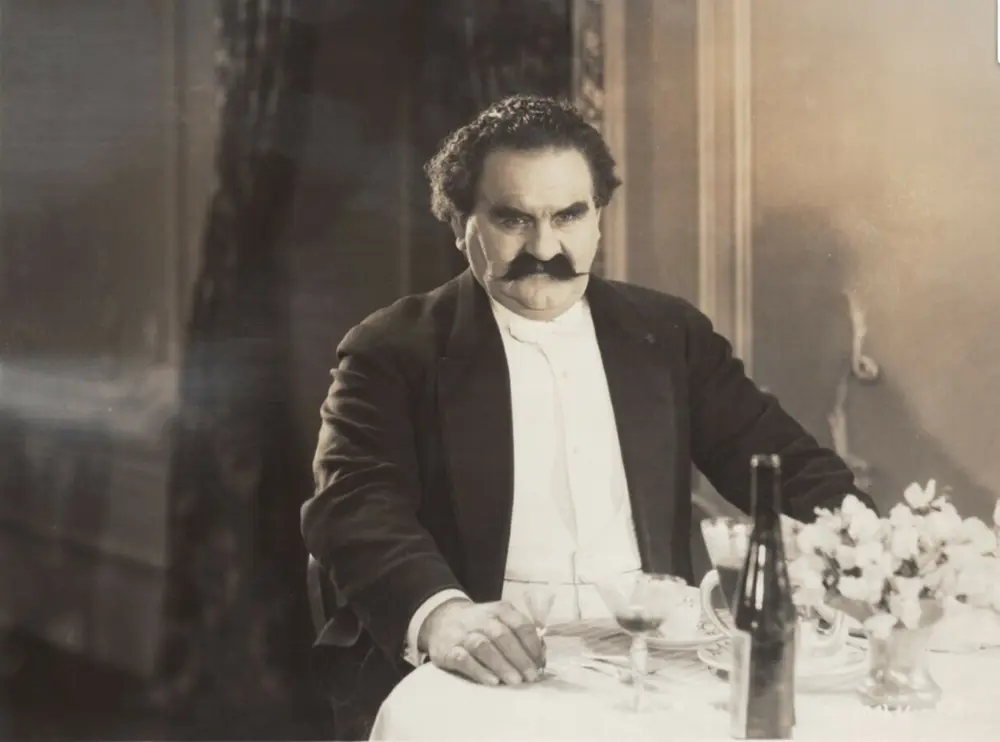
Yes, Afraid to Love remains a compelling watch because it addresses the universal fear of vulnerability. While the social mores of 1927 are long gone, the central conflict—protecting oneself from the potential pain of love—is timeless. The film uses its silent medium to highlight the unspoken tensions that exist in every relationship. It is a quiet, contemplative experience that rewards attentive viewers.
The direction by Edward H. Griffith (though the prompt focuses on the writers, his hand is evident) is remarkably restrained. The film avoids the flashy camera movements that were beginning to emerge in European cinema at the time, opting instead for a steady, observational style. This works to the film's advantage. By keeping the camera static, the audience is forced to focus on the actors' faces. Every twitch of a lip or furrow of a brow becomes a plot point. This is visual storytelling in its purest form.
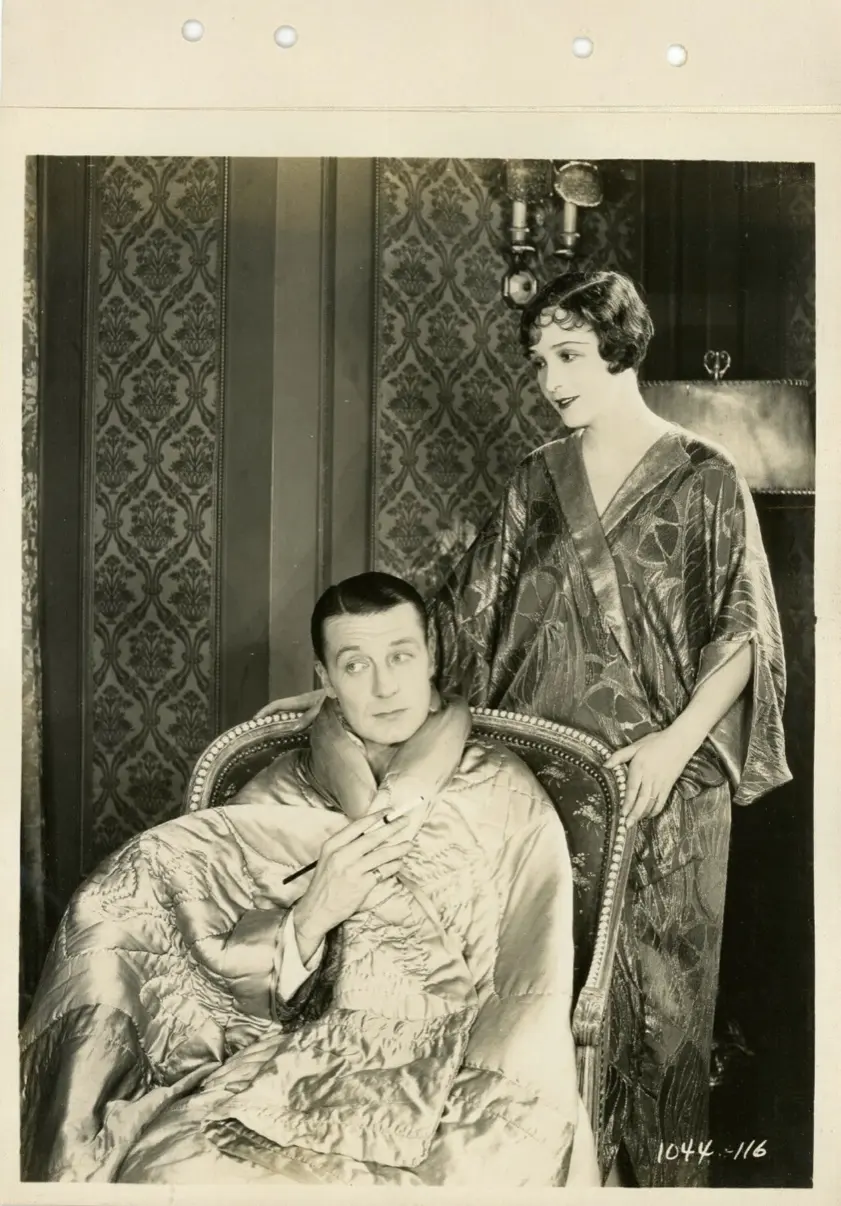
The lighting also deserves mention. The high-key lighting of the social gatherings contrasts sharply with the more shadowed, intimate scenes between the leads. It’s a visual representation of their public facade versus their private reality. This level of technical intentionality is something often missing in the more assembly-line productions of the era, such as Smith's Baby. The film is visually coherent. It knows what it wants to say and uses every frame to say it.
It works. But it’s flawed. The primary issue with Afraid to Love is its second act. Once the central premise is established, the film enters a cycle of 'will they or won't they' that feels stretched. There are only so many times we can see Katherine rebuff Richard's unintentional advances before the tension begins to slacken. A subplot involving Lionel Belmore’s character provides some comic relief, but it often feels like it belongs in a different, broader film like Hands Up.
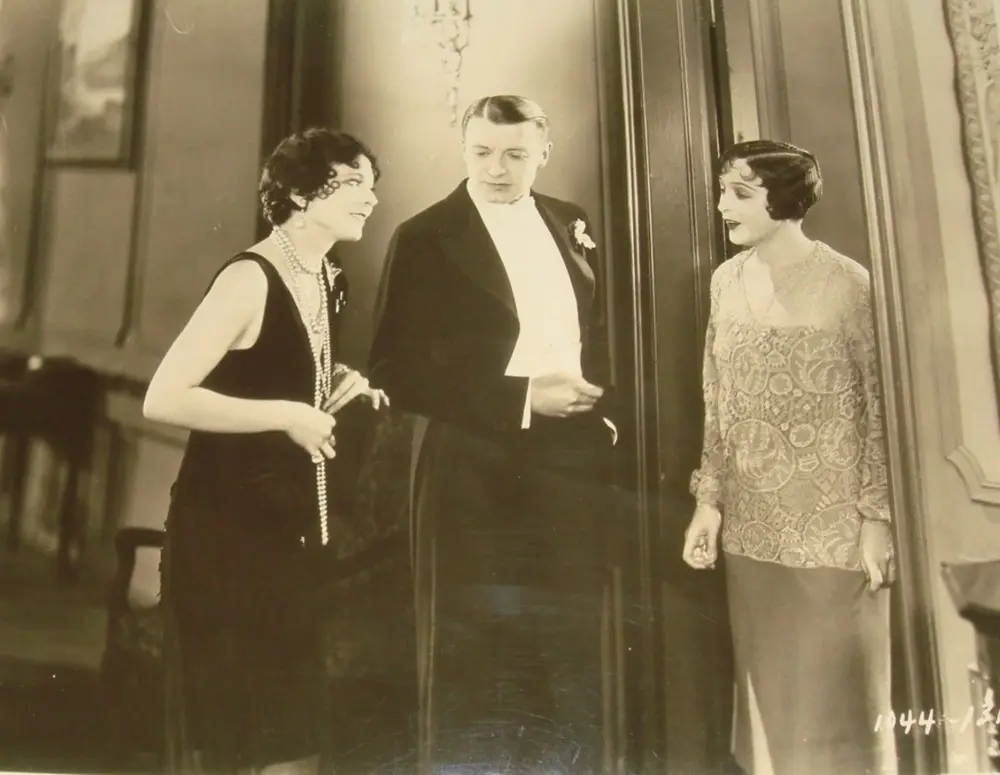
However, the film recovers in its final third. The transition from a business arrangement to a romantic one is handled with surprising grace. There is no grand, sweeping gesture. Instead, it is a series of small realizations. A shared look over a dinner table. A lingering touch on a coat sleeve. These are the moments where the film shines. It understands that love isn't always a lightning bolt; sometimes, it's just the slow realization that you'd rather be with someone than without them.
Pros: The script is exceptionally sharp for its time, avoiding the overly sentimental traps of many silent romances. The production design is opulent, providing a convincing backdrop for the high-society drama. The chemistry between Vidor and Brook is palpable, even in their most distant moments.
Cons: The pacing is uneven, with a sluggish middle section. Some of the secondary characters are caricatures that clash with the grounded performances of the leads. The ending, while satisfying, feels a bit rushed compared to the slow build-up that preceded it.
If you are looking for a historical curiosity that offers more than just archival value, then yes. Afraid to Love is a sophisticated piece of work. It manages to feel modern in its cynicism and timeless in its resolution. It is a testament to the power of the silent medium to convey complex emotional states without the need for a single spoken word. While it may not have the adventurous spirit of God's Country and the Law, it possesses a quiet dignity that is rare.
Afraid to Love is a starchy, elegant, and ultimately rewarding experience. It is a film that demands your full attention and repays it with a nuanced exploration of the human heart. The script is a cage, but the actors find the freedom within it. It is not a masterpiece, but it is an incredibly effective drama that proves the silent era was capable of immense psychological depth. The silence is the point. It allows the audience to project their own understanding of love and fear onto the characters. In the end, Katherine's journey from skepticism to acceptance is one that resonates, even a century later. It is a film that reminds us that while we may be afraid to love, we are even more afraid to be alone.
IMDb —
1920
Community
Log in to comment.