DbcultAccessing Vault...
Cult Review
Senior Film Conservator
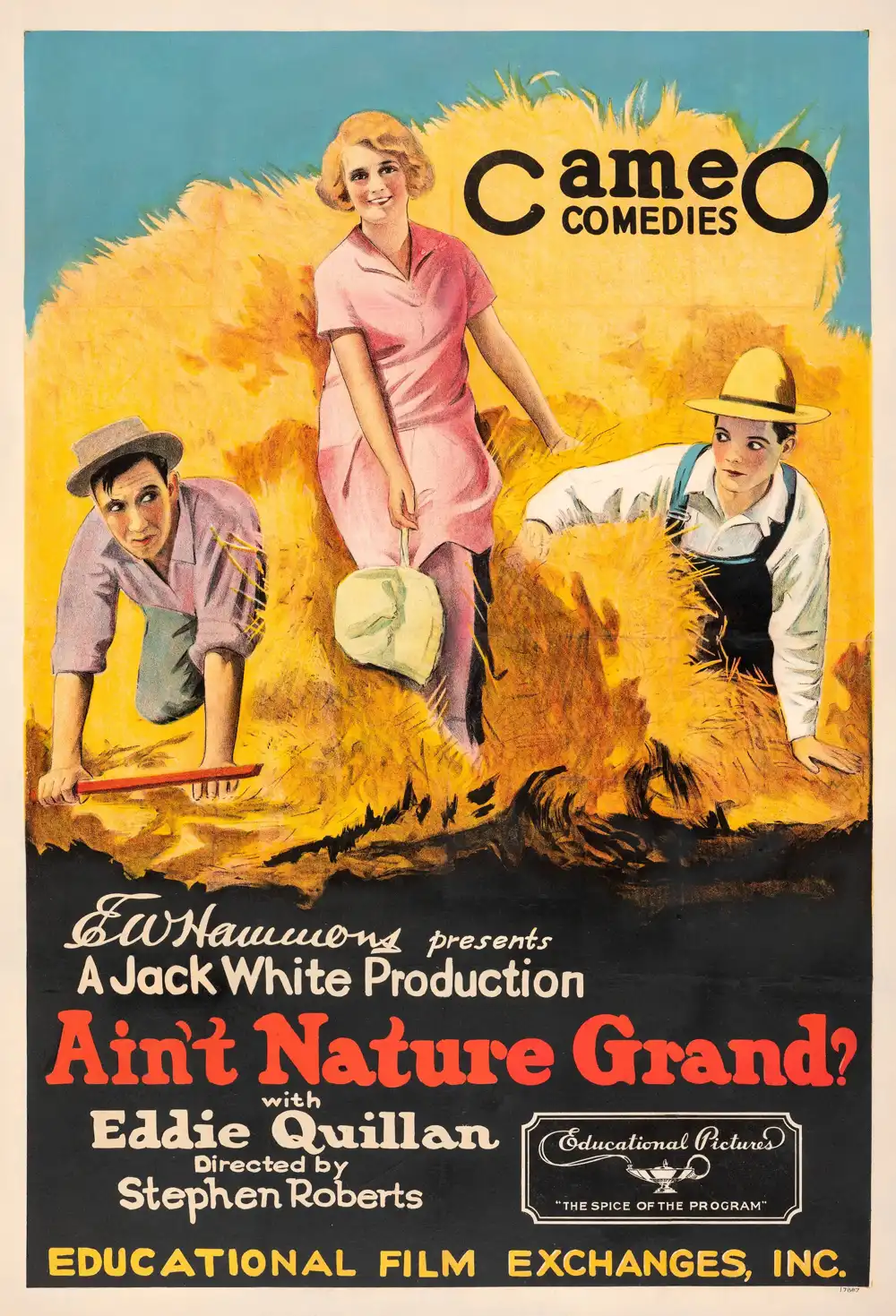
No, 'Ain't Nature Grand' is not worth watching for most modern viewers seeking entertainment, coherence, or even particularly clever humor. This is a film for a very specific, niche audience: those with a genuine, academic interest in the earliest, roughest edges of American silent slapstick. If you’re not a film historian or a dedicated enthusiast of cinematic archaeology, you’ll likely find its relentless, unpolished antics more exhausting than amusing. It’s a curiosity, not a pleasure.
This film works because: It offers a raw, unfiltered look at the physical comedy that defined a nascent genre. The sheer, unbridled energy of its two leads is undeniable, if often misguided. It’s a document of how early filmmakers thought about action and reaction, without much concern for subtlety or narrative grace.
This film fails because: Its humor is often repetitive, crude, and relies heavily on destructive chaos rather than clever gags. The pacing is relentless to the point of tedium, and its problematic racial caricature solidifies it as a product of a less enlightened era, making it difficult to recommend without significant caveats.
You should watch it if: You are a student of early cinema, specifically interested in the evolution of slapstick, or want to see the foundational elements of physical comedy before it became refined. Otherwise, there are countless more rewarding silent films to explore.
'Ain't Nature Grand' lands like a brick through a window, a short, sharp shock of unadulterated, unpolished slapstick. It’s less a structured narrative and more a series of escalating physical abuses, strung together by the thinnest thread of sibling rivalry. The film opens with an absurd cake-eating contest between Eddie Quillan’s character and George Davis’s, immediately establishing a tone of gluttonous, almost grotesque competition. It’s a clear, if primitive, declaration: this isn't about wit; it's about stomachs and elbows.
What follows is a descent into pure, unadulterated chaos. George, the more industrious of the two, tries to force Eddie into work, leading to a hay-bale incident that sparks the central chase. This pursuit is the film's engine, and it runs on pure, frantic energy. Quillan and Davis are athletic, throwing themselves into every tumble and sprint with a kind of desperate glee. There’s no subtlety here; every move is broad, every fall exaggerated, clearly designed for the back rows of a nickelodeon. The camera, mostly static, captures the action like a stage play, emphasizing the performers' physicality over any cinematic ingenuity.
The film’s biggest stumbling block, however, arrives with the introduction of the Black woman doing laundry. Her appearance shifts the film from merely primitive slapstick to something genuinely uncomfortable. The entire segment, from her being shoved into a tub to the subsequent destruction of her washing, is a clear example of the casual racism prevalent in early American cinema. It’s not just a dated joke; it's a dehumanizing caricature designed for cheap laughs at the expense of a marginalized group. This sequence is jarring, pulling the viewer out of any potential engagement with the earlier, simpler gags and leaving a sour taste. It's a reminder that not all historical artifacts are benign.
Beyond the problematic racial element, the humor itself is surprisingly thin. Once the chase begins, it rarely deviates. The initial energy eventually gives way to a kind of repetitive exhaustion. How many times can two men run around a yard, falling over things, before it stops being funny? The film answers: quite a few, apparently. The lack of varied gags or any real character development means the short relies entirely on the novelty of physical movement, which quickly wears out its welcome. Even the final spanking of Eddie feels less like a comedic payoff and more like a final, desperate act of aggression.
Compare this to the more inventive physical comedy emerging around the same time, or even a few years later. Films like The Haunted House or even early Chaplin shorts might have similar setups, but they often inject a layer of character, unexpected twists, or a more refined sense of timing. 'Ain't Nature Grand' feels like a blueprint, a rough draft of ideas that would later be executed with far greater skill and sensitivity. It’s the raw ore before it’s been smelted into something valuable.
The film's brevity is its saving grace. At just under ten minutes, its chaotic energy doesn't overstay its welcome too egregiously, though it certainly feels longer than it is. The performances, while physically committed, lack any real nuance. Eddie Quillan, who would go on to a long career, is here a bundle of frantic nerves and wide-eyed mischief. George Davis matches him beat for beat. They are human cartoons, nothing more, nothing less. Their energy is admirable, but it's not enough to sustain genuine interest.
Ultimately, 'Ain't Nature Grand' serves as a stark reminder of how much the medium evolved in its early years. It’s a film that demands little from its audience beyond a tolerance for relentless, unrefined physical comedy and an ability to overlook its less savory elements. It exists, it happened, and it shows a particular moment in cinematic development. But that doesn't make it good. It’s a relic of a primitive style, a rough sketch of a genre that would soon find its voice, but not here. It's just chaos.
'Ain't Nature Grand' is a film primarily for the academic or the extremely dedicated silent film buff. For anyone else, its primitive humor, repetitive structure, and frankly offensive sequences make it a difficult recommendation. Watch it if you must, but be prepared for more historical insight than genuine entertainment.
IMDb 6.9
1936
Community
Log in to comment.