DbcultAccessing Vault...
6.1/10
Senior Film Conservator
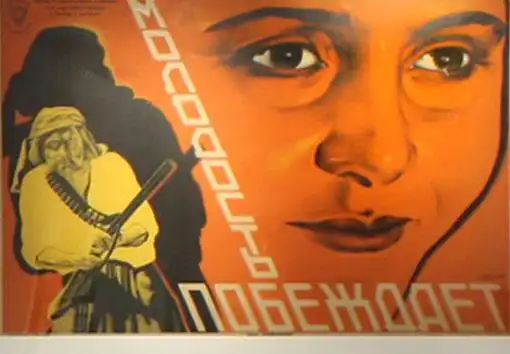
A definitive 6.1/10 rating for a film that redefined the boundaries of cult cinema. Akhalgazrdoba imardjvebs remains a cornerstone of transgressive art.
If you have about an hour and you don’t mind watching something that’s nearly a century old, this is actually worth your time. It’s for anyone who likes those stories where one tiny mistake ruins everything for everyone involved. If you can’t stand grainy black-and-white footage or you need a happy ending, you should probably skip it.
The whole plot is kicked off by a dead hen. Just a bird lying in the dirt, and it ruins multiple lives.
It’s set in Ajara, which is a part of west Georgia that looks absolutely incredible on film even back in 1928. The mountains and the small village huts feel so real you can almost smell the dust.
I found myself staring at the background of the shots more than the actors sometimes. The way the houses are built into the hills is just fascinating to look at.
The two families start out as neighbors who probably already had some issues. But when that hen dies, it’s like a match being thrown into a dry forest.
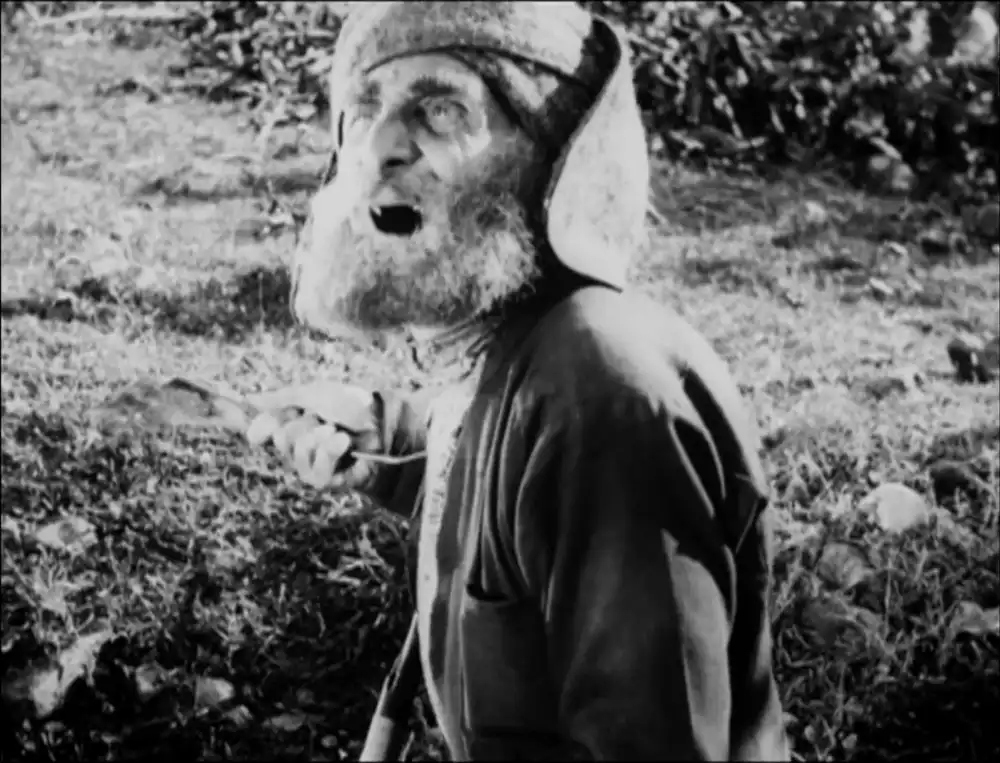
There is this one shot of the hen just lying there. It looks so flat and pathetic, and you realize that this is what they are going to kill each other over.
The acting is very much of its time, which means lots of wide eyes and clutching at chests. But it works because the situation is so extreme.
Levan Khotivari plays one of the younger guys and he has this very nervous energy. You can tell he doesn’t really want to be part of the fight, but he’s stuck in it.
Viktor Shklovskiy co-wrote the script, and if you know anything about Russian film history, that’s a big name. He was a formalist, which basically means he liked to make the audience notice how the story is being told.
You can see it in the way the camera focuses on small things. A hand gripping a wooden post or the way a shadow falls across a face during the big quarrel.
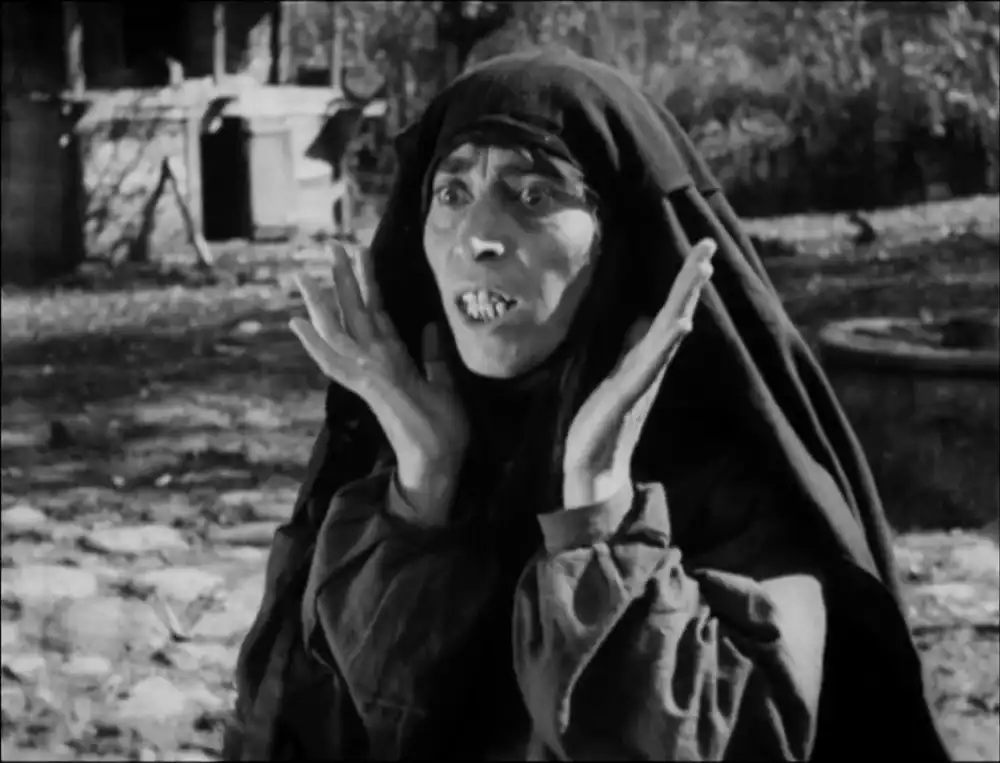
It’s a bit different from something like Dina Dza-dzu, which felt more like a folk poem. This movie feels more like a warning or a news report from a place that time forgot.
The pacing is a little bit bumpy, to be honest. It starts off slow and then suddenly everyone is screaming and someone is dead.
The scene where the young man is killed happens so fast. It isn’t cinematic or pretty; it’s just messy and sad.
I actually had to rewind a bit because I got the cousins mixed up. A lot of the men have very similar moustaches and hats, which makes it hard to tell who is on whose side at first.
Maybe that’s the point, though. They all look the same because they are all part of the same community, yet they are destroying each other.
The title translates to something like "Youth Wins" or "Youth Triumphs." It feels a bit ironic considering what happens to the young guy in the middle of the movie.
I think the idea is that the new ways have to win over these old, stupid blood feuds. But the movie doesn’t make it look easy.
There is a scene in the village where the elders are talking, and they look so stubborn. You can see the weight of decades of tradition in the way they sit.
The lighting in the indoor scenes is pretty rough. It’s very dark, and sometimes the only thing you can see is the glint in an actor's eye.
It makes the whole thing feel a bit like a horror movie. Like the houses themselves are haunted by the anger of the people living in them.
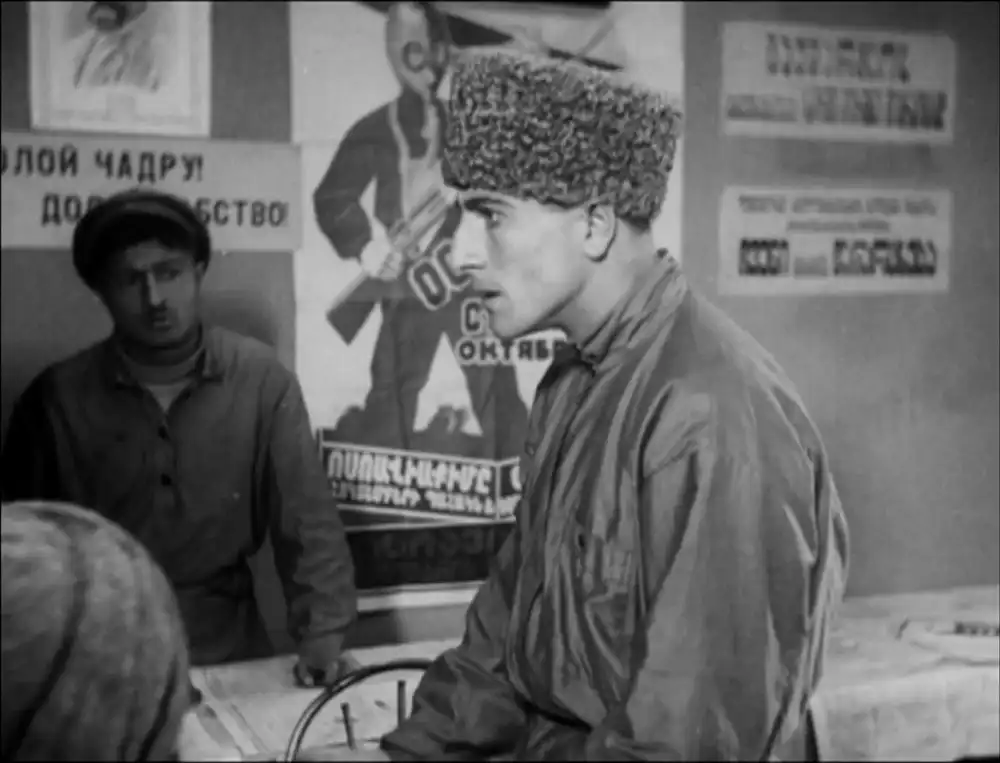
I wonder how much of this was filmed on a set and how much was just a real village. It feels too authentic to be a studio, but the lighting is so dramatic in spots.
If you want something lighter, you could try Three Wise Goofs. But if you want to see a piece of history that still feels uncomfortably human, stay here.
The title cards are a bit sparse, but you don’t really need them. The faces tell you everything you need to know about who is angry and who is scared.
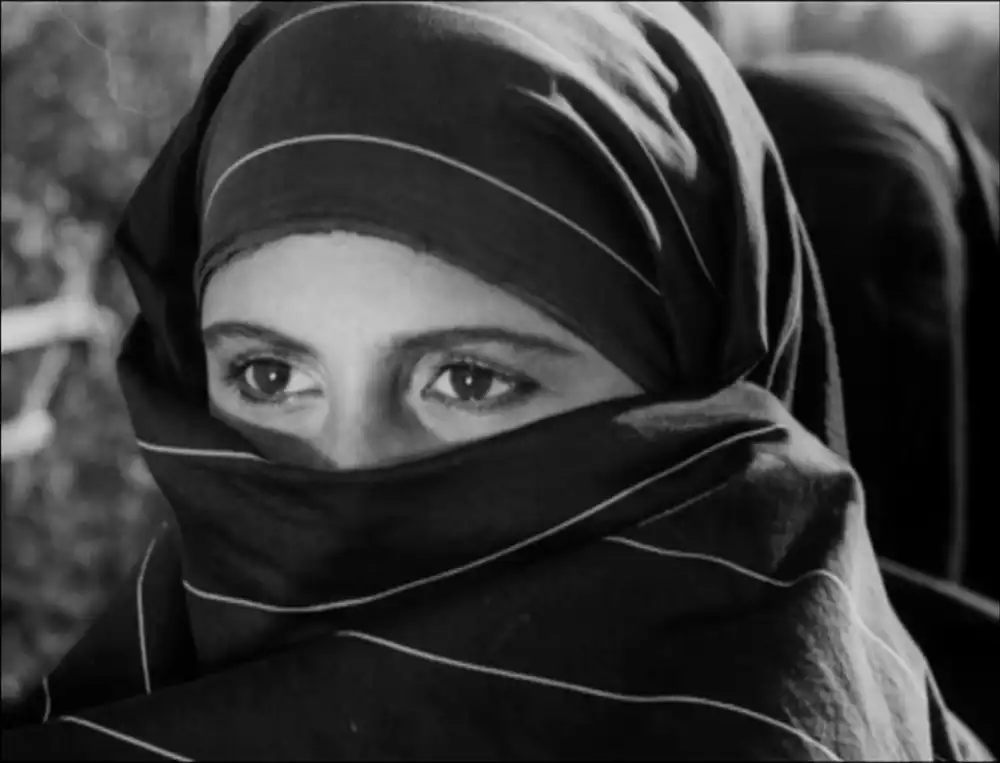
There’s this one woman in the background of a crowd scene who just looks exhausted. She’s not even a main character, but her face stuck with me.
It’s those little details that make these old silent films worth watching. You see people who have been dead for decades, but their expressions are exactly what you’d see today.
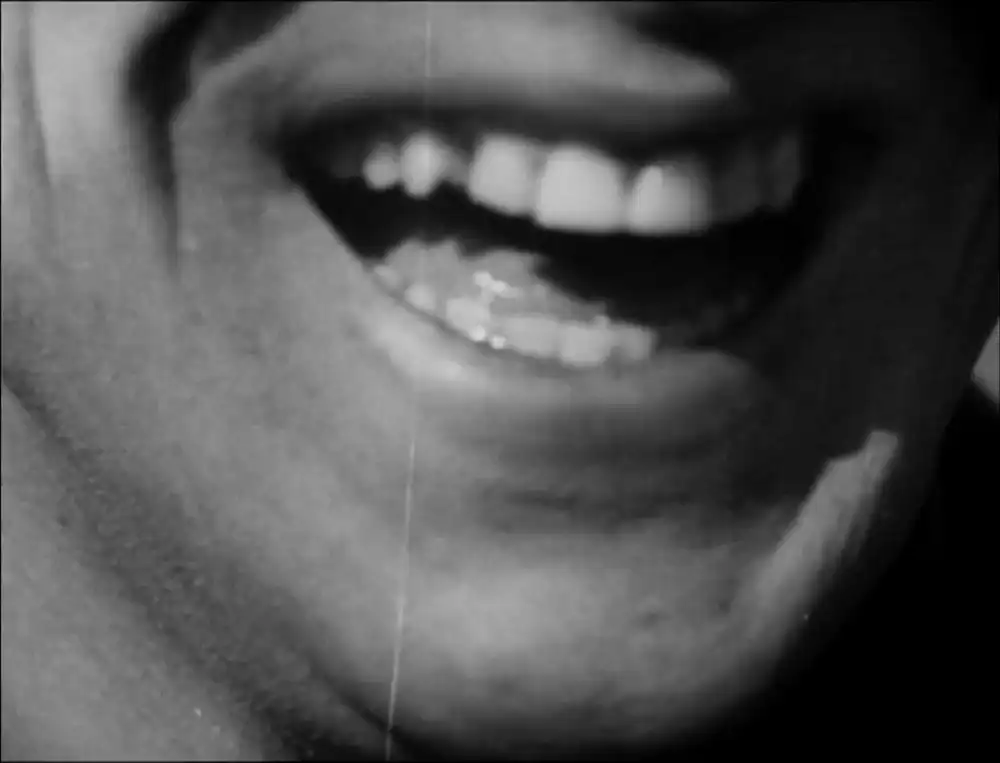
The ending isn’t exactly a clean wrap-up. It leaves you feeling a bit hollow, which I think was the goal.
It’s not a perfect film by any means. Some of the cuts are jarring, and the film stock is pretty damaged in some places.
But the raw energy of the tragedy is still there. It’s a vivid look at how a small grudge can eat a whole village alive.
I’m still thinking about that poor hen. All that trouble for a bird that was probably going to be dinner anyway.
It’s a solid watch if you’re in the mood for something heavy. Just don’t expect to feel great when the credits roll—or whatever the 1928 equivalent of credits was.
IMDb —
1922
Community
Log in to comment.