DbcultAccessing Vault...
Cult Review
Senior Film Conservator
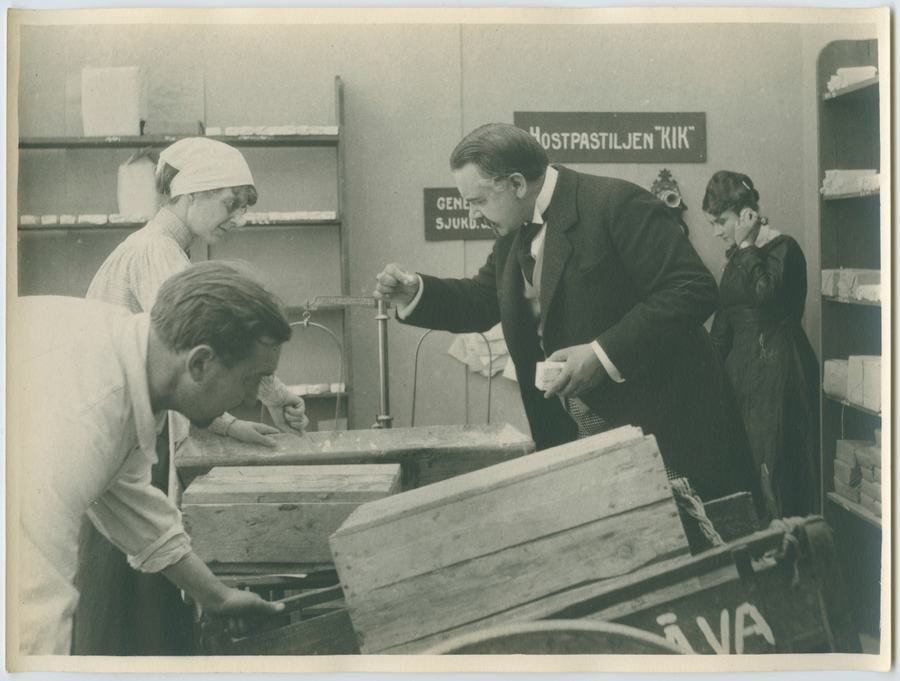
In the annals of early cinema, few narratives capture the raw, unvarnished desperation of human endeavor quite like Gustaf Berg’s Aktiebolaget Hälsans gåva. This Swedish silent film, a curious blend of social commentary and tragicomedy, invites us into a world teetering on the brink, where the vibrant spectacle of the circus collides head-on with the stark realities of economic hardship. It’s a story that resonates with an eerie prescience, exploring themes of charlatanism, public credulity, and the lengths to which individuals will go to stave off destitution. Far from a mere period piece, its core observations about human nature remain as pertinent today as they were upon its release.
The film’s premise is deceptively simple: a travelling circus, a once-proud bastion of entertainment, finds itself in dire straits. The laughter has faded, the crowds have thinned, and the very fabric of its existence is unraveling. This opening sets a melancholic tone, immediately drawing parallels to the struggles faced by many artistic enterprises, then and now. The circus, a metaphor for dreams and escapism, is forced to confront the harsh light of day. This decline is not merely economic; it’s a spiritual erosion, impacting every performer, every roustabout, every animal handler whose livelihood and identity are intrinsically tied to the big top. The film, in its silent eloquence, must have conveyed this palpable sense of loss through the expressions and movements of its cast, particularly through the presumed central figure of the ringmaster or proprietor, likely portrayed with a blend of weary determination and growing panic.
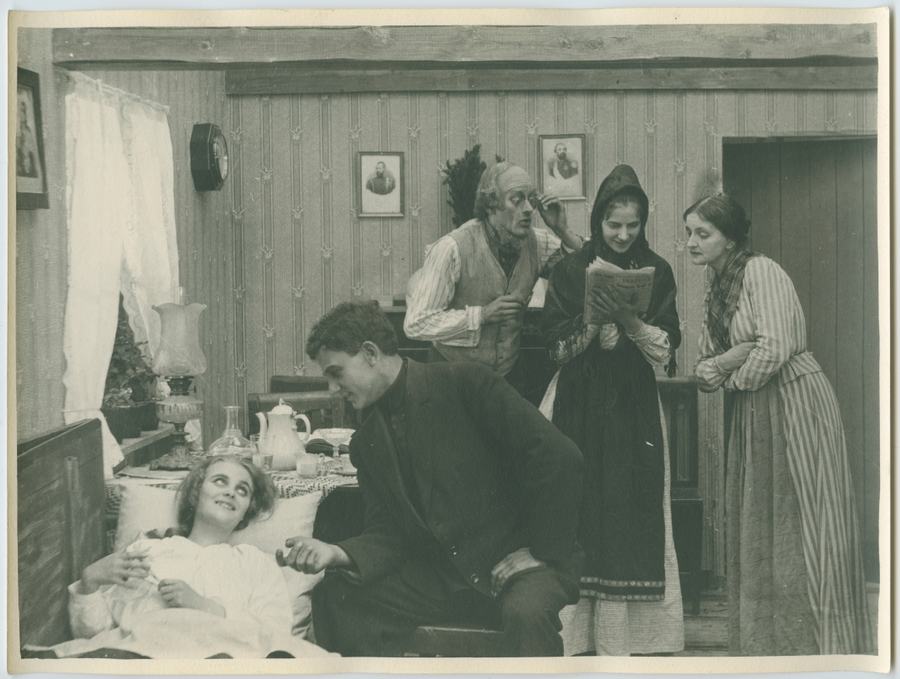
What unfolds next is a testament to the ingenuity born of desperation. The circus, unable to sustain itself on illusions of wonder, pivots to an illusion of wellness. The ingenious (or perhaps, ignoble) solution: a 'miracle cure' concocted from nothing more than cake flour and sugar. This transformation from entertainers to purveyors of patent medicine is where the film truly begins to dissect the moral ambiguities of its era. The very essence of the circus – its ability to create belief in the unbelievable – is perverted, channeled into convincing a vulnerable public of the efficacy of a sugary placebo. It’s a cynical yet understandable evolution, highlighting how economic pressures can warp ethical boundaries, transforming artists into unwitting fraudsters.
The marketing of this 'Aktiebolaget Hälsans gåva' (The Gift of Health Company) must have been a spectacle in itself, albeit one tinged with a dark irony. One can imagine the elaborate, perhaps even theatrical, sales pitches delivered by the very same individuals who once commanded elephants or performed death-defying aerial feats. The film likely revels in the absurdity of these performances, contrasting the genuine skill and artistry of their former lives with the theatricality of their new, deceptive roles. The cast, including the likes of Arvid Hammarlund, Dagmar Ebbesen, Mary Johnson, and Gabriel Alw, would have been tasked with portraying this internal conflict, the tension between their artistic souls and their newfound roles as charlatans. Hammarlund, perhaps as the beleaguered proprietor, would embody the burden of responsibility, while Ebbesen might portray a more pragmatic or even cynical member of the troupe, adapting quickly to the new scheme. Johnson, perhaps the ingenue, could represent the moral compass, struggling with the deception.
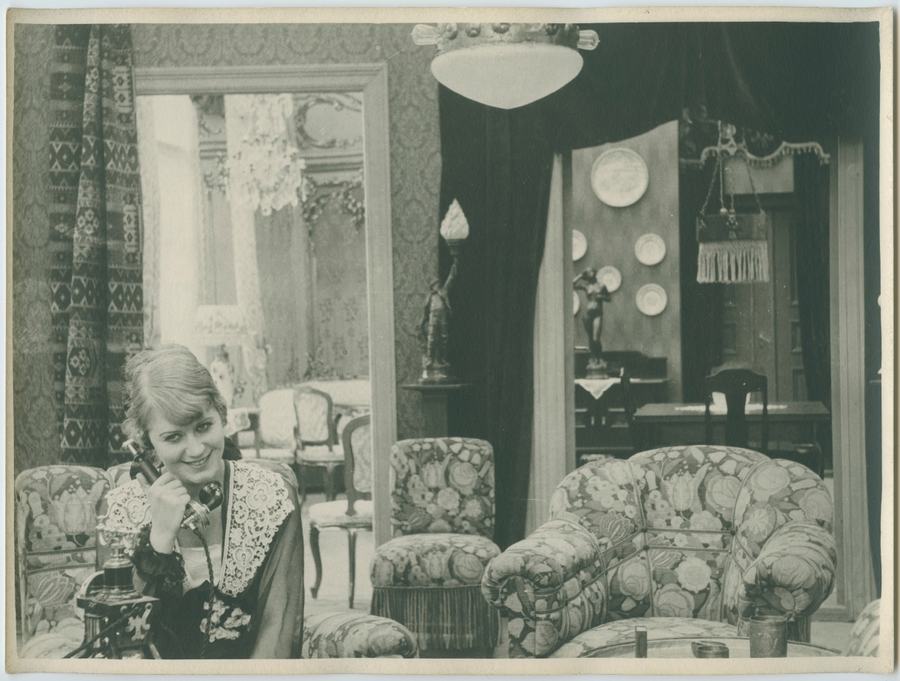
The ensemble cast, a veritable who's who of Swedish silent cinema, undoubtedly brought a rich tapestry of performances to this challenging material. Arvid Hammarlund, often known for his robust presence, might have played the ringleader, a man caught between the honor of his past and the ignominy of his present. His performance would carry the weight of the circus's legacy, battling despair with a forced bravado. Dagmar Ebbesen, a versatile actress, could have portrayed a shrewd manager or a matriarchal figure, perhaps the architect of the 'miracle cure' scheme, driven by fierce loyalty to her extended circus family. Her character might embody the film's more pragmatic, survivalist spirit, willing to bend rules for the greater good of the troupe.
Mary Johnson, often cast in more sympathetic roles, might have been the innocent caught in the crossfire, perhaps a performer who genuinely believes in the healing power of the 'cure' or one who is deeply conflicted by the deception. Her plight would serve to humanize the ethical dilemma, reflecting the broader societal vulnerability to such schemes. Gabriel Alw, with his distinctive screen presence, could have been the smooth-talking huckster, the public face of the 'Aktiebolaget Hälsans gåva,' whose charisma masks the underlying fraud. The supporting players – Anna Löfström, Tekla Sjöblom, Ludde Gentzel, Manne Göthson, and Maja Cassel – would fill out the ensemble, each likely contributing to the collective struggle and the moral compromises inherent in their new enterprise, painting a vivid picture of a community bound by shared hardship and a desperate, collective secret.
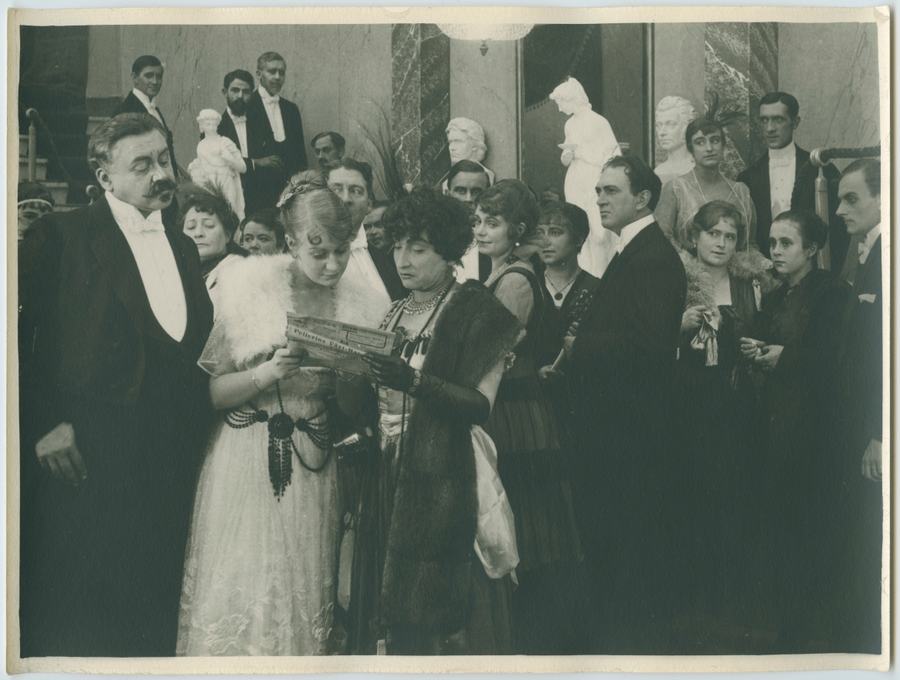
The thematic depth of Aktiebolaget Hälsans gåva extends far beyond its immediate plot. It's a profound commentary on the human condition, touching upon the universal desire for health, the susceptibility to false promises, and the corrosive effect of desperation. The film, penned by Gustaf Berg, expertly navigates the fine line between satire and tragedy. It critiques not just the charlatans but also the societal conditions that create fertile ground for such deceptions. In an era predating widespread medical regulation and with a public often grappling with genuine health anxieties, the allure of a simple, affordable 'cure' would have been immense. The film, therefore, acts as a historical document, reflecting the anxieties and vulnerabilities of its time.
Comparing this film to others of its era reveals its unique position. While Das Phantom der Oper (1925) delves into the grand theatricality and hidden darkness of performance, Aktiebolaget Hälsans gåva strips away the gothic romance to focus on the stark, economic realities that can drive performers to less glamorous, morally ambiguous acts. The sense of a struggling artistic class is also present in films like Pierrot the Prodigal, which explores the life and plight of a mime, but Berg's film adds a layer of societal critique regarding exploitation. The theme of financial desperation leading to moral compromise finds strong parallels in American silent dramas like Ready Money (1914) or Bought (1915), where characters often resort to deceit or unethical business practices to secure their financial futures. However, Aktiebolaget Hälsans gåva imbues this struggle with a specific, almost communal, desperation tied to the fate of an entire troupe.
The film’s exploration of illusion versus reality is also profound. The circus, by its very nature, thrives on illusion – the illusion of danger, of magic, of superhuman feats. But these are benign deceptions, designed to entertain and inspire awe. The 'miracle cure,' however, represents a malicious illusion, one that preys on hope and trust. This shift from benevolent trickery to outright fraud is the film’s central dramatic tension. It forces the audience to consider the ethics of performance and the responsibilities of those who wield influence over public perception. The transformation of the performers, from artists of genuine skill to actors in a grand deception, is a subtle yet powerful commentary on the corrupting influence of sheer necessity. It’s a narrative that could easily slip into caricature, but in the hands of a sensitive director and a skilled cast, it would become a nuanced portrayal of human fallibility.
As a silent film, the visual language of Aktiebolaget Hälsans gåva would have been paramount. The contrast between the faded glory of the circus tents and the bustling, perhaps overly optimistic, scenes of the 'cure' being sold would be striking. Cinematography would play a crucial role in conveying the emotional states of the characters – the despair of the performers, the eager credulity of the customers, the growing unease as the deception escalates. Close-ups on the faces of Arvid Hammarlund or Mary Johnson would reveal their internal struggles, their moral quandaries playing out silently for the audience to interpret. The use of intertitles, far from being a mere convenience, would have been an art form in itself, delivering witty dialogue, poignant observations, or stark revelations that punctuate the visual narrative.
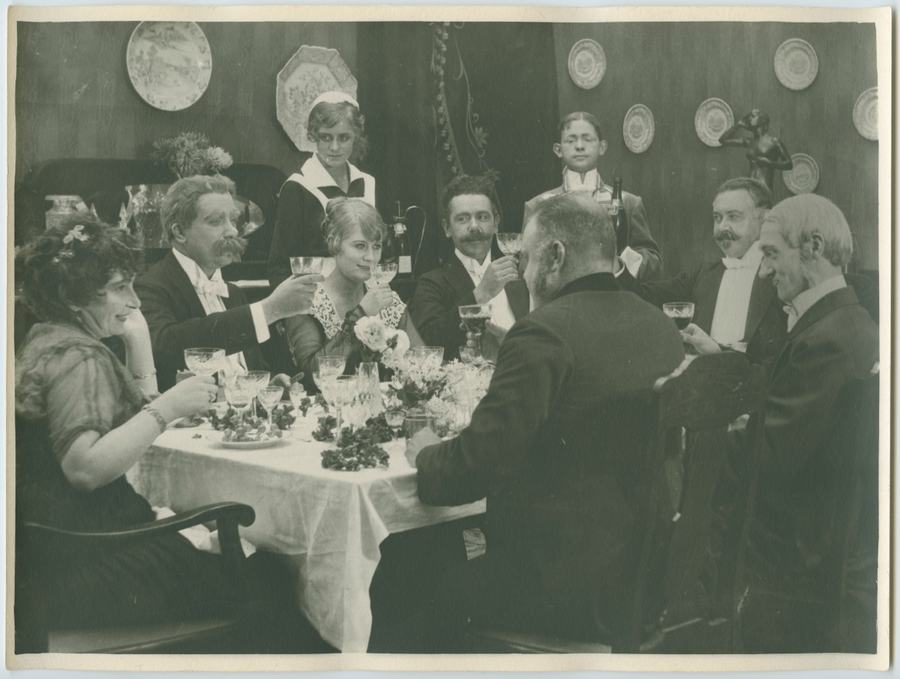
The film's satirical edge could be drawn out through exaggerated performances, a common trope in silent comedies and dramas, but here, it would serve a specific purpose: to highlight the absurdity of the situation and the inherent theatricality of the 'miracle cure' sales pitch. One can envision scenes where the circus strongman, once lifting weights, now dramatically proclaims the 'cure's' ability to banish ailments, or the contortionist demonstrating newfound flexibility attributed to the sugary concoction. This visual irony would underscore the film's critique of both the fraudsters and the easily swayed public. It taps into the same vein of societal critique found in films like The Streets of Illusion (1917), where appearances are deceiving, and the truth often lies beneath a carefully constructed facade.
Ultimately, a narrative of this nature demands a reckoning. The 'Gift of Health' built on such flimsy foundations is bound to collapse. The inevitable exposure of the fraud, whether through a skeptical customer, an internal whistleblower, or sheer bad luck, would be the dramatic climax. This moment of truth would force the characters to confront the consequences of their actions, leading to a profound exploration of guilt, shame, and perhaps, redemption. The film, in its silent wisdom, would not merely condemn but seek to understand the complex motivations that drive people to such extremes. It’s a story about the cost of survival, both financial and moral.
The film's enduring power lies in its timeless message. In an age saturated with advertising and quick fixes, the story of a troupe selling cake flour and sugar as a panacea serves as a potent reminder of critical thinking and skepticism. It cautions against the allure of easy solutions and highlights the ethical imperative for honesty, especially when dealing with public health and trust. While specific to its time and place, the core human drama — the struggle for survival, the temptation of deception, and the search for authentic well-being — remains universally resonant. Aktiebolaget Hälsans gåva, therefore, is more than just a historical curiosity; it is a profound and often uncomfortable mirror reflecting the enduring facets of human nature and societal vulnerability. Its legacy is not just in its cinematic artistry, but in its sharp, unwavering gaze at the sweet deceptions we often choose to believe, and the bitter truths they inevitably reveal.
The ethical quagmire presented in the film also draws parallels to other narratives of exploitation and moral decay. Consider the dark underbelly explored in films like The Deep Purple (1915), where characters navigate treacherous criminal worlds. While the circus troupe's actions are born of desperation rather than malice, the outcome is similar: a public defrauded, trust eroded. Even the grand, tragic downfall of a figure like King Lear, though on a much grander, monarchical scale, resonates with the theme of authority figures (in this case, the circus proprietor) making poor, ultimately destructive decisions that affect their entire 'family' or community. The film’s ability to weave these universal anxieties into its localized, specific narrative of a struggling circus speaks volumes about Gustaf Berg’s keen understanding of both human psychology and the societal pressures of his time. It's a film that demands to be remembered, not just for its historical significance, but for its timeless commentary on the human condition.
IMDb —
1928
Community
Log in to comment.