
DbcultAccessing Vault...
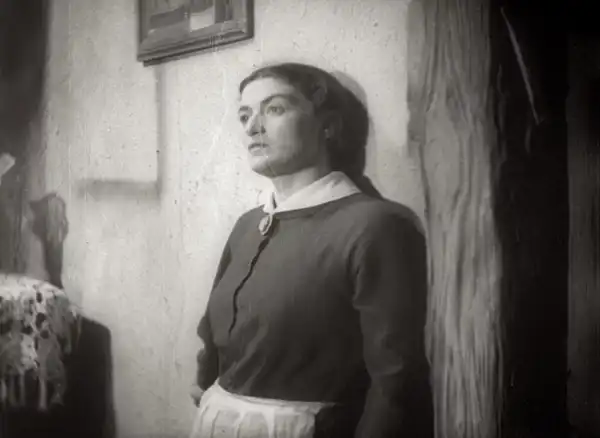
A definitive 6.7/10 rating for a film that redefined the boundaries of cult cinema. Al khet remains a cornerstone of transgressive art.
Honestly, only if you have a weird itch to see mid-century Yiddish cinema that feels like it was filmed inside a shoebox. If you like your movies to move fast or look crisp, you’ll probably find this thing agonizing. But if you’re a fan of old-school stage acting where every single emotion is projected to the back row of a balcony, you might get a kick out of it. 🎞️
The whole thing feels extremely static. You can practically hear the creak of the floorboards under the actors’ feet. It’s not trying to be a Lights of New York style breakthrough, that’s for sure. It just exists, trapped in its own little dramatic bubble.
There’s a moment about thirty minutes in where the lighting shifts, and it looks like a candle just went out right off-camera. Nobody acknowledges it. The dialogue just keeps chugging along, heavy and thick. It’s like watching a train go through a tunnel that never ends.
I found myself wondering if they even had a script supervisor on set. Sometimes the actors seem to be reciting lines in two different languages at the same time—metaphorically speaking, of course. It’s messy, but it’s a human kind of messy.
It definitely lacks the polish you’d expect from something like The Lucky Number, which managed to feel a bit more alive. Here, everything is very deliberate. Very sad. Very stagey. It doesn’t try to convince you it’s real life; it just reminds you it’s a performance.
I’m not sure I’d call it good. I’m not sure I’d call it bad either. It’s just… there. Like a piece of furniture you inherited from a relative you never really knew. You can’t throw it out, but you don't really want it in the living room either. 🤷♂️
If you watch it, don't go in expecting a thrill ride. It’s basically just people talking until they can't talk anymore. And then some more talking. It’s exhausting, but in a way that feels almost honest, I guess?