DbcultAccessing Vault...
6/10
Senior Film Conservator
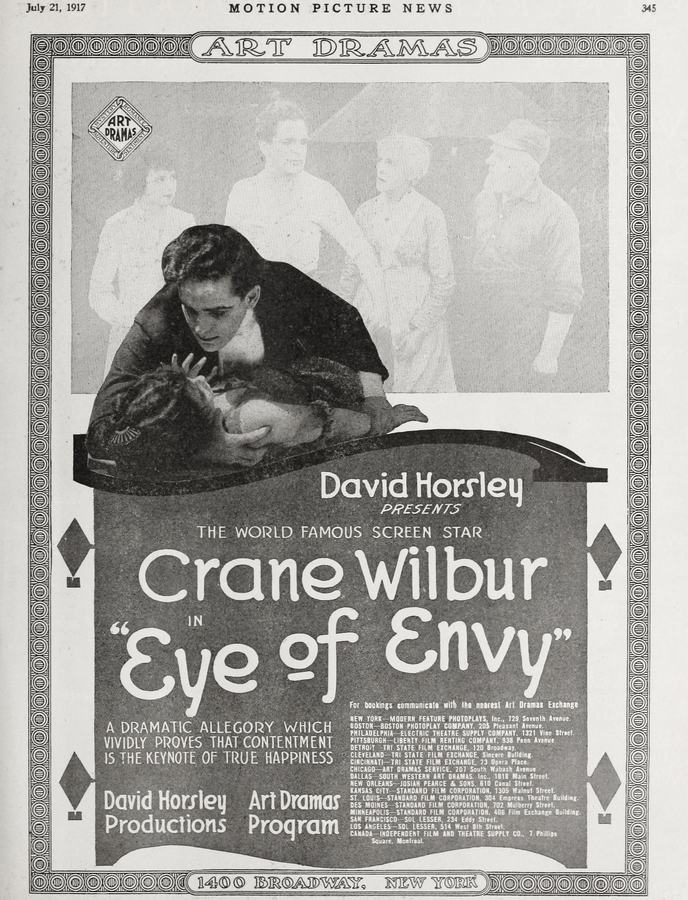
A definitive 6/10 rating for a film that redefined the boundaries of cult cinema. The Eye of Envy remains a cornerstone of transgressive art.
The silent era, often unfairly relegated to the dusty archives of cinematic history, frequently birthed works of profound emotional resonance and intricate storytelling, proving that the absence of spoken dialogue did not equate to a lack of narrative depth. Among these treasures emerges The Eye of Envy, a film that, despite its seemingly straightforward premise, delves into the darker currents of human nature against a deceptively idyllic backdrop. Set within the bucolic confines of Sleepy Hollow, a locale whose very name evokes a sense of tranquil, almost mythical, peace, the narrative initially unfurls with the gentle rhythm of everyday life. Here, the clang of the blacksmith's hammer is not merely a sound; it's the very heartbeat of a community, a testament to honest labor and simple joys, establishing a foundation of normalcy that makes the subsequent unraveling all the more poignant. This meticulous world-building, common in the era, allows the audience to become deeply invested in the fate of its inhabitants before the inevitable storm breaks.
At the heart of this pastoral tableau stands our protagonist, a young blacksmith, imbued with the earnest charm and robust physicality befitting his trade. His days are a symphony of sparks and sinew, forging not just horseshoes but also, it seems, a future intertwined with the affections of a local maiden. She is, by all accounts, the embodiment of rural grace—a figure of quiet beauty and unsullied innocence, whose presence promises a life of shared contentment and domestic bliss. Their burgeoning romance forms the initial, sun-drenched core of the film, a beacon of youthful optimism that, like many such lights in dramatic narratives, is destined to be tested by encroaching shadows. This initial portrayal of pure affection sets a crucial baseline, allowing the subsequent descent into turmoil to feel all the more impactful, much like the innocent beginnings portrayed in classics such as Old Heidelberg, where youthful passion eventually confronts the harsh realities of a complex world, or even the initial idealism of characters in The Chocolate Soldier before romantic complications arise. The film meticulously builds this sense of burgeoning happiness, making the audience keenly aware of what stands to be lost.
But the film's title, The Eye of Envy, serves as an immediate, ominous pronouncement, a stark warning that this nascent happiness is precariously balanced. Envy, that insidious green-eyed monster, is not merely a subplot here; it is the very engine of the drama, the unseen force that begins to corrode the foundations of trust and affection. The screenplay, penned by Crane Wilbur himself alongside J. Francis Dunbar, subtly introduces the festering seed of jealousy, demonstrating how easily a seemingly harmless admiration can curdle into bitter resentment. This thematic focus elevates the film beyond a mere romantic drama, positioning it as a psychological study of destructive human emotion, a precursor to the more overt explorations of moral decay found in later works. The internal struggles and external manifestations of this destructive emotion are handled with a nuance that belies the era's often broad strokes, hinting at the sophisticated storytelling capabilities of early cinema. The film masterfully illustrates how a seemingly innocuous desire for another's happiness can morph into a corrosive desire for their downfall, a profound observation on human psychology.
While the plot synopsis remains concise, the implication of "envy" necessitates an antagonist, or at least a catalyst, for its manifestation. This character, whether a jilted suitor, a rival for the blacksmith's affections, or merely a malicious observer, becomes the embodiment of this destructive force. Their machinations, however subtle or overt, serve to disrupt the pastoral harmony, introducing elements of suspicion and discord where only innocence once resided. The film masterfully builds this tension, allowing the audience to witness the slow, agonizing corruption of a once-pristine environment. This narrative technique, of introducing a disruptive force into an established order, can be seen in various forms, from the societal challenges faced in The Chechako, where newcomers alter the equilibrium of a frontier community, to the more personal betrayals explored in Damon and Pythias, albeit with different motivations and a focus on loyalty rather than malice. Here, the antagonist’s motivations are deeply personal, making their actions feel particularly venomous.
Crane Wilbur, pulling double duty as both a writer and a lead actor, brings a compelling gravitas to his role as the blacksmith. His performance is a testament to the expressive power of silent cinema, conveying a vast spectrum of emotion—from ardent affection to bewildered anguish—through nuanced facial expressions and body language. One can almost feel the weight of his character's burgeoning love and subsequent heartbreak, rendered with an intensity that transcends the lack of spoken dialogue. His understanding of the narrative, undoubtedly shaped by his writing contributions, allows him to inhabit the role with an authenticity that anchors the film's emotional core. This dual role often lends a unique coherence to a film, as seen in the creative control exercised by actor-directors in later eras, ensuring a unified vision. Wilbur’s portrayal is a masterclass in silent acting, relying on subtle gestures and profound gazes to communicate his character's internal turmoil, making his suffering palpable to the audience.
Julia Jackson, as the village maiden, provides a poignant counterpoint to Wilbur's intensity. Her portrayal of innocence and vulnerability makes her character's predicament all the more heartbreaking. The film relies heavily on the audience's empathy for her, and Jackson delivers a performance that elicits precisely that. The subtle shifts in her demeanor, from radiant joy to quiet despair, are masterfully executed, making her character's journey through the trials of envy deeply felt. Her eyes, often wide with apprehension or clouded with sorrow, become a window into her soul, communicating her internal struggles with remarkable clarity. Jode Mullally, Joseph Hazelton, and Gene Crosby, among others, round out the ensemble, each contributing to the rich tapestry of Sleepy Hollow's inhabitants, ensuring that the community feels lived-in and real, rather than merely a backdrop. Their collective presence helps to amplify the stakes, as the personal drama unfolds within a recognizable social fabric, where gossip and judgment can be as damaging as direct malice. The supporting cast, though often in smaller roles, contributes significantly to the film's atmosphere, painting a vivid picture of village life.
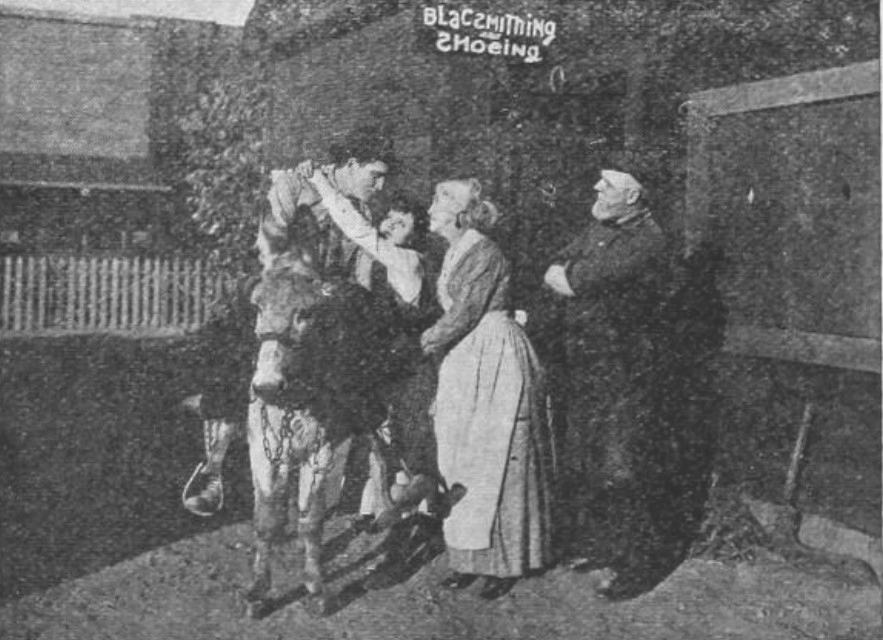
The visual language of The Eye of Envy is remarkably sophisticated for its time. The cinematography captures the beauty of Sleepy Hollow with an almost painterly quality, contrasting the serene landscapes with the escalating internal turmoil. Shadows and light are employed not just for illumination but as powerful symbolic elements, mirroring the narrative's progression from bright, hopeful beginnings to the encroaching darkness of jealousy. The dappled sunlight filtering through trees in early scenes gives way to stark, high-contrast lighting as the plot thickens, visually representing the characters' descent into despair. Close-ups are used judiciously to emphasize critical emotional beats, drawing the audience into the characters' inner worlds, making their silent pleas and unspoken fears intensely personal. This deliberate aesthetic choice elevates the storytelling, allowing the film to communicate complex emotions without a single spoken word, a hallmark of truly great silent cinema. The evocative imagery often speaks volumes more than dialogue ever could, a technique that would be refined in films like Die ewige Nacht, which similarly explores profound themes through visual metaphor and atmospheric dread. The director's keen eye for composition ensures that every frame contributes to the narrative and emotional impact.
The pacing of The Eye of Envy is deliberate, allowing the emotional beats to resonate fully. It eschews rapid-fire cuts in favor of sustained scenes that build tension incrementally, pulling the viewer deeper into the characters' escalating crisis. The narrative arc, while seemingly straightforward, is a nuanced exploration of cause and effect, demonstrating how one malicious act, fueled by envy, can unravel an entire community's sense of peace. The film's ability to maintain suspense and emotional investment throughout its runtime is a testament to its strong direction and well-crafted screenplay. This careful construction of narrative momentum is crucial for silent films, where the absence of dialogue places a greater burden on visual storytelling and performance to drive the plot forward. The gradual escalation of conflict allows the audience to fully absorb the impact of each betrayal and revelation, making the eventual climax all the more devastating. It’s a masterclass in building dramatic tension without resorting to cheap tricks.
Beyond the immediate drama, The Eye of Envy resonates with broader themes of morality, consequence, and the corrosive nature of unchecked desires. It serves as a cautionary tale, illustrating how easily happiness can be shattered by the destructive forces lurking within the human psyche. The film doesn't shy away from depicting the painful fallout of envy, exploring its ramifications not just for the direct targets but for the entire social fabric of Sleepy Hollow. This moral dimension aligns it with films that explore ethical dilemmas and their societal impacts, such as As Ye Repent, which examines themes of redemption and the consequences of past actions, or even the grander scale battles of good and evil depicted in The Battles of a Nation, albeit on a vastly different, more intimate battlefield. The film’s message about the dangers of covetousness remains acutely relevant, echoing through the ages.
While The Eye of Envy stands on its own merits, its exploration of jealousy and its destructive power finds echoes across cinematic history. The intense personal drama and the struggle against unseen forces might remind one of the psychological depth found in Peer Gynt, albeit with a different scale of ambition, focusing on a more grounded, domestic tragedy rather than an epic journey of self-discovery. The film's portrayal of a rural community grappling with internal strife can be seen as a precursor to narratives like Pierre of the Plains or All Man, which often depict the challenges and moral complexities within close-knit, isolated societies, where reputations are everything and secrets are hard to keep. Even the tragic romantic elements, tinged with a sense of impending doom, bear a faint resemblance to the poignant melodrama of Camille, though The Eye of Envy roots its tragedy in a more grounded, psychological conflict rather than grand societal constraints or terminal illness. The film's ability to draw these comparisons underscores its universality and timeless appeal.
In an era when cinematic spectacle often took precedence, The Eye of Envy chose to focus on the intricate landscape of human emotion, proving that internal conflict could be as gripping as any external adventure. Its enduring relevance lies in its timeless depiction of a fundamental human flaw. The film reminds us that while technology and societal norms evolve, the core struggles of love, jealousy, and betrayal remain constant. It’s a compelling argument for the enduring power of silent cinema, demonstrating that profound stories can be told with elegance and emotional depth, even without spoken dialogue. For contemporary audiences, it offers a fascinating glimpse into the narrative sophistication of early filmmaking, proving that the roots of modern psychological drama run deep. It stands as a testament to the fact that compelling storytelling transcends technological limitations, relying instead on universal human experiences.
Ultimately, The Eye of Envy is more than just a historical artifact; it is a vital piece of cinematic artistry. Its careful construction, compelling performances, and potent thematic exploration solidify its place as a noteworthy contribution to the silent film canon. The film’s ability to evoke such strong emotions and provoke thought, purely through visual storytelling and the expressive capabilities of its cast, is a remarkable achievement. It stands as a powerful testament to the fact that the most impactful stories are often those that delve into the intricate, sometimes dark, corners of the human heart. It certainly merits discovery and appreciation by anyone with an interest in the foundational works of cinema, offering a rich, nuanced experience that transcends its historical context and speaks directly to the enduring complexities of human relationships. Its influence, though perhaps subtle, can be seen in countless subsequent films that explore the destructive power of jealousy, cementing its legacy as a foundational piece in the genre of psychological drama. Films like Die Stimme des Toten or Schwert und Herd, while different in their narrative specifics, share a common thread of exploring profound human emotions and their consequences, further illustrating the broad impact of such early cinematic endeavors. The Eye of Envy, therefore, is not just a film to be watched, but an experience to be felt, absorbed, and pondered long after the final frame fades to black.
IMDb —
1917
Community
Log in to comment.