DbcultAccessing Vault...
6.8/10
Senior Film Conservator
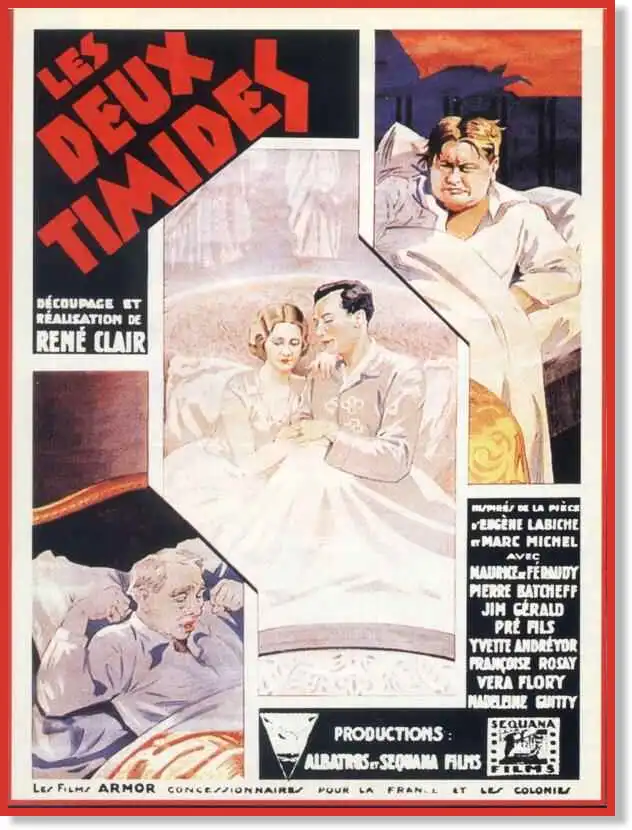
A definitive 6.8/10 rating for a film that redefined the boundaries of cult cinema. Two Timid Souls remains a cornerstone of transgressive art.
If you have ever felt like the room was shrinking while you were trying to speak in public, you should probably watch Two Timid Souls. It’s a silent film from 1928, which usually scares people off, but this isn't one of those stiff, historical artifacts. It’s a movie about social anxiety before there was a clinical word for it. If you’re looking for a high-stakes thriller, you’ll hate this. If you like watching a man struggle to walk through a door because he’s overthinking it, you’re in the right place.
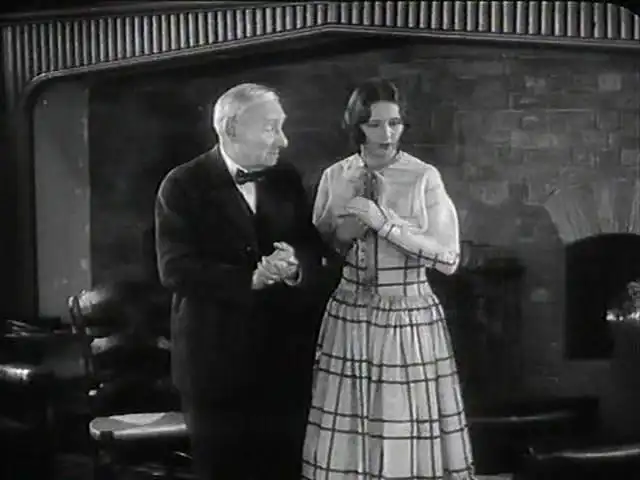
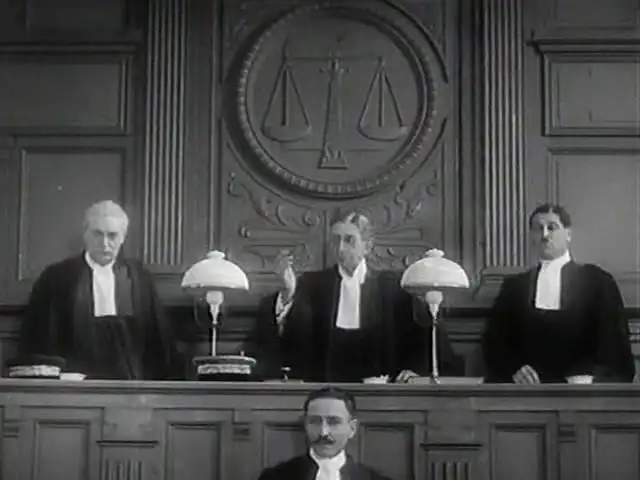
Pierre Batcheff plays Fremissin, the lawyer. He has this face that feels almost too modern for the 1920s—wide eyes, a sort of jittery, caffeinated energy. The movie kicks off in a courtroom where he’s supposed to be defending a guy named Garadoux who definitely beat his wife. The way René Clair films this is actually pretty funny. Instead of hearing the speech, we see what the lawyer is imagining. He’s so nervous that his defense keeps changing in his head, and the film edits these little cutaways to show the crime happening in different, increasingly ridiculous ways. At one point, he’s so pathetic that the jury actually feels sorry for him, but not for his client.
There is a specific shot where the camera just stays on Batcheff’s hands as he fumbles with his papers. It goes on for a long time. It’s uncomfortable. You can feel the sweat. It reminded me a bit of the frantic, slightly lost energy in Paris Lights, though this is much more focused on the internal collapse of one guy.
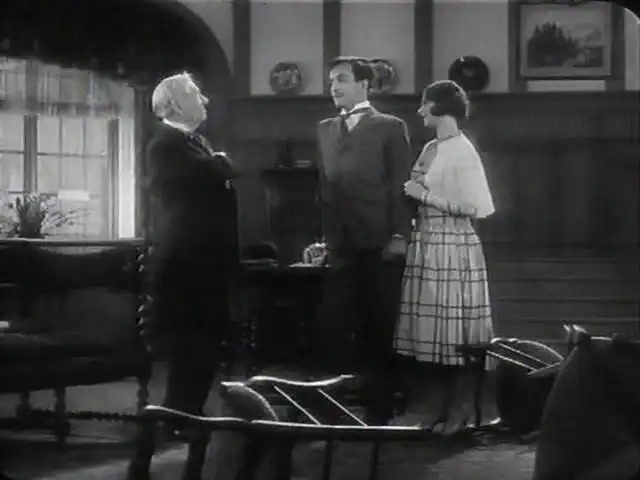
The villain, played by Jim Gérald, is a great contrast. He’s huge. He’s got this heavy, menacing presence and a mustache that looks like it was glued on with spite. When the movie jumps forward two years, and both men end up at the same country house trying to woo the same girl, Cécile, the movie shifts into a weird sort of domestic farce. The pacing gets a little clunky here. There are a lot of scenes of people walking in and out of gardens that feel like they could have been trimmed by five minutes.
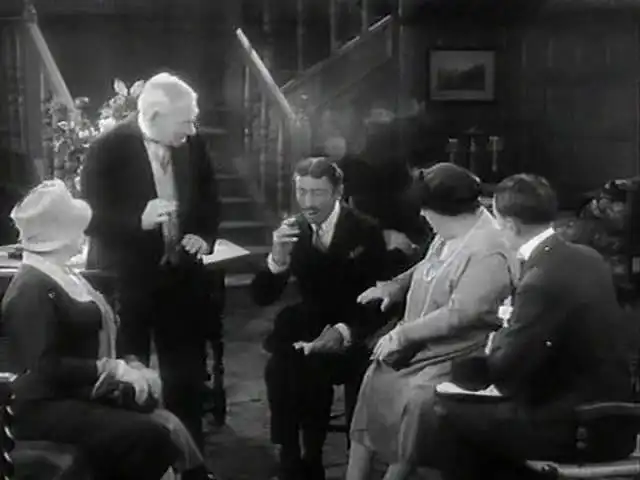
I noticed this one weird thing: the father of the girl (played by Maurice de Féraudy) spends a lot of time just... looking at things. There’s a scene where he’s reading a newspaper and the camera just lingers on him for no reason. It doesn't move the plot forward. It’s just a guy reading. It gives the movie this lived-in, slightly messy feeling that I actually prefer over the hyper-polished stuff you see now.
The middle section drags. It really does. There’s a lot of business with a letter and a bunch of secondary characters who don't matter that much. It feels a bit like a stage play that forgot it was being filmed. But then you get these flashes of visual wit. There’s a moment where Fremissin is trying to work up the courage to ring a doorbell, and the way he dances around the porch is like a physical manifestation of a panic attack. It’s rhythmic and strange.
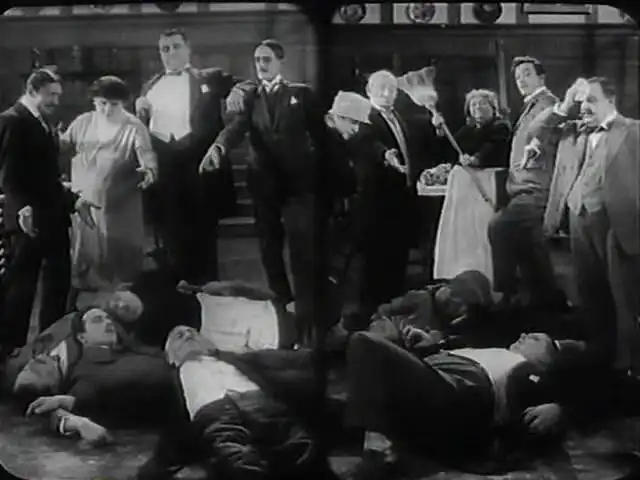
The ending gets pretty chaotic. It turns into a full-blown slapstick chase with people climbing over furniture and running through hallways. It’s a bit of a tonal shift from the earlier, more observational humor, but by that point, you’re just happy to see the shy guy finally move. It’s not quite as tight as some other films from that era, like The Great Gamble, but it has a lot more heart.
One thing that stuck with me was the costume for Garadoux. He wears these suits that look about half a size too small, which makes him look even more explosive and dangerous. Every time he’s on screen, the movie feels like it’s about to boil over. Then it cuts back to Batcheff, who looks like a stiff breeze would knock him over.
Is it a masterpiece? Probably not. The domestic violence setup at the beginning is handled with a weird lightness that feels a bit gross by today’s standards. The movie treats Garadoux as a buffoon rather than a monster, which is a tough pill to swallow. But if you can get past the 1920s casualness toward that stuff, the actual mechanics of the comedy—the way shyness is treated as a physical obstacle—is really well done.
It’s a short watch. If you’ve got an hour and a half and you want to see a guy struggle with a door handle, give it a look.
IMDb —
1933
Community
Log in to comment.