DbcultAccessing Vault...
Cult Review
Senior Film Conservator
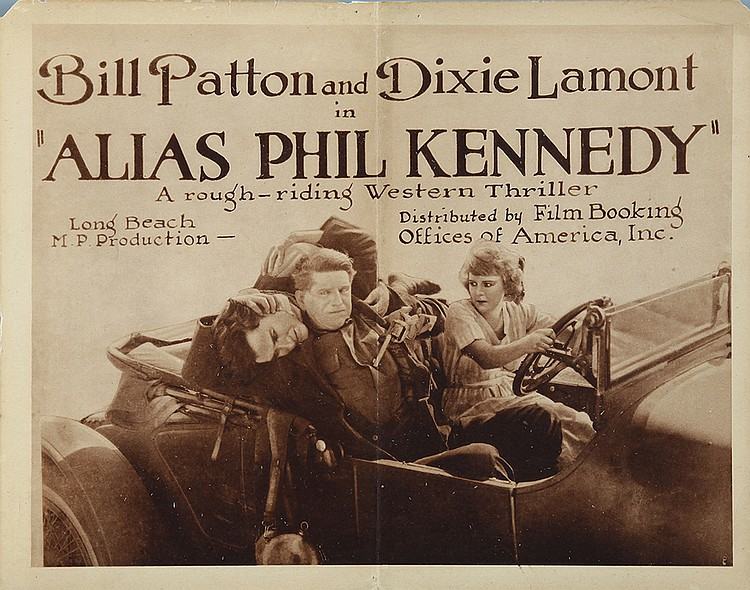
Stepping back into the cinematic annals of the silent era often reveals a treasure trove of narrative ingenuity, raw emotion, and physical prowess that modern filmmaking, for all its technological marvels, sometimes struggles to replicate. Alias Phil Kennedy, a film whose very title hints at the intricate layers of identity and subterfuge, is precisely such a discovery. It’s a compelling testament to the power of visual storytelling, a high-stakes drama that unfolds with a relentless pace, demanding the audience’s unwavering attention through every twist and turn. The film plunges us into a world where appearances are deceiving, loyalty is tested, and the line between hero and villain becomes exquisitely blurred, all without the aid of spoken dialogue, relying instead on the expressive artistry of its cast and the evocative power of its cinematography.
At its core, Alias Phil Kennedy is a masterclass in the espionage thriller, albeit one steeped in the sensibilities of its time. Our protagonist, an unnamed secret service agent, embarks on a mission fraught with peril, adopting the persona of a hardened criminal. His objective is clear: to penetrate a notorious counterfeiting ring from within, to unmask its architects, and to dismantle its operations. This premise alone sets the stage for a narrative rich with tension, as the agent must constantly walk a tightrope, maintaining his cover amidst genuine criminals while striving to uphold his moral compass. The film brilliantly exploits the inherent dramatic irony of his situation, where every success in his undercover role paradoxically deepens the perception of his villainy to those unaware of his true identity.
A pivotal moment, early in the narrative, introduces the film's romantic element and complicates our hero's already intricate existence. During a perilous sequence, he heroically rescues a young woman from a raging stream, an act of pure, selfless bravery. This serendipitous encounter, however, proves to be a double-edged sword. While it forges an undeniable connection between the two, it also ensnares him in a web of misunderstanding. The woman's grandfather, a figure of stern authority and deeply held beliefs, witnesses the incident but only perceives the agent's criminal guise. His gratitude for the rescue is overshadowed by his conviction that the man is a dangerous crook, leading him to sternly forbid any further contact between his granddaughter and this perceived menace. This dramatic conflict—the hero's true intentions juxtaposed against the world's misjudgment—is a recurring motif, adding profound emotional depth to the high-octane action.
Fred Kohler, a stalwart of the silent screen often typecast as a villain, brings a remarkable intensity to the central role. His ability to convey complex emotional states—the inner conflict of a man living a lie, the strategic coldness required for his mission, and the burgeoning tenderness of his affections—without uttering a single word is truly captivating. Kohler's physicality, his piercing gaze, and his subtle shifts in demeanor allow the audience to peer into the soul of a character constantly battling external threats and internal pressures. The film cleverly leverages Kohler's established screen persona; audiences of the era might have been accustomed to seeing him as a menacing figure, which only amplifies the ambiguity surrounding his character's true allegiance, especially when the plot takes a darker turn.
The narrative escalates with the audacious theft of gold from the grandfather's mine. In a move designed to deepen his infiltration, our hero appears to assist the very criminals he is sworn to apprehend. This calculated risk, a perilous double-bluff, is a narrative device that keeps the audience on tenterhooks. We, as observers, are privy to his true motives, but the characters within the film remain largely oblivious, trapped in their misperceptions. This creates a compelling tension, as the agent's actions, while strategically brilliant, simultaneously alienate him further from the woman he loves and her family. Such intricate plotting, where the hero must sacrifice his reputation for the greater good, resonates with similar themes found in other silent thrillers like The Brass Bullet, which also explored the complexities of undercover work and the moral compromises it demands.
Dixie Lamont, as the object of the agent's affection, provides a crucial anchor of innocence and vulnerability amidst the swirling currents of deceit. Her performance, characterized by expressive gestures and heartfelt reactions, perfectly complements Kohler's more restrained intensity. She embodies the stakes of the mission, representing the purity and goodness that our hero is fighting to protect. The other members of the cast, including Bill Patton and Charles Phillipi, lend convincing support, fleshing out the criminal element with appropriate menace and providing credible foils for Kohler's agent. The ensemble's collective ability to convey character and emotion without dialogue is a testament to the rigorous training and unique performance demands of the silent film era. Unlike the more lighthearted ensemble work seen in films such as Getting Mary Married, the stakes here are life and death, and the performances reflect that gravity.
The film culminates in a truly breathtaking sequence of action and daring, a hallmark of the era's serials and thrillers. Having finally gathered all necessary intelligence, the secret service agent initiates the final phase of his operation, leading to the dramatic capture of the remaining crooks. The climax is a masterclass in kinetic filmmaking, featuring a thrilling jump from a cliff directly into an automobile. This isn't just any automobile; it's one driven by the very girl he loves, who, in a cruel twist of fate, finds herself threatened by the last desperate criminal. This sequence is a marvel of stunt work and directorial staging, showcasing the raw, visceral excitement that silent films could deliver. The precision required for such a stunt, executed without the benefit of special effects as we know them today, speaks volumes about the courage of the performers and the ingenuity of the filmmakers. It's an unforgettable moment that perfectly encapsulates the blend of romance, danger, and heroism that defines the film.
The recovery of the grandfather's gold and the ultimate vindication of our hero's true character provide a satisfying resolution, tying up the various narrative threads with a flourish. The audience is left with a profound sense of justice served, and a heartwarming affirmation of love conquering adversity. This kind of spectacular, high-stakes resolution was a common and beloved trope in silent cinema, often seen in adventure serials or films like The Amazing Adventure, where heroes undertake seemingly impossible feats to achieve their goals.
One of the most remarkable aspects of Alias Phil Kennedy, and indeed of silent cinema as a whole, is its ability to communicate complex narratives and deep emotional resonance through purely visual means. The absence of dialogue forces a heightened reliance on visual cues: exaggerated facial expressions, grand gestures, meticulously choreographed action sequences, and evocative intertitles that punctuate the story. This unique form of storytelling often results in a more universal appeal, transcending language barriers in a way that early sound films, with their nascent sound technology, sometimes struggled to achieve. The film's pacing, while perhaps appearing deliberate to modern eyes accustomed to rapid cuts, allows for a deeper appreciation of each shot, each performance, and each unfolding dramatic beat.
The technical aspects of silent filmmaking, such as lighting, set design, and camera work, were often incredibly sophisticated. While specific details about the writers of Alias Phil Kennedy are scarce, it's important to remember that in the silent era, storytelling was a highly collaborative art form. Directors, actors, and even studio heads often contributed to the narrative structure and character development, adapting scenarios on the fly to maximize visual impact. This organic approach to creation could result in films that felt raw, immediate, and incredibly dynamic. The visual language of films like Wildflower or even the European productions such as Marizza demonstrates this rich tapestry of global silent film storytelling.
Watching Alias Phil Kennedy today is more than just an exercise in historical appreciation; it’s an opportunity to experience a genuinely thrilling piece of cinema. It reminds us that fundamental human dramas—love, betrayal, heroism, sacrifice—are timeless, and that the methods of conveying them, while evolving, retain their core power. The film's daring stunts, particularly the iconic cliff jump, stand as a testament to an era when practical effects reigned supreme and physical risk was often a tangible part of the filmmaking process. This raw authenticity provides a visceral connection that can sometimes be lost in today's CGI-laden spectacles. One can draw parallels to the visceral energy found in other period pieces, though perhaps with different thematic focuses, such as Pan or The Secret of the Swamp, which also relied on strong visual narratives.
The enduring appeal of such films lies in their ability to transport us, not just to another time, but to another mode of perception. Without the crutch of dialogue, the audience becomes a more active participant, interpreting gestures, expressions, and narrative cues with heightened awareness. This engagement fosters a unique kind of immersion, making the viewer a co-creator of the story's emotional landscape. The sense of mystery and the gradual unveiling of truth are handled with a masterful touch, keeping the audience guessing until the very end. This narrative sophistication, even in films with seemingly straightforward plots like A Gay Old Dog (though vastly different in genre), highlights the narrative craftsmanship prevalent in early cinema.
For enthusiasts of cinematic history and those seeking a compelling narrative beyond the confines of modern blockbusters, Alias Phil Kennedy offers a rich and rewarding experience. It stands as a testament to the ingenuity of early filmmakers and the timeless appeal of a well-crafted story. The film's intricate plot, compelling performances, and spectacular action sequences cement its place as a noteworthy entry in the silent thriller genre. It encourages viewers to engage with cinema on a fundamental level, appreciating the power of the moving image itself. Just as films like The Skipper's Treasure Garden or Home Stuff offer unique perspectives on their respective genres, Alias Phil Kennedy provides a thrilling ride into the world of espionage with a heart.
Its rediscovery, or indeed its first viewing for many, serves as a vital reminder of the diverse and dynamic storytelling traditions that paved the way for contemporary cinema. The film's ability to elicit genuine excitement, suspense, and emotional connection without a single spoken word is a powerful argument for the enduring artistry of the silent era. From the bustling streets of clandestine operations to the serene, yet dangerous, natural landscapes, every frame of Alias Phil Kennedy is imbued with purpose and dramatic intent. It solidifies the notion that great storytelling transcends technological limitations, relying instead on universal themes and compelling execution. The intricate dance of deception and eventual revelation, mirroring the layered narratives found in classics like The Man with the Twisted Lip, keeps the audience thoroughly invested. It reminds us that the foundational elements of suspense, character development, and a satisfying resolution were honed long before the advent of synchronized sound, proving that the language of cinema is, at its heart, visual and universal.
IMDb —
1927
Community
Log in to comment.