DbcultAccessing Vault...
6.3/10
Senior Film Conservator
A definitive 6.3/10 rating for a film that redefined the boundaries of cult cinema. Alice Foils the Pirates remains a cornerstone of transgressive art.
Is 'Alice Foils the Pirates' worth watching today? Short answer: yes, but with the crucial understanding that you're engaging with a foundational piece of animated history rather than a contemporary blockbuster. This film is an absolute must-see for animation historians, dedicated Disney aficionados, and anyone possessing a genuine curiosity about the nascent techniques of early cinema, particularly the groundbreaking synthesis of live-action and hand-drawn elements. Conversely, those primarily seeking intricate, fast-paced plots, the seamless fluidity of modern animation, or rapid-fire comedic timing might find its deliberate rhythm and fundamentally simplistic narrative less immediately captivating.
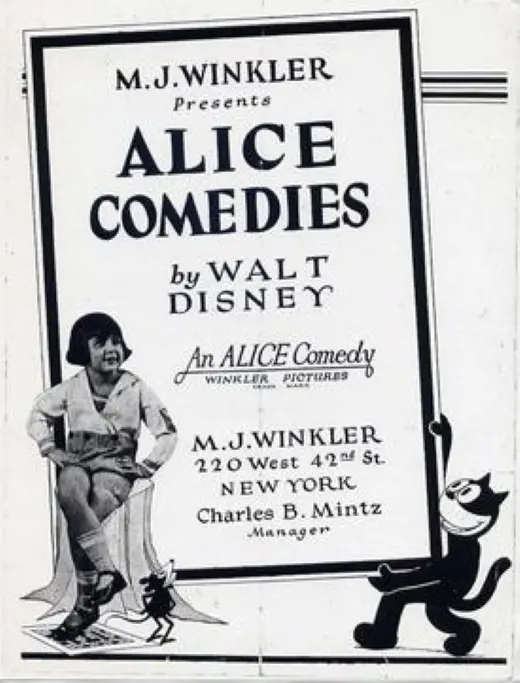
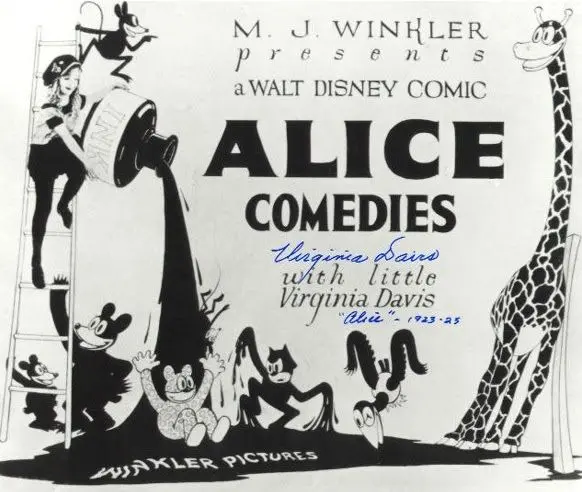
This early entry in the iconic 'Alice Comedies' series, starring the charming Margie Gay, transcends being merely a film; it functions as a vital historical portal into the nascent stages of Walt Disney's studio. It stands as a testament to audacious, raw innovation triumphing over the polished perfection that would define later eras. Indeed, it is a foundational text, indispensable for comprehending the very genesis of animation's journey towards its eventual global cultural dominance.
This film works because: It offers an invaluable historical perspective on early animation techniques, particularly the pioneering live-action/animation hybrid, showcasing the audacious creativity of its creators in a fledgling medium.
This film fails because: Its narrative simplicity and episodic structure, while charming for its era, can feel underdeveloped to modern audiences accustomed to more complex storytelling and character arcs.
You should watch it if: You have a keen interest in animation history, enjoy classic silent-era shorts, or want to witness the foundational experiments that paved the way for animated features decades later.
'Alice Foils the Pirates' exists at a fascinating crossroads of cinematic development, a period where the boundaries between live-action and animation were not merely blurred but actively explored as a canvas for storytelling. The film’s most striking feature, undeniably, is this innovative blend. Margie Gay, as the live-action Alice, interacts with a world populated by hand-drawn characters and environments, a technical marvel for 1928. This wasn't just a gimmick; it was a deliberate artistic choice that defined the entire 'Alice Comedies' series and set a precedent for future cinematic experimentation.
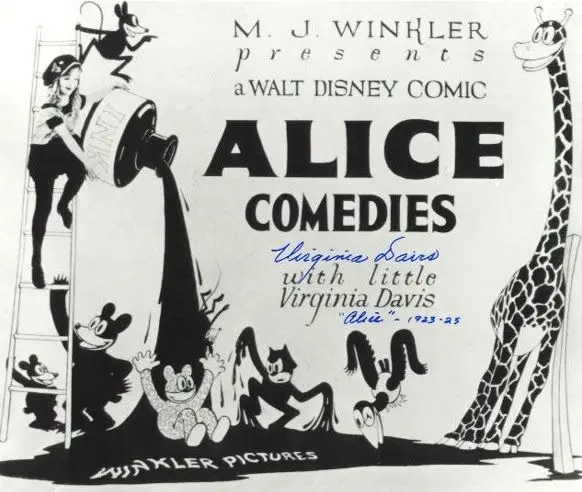
The animation itself, largely the work of Ub Iwerks under Walt Disney's supervision, showcases a raw, kinetic energy. While not as refined as the later 'Steamboat Willie' or 'Silly Symphonies,' it possesses a distinctive charm. The character of Julius, for instance, exhibits a rubber-hose fluidity that allows for exaggerated, often humorous, movements impossible in live-action. His physical comedy, whether stretching to reach a high shelf or contorting to avoid a pirate's grasp, is a pure product of the medium's freedom. The pirates, too, despite their relatively simple designs, convey a surprising menace through their broad gestures and menacing grins.
One particularly memorable sequence involves Julius’s ingenious methods of navigating the pirate ship. He doesn’t just walk; he bounces, stretches, and morphs, utilizing the very fabric of the animation to his advantage. This early form of visual problem-solving, where the solution is inherently animated, feels remarkably fresh even today. It reminds us that before the advent of sophisticated digital tools, animators relied on pure imagination and inventive draftsmanship to create compelling illusions. The backdrop elements, while often static, provide just enough context for Alice and Julius's predicament, allowing the animated action to take center stage.
At the heart of 'Alice Foils the Pirates' is Margie Gay, the live-action actress portraying Alice. Her role is crucial, serving as the audience's anchor in a world that constantly defies the laws of physics. Gay’s performance, though largely silent and reliant on expressive facial cues and physical reactions, grounds the fantastical elements. She reacts to the animated pirates with genuine alarm and to Julius’s antics with a believable mix of gratitude and wonder. This human presence prevents the film from devolving into mere animated slapstick, lending it a touch of vulnerability and relatability.
Her interaction with the animated Julius is particularly noteworthy. The seamlessness of their shared screen time, considering the technical limitations of the era, is a testament to the meticulous planning and execution involved. Whether she's being carried, pulled, or even conversing with her cartoon counterpart, Gay maintains an impressive level of engagement. This wasn't merely acting against a green screen; it was acting against an empty space, with the animated elements added in post-production. Her ability to convey fear, resolve, and eventual relief solely through her expressions and body language is a subtle masterclass in silent film acting.
It’s easy to overlook the challenge this presented to a young actress. To convincingly inhabit a world that isn't physically present requires a unique blend of imagination and discipline. Gay's Alice is not a passive damsel; she is resourceful and spirited, even when captured. Her struggle, conveyed through her gestures within the confines of the pirate ship, feels authentic. This performance is a quiet triumph, often overshadowed by the animation itself, but absolutely vital to the film’s overall charm and pioneering spirit.
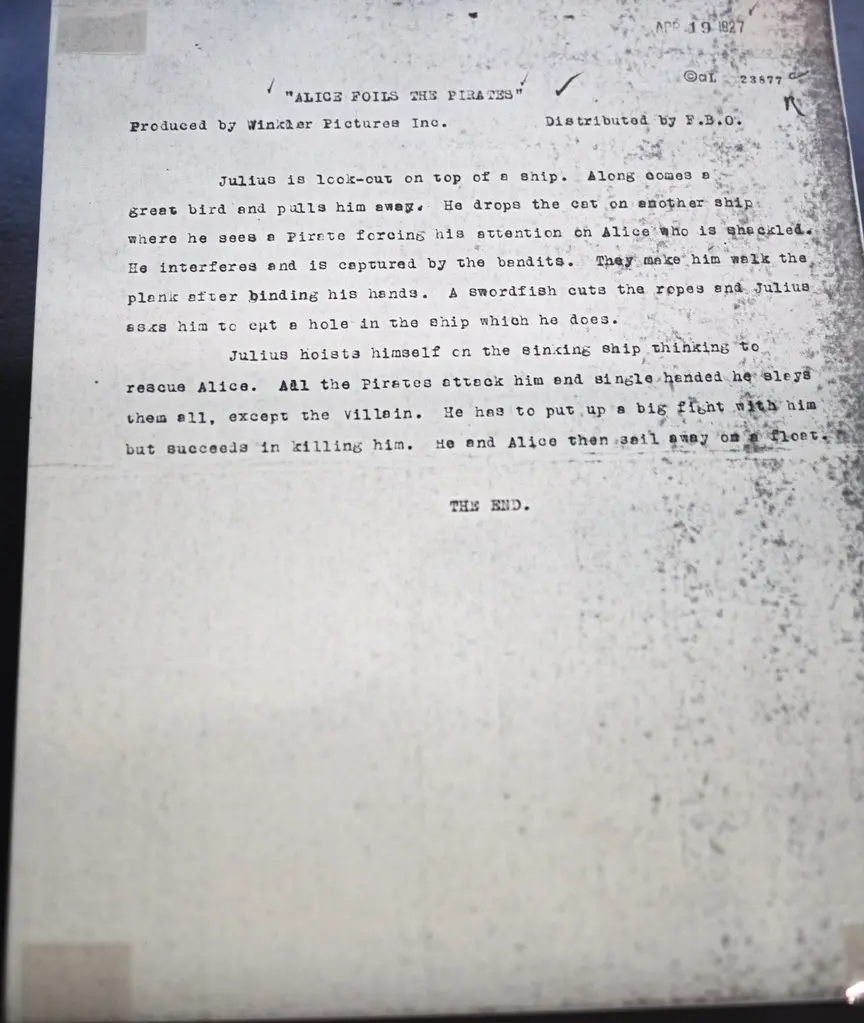
The direction, primarily credited to Walt Disney and Ub Iwerks, demonstrates a remarkable understanding of visual storytelling within the constraints of a short, silent format. The narrative of 'Alice Foils the Pirates' is straightforward: capture, rescue, escape. Yet, it unfolds with a clarity and efficiency that keeps the audience engaged. There's no wasted motion, no extraneous subplot. Every scene, every gag, propels the central conflict forward, even if subtly. The pacing is brisk, characteristic of the era's shorts, ensuring that attention spans are consistently held.
Consider the initial discovery of Alice's capture. It’s communicated visually and immediately sets Julius’s motivation. There’s no lengthy exposition; the urgency is inherent in the visuals. Similarly, the sequences aboard the pirate ship are orchestrated to maximize tension and comedic relief. Pete, the pirate captain, is established as a clear, if cartoonish, antagonist through his exaggerated villainy and the way he brandishes his cutlass. The visual gags, such as Julius cleverly outsmarting the pirates or using everyday
IMDb —
1926
Community
Log in to comment.