DbcultAccessing Vault...
6/10
Senior Film Conservator
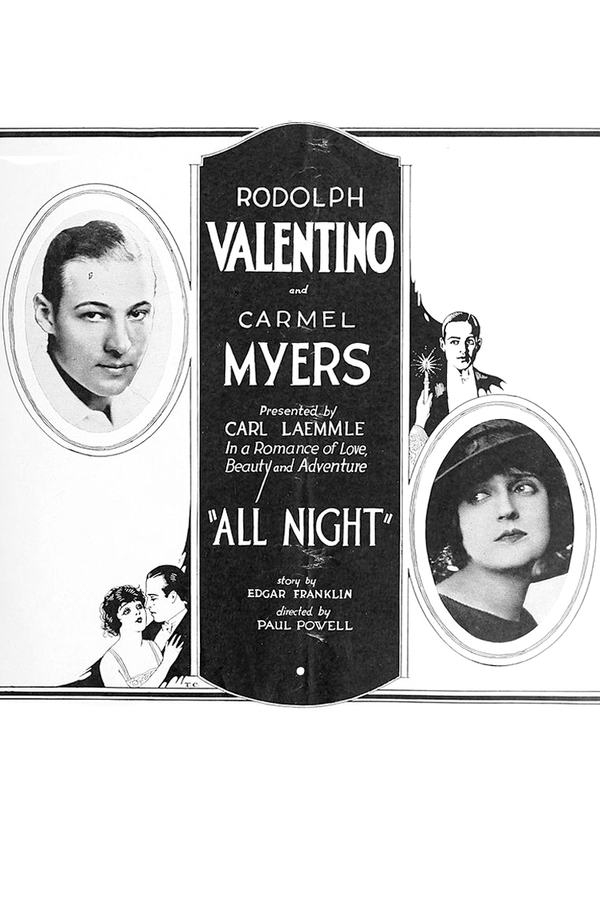
A definitive 6/10 rating for a film that redefined the boundaries of cult cinema. All Night remains a cornerstone of transgressive art.
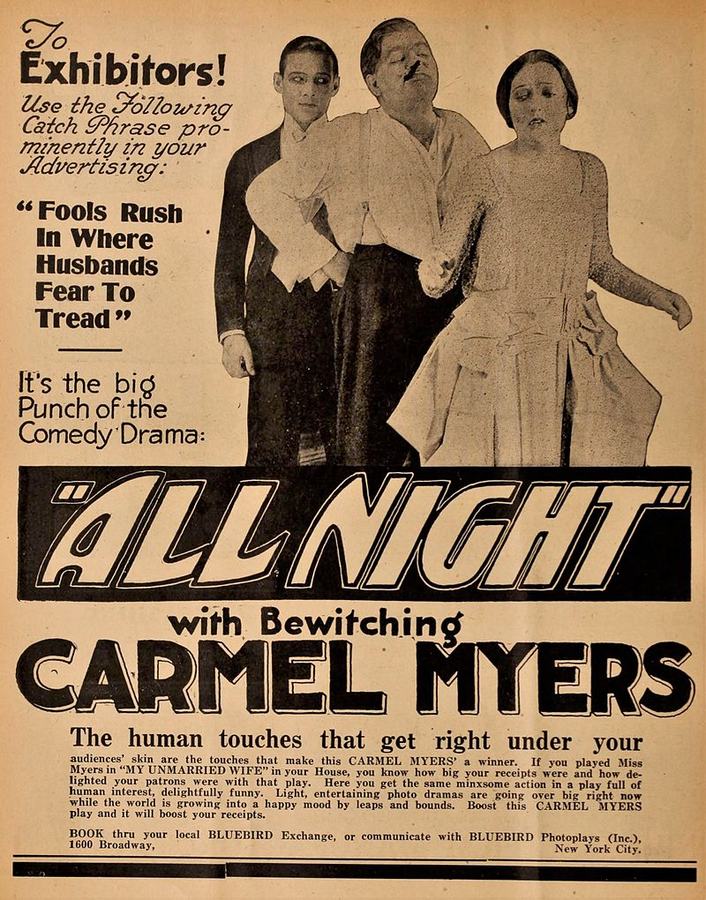
Stepping back into the nascent days of cinematic artistry, one encounters a particular charm in the silent film era, a period where visual storytelling reigned supreme and the nuances of human expression were magnified to speak volumes without a single uttered word. Among the delightful offerings from 1918, All Night emerges as a sparkling example of early comedic brilliance, a farcical romp that, despite its century-old vintage, still manages to elicit chuckles and admiration for its audacious premise and the spirited performances of its cast, most notably a then-ascending Rudolph Valentino.
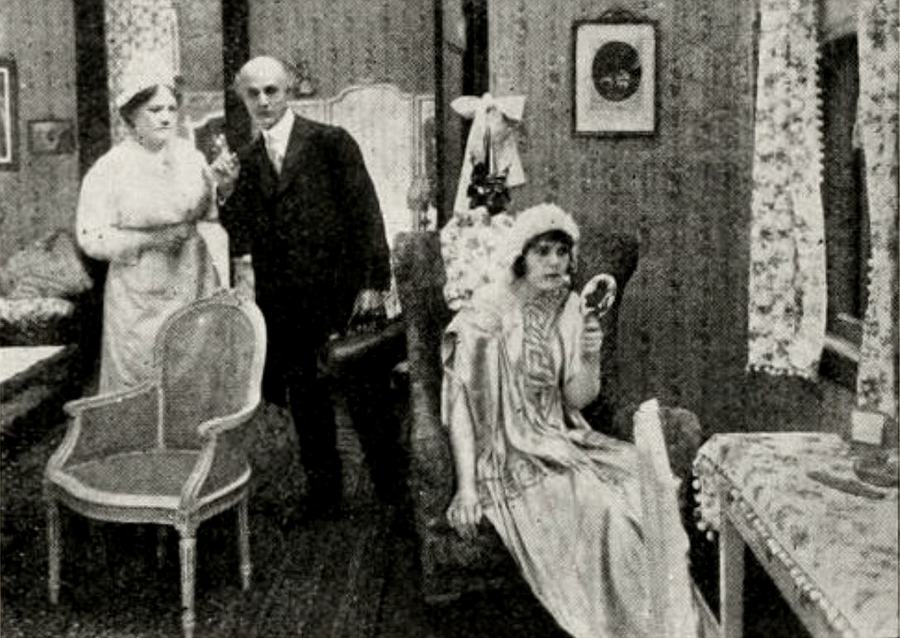
This film, a testament to the ingenious writing of Fred Myton and Edgar Franklin, plunges us directly into the frantic world of William, a man teetering on the brink of financial catastrophe. His business, a struggling enterprise, desperately requires an injection of capital, and his last, best hope lies in impressing the notoriously discerning millionaire, Mr. Bradford. The stakes are astronomically high, pushing William to conceive of an elaborate, utterly preposterous scheme: he and his wife, Maude, will assume the roles of humble domestic servants, while their unsuspecting guests, Elizabeth and Richard, are persuaded to masquerade as the affluent landlord and landlady of the very estate William owns. What unfolds is a masterclass in comedic tension, a delicate dance of deception where every servant's bell, every unexpected request, and every close call threatens to collapse the meticulously constructed facade.
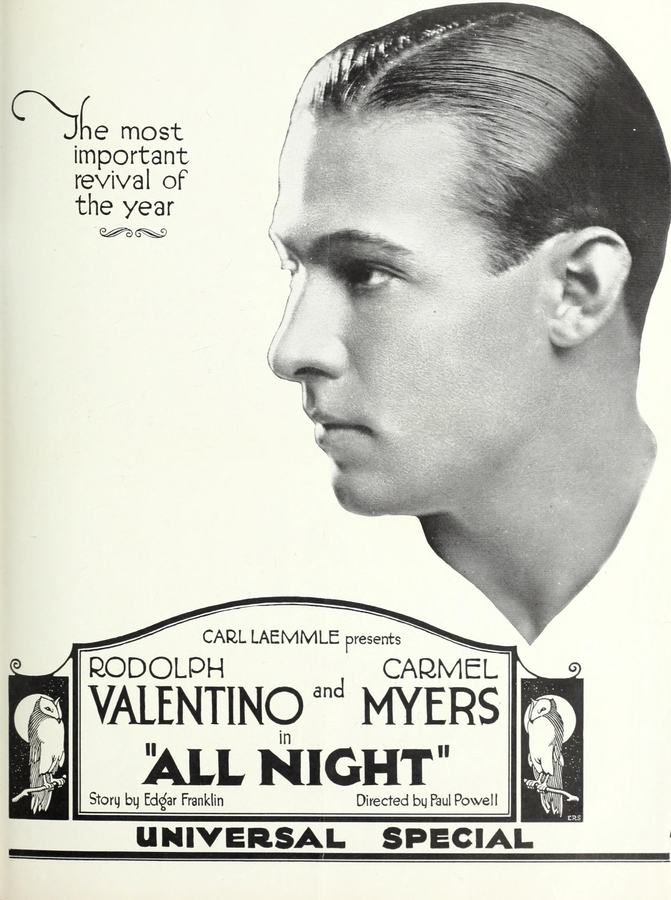
At the heart of All Night lies a keen observation of social pretense and the lengths to which individuals will go to maintain or elevate their status. William, portrayed with an endearing blend of frantic energy and hopeful desperation by Rudolph Valentino, is the quintessential struggling aspirant. His ambition is palpable, driving him to orchestrate this elaborate charade. One can almost feel the sweat beading on his brow as he fumbles with a tray or attempts to answer a demanding guest while simultaneously trying to manage his true identity. His wife, Maude, played by Mary Warren, is his reluctant but ultimately loyal accomplice, her expressions oscillating between exasperation and a nervous determination to see the plan through. Their dynamic forms the emotional core of the film, highlighting the often-absurd sacrifices made in the pursuit of financial security and social acceptance.
The brilliance of the screenplay, crafted by Myton and Franklin, lies in its intricate layering of misunderstandings. Elizabeth (Carmel Myers) and Richard (Charles Dorian), the unwitting 'landlords,' are a study in improvised aristocracy. Their attempts to embody a lifestyle they don't possess, coupled with their genuine confusion over William and Maude's increasingly strange behavior, generate much of the film's comedic friction. Their performances are particularly noteworthy for their ability to convey both their inherent good nature and their bewildered attempts to keep up with the escalating demands of their sudden, fabricated status. William Dyer, as the target millionaire Mr. Bradford, is wonderfully oblivious, his focus solely on the business proposition, rendering him a perfect foil for the chaotic domestic scene unfolding around him.
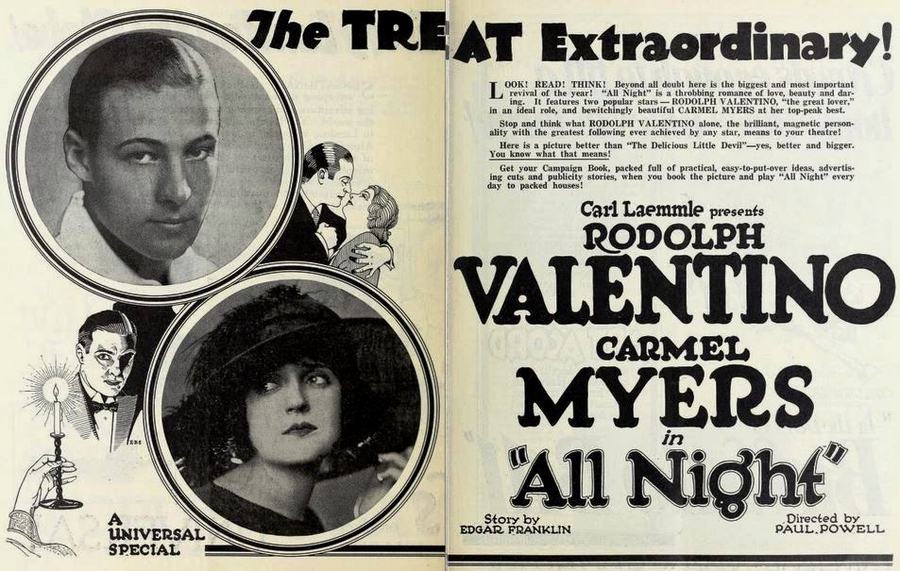
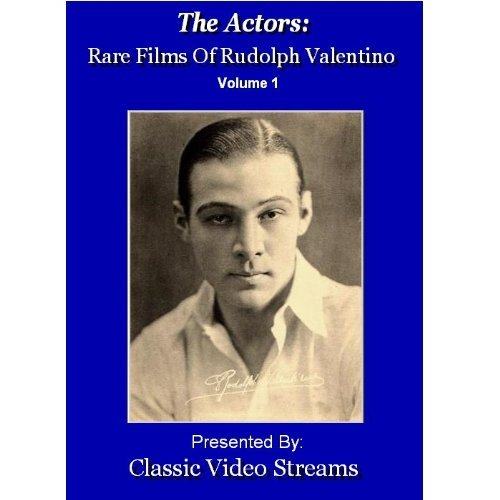
For many, the name Rudolph Valentino conjures images of the Latin Lover, the passionate sheik, a figure of intense romantic allure. Yet, All Night offers a fascinating glimpse into his formative years as an actor, showcasing his surprising comedic chops and versatility before he became a global sensation. Here, he is not the brooding romantic lead but a flustered, charmingly awkward man caught in a web of his own making. His physical comedy is superb, his exaggerated expressions and frantic movements conveying a palpable sense of anxiety and desperation that transcends the lack of spoken dialogue. It's a performance that demonstrates an innate understanding of the silent medium, where every gesture, every tilt of the head, and every wide-eyed glance must communicate volumes. He manages to make William's plight both sympathetic and uproariously funny, a testament to his burgeoning star power.
The ensemble cast, including Lydia Yeamans Titus, Wadsworth Harris, and Jack Hull, contribute to the intricate dance of the evening. Each actor, through their nuanced pantomime and carefully calibrated reactions, helps to build the comedic momentum. The film relies heavily on the universal language of body posture and facial contortions, a skill that defined the silent era. It’s a delicate balance; too much exaggeration and it becomes caricature; too little, and the humor is lost. All Night strikes this balance with remarkable precision, a credit to both the performers and the guiding vision behind the camera, which ensured that the story's rhythm and comedic beats were clearly articulated through purely visual means.
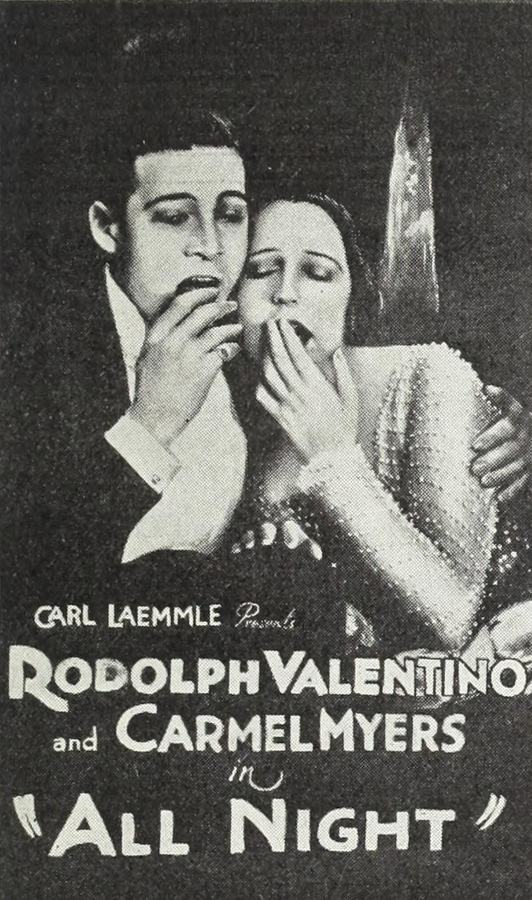
The success of any farce hinges on its narrative construction, and Fred Myton and Edgar Franklin prove themselves adept architects of comedic chaos. Their screenplay for All Night is a masterclass in escalating tension and ingenious plot twists. The premise itself is inherently fertile ground for humor, but it's the meticulous detail in how each new complication arises – a forgotten instruction, a mistaken identity, an overheard snippet of conversation – that elevates it beyond simple slapstick. The writers cleverly exploit the inherent awkwardness of the situation, building layer upon layer of deception until the entire edifice threatens to topple. This kind of intricate plotting is reminiscent of the best theatrical farces, where the audience is privy to the truth, enjoying the characters' frantic attempts to maintain their fabricated realities.
The film's pacing is another critical element. Silent comedies often had a brisk, almost breathless rhythm, driven by rapid cuts and the need to convey information quickly through intertitles. In All Night, this energetic pace serves the farcical nature of the story perfectly. The quick succession of events, the constant threat of exposure, and the characters' desperate improvisations keep the audience engaged and amused. It's a style that demands constant attention but rewards it with continuous amusement. The film doesn't linger; it propels its characters from one predicament to the next, maintaining a light, effervescent tone throughout. This relentless momentum is crucial for a story built on the crumbling foundations of a lie.
Beyond the immediate humor, All Night offers a subtle commentary on the social anxieties and aspirations of its time. The early 20th century was a period of immense economic dynamism in America, where the promise of upward mobility was a powerful motivator. William's desperate attempt to impress Mr. Bradford speaks to this societal pressure, the desire to achieve success and secure one's place within the burgeoning middle and upper classes. The film playfully skewers the superficiality of appearances, suggesting that wealth and status can be easily mimicked, at least for a night. This thematic undercurrent adds a layer of resonance to the comedic proceedings, making the film more than just a series of funny mishaps; it becomes a reflection on the performance of identity in a society obsessed with progress and prosperity.
Comparing All Night to other cinematic endeavors of the period, one can see its place within a broader tradition of comedies of manners and mistaken identity. Films like The Black Sheep of the Family or even those exploring marital dynamics and social expectations such as Dorian's Divorce, though possibly different in tone, share a common thread of examining societal pressures and the often-absurd attempts to conform or rebel against them. The universal appeal of a good farce, where characters are trapped in increasingly complex lies, transcends cultural boundaries, finding parallels even in European productions like Három hét or Lika mot lika if their narratives touched upon similar themes of social juggling or romantic entanglements complicated by pretense. The genius of these stories lies in their ability to tap into shared human experiences of aspiration, fear of failure, and the inherent humor in our desperate attempts to control circumstances that are often beyond our grasp.
The visual storytelling of the silent era, often augmented by live musical accompaniment, created a unique immersive experience. The sets and costumes in All Night, while not overtly lavish, effectively convey the domestic setting and the class distinctions crucial to the plot. The direction ensures that the physical comedy is clear and impactful, allowing the audience to follow the rapid-fire gags and the characters' mounting panic without confusion. Every door slam, every dropped item, every furtive glance is meticulously choreographed to maximize the comedic effect. This attention to detail in visual communication is a hallmark of the period and is expertly utilized here.
In a cinematic landscape dominated by special effects and bombastic narratives, there's a refreshing simplicity and elegance to a film like All Night. It reminds us that compelling storytelling and genuine humor don't require elaborate budgets or cutting-edge technology. They simply demand engaging characters, a clever plot, and performers capable of breathing life into the most absurd of situations. The film serves as an important historical artifact, not just for its place in Rudolph Valentino's filmography, but as a vibrant example of early American comedy. It captures a moment in time when cinema was still finding its voice, demonstrating that even in its infancy, it possessed an incredible capacity for wit, charm, and universal appeal. It's a delightful watch, proving that laughter truly is timeless, and a well-executed farce, regardless of its age, can still bring immense joy to audiences today.
IMDb 5.7
1933
Community
Log in to comment.