DbcultAccessing Vault...
Cult Review
Senior Film Conservator
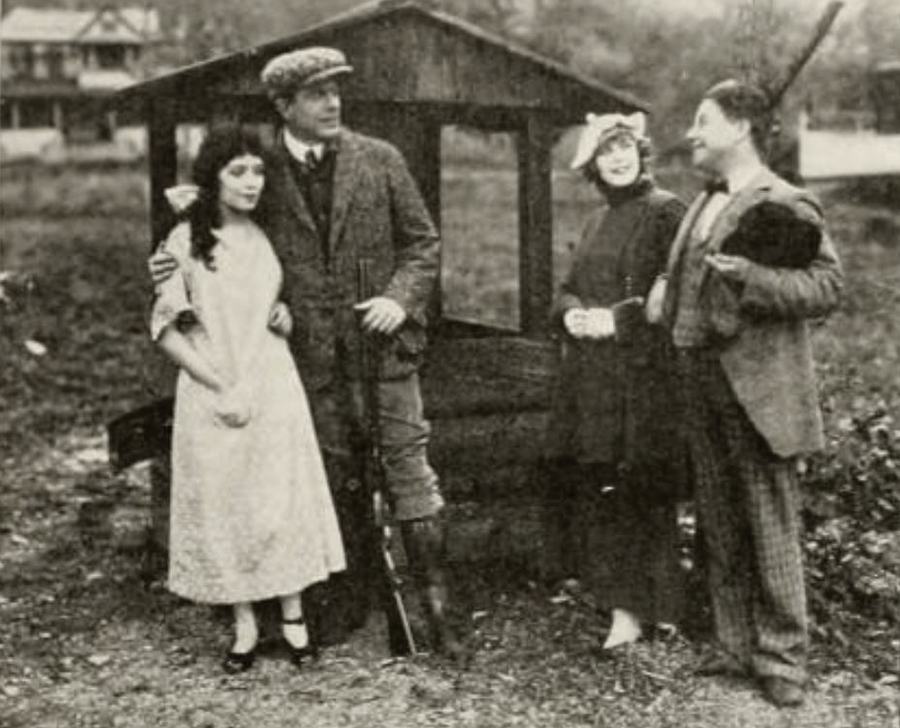
In the thrilling universe of early cinematic serials, where each installment promised fresh peril and ingenious deduction, "Beatrice Fairfax Episode 15: Wristwatches" emerges as a particularly engaging chapter. This episode, a vibrant testament to the era's appetite for adventure and mystery, plunges viewers into a convoluted narrative of love, betrayal, and clandestine operations along a seemingly tranquil coast. It's a masterclass in weaving multiple plot threads – a burgeoning romance, a high-stakes government investigation, and a deeply entrenched criminal enterprise – into a cohesive, pulsating whole. The serial format, often criticized for its episodic nature, here proves its mettle, building suspense with an almost palpable tension that compels an immediate desire for resolution.
The narrative unfolds with Clinton Harding, a diligent agent of the U.S. Revenue Service, on a critical mission to unmask a smuggling ring operating out of Smith Harbor. His professional pursuit, however, takes an unexpected turn when he encounters and falls deeply in love with Dorothy Dane. The irony is poignant and immediate: Dorothy is the niece of Donald Dane, the very mastermind behind the illicit activities Harding is tasked to dismantle. This dramatic irony is not merely a plot device; it's a foundational element that imbues the entire episode with a sense of impending doom and moral complexity. Harding, blinded by burgeoning affection, remains oblivious to the sinister family ties, setting the stage for a classic tale of innocence entangled with corruption. His inadvertent departure from Dorothy's cottage, leaving his gun behind, seems a trivial mishap, yet it serves as the crucial catalyst, a narrative fulcrum upon which the entire subsequent chain of events pivots.
The cinematic language of the time, often reliant on visual cues and dramatic irony, is expertly employed here. Harding's return for his forgotten weapon transforms into an accidental discovery of the smugglers' secret lair. Observing Donald Dane and his henchmen vanish into an old well, Harding's investigative instincts, momentarily overshadowed by romance, reignite with fierce intensity. His descent into the well, a literal plunge into the unknown, reveals a vast cave system extending through the cliff face directly to the sea. This subterranean network, a perfect haven for illicit trade, becomes the backdrop for a tense confrontation. The scene of Dane and his accomplices offloading cargo from a small boat at the cave's mouth is rendered with a quiet menace, underscoring the audacity and secrecy of their operations. Harding's ill-fated attempt to escape with his newfound intelligence leads to his capture, a moment of stark vulnerability that elevates the stakes considerably. He transitions from pursuer to captive, a shift that immediately galvanizes the larger investigative machinery.
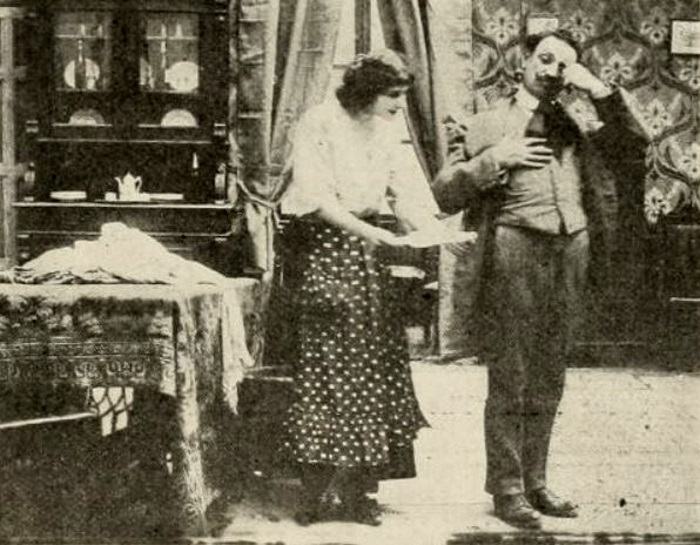
The disappearance of Clinton Harding, a federal agent, is not a matter to be lightly dismissed. Two days later, the separate but converging paths of inquiry initiate. Dorothy Dane, distraught and bewildered by her sweetheart's mysterious vanishing, pens a desperate letter to Beatrice Fairfax, the titular heroine whose reputation for solving the most perplexing enigmas precedes her. Simultaneously, Jimmy Barton, a tenacious reporter from the same publication as Beatrice, has been diligently trailing the Smith Harbor smuggling story. His journalistic instincts, honed by countless investigations, lead him to uncover the alarming fact that Harding's chief has lost contact with him for two days. The geographical nexus – Smith Harbor – instantly triggers Barton's deductive faculties. He astutely connects Dorothy's plea with the agent's disappearance, realizing they are two facets of the same dark conspiracy.
Barton's strategic brilliance shines through in his subsequent actions. He advises Beatrice to visit Dorothy, leveraging her empathetic presence to gather further details, while he, with characteristic resourcefulness, embarks on a solo mission to Smith Harbor. His chosen disguise – that of an itinerant peddler – is not merely for concealment but a calculated means of infiltration. The peddler's pack, ostensibly filled with mundane trinkets, becomes a Trojan horse. This choice of disguise also speaks to the socio-economic realities of the era, where traveling salesmen were a common sight, blending seamlessly into rural communities. It’s a testament to the script's cleverness, providing a believable cover for a daring investigative foray.
The pivotal moment of the episode, and indeed its namesake, arrives with the introduction of the 'symograph.' As Beatrice engages Dorothy in conversation, Jimmy, in his peddler persona, appears, drawing Dorothy's interest with a display of various wristwatches. Donald Dane, the unsuspecting villain, is lured into a trap. He is induced to try on what he believes to be a simple timepiece, but which is, in fact, the 'symograph' – an ingenious, if fantastical, device designed to reveal hidden truths. The dialogue here is exquisitely crafted, brimming with understated tension. Dane's dismissive remark, "That won't tell," is met with Jimmy's wry, loaded response: "No. It tells secrets. I can sell it cheap because I buy from smugglers." The hand on the symograph's dial, dramatically rising to 'high,' is a powerful visual confirmation of Dane's guilt, a silent yet irrefutable indictment. This scene, with its blend of technological marvel (for its time) and psychological manipulation, elevates the episode beyond a mere chase sequence, infusing it with a unique intellectual thrill. It’s a narrative flourish that distinguishes "Wristwatches" from more straightforward detective narratives like Who Killed Simon Baird?, which often relied on more conventional evidence gathering.
The plot, having established the villain and the hero's predicament, now hurtles towards its dramatic conclusion. As Jimmy prepares to depart, a fateful stumble leads him to Harding's abandoned shotgun, its stock bearing the distinctive initials 'G.H.' This small detail, seemingly insignificant, becomes a crucial piece of the puzzle, confirming Harding's presence and providing a tangible link to the well. Jimmy's gaze down the ominous shaft, coupled with his prior deductions, forms a mental connection that propels him into action. This sequence brilliantly demonstrates the power of observation and synthesis, turning disparate clues into a coherent understanding of the situation. It’s a moment that resonates with the best traditions of detective fiction, where a keen eye and a sharp mind unravel complex mysteries.
With the puzzle pieces now firmly in place, Jimmy's priority shifts to immediate action. He swiftly conceals his peddler's pack and scribbles a terse, urgent note, instructing Beatrice to summon the revenue officers. The delivery mechanism for this crucial message is as audacious as his earlier infiltration: creeping to the edge of the cliff overlooking the village, he drops the note at Beatrice's feet as she returns from her visit to Dorothy. This daring act of communication, fraught with peril, underscores Jimmy's courage and ingenuity. It’s a narrative shortcut that maintains the high pace of the serial, avoiding unnecessary detours while amplifying the sense of urgency.
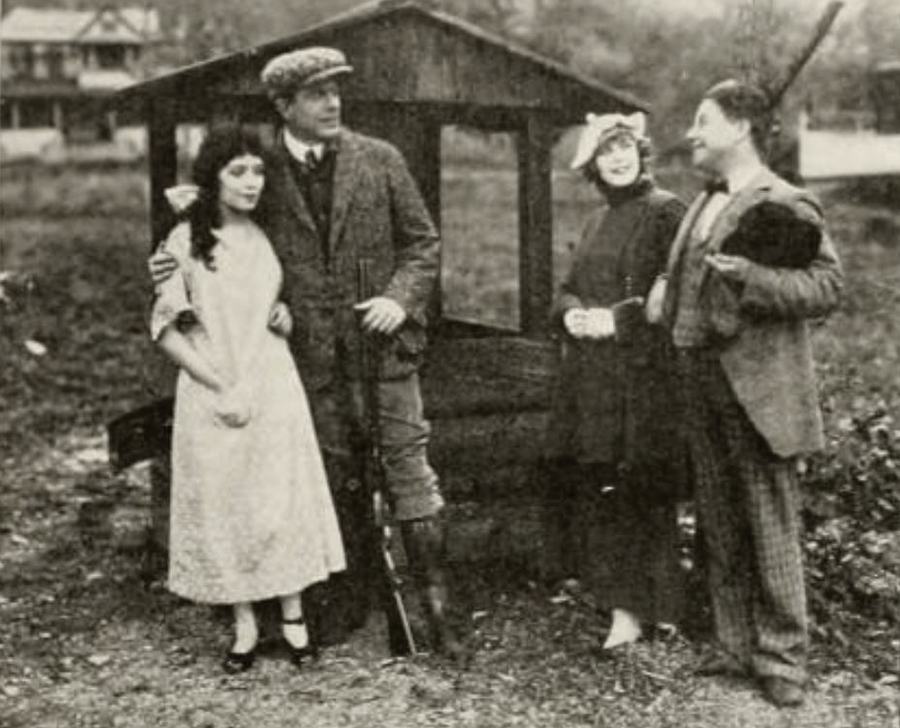
The subsequent rescue attempt is a masterclass in suspense. Jimmy, without hesitation, returns to the well and lowers himself into its dark maw. The discovery of the cave and, within it, the bound figure of Harding, is a moment of profound relief for the audience. Jimmy's stealthy approach, cutting Harding's bonds while remaining undetected by the smugglers, showcases his remarkable composure under extreme pressure. The ensuing chaos, initiated by Jimmy's triumphant shout – "Didn't I tell you that watch told secrets?" – as he ascends the rope, is a perfectly orchestrated diversion. As the enraged smugglers rush towards him, Harding, now free, seizes his opportunity, making a desperate dash in the opposite direction and escaping by diving into the sea. This climactic sequence, a symphony of coordinated action, quick thinking, and daring escapes, provides a satisfying culmination to the episode's build-up. The arrival of the revenue officers, precisely at the opportune moment, ensures the apprehension of the smugglers, bringing a swift and decisive end to their illicit operations. The reunion of Clinton and Dorothy, against the backdrop of justice served, provides the romantic closure essential to the serial's appeal, echoing the emotional resolutions often found in melodramas like The Primrose Path.
The cast of "Beatrice Fairfax Episode 15: Wristwatches" delivers performances that are both emblematic of the era's acting styles and remarkably effective in conveying the narrative's emotional and dramatic weight. Wellington A. Playter, as Clinton Harding, embodies the earnest, somewhat naive federal agent with a compelling blend of duty and romantic fervor. His initial vulnerability, followed by his desperate fight for survival, grounds the more fantastical elements of the plot in human stakes. Edgar L. Davenport, portraying the villainous Donald Dane, perfectly captures the subtle menace of a man operating beneath a veneer of respectability. His initial composure and subsequent rage, particularly when exposed by the symograph, provide a formidable antagonist for our heroes.
Grace Darling, in the role of Dorothy Dane, effectively conveys the distress and innocence of the damsel in distress, her pleas for help providing the emotional impetus for Beatrice's involvement. Evelyn Farris, as Beatrice Fairfax, projects an aura of intelligence and calm resolve, even though her direct action in this episode is more supervisory than hands-on. Her role as the strategic mind, receiving and acting upon Jimmy's intelligence, solidifies her position as the guiding force of the serial. Harry Fox, playing Jimmy Barton, is arguably the standout performer of this particular episode. His portrayal of the resourceful, quick-witted reporter is imbued with a dynamic energy that drives much of the action. From his convincing peddler disguise to his daring infiltration and rescue, Fox brings a vibrant, proactive spirit to the character, making Jimmy an indispensable co-hero. His quick thinking and ability to connect disparate clues are central to the episode's success, making him a more active and engaging protagonist than many of the more static detectives of the period, perhaps even more so than the often-observational detectives in films such as The Soul of Kura San.
The direction of "Wristwatches" demonstrates a keen understanding of serial pacing. Each scene is crafted to advance the plot, build suspense, or reveal critical information, ensuring that the audience remains thoroughly invested. The use of practical locations, particularly the rugged Smith Harbor coastline, the old well, and the hidden cave, adds a layer of authenticity and visual interest that enhances the thrilling atmosphere. These settings are not merely backdrops; they are integral to the plot, facilitating the smugglers' operations and providing the dramatic arena for Harding's capture and rescue. The cinematography, while constrained by the technology of the era, effectively utilizes framing to highlight key actions and emotional beats, from the close-up of the symograph's dial to the wide shots of the treacherous cliffside.
"Beatrice Fairfax Episode 15: Wristwatches" is rich with thematic undercurrents that resonate beyond its immediate plot. At its core, it is a battle between justice and crime, with the U.S. Revenue Service representing the forces of law and order against the insidious threat of smuggling. The episode also explores the complexities of love and loyalty, particularly through Clinton and Dorothy's relationship. Dorothy's unwavering faith in Harding, despite his disappearance, and Harding's initial romantic vulnerability, underscore the personal stakes involved in the larger conflict. The narrative also champions the power of deduction and investigative journalism. Jimmy Barton, a mere reporter, often outshines the federal agent in his ingenuity and proactive problem-solving, highlighting the vital role of the press in uncovering truth and holding criminals accountable. His methods, though unorthodox, prove remarkably effective, showcasing a blend of street smarts and intellectual prowess.
The 'symograph' itself, a seemingly fantastical device, serves as a fascinating commentary on the era's burgeoning fascination with technology and its potential to unlock secrets. While perhaps not as grounded in reality as the forensic methods depicted in later detective stories, it embodies the spirit of innovation and the belief that ingenuity, whether human or mechanical, can always find a way to expose deceit. This element sets it apart from more straightforward crime dramas, lending it a unique, almost proto-sci-fi flavor. The episode's reliance on such a distinctive gadget for its central reveal makes it a memorable entry, much like how a unique artifact might drive the plot in adventure films such as The Waxen Doll, albeit in a different genre context.
As part of the larger "Beatrice Fairfax" serial, "Wristwatches" contributes significantly to the overarching narrative of a brilliant female detective navigating a world of crime. While Beatrice's direct involvement in the physical action of this specific episode is somewhat limited, her role as the strategic hub, the recipient of critical information, and the orchestrator of the final police action, solidifies her position as the intellectual anchor of the series. The serial format itself, with its weekly cliffhangers and intricate, unfolding plots, was a dominant form of entertainment in the early 20th century. "Wristwatches" exemplifies the best qualities of this format: a tightly structured plot, compelling characters, and a relentless pace that keeps audiences on the edge of their seats, eagerly anticipating the next installment. The episode also showcases how these serials, despite their often pulpish nature, could still deliver satisfying, self-contained arcs within their larger narrative framework.
Comparing "Wristwatches" to other films of its time, one can appreciate its unique blend of elements. While the romantic entanglement and damsel-in-distress trope are common in many melodramas, such as Love's Pilgrimage to America, the sophisticated investigative techniques and the inventive 'symograph' elevate it beyond simple sentimentality. The adventurous escapades, particularly Harding's capture and escape via the sea, and Jimmy's daring well descent, align it with action-packed thrillers of the period, perhaps even sharing a spirit with films like The Boundary Rider, where physical peril and daring feats are central to the hero's journey. However, the cleverness of the central gadget and the reporter's disguise give it a distinct flavor, emphasizing brain over brawn as the primary means of overcoming adversity. It's a testament to the creative storytelling often found in these early serials that they could combine so many disparate elements into an entertaining and impactful whole.
In conclusion, "Beatrice Fairfax Episode 15: Wristwatches" stands as a compelling example of early cinematic storytelling. It masterfully balances romance, mystery, and thrilling action, all while showcasing the ingenious methods of its intrepid investigators. The episode's intricate plot, memorable characters, and innovative use of a 'symograph' to expose the truth make it a standout entry in the Beatrice Fairfax saga, and indeed, a fascinating piece of film history. It reminds us of a time when weekly installments built anticipation with clever narratives and resourceful heroes, proving that even over a century later, a well-crafted mystery can still captivate and entertain with its blend of human drama and intellectual puzzle-solving.
Community
Log in to comment.