DbcultAccessing Vault...
8.1/10
Senior Film Conservator
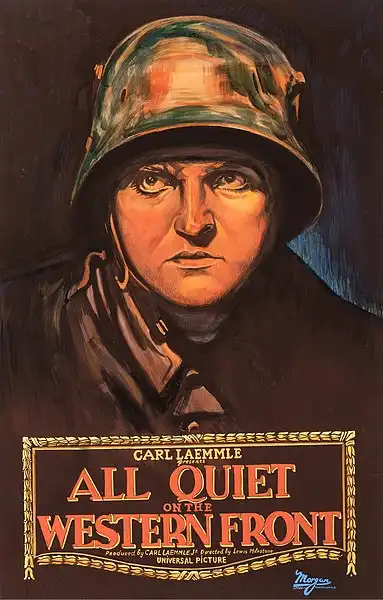
A definitive 8.1/10 rating for a film that redefined the boundaries of cult cinema. All Quiet on the Western Front remains a cornerstone of transgressive art.
Alright, so All Quiet on the Western Front. Is it worth watching today? Yeah, absolutely. If you want to understand the sheer, soul-crushing weight of war, this is it. It’s not for folks who want action-packed heroics or a tidy story. This one’s gonna sit with you, probably for days. If you like your movies to challenge you, dive in. If you prefer things light and breezy, maybe find something else. 😬
The movie kicks off with these German schoolboys, all hyped up, you know? Their teacher is practically *foaming* at the mouth, giving this big, patriotic speech about duty and glory. You see Paul and his friends, barely out of school, their eyes shining with this naïve excitement. They just can't wait to join up.
Then they get to training, and already, it’s a rude awakening. The drill sergeant is a total tyrant, stripping away their individuality right away. You feel that shift almost immediately, from bright-eyed kids to just… bodies in a uniform.
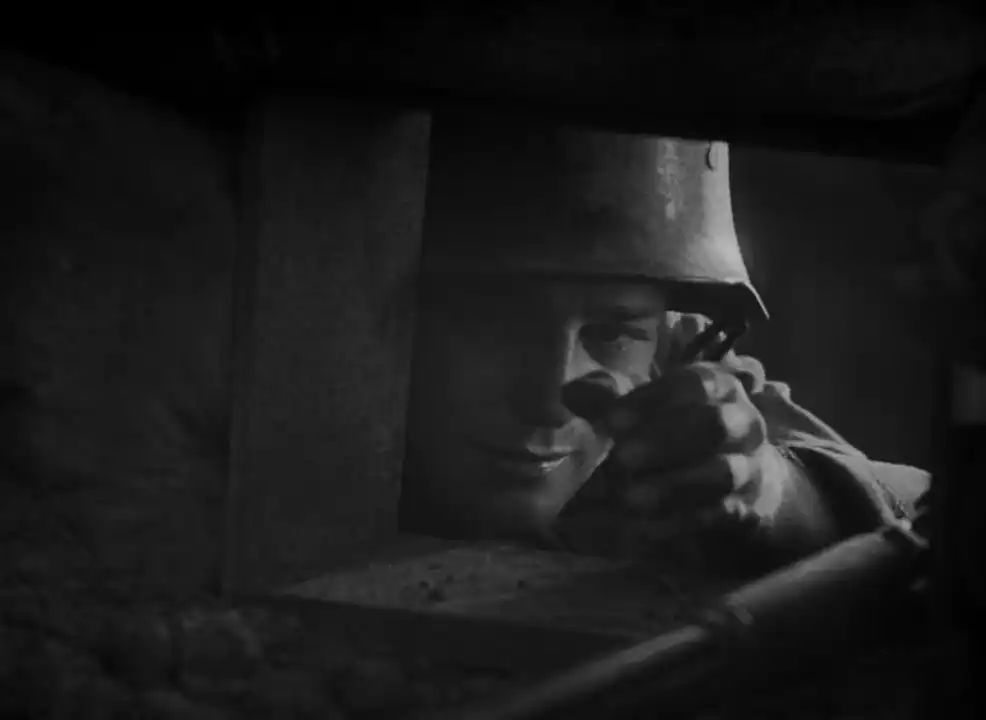
And then the front. Oh, the front. It’s not about grand battles or strategy. It’s about mud. It’s about rain. It’s about the constant, nerve-shredding sound of shells exploding nearby. You see them just trying to survive day to day, huddled together, picking lice off themselves. 🤢
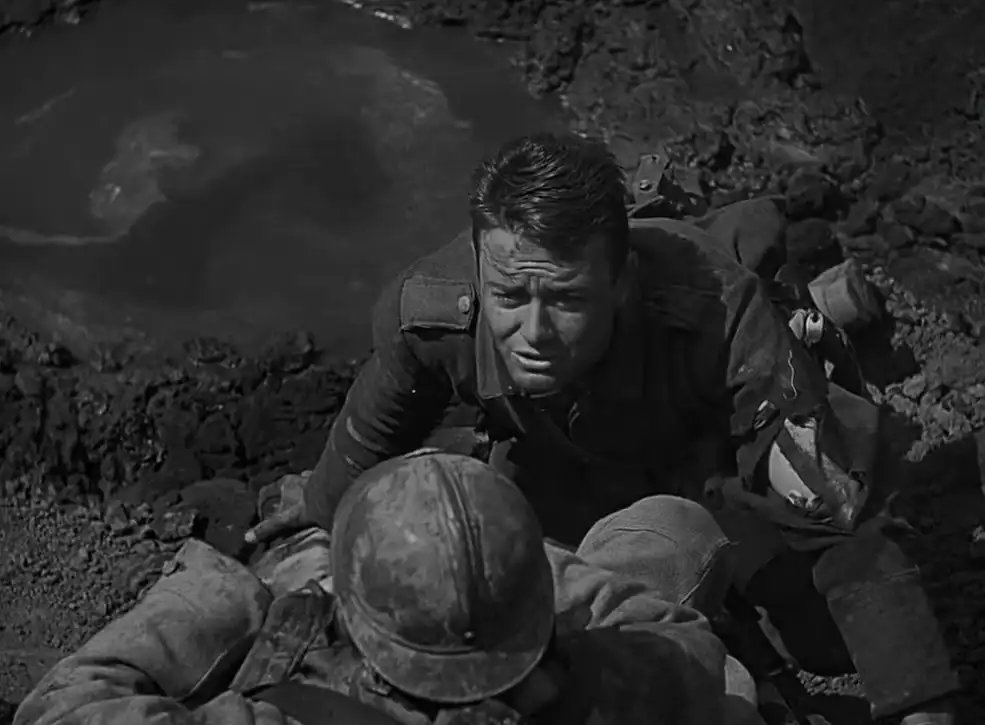
There’s this one scene, Paul gets stuck in a shell hole with a French soldier he’s just stabbed. It’s brutal. The soldier dies slowly, agonizingly, and Paul tries to help him, tries to stop the bleeding. He’s just a kid, suddenly faced with the real, personal consequence of what he’s done. You see him frantically going through the dead man’s wallet, looking at photos of his wife and kids. The horror on Paul’s face, that’s where the film really grabs you by the throat. It’s not just a nameless enemy anymore.
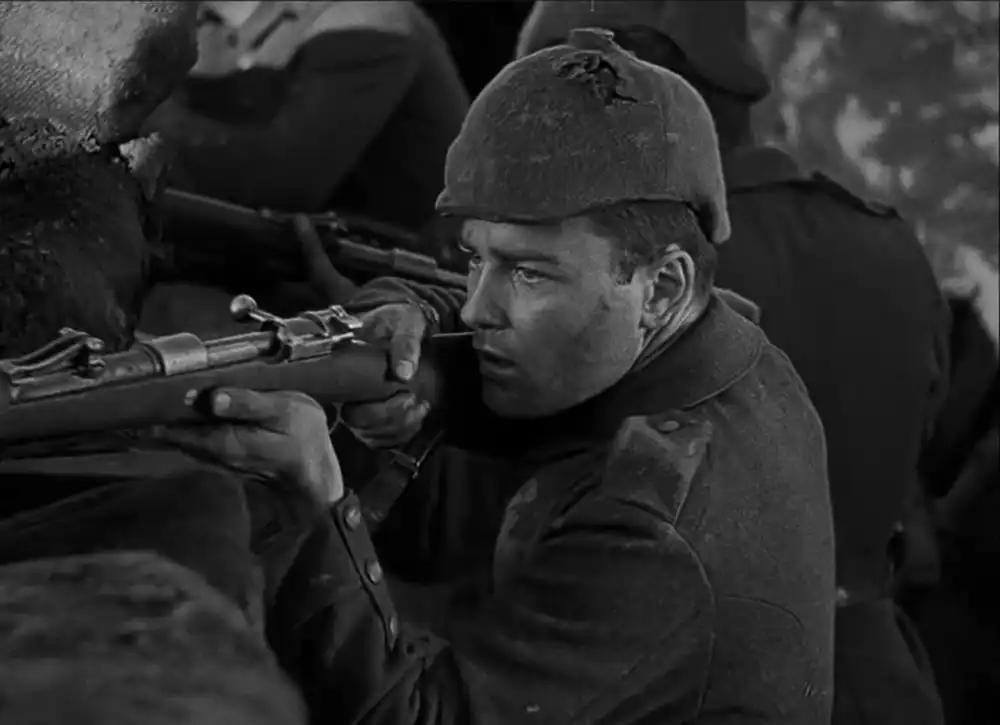
The sounds in this film are incredible, even for a movie from 1930. The constant machine gun fire, the distant rumble of artillery… it’s all so immersive. You almost feel the dirt and the noise yourself. It’s relentless.
When Paul finally gets leave and goes home, that’s another punch to the gut. His dad and the old men in the town are still talking about the war like it’s some grand adventure. They’re asking him about tactics, about how many enemy soldiers he killed. They just don’t get it. They *can’t* get it. Paul tries to explain, tries to tell them it’s not like that, but their eyes just glaze over. The disconnect is palpable. It’s like he’s speaking a different language.
He goes back to the front, and you can practically see the last sliver of hope drain out of him. He’s just… hollow now. He’s seen too much. The film doesn’t glorify anything. It just shows you the endless cycle of young men dying for reasons they don’t even fully grasp anymore.
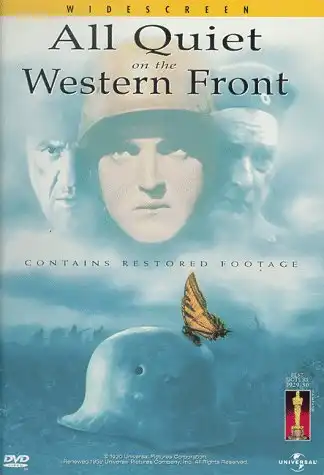
The ending, with the butterfly… it’s so simple, yet it hits hard. It’s a tiny, fleeting moment of beauty in a world of pure ugliness. And then it’s gone, just like Paul. It’s not a grand, dramatic death. It’s just another life snuffed out, quietly, almost accidentally. And that’s what makes it so powerful, really.
This movie doesn't sugarcoat anything. It’s a harsh, necessary watch if you want to understand war’s true face. It’s definitely not a feel-good film, but it’s an important one. A real classic. 🦋
IMDb —
1921
Community
Log in to comment.