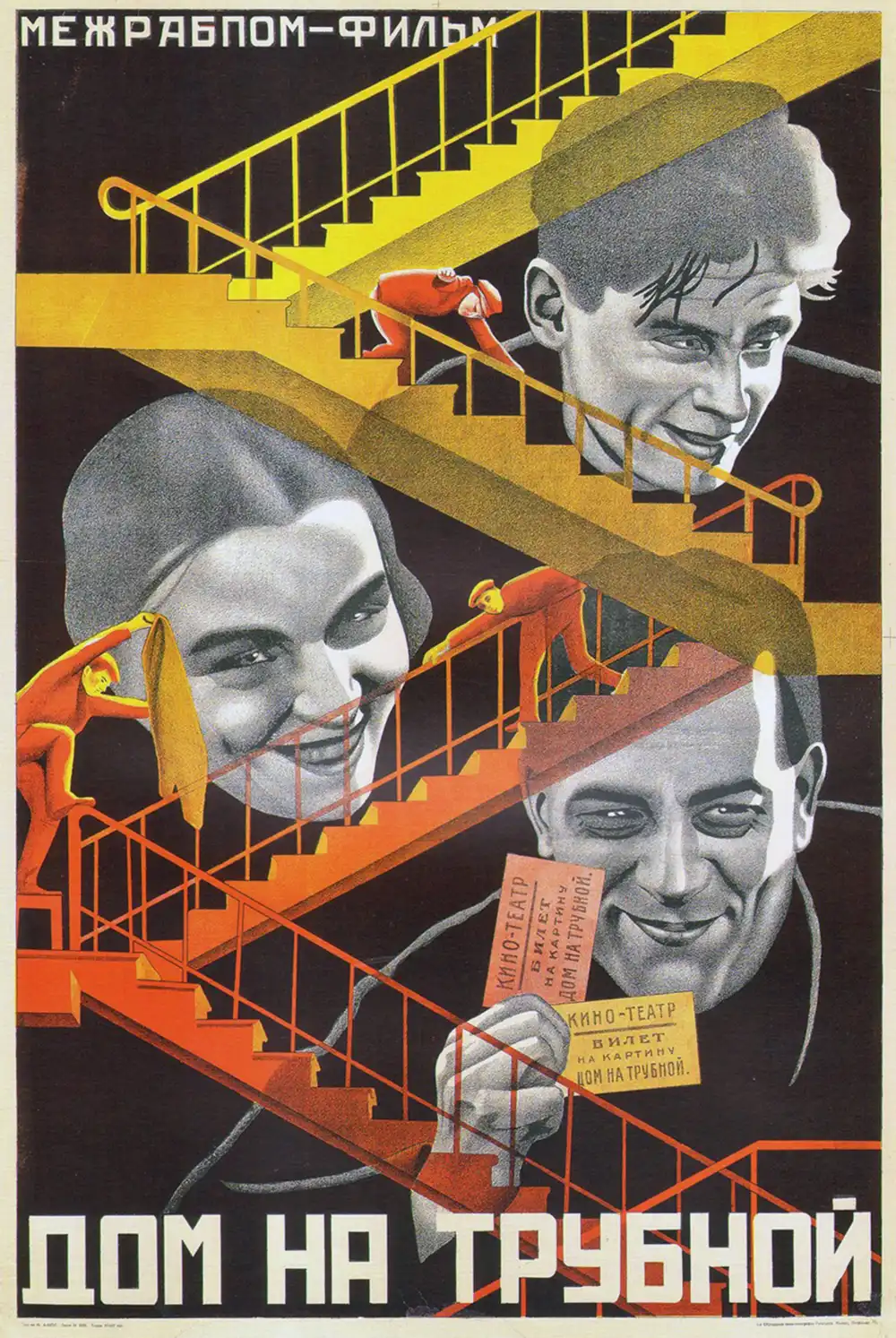
A definitive 7.2/10 rating for a film that redefined the boundaries of cult cinema. Dom na Trubnoy remains a cornerstone of transgressive art.
Is Dom na Trubnoy Worth Watching Today?
Absolutely, but with a clear understanding of its context. Boris Barnet's 1928 silent comedy, Dom na Trubnoy (The House on Trubnaya Square), is a vibrant, often hilarious, and surprisingly sharp piece of Soviet cinema that holds up remarkably well for cinephiles and anyone curious about the era. It's a film for those who appreciate visual storytelling, physical comedy, and subtle social satire without needing dialogue. However, viewers accustomed to modern pacing, intricate plots, or dialogue-driven humor might find its silent film conventions and occasional stretches of broad slapstick challenging. If you’re willing to meet it on its own terms, there’s a lot to enjoy here.
Performances: Ada Voytsik's Spirited Turn
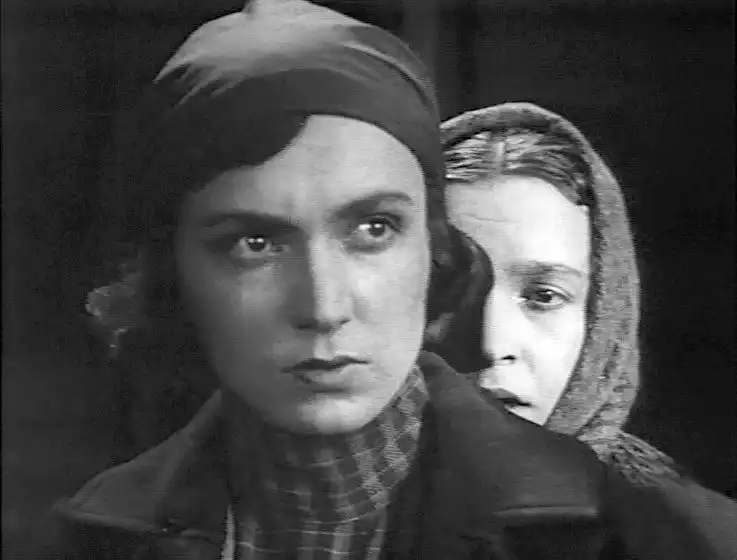
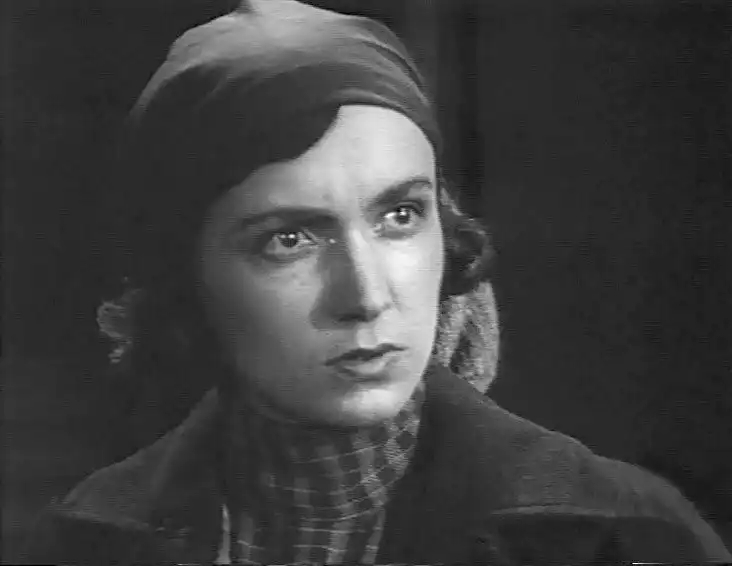
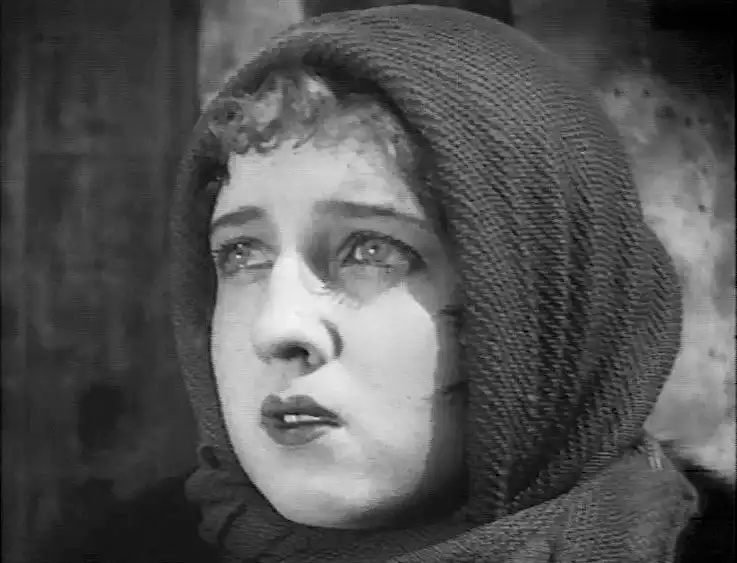
At the heart of Dom na Trubnoy is Ada Voytsik's performance as Parasha Pitunova, the naive but resilient country girl who arrives in Moscow. Voytsik carries the film with an impressive range of physical expression, moving from wide-eyed innocence to a kind of quiet defiance. Her initial scenes, as she navigates the bewildering chaos of the city, are particularly strong, conveying confusion and determination through subtle shifts in posture and gaze. It’s a performance that avoids the exaggerated melodrama sometimes associated with silent film acting, grounding Parasha in a believable, if comically amplified, reality.
Scene from Dom na Trubnoy
Cinematic perspective: Exploring the visual vocabulary of Dom na Trubnoy (1928) through its definitive frames.
The ensemble cast supporting Voytsik is equally vital to the film's comedic energy. Vladimir Fogel, as the vain hairdresser Golikov, is a standout, his preening and self-importance perfectly captured through his meticulous grooming habits and exaggerated reactions to minor inconveniences. There’s a particular scene where he attempts to flirt with Parasha while meticulously oiling his hair, his eyes constantly darting to his own reflection – a small, sharp detail that speaks volumes about his character. Boris Barnet himself, in a cameo as the dapper dandy, adds another layer of urban sophistication and casual indifference to the bustling street scenes.
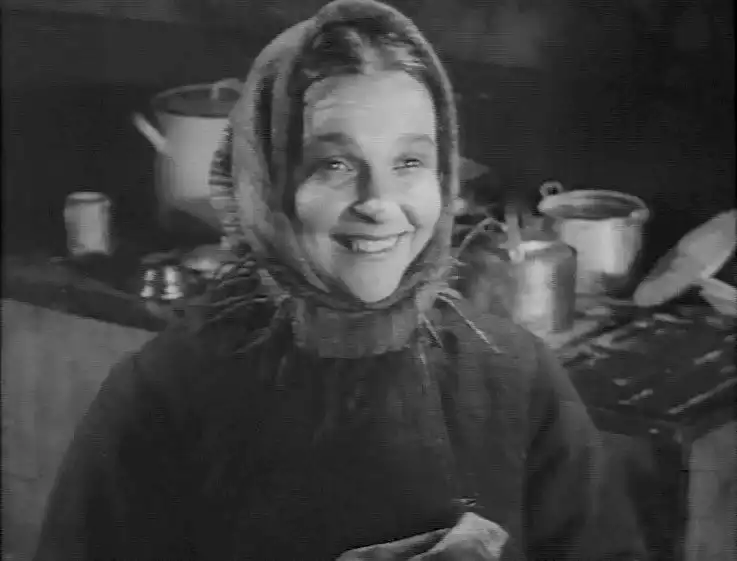
One of the film's consistent delights is observing the distinct, often caricatured, personalities within the communal apartment. Sergey Komarov, as the serious, politically active uncle, provides a stern counterpoint to the domestic chaos, his earnestness often leading to unintended comedic moments when juxtaposed with the frivolousness around him. His struggle to maintain decorum amidst the general hullabaloo is a recurring source of humor. Even minor characters, like the perpetually busy landlady, contribute to the tapestry, their individual quirks adding texture to the bustling household.
Scene from Dom na Trubnoy
Cinematic perspective: Exploring the visual vocabulary of Dom na Trubnoy (1928) through its definitive frames.
Pacing and Tone: A Rhythmic Dance of Satire and Slapstick
Barnet directs Dom na Trubnoy with a brisk, often playful rhythm that keeps the film engaging despite its age. The editing is dynamic, employing quick cuts and well-timed reaction shots to enhance the comedic effect. The initial sequence, depicting Parasha's arrival in Moscow and her subsequent job hunt, is particularly well-paced, efficiently establishing her character and the overwhelming urban environment. Barnet masterfully blends slapstick and situational comedy with a gentle, yet pointed, social satire.
A recurring visual gag involves the communal bathroom, which seems to be in a constant state of minor disrepair or occupation, leading to a series of exasperated expressions and awkward encounters. It’s a small detail, but it perfectly encapsulates the cramped, shared existence of the residents.
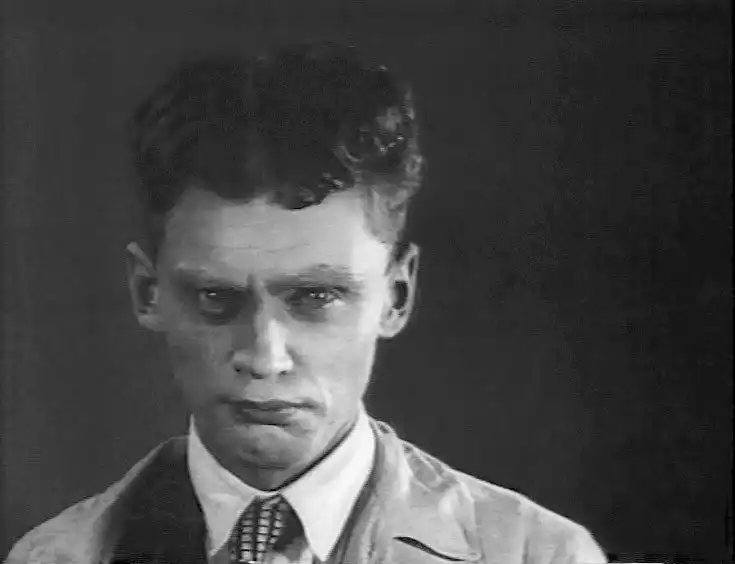
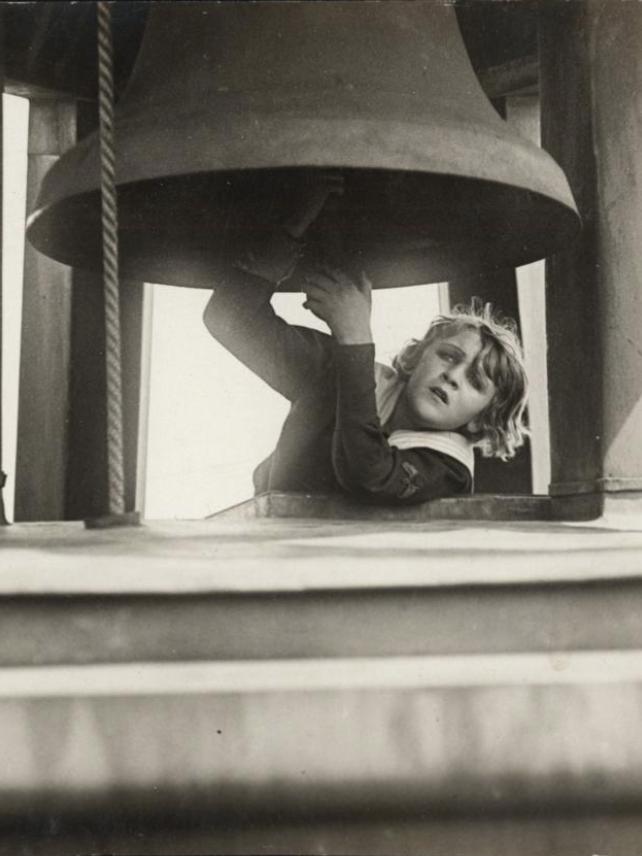
Scene from Dom na Trubnoy
Cinematic perspective: Exploring the visual vocabulary of Dom na Trubnoy (1928) through its definitive frames.
The tone shifts subtly throughout, moving from lighthearted comedy to moments that touch upon the realities of class and labor in Soviet society. For instance, Parasha's initial exploitation as an unpaid servant is played for laughs, but there's an underlying current of social commentary that prevents it from feeling entirely frivolous. The film never preaches, but its observations about status, work, and collective living are clear. While generally maintaining a lively pace, there are a few moments in the middle act, particularly during some of the more extended political meetings, where the energy dips slightly. These scenes, while important for context, sometimes feel a little less spontaneous than the domestic chaos.
Visual Style: Moscow Through a Comedic Lens
Visually, Dom na Trubnoy is a fascinating document of Moscow in the late 1920s. Barnet uses location shooting effectively, capturing the bustling streets, trams, and market squares with an energy that feels authentic. The titular house itself is a character, its crowded interiors and shared spaces expertly framed to emphasize the lack of privacy and constant interaction. The cinematography, while not overtly flashy, is precise, often using deep focus to capture multiple layers of activity within a single shot, allowing the audience to discover small comedic details in the background.
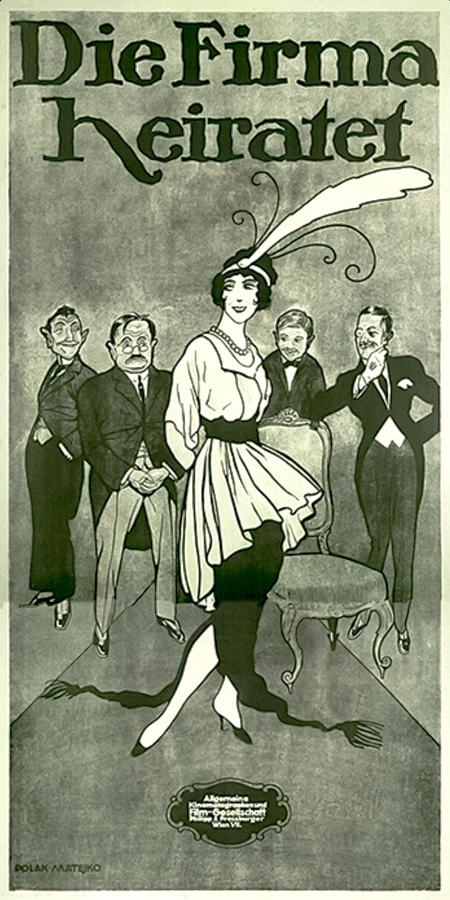
Scene from Dom na Trubnoy
Cinematic perspective: Exploring the visual vocabulary of Dom na Trubnoy (1928) through its definitive frames.
Barnet's use of visual motifs is also notable. The constant movement of people, the ubiquitous presence of newspapers, and the visual contrast between Parasha's simple country attire and the more fashionable (or comically over-the-top) urban wear of the other residents all contribute to the film's visual language. There's a memorable sequence where Parasha, having been given a more 'modern' dress, struggles with its unfamiliarity, her movements becoming stiff and awkward – a lovely piece of visual comedy that underlines her transition. The film also employs some clever editing techniques, such as parallel action, to heighten tension and comedic timing, particularly during scenes involving mistaken identities or quick escapes.
Strengths and Weaknesses: A Timeless Satire with Minor Flaws
The film's greatest strength lies in its ability to deliver sharp social commentary wrapped in genuinely funny situations. It’s a keen observation of class dynamics and the clash between traditional and modern Soviet ideals, all without resorting to heavy-handed propaganda. Ada Voytsik's performance is a constant highlight, giving the film a relatable human core amidst the comedic chaos. The direction is confident and innovative for its time, showcasing Barnet's skill in visual storytelling and comedic timing. The film's energy and inventiveness prevent it from feeling like a mere historical curiosity; it remains genuinely entertaining.
Scene from Dom na Trubnoy
Cinematic perspective: Exploring the visual vocabulary of Dom na Trubnoy (1928) through its definitive frames.
However, some of the humor, particularly the broader slapstick elements, can feel a little dated to modern eyes. A few of the supporting characters lean heavily into caricature, which, while effective for comedy, occasionally flattens their potential depth. As mentioned, the pacing occasionally sags when the narrative shifts too heavily into the political machinations, momentarily losing the effervescent charm of the domestic scenes. These are minor quibbles, though, in a film that otherwise feels remarkably fresh.
Final Verdict: A Vital, Engaging Piece of Early Soviet Cinema
Dom na Trubnoy is more than just a historical artifact; it's a vibrant, intelligent comedy that deserves to be seen. It offers a unique window into Soviet society of the late 1920s, filtered through Boris Barnet's distinctive comedic vision. For those interested in the evolution of cinema, social satire, or simply a well-crafted silent film, it's an essential watch. It demonstrates that humor and keen observation transcend time and language barriers. Seek it out if you appreciate the artistry of the silent era and the enduring power of visual storytelling. You might be surprised by how much this nearly century-old film still resonates.