DbcultAccessing Vault...
6.7/10
Senior Film Conservator
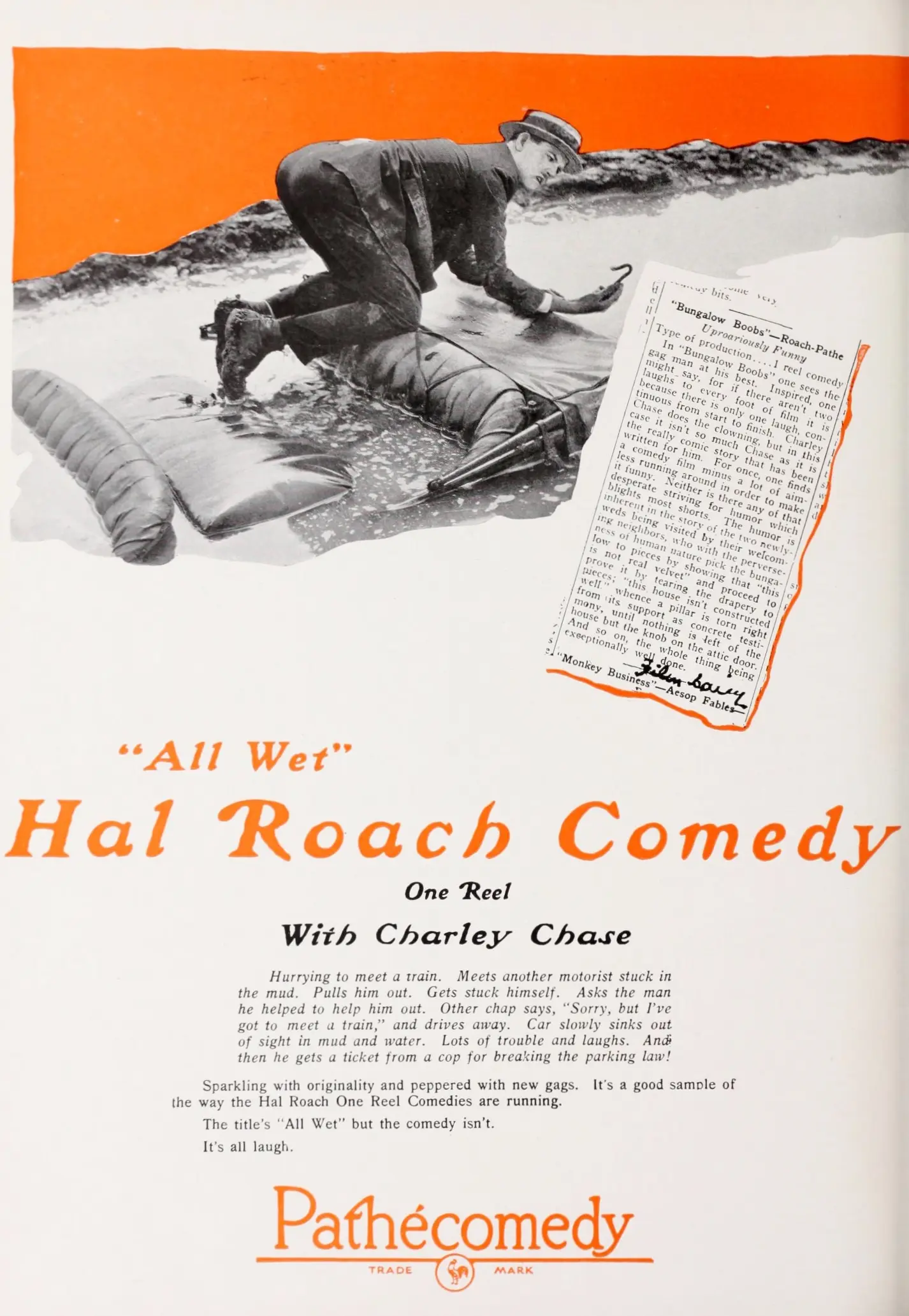
A definitive 6.7/10 rating for a film that redefined the boundaries of cult cinema. All Wet remains a cornerstone of transgressive art.
Stepping back into the roaring twenties, the silent film era, is often an exercise in uncovering hidden gems that, despite their age, sparkle with an undeniable, universal appeal. One such delightful discovery is the 1924 short film, All Wet. This isn't just another relic from a bygone cinematic age; it's a vibrant, kinetic testament to the enduring power of physical comedy, a genre that transcends language barriers and temporal shifts. Directed with a keen eye for escalating chaos, this film, though brief, packs more genuine laughs and ingenious gags than many feature-length comedies attempting the same feat a century later. It's a masterclass in comedic timing, visual storytelling, and the sheer, unadulterated joy of watching a character's meticulously planned day unravel into a glorious, waterlogged mess.
At its core, All Wet presents a deceptively simple premise: a man, Jimmie Jump, played with an endearing blend of earnestness and exasperation by William Gillespie, receives an urgent telegram. The message, a seemingly straightforward directive, commands him to collect an 'important shipment' from the train station. The catch? He must do so by 2:30 p.m. on Wednesday. What unfolds is not merely a race against the clock, but a veritable symphony of escalating misfortunes, each more ludicrous than the last. From the moment Jimmie steps out of his boarding house, the world seems to conspire against him. It's a narrative structure that silent comedies perfected, a testament to the idea that the simplest goals can become the most insurmountable obstacles when fate, or rather, the writers' mischievous pens, decides to intervene.
The genius lies in the relentless accumulation of minor catastrophes. It's not one grand, cataclysmic event, but a series of petty annoyances that snowball into an epic struggle. A door that won't open, a streetcar that seems to actively evade him, an unexpected dousing – these aren't just isolated incidents. They are carefully orchestrated beats in a comedic rhythm, each building upon the last, tightening the screws of Jimmie's predicament. This meticulous construction of comedic tension, where every failed attempt to reach his destination only serves to push him further from it, is a hallmark of the era's best physical humor. It's a reminder that sometimes, the most profound humor stems from the most relatable of human struggles: the sheer frustration of a day gone completely, hilariously wrong.
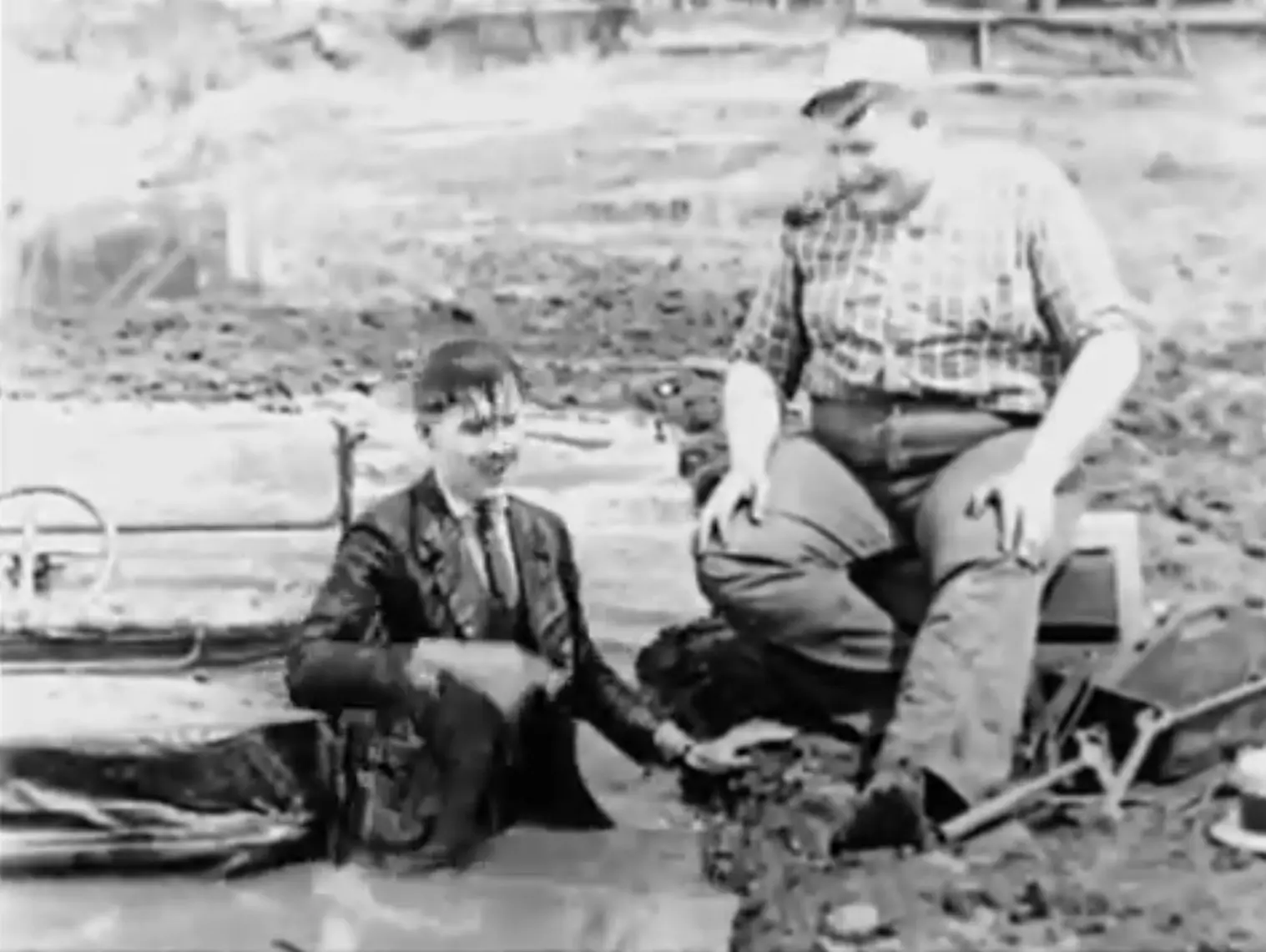
William Gillespie, as Jimmie Jump, is an absolute revelation. While perhaps not as universally recognized today as a Chaplin or a Keaton, Gillespie's performance here solidifies his place as a remarkable practitioner of silent slapstick. He doesn't just fall; he reacts to falling. He doesn't just get wet; he embodies the utter indignity and bewildered despair of being drenched repeatedly. His facial expressions, a crucial tool in silent cinema, are a masterclass in conveying mounting frustration, bewilderment, and a kind of dogged, almost pathetic determination. You feel for Jimmie, even as you laugh at his misfortunes, a testament to Gillespie's ability to imbue his character with a surprising depth of humanity amidst the chaos.
His physicality is precise, yet wonderfully clumsy. Each slip, each tumble, each near-miss is executed with a timing that feels both spontaneous and impeccably choreographed. The way he navigates the increasingly hostile urban landscape, battling everything from inanimate objects to uncooperative fellow citizens, is a joy to behold. It’s a performance that truly understands the language of the body as a comedic instrument, a skill that defined the greatest stars of the silent screen. One might draw parallels to the earnest everyman struggles seen in some of Charley Chase's earlier works, though Chase himself is credited here, perhaps contributing some of that signature blend of suave and slapstick to the overall comedic rhythm. Speaking of Chase, his involvement, even if behind the scenes, often guarantees a certain level of comedic craftsmanship, and All Wet certainly benefits from that legacy.
No silent comedy is a solo act, and All Wet benefits immensely from its colorful supporting cast, each playing their part in Jimmie's escalating woes. 'Tonnage' Martin Wolfkeil, with his imposing presence, likely contributes to the physical gags that often involve collisions or obstructions. Helen Gilmore, a familiar face in many silent shorts, adds to the tapestry of urban life, perhaps as a bewildered bystander or an unwitting participant in Jimmie's mishaps. The presence of future stars like Janet Gaynor and Olive Borden, even in what might be early, smaller roles, adds a fascinating historical layer, hinting at the nascent talents that would soon light up the silver screen in more prominent capacities. Martha Sleeper and Jack Gavin round out this ensemble, each contributing to the vibrant, chaotic world that Jimmie must navigate. Their collective efforts create a believable, bustling backdrop against which Jimmie's individual struggle becomes all the more pronounced and humorous. It's a reminder that even in the most outlandish slapstick, a sense of lived-in reality, however exaggerated, enhances the comedic effect.
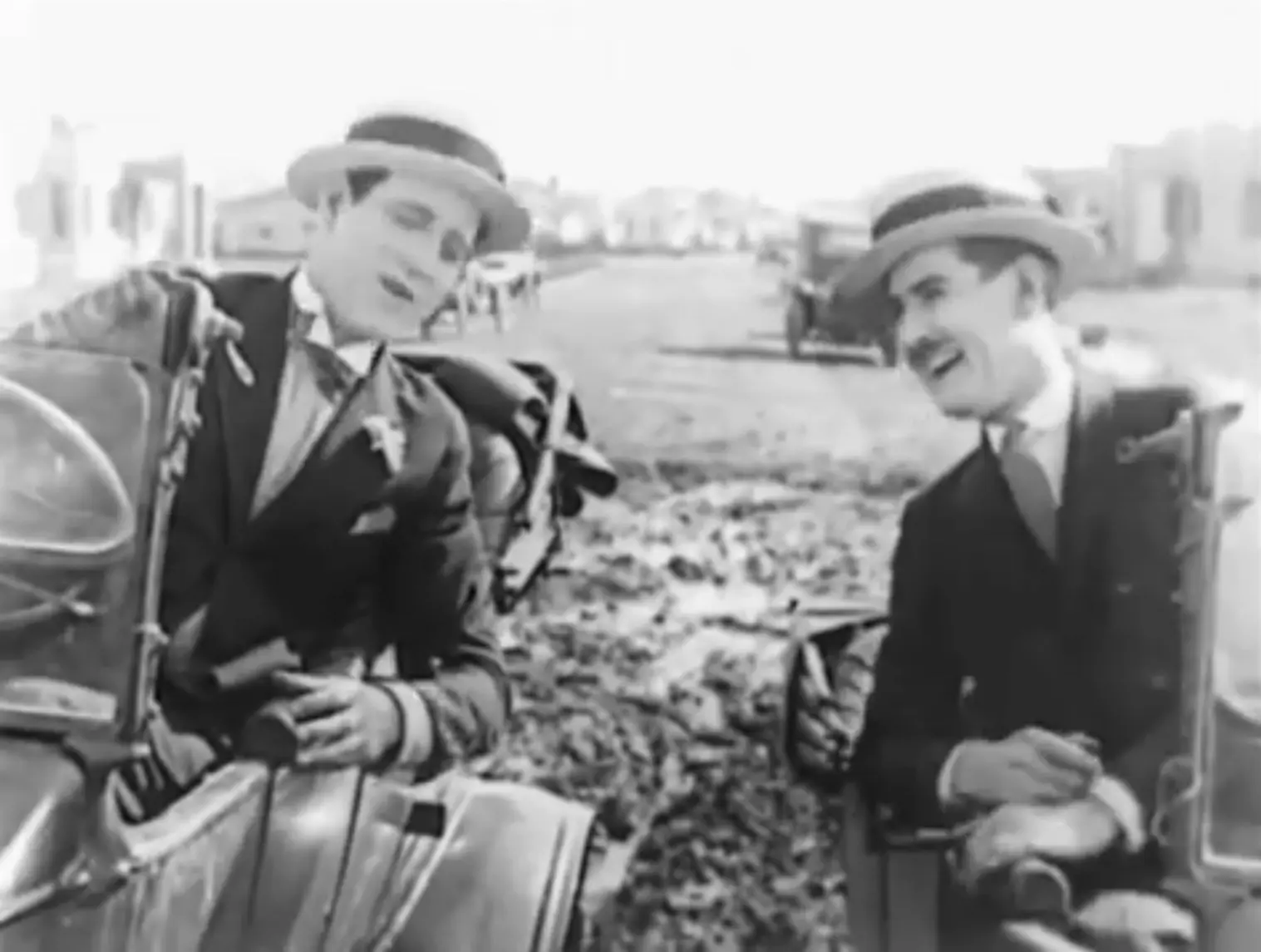
What makes All Wet, and indeed so many silent comedies, resonate even today? It's the purity of its humor. Stripped of dialogue, the film relies entirely on visual gags, character reactions, and the universal language of human folly. The absurdity of Jimmie's predicament, the sheer physical effort he expends, and the relentless, almost cartoonish, opposition he faces, speak to an innate human understanding of frustration and resilience. It's the kind of humor that doesn't age because it taps into fundamental aspects of the human condition. We've all had those days where everything goes wrong, where a simple task becomes an insurmountable challenge. All Wet takes that relatable experience and amplifies it to hilarious, exaggerated proportions.
Compared to more narrative-driven early films like The Witching Hour or dramas like God's Law and Man's, All Wet thrives on its immediate, visceral impact. There's no complex moral dilemma or intricate plot; just pure, unadulterated comedic mayhem. This directness is part of its charm. It doesn't demand deep philosophical introspection, but rather invites hearty laughter and a shared appreciation for the art of the well-executed pratfall. One could argue it shares a lineage with other early adventure-comedies, like A Motorcycle Adventure, in its focus on a character's journey fraught with physical challenges, though All Wet leans far more heavily into the farcical.
The direction, while uncredited, demonstrates a clear understanding of comedic pacing. The camera is positioned to capture the full scope of Gillespie's physical comedy, allowing gags to unfold naturally while also emphasizing the absurdity of the situations. The editing is crisp, moving the narrative forward with an energetic tempo that is crucial for maintaining the comedic momentum of a short film. There's a particular finesse in how the film builds its gags, starting with smaller inconveniences and steadily escalating them into grander, more spectacular failures. This progression ensures that the audience's engagement never wanes, always anticipating the next, more outlandish obstacle that will be thrown into Jimmie's path.
The visual gags themselves are inventive and timeless. The use of water, as the title suggests, is central, providing endless opportunities for splashes, drenchings, and slippery surfaces. This element of liquid chaos is exploited to its fullest, turning ordinary situations into delightful spectacles. It’s a simple, yet incredibly effective comedic device, proving that sometimes the most straightforward ideas can yield the biggest laughs when executed with precision and flair. This mastery of visual storytelling is what allowed films like The Essanay-Chaplin Revue of 1916 to captivate audiences, and All Wet certainly belongs in that tradition of ingenious comedic construction.
While not a deep dive into complex human psychology like A Soul Enslaved or a grand historical epic, All Wet serves a different, equally vital purpose in cinematic history. It's a testament to the fact that cinema, from its earliest days, was capable of providing pure, unadulterated entertainment. It's a snapshot of a particular style of filmmaking that prioritized laughter above all else, using every tool at its disposal – from physical prowess to clever visual effects – to achieve that goal. Its legacy lies not in profound statements, but in its ability to consistently deliver joy and demonstrate the universal language of a well-executed gag. Even films with more romantic or dramatic undertones, such as Distilled Love or The Heart of a Girl, often incorporated comedic elements, but All Wet is comedy through and through, uncompromising in its mission to elicit mirth.
In conclusion, All Wet is more than just a historical curiosity; it's a vibrant, laugh-out-loud experience that holds up remarkably well. It reminds us of the sheer inventive spirit of early filmmakers and the timeless appeal of a truly gifted physical comedian like William Gillespie. Watching Jimmie Jump's valiant, yet utterly futile, struggle against the forces of comedic chaos is an absolute delight. It’s a film that doesn't just entertain; it invigorates, reminding us of the simple pleasures that cinema, at its most fundamental, can provide. If you appreciate silent film, physical comedy, or simply a good, old-fashioned laugh, then this short is an absolute must-see. It's a testament to the adage that sometimes, the best things come in small, incredibly wet packages. It certainly stands shoulder-to-shoulder with other memorable shorts from the era, perhaps more focused on pure gags than the broader narratives of films like Ruth of the Rockies or Colomba. It's a pure, unadulterated dose of cinematic joy that continues to amuse and impress, proving that the language of laughter truly is universal and eternal. The film’s succinctness, much like Smarty, allows it to deliver punchline after punchline without overstaying its welcome, a rare and valuable quality in any comedic endeavor. It's a perfect example of how much entertainment could be packed into a short runtime, leaving the audience satisfied but also eager for more, a true mark of timeless craftsmanship in the realm of silent cinema.
IMDb —
1919
Community
Log in to comment.