DbcultAccessing Vault...
Cult Review
Senior Film Conservator
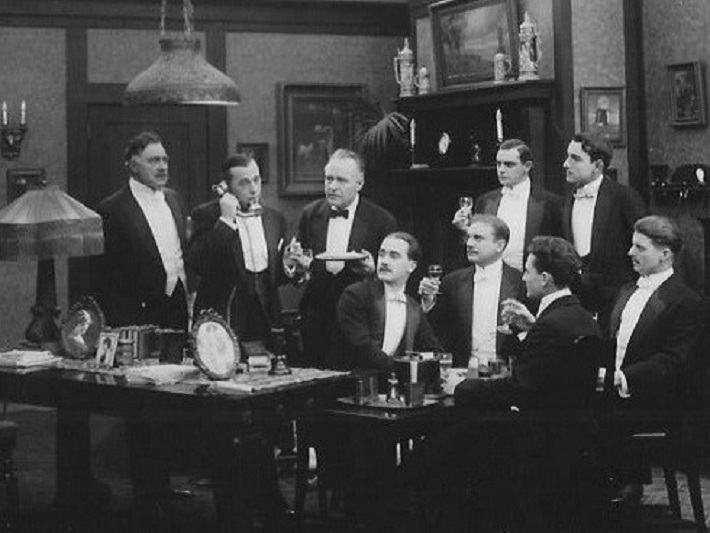
Stepping back into the nascent days of cinematic storytelling, we encounter a compelling narrative in 'The No-Good Guy' (the-no-good-guy), a film that, despite its early origins, probes deeply into themes of moral awakening, familial betrayal, and the complex dance between societal expectations and individual agency. Directed by an uncredited hand, and penned by C. Gardner Sullivan, this picture delivers a surprisingly nuanced exploration of a young man's journey from frivolous abandon to determined rectitude, all set against a backdrop of urban corruption and criminal intrigue. It’s a testament to the enduring power of classic narratives, even when presented through the lens of early film techniques.
The central figure, Jimmy Coghlan, portrayed with a certain rakish charm by William Collier Sr., is initially a quintessential 'no-good guy' – a moniker that perfectly encapsulates his early disposition. His days are a blur of lavish spending, convivial drinking, and an endless parade of social engagements, all funded, one presumes, by the considerable influence of his uncle and guardian, "Big" Malone. This initial characterization immediately sets the stage for a dramatic transformation, positioning Jimmy as a character ripe for a fall, or perhaps, a profound redemption. The film doesn't shy away from presenting his hedonistic lifestyle, making his eventual pivot all the more impactful. It's a classic setup that resonates with timeless tales of prodigal sons, yet here, it's infused with the gritty realism of a burgeoning urban landscape.
Enter "Big" Malone, a political boss whose very title evokes a sense of formidable authority and perhaps, less savory dealings. Portrayed by Charles K. French, Malone is the architect of Jimmy's forced awakening. Exasperated by his nephew's profligate ways, Malone issues an ultimatum: settle down, get a job, or face the consequences. This paternalistic intervention, seemingly for Jimmy's own good, is the narrative's primary catalyst. It pushes Jimmy out of his comfort zone and into the world of responsibility, albeit a world he initially resists with all his might. The dynamic between Jimmy and Malone is crucial, laying the groundwork for the shocking revelations that will later unravel their relationship. It's a power struggle, not just between uncle and nephew, but between the forces of indulgence and the demands of adulthood.
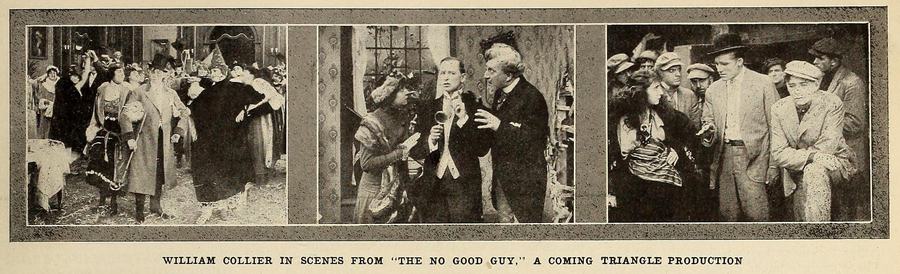
Jimmy's reluctant foray into the world of legitimate work sees him opening a detective agency. This choice of profession is, in itself, ironic. A man who has spent his life avoiding scrutiny is now tasked with uncovering secrets. His initial approach to this new career path is less than enthusiastic; he actively discourages prospective clients, seemingly content to let the agency languish. This period of passive resistance highlights his immaturity and his lingering attachment to his former life. It’s a subtle yet effective way of showing character development – or lack thereof – before the real plot takes hold. One might even draw a parallel to the protagonist's initial apathy in films like The Blindness of Virtue, where societal expectations clash with personal inclinations, though the stakes here are distinctly more criminal.
The narrative truly ignites when Jimmy, partially against his better judgment, accepts a case. This pivotal decision thrusts him into a world far removed from the gilded cages of his past. To solve the mystery, he must infiltrate a band of criminals, a move that requires him to shed his playboy persona and adopt a guise of dangerous cunning. This transformation marks a significant turning point; the 'no-good guy' must now become a 'good guy' pretending to be bad. The tension here is palpable, as Jimmy navigates unfamiliar terrain, constantly at risk of exposure. The film excels in building this suspense, even with the limited cinematic tools of its era, relying on strong character performances and a clear, compelling plot progression.
During his undercover assignment, Jimmy encounters Lucia Andrada, portrayed by Enid Markey. Lucia is not merely a damsel in distress; she is an active member of the criminal gang, imbued with a certain resilience and perhaps, a hidden vulnerability. The burgeoning romance between Jimmy and Lucia adds a crucial layer of complexity to the plot. It’s a classic trope – love blossoming amidst danger – but here, it’s complicated by their opposing roles and the moral ambiguities of their situation. Their connection is genuine, providing a much-needed emotional anchor in a story otherwise dominated by deceit and betrayal. Enid Markey brings a compelling presence to Lucia, making her more than just a love interest, but a woman entangled in circumstances beyond her control, echoing the complex female characters seen in films like Her Great Price, where women navigate challenging social landscapes.
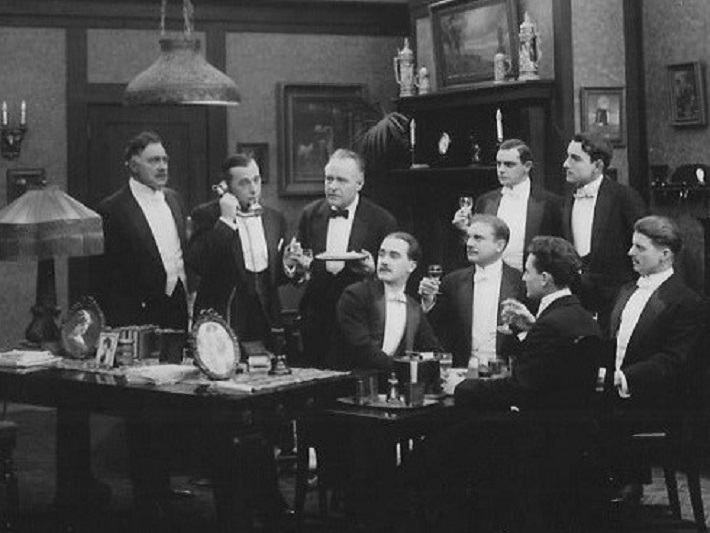
The film's most potent narrative punch arrives with the stunning revelation that the true leader of the criminal syndicate is none other than "Big" Malone himself. This twist is a masterstroke, transforming the earlier paternalistic concern into a chilling facade for self-serving corruption. The man who pushed Jimmy towards responsibility is, in fact, the embodiment of irresponsibility and criminality. This discovery shatters Jimmy's world, forcing him to confront not just an external enemy, but a profound personal betrayal from the very person he was supposed to trust. The impact of this revelation is immense, elevating the stakes from a simple detective case to a deeply personal and moral struggle. It’s a narrative device that still resonates today, highlighting the insidious nature of power and the shock of discovering evil in familiar places.
The immediate aftermath of this discovery sees Jimmy in a moral crucible. He must choose between familial loyalty and ethical duty, between protecting his uncle and upholding justice. His decision to denounce Malone is a powerful moment of character affirmation, solidifying his transformation from the 'no-good guy' to a man of principle. This act of defiance is not just a plot point; it's the culmination of his journey, a definitive break from his past and an embrace of a new, honorable identity. This kind of moral reckoning is a recurring theme in early cinema, often serving as a powerful lesson for audiences, much like the ethical dilemmas explored in The Ruling Passion.
With Malone exposed and justice, presumably, served, the narrative shifts to the aftermath of chaos. Jimmy and Lucia, having navigated the treacherous waters of deceit and danger, emerge stronger and more committed to each other. Their vows to behave like responsible adults and their plans for marriage signify a profound personal and relational redemption. It's a classic Hollywood ending, perhaps, but one earned through genuine struggle and moral fortitude. The film concludes on a note of hope and stability, suggesting that even from the depths of personal dissolution and societal corruption, a new, virtuous path can be forged.
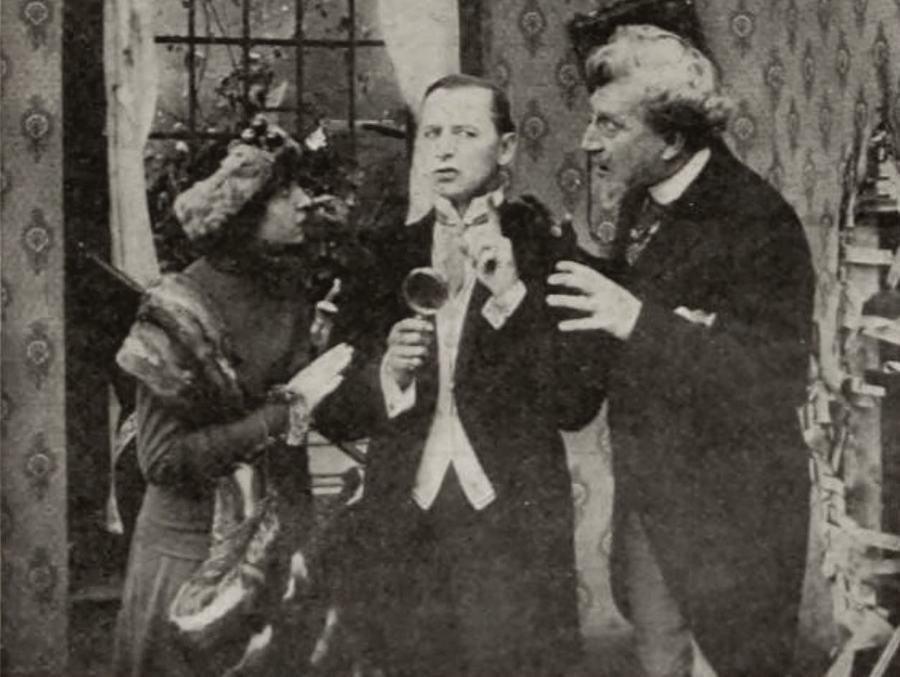
The performances, particularly from William Collier Sr. as Jimmy and Enid Markey as Lucia, are commendable for their era. Collier manages to convey Jimmy's initial indolence and his subsequent earnestness with believable conviction. Markey imbues Lucia with a blend of toughness and tenderness, making her character complex and sympathetic. Charles K. French as "Big" Malone delivers a performance that gradually reveals the character's sinister core, a slow burn that makes the final reveal all the more impactful. While the film's technical aspects are reflective of early cinema – less sophisticated camera work, reliance on intertitles – the storytelling remains robust and engaging, proving that a strong narrative can transcend technological limitations.
Thematically, 'The No-Good Guy' explores the timeless struggle between good and evil, personal responsibility versus moral decay, and the redemptive power of love. It’s a narrative that, despite its simplicity by modern standards, delves into the complexities of human nature. The film’s portrayal of urban corruption, even if subtly hinted at rather than explicitly detailed, reflects societal anxieties of the time. The idea of a powerful figure secretly orchestrating criminal activities resonates with a public often wary of unchecked authority, a sentiment echoed in many crime dramas throughout cinematic history, perhaps even in the implied societal critiques of a film like The Secret Seven, which likely explored similar underworld dynamics.
From a historical perspective, 'The No-Good Guy' serves as a valuable artifact, showcasing the evolution of storytelling in film. It demonstrates how early filmmakers, with nascent techniques, were already adept at crafting compelling plots with dramatic twists and satisfying character arcs. While it might not possess the grand scale of an epic like The Life and Passion of Jesus Christ, its focus on intimate moral drama holds its own unique power. It’s a reminder that the core elements of engaging cinema – compelling characters, surprising plot developments, and resonant themes – have remained constant throughout the medium's history.
'The No-Good Guy' is more than just an early film; it's a fascinating character study wrapped in a crime drama, demonstrating the burgeoning sophistication of narrative cinema. It champions the idea that individuals can transcend their pasts and forge new, honorable destinies, even when confronted with profound betrayal from those closest to them. The film, through its well-structured plot and engaging performances, offers a compelling exploration of redemption and the difficult choices that define us. It's a valuable piece of cinematic history that, while perhaps not widely known today, offers crucial insights into the foundations upon which modern storytelling was built. For enthusiasts of early cinema and those fascinated by the evolution of moral narratives on screen, 'The No-Good Guy' is an understated gem worth rediscovering, proving that even in its infancy, cinema had a powerful voice for justice and personal transformation.
IMDb 7.5
1934
Community
Log in to comment.